
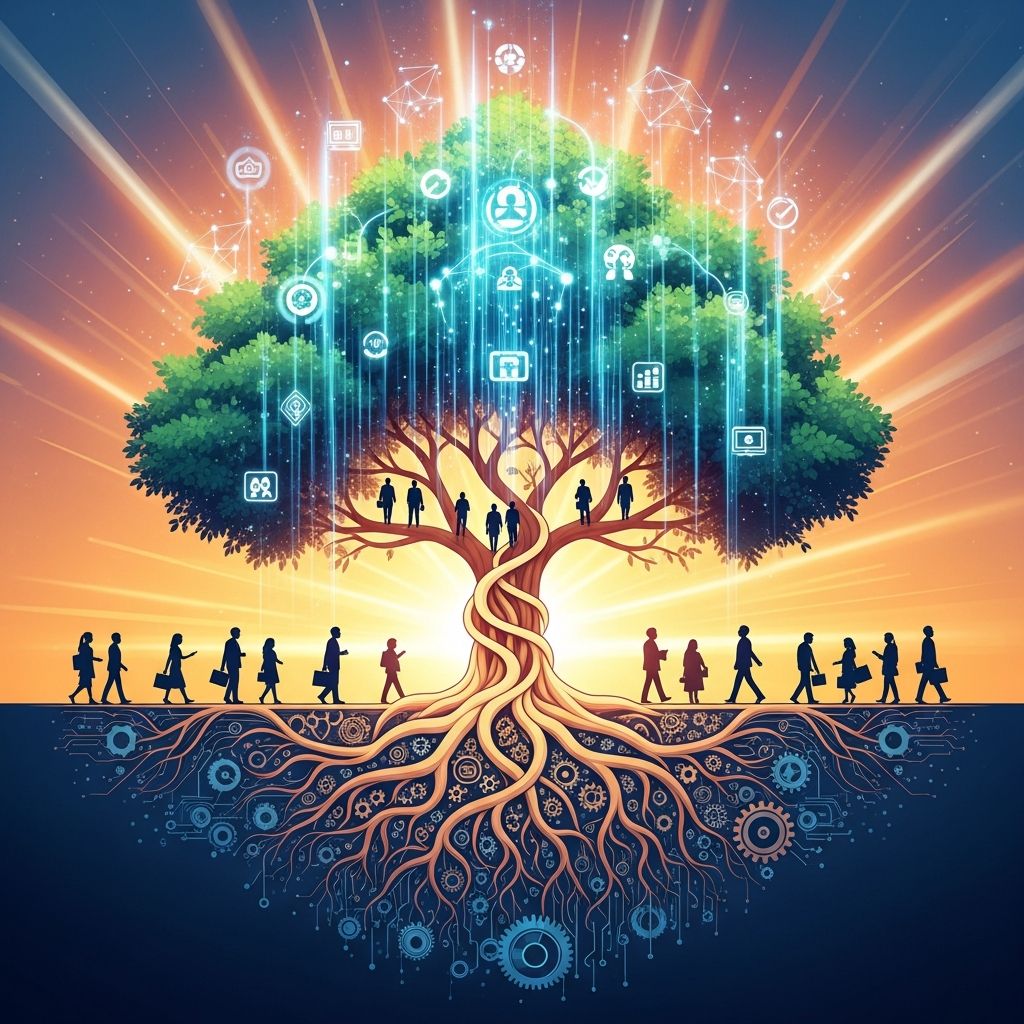
Designing a Career That Lasts Beyond 2025
In a world where technology evolves faster than ever and job roles transform in months rather than years, the idea of a linear, predictable career path is fading. Instead, professionals who thrive are those who treat their careers as living projects—constantly adapting, learning, and repositioning themselves. The goal is no longer just to climb a ladder, but to build a career that remains relevant, meaningful, and resilient no matter what the future holds.
This article outlines a practical, forward-looking framework for designing a future-proof career in 2025 and beyond. Rather than chasing trends, we’ll focus on timeless principles: self-awareness, strategic skill-building, intentional networking, and continuous reinvention.
Start with a Clear Career Vision
Before diving into courses, certifications, or networking events, it’s essential to define what a successful career looks like for you. A strong career vision acts as your internal compass, helping you make decisions that align with your values, strengths, and long-term aspirations.
Ask yourself:
- What kind of work energizes me and what drains me?
- What impact do I want to have in my field or organization?
- What kind of lifestyle do I want to support through my work?
- Where do I see myself in 3, 5, or 10 years?
These questions help you move beyond vague goals like “get promoted” or “earn more money” and toward a more intentional, values-driven career path. Your vision doesn’t need to be perfectly detailed, but it should be clear enough to guide your next steps.
Conduct a Deep Self-Assessment
Understanding yourself is the foundation of any effective career strategy. A thorough self-assessment goes beyond listing skills and includes your motivations, work preferences, and personal values.
Consider using a structured approach such as:
- Strengths and weaknesses: What are you naturally good at? Where do you consistently struggle?
- Interests and passions: What topics or types of work genuinely excite you?
- Values: What matters most to you—autonomy, stability, creativity, impact, collaboration?
- Work style: Do you thrive in structured environments or prefer flexibility? Do you prefer working independently or in teams?
Tools like personality assessments (e.g., MBTI, Big Five), skills inventories, and 360-degree feedback can provide valuable external perspectives. The goal is to create a realistic, honest picture of who you are as a professional and what kind of roles and environments are most likely to support your growth.
Map the Skills That Matter Most
The World Economic Forum’s Future of Jobs Report 2025 highlights that analytical thinking, creative thinking, and technological literacy are among the most in-demand skills across industries. But beyond these broad categories, the most valuable skills are often those that combine technical expertise with human-centered abilities.
Focus on three key skill categories:
1. Core Technical Skills
These are the hard skills specific to your field—coding, data analysis, financial modeling, clinical knowledge, design tools, etc. Identify which technical skills are most valued in your current role and in the roles you aspire to.
2. Cross-Functional Skills
These skills help you operate effectively across teams and functions:
- Project management
- Business acumen
- Change management
- Basic data literacy
3. Human-Centered Skills
These are increasingly critical as automation handles more routine tasks:
- Emotional intelligence
- Communication and storytelling
- Collaboration and conflict resolution
- Adaptability and resilience
A simple way to prioritize is to compare your current skills against the requirements of your target roles. Identify the top 3–5 skills that would most significantly increase your value and focus your development efforts there.
Create a Personalized Development Roadmap
Once you have clarity on your vision and skills, it’s time to build a roadmap that turns aspirations into action. A strong development plan is specific, time-bound, and tied to real-world outcomes.
Structure your roadmap around these elements:
Short-Term Goals (0–12 months)
- Complete a certification or course in a high-impact skill.
- Lead a small project or initiative in your current role.
- Expand your internal network by connecting with colleagues in other departments.
Mid-Term Goals (1–3 years)
- Move into a more senior or specialized role.
- Develop expertise in a niche area (e.g., AI in marketing, sustainability in operations).
- Take on a formal leadership or mentoring role.
Long-Term Goals (3–5+ years)
- Reach a leadership or strategic role (e.g., manager, director, specialist).
- Transition into a new industry or function if desired.
- Build a personal brand or thought leadership presence in your field.
For each goal, define:
- What success looks like (measurable outcome)
- Key actions required
- Timeline and milestones
- Resources needed (time, money, support)
This structured approach turns abstract ambitions into a clear, executable plan.
Choose the Right Learning Pathways
Learning is no longer something you do once and then stop. In 2025, continuous learning is a core career strategy. The key is to choose learning formats and content that fit your goals, schedule, and learning style.
Consider a mix of:
- Formal education: Degrees, diplomas, or certificate programs for deep expertise.
- Online courses and micro-credentials: Platforms like Coursera, edX, or LinkedIn Learning for targeted skill-building.
- Workshops and bootcamps: Intensive, hands-on training for practical skills.
- On-the-job learning: Stretch assignments, cross-functional projects, and shadowing.
- Peer learning: Study groups, mastermind groups, or internal communities of practice.
When selecting a learning opportunity, ask:
- Does this directly support my next career step?
- Is the content up-to-date and taught by credible experts?
- Can I apply what I learn immediately in my current role?
- Does it offer a credential or portfolio piece I can showcase?
Learning that leads to visible results—better performance, new responsibilities, or external recognition—is the most powerful kind.
Build a Strategic Network, Not Just a Contact List
Who you know still matters as much as what you know. But networking in 2025 is less about collecting business cards and more about building meaningful, reciprocal relationships.
Focus on three types of connections:
1. Internal Network
- Colleagues in your current organization.
- Managers and leaders who can advocate for you.
- People in other departments who can expose you to new ideas and opportunities.
2. Industry Network
- Peers in your field through professional associations, conferences, and online communities.
- Experts and thought leaders whose work you follow and engage with.
- Recruiters and hiring managers who understand the talent landscape.
3. Mentorship and Sponsorship
- Mentors who provide guidance, feedback, and support.
- Sponsors who actively advocate for your advancement and open doors.
Effective networking is consistent and generous. Share insights, introduce people, and offer help without always expecting something in return. Over time, this builds trust and makes others more willing to support your career growth.
Seek Experiences That Accelerate Growth
Skills and knowledge are important, but real career momentum often comes from experiences that stretch you beyond your comfort zone.
Look for opportunities that:
- Put you in front of senior leaders or key stakeholders.
- Require you to solve ambiguous or complex problems.
- Expose you to different parts of the business or new industries.
- Allow you to lead, influence, or make decisions with real consequences.
Examples include:
- Volunteering for high-visibility projects.
- Taking on a temporary assignment in another department or location.
- Leading a cross-functional team or initiative.
- Representing your organization at conferences or client meetings.
These experiences not only build skills but also create a track record of impact that makes promotions and new opportunities more likely.
Embrace a Growth Mindset and Adaptability
A future-proof career requires more than skills and plans—it requires the right mindset. In 2025, the most resilient professionals are those who see change as an opportunity rather than a threat.
Key elements of a growth mindset include:
- Viewing challenges as learning opportunities.
- Seeing feedback as valuable, even when it’s critical.
- Believing that abilities can be developed through effort and practice.
- Being comfortable with uncertainty and ambiguity.
Adaptability is equally important. This means being willing to:
- Shift roles, industries, or functions when the landscape changes.
- Learn new tools and technologies quickly.
- Adjust your career goals based on new information or life circumstances.
Professionals who combine a growth mindset with adaptability are better equipped to navigate disruptions and turn them into career advantages.
Track Progress and Adjust Regularly
A career plan is not a one-time document; it’s a living strategy that needs regular review and adjustment. Set aside time every 3–6 months to reflect on your progress.
Ask yourself:
- What goals have I achieved? What progress have I made?
- What obstacles have I encountered, and how can I overcome them?
- Have my interests, values, or external circumstances changed?
- Are the skills I’m developing still aligned with market demands?
Use this reflection to:
- Celebrate wins and build confidence.
- Adjust timelines or priorities as needed.
- Identify new learning or networking opportunities.
- Reconnect with mentors or sponsors for fresh perspectives.
Regular check-ins keep your career development intentional and responsive to change.
Balance Ambition with Well-Being
Finally, a truly future-proof career is one that supports not just professional success but also personal well-being. Burnout, stress, and work-life imbalance can derail even the most promising careers.
To maintain balance:
- Set clear boundaries around work hours and availability.
- Prioritize rest, exercise, and meaningful relationships outside work.
- Regularly assess whether your current role aligns with your values and long-term vision.
- Be willing to say no to opportunities that don’t serve your overall well-being.
Sustainable career growth is not about constant hustle, but about consistent, thoughtful progress over time.
Frequently Asked Questions
How often should I update my career development plan?
Review and update your plan every 6–12 months, or sooner if there are major changes in your role, industry, or personal circumstances. Regular check-ins ensure your goals and actions stay relevant.
What if I’m unsure about my long-term career direction?
It’s normal to feel uncertain. Start by focusing on short-term goals that build valuable skills and experiences. Use each role or project as a learning opportunity to clarify what you enjoy and where you want to go next.
How can I develop skills if my employer doesn’t offer training?
Take initiative by using online platforms, attending industry events, joining professional groups, and seeking stretch assignments. Many skills can be developed independently and then demonstrated through projects or portfolios.
Is it too late to change careers in my 30s, 40s, or beyond?
No, it’s never too late. Many professionals successfully transition into new fields by leveraging transferable skills, gaining targeted experience, and building a strong network. Focus on what you can control and take small, consistent steps.
How important is a personal brand for career growth?
Very important. A clear personal brand—how you present yourself online and in person—helps others understand your expertise and value. Share insights, contribute to discussions, and maintain a professional presence on platforms like LinkedIn.
References
- The Future of Jobs Report 2025 — World Economic Forum. 2025. https://www.weforum.org/publications/the-future-of-jobs-report-2025/digest/
- Future of Career Development and Mobility 2024–2025 — HR.com / PeopleFluent. 2024. https://www.peoplefluent.com/blog/learning/5-career-development-best-practices-2025/
- Career Development Planning: 5 Practical Steps — LifeSTEPS USA. 2025. https://lifestepsusa.org/career-development-planning-best-examples-2025/

Medha Deb is an editor with a master's degree in Applied Linguistics from the University of Hyderabad. She believes that her qualification has helped her develop a deep understanding of language and its application in various contexts. Medha specializes in the areas of beauty, health, sports, and wellness and is committed to ensuring that the content on the website is…