
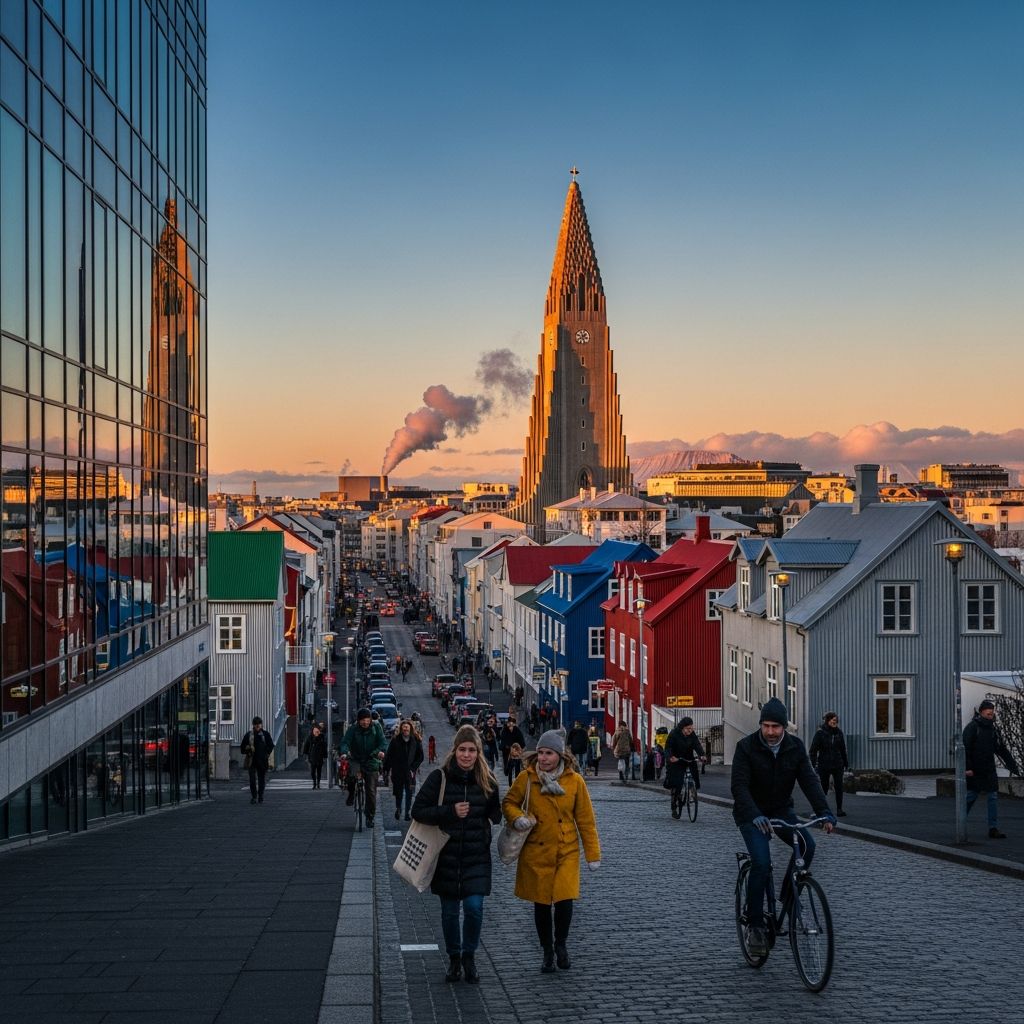
Reykjavík, Iceland’s compact and creative capital, has become a magnet for professionals seeking a blend of ambitious careers, progressive workplaces, and access to wild nature just beyond the city limits. While the city is small by global standards, its influence on the country’s economy, culture, and innovation is outsized.
This guide offers a detailed, original look at what it means to work and build a career in Reykjavík today: which sectors are hiring, what work culture feels like, how to navigate practical issues such as housing and cost of living, and how international talent can integrate into the local job market.
Why Reykjavík Attracts Professionals
Reykjavík is the largest labor market in Iceland and the primary hub for knowledge work, public services, and creative industries. Its appeal goes beyond jobs alone and includes a broader package of social stability, safety, and quality of life.
- High employment and low unemployment: Iceland has historically maintained low unemployment rates, supported by a diversified and stable economy.
- Strong public services: Residents benefit from robust public healthcare and education systems, which underpin long-term career planning and family life.
- Focus on sustainability: Reykjavík’s economy is deeply connected to Iceland’s renewable energy infrastructure and wider environmental ambitions, shaping both public and private-sector roles.
- Compact city, big opportunities: Despite its modest population, Reykjavik concentrates major employers, from city institutions to tech startups and global-facing firms.
Key Industries and Career Paths in Reykjavík
Most high-skilled job opportunities in Iceland cluster in and around Reykjavík, even when roles are technically national in scope. Several sectors stand out for professionals considering a move.
1. Technology and Digital Services
IT and digital services are among the fastest-growing parts of Iceland’s economy, with a continuing shortage of qualified professionals. Reykjavík is home to startups, gaming studios, fintech companies, and software consultancies that increasingly target international markets.
- Common roles include software engineering, data analysis, DevOps, UX/UI design, product management, and cybersecurity.
- Many companies use English as a working language, particularly in export-oriented tech and startup environments.
- Remote and hybrid work arrangements are increasingly common, supported by strong digital infrastructure and policies encouraging flexible work.
2. Public Sector and City Services
The City of Reykjavík itself is one of the country’s largest employers, with around 11,000 employees distributed across education, social services, urban planning, culture, and technical departments.
- Roles span early childhood education, primary and secondary schools, welfare services, cultural institutions, transport, environmental planning, and administration.
- The municipality emphasizes professionalism, equal pay, and inclusive human resource policies, aiming to attract a diverse workforce.
3. Renewable Energy and Green Industries
Iceland’s economy is heavily shaped by renewable energy, especially geothermal and hydropower, which supply nearly all of the country’s electricity and heating needs. Reykjavík hosts national energy companies, engineering firms, and research groups that design and manage this infrastructure.
- Opportunities exist for engineers, technicians, environmental scientists, project managers, and policy experts.
- Future growth is expected in green transport, energy efficiency, and sustainable infrastructure, which are central to Iceland’s climate goals.
4. Tourism, Culture, and Hospitality
Reykjavík is the main entry point for visitors to Iceland, and tourism remains a significant employer. While many nature-based activities take place outside the city, bookings, marketing, and coordination are often run from capital-area offices.
- Jobs range from hotel operations, restaurants, and guided tours to marketing, travel planning, and experience design.
- Demand for multilingual staff is common; English is essential, and additional languages are a strong advantage.
5. Healthcare and Social Services
Iceland’s aging population and commitment to universal healthcare are driving demand for medical and care professionals. Reykjavík concentrates major hospitals, clinics, and specialized services.
- In-demand roles include nurses, physicians, allied health professionals, psychologists, social workers, and care workers.
- Licensing requirements and language proficiency in Icelandic are especially important in this sector.
Reykjavík Job Market Snapshot
Although detailed statistics change over time, several long-term trends shape Reykjavík’s hiring landscape.
| Aspect | Reykjavík & Iceland Overview |
|---|---|
| Overall labor market | Stable, with historically low unemployment relative to many European economies. |
| Projected new jobs | Estimates suggest around 20,000–25,000 new openings nationwide over the next decade, many centered in Reykjavík and nearby municipalities. |
| High-demand sectors | IT, renewable energy, healthcare, construction, and tourism show strong and continuing demand for skilled workers. |
| Key hiring cities | Reykjavík, Kópavogur, and Hafnarfjörður are primary hubs for professional roles and corporate headquarters. |
Work Culture: How People Work in Reykjavík
Beyond job titles and salaries, many professionals are drawn to how work is organized and experienced in Reykjavík.
Emphasis on Balance and Reasonable Hours
Work-life balance is a repeated theme in Icelandic workplaces. Employers often encourage reasonable working hours and flexibility where possible.
- Standard full-time schedules are common, but there is ongoing public discussion and experimentation around shorter working weeks and better use of time.
- Annual leave entitlements and parental leave policies are comparatively generous by international standards, supporting family life and personal time.
Equality and Diversity as Policy Goals
Iceland is frequently cited for its gender equality efforts, including legislation and policies targeting wage equality and fair treatment at work.
- Employers, particularly public-sector institutions like the City of Reykjavík, operate formal equal pay systems and policies, with explicit goals to eliminate gender-based wage gaps.
- Diversity, inclusion, and accessibility are increasingly visible in recruitment strategies and HR policies.
Flat Structures and Informal Communication
Many workplaces in Reykjavík, especially smaller companies and startups, operate with relatively flat hierarchies and informal communication styles.
- Managers are often accessible and expect open feedback.
- Collaboration, teamwork, and shared decision-making are common expectations rather than exceptions.
Cost of Living and Housing Considerations
Living in Reykjavík offers a high quality of life but also involves higher-than-average costs, particularly for housing.
Cost of Daily Life
Prices for food, services, and consumer goods are generally higher than in many countries due to Iceland’s geography and import reliance. However, salaries and social protections are structured to offset some of these pressures, and public services reduce out-of-pocket spending on health and education.
Housing Market
The housing market around Reykjavík has experienced persistent demand, leading to rising prices and tight availability.
- Central neighborhoods command premium rents and sale prices.
- Outlying districts and nearby municipalities can offer more affordable options, especially for families or those willing to commute.
- Planning ahead, being flexible on exact location, and considering shared housing can ease the transition for newcomers.
Pathways for International Professionals
Because Iceland’s population is small, the country often turns to international professionals to meet skill shortages in key sectors. Reykjavík is typically the entry point for these roles, whether in tech, healthcare, engineering, or research.
Skills That Stand Out
Employers in Reykjavík value a combination of technical expertise and soft skills.
- Technical skills: IT and software development, engineering disciplines, healthcare qualifications, construction and skilled trades, and experience in tourism or hospitality management are in demand.
- Soft skills: Problem solving, adaptability, teamwork, digital literacy, and communication are highly sought across industries.
- Language: English proficiency is important in most professional roles; Icelandic becomes more critical in public-facing or regulated occupations such as healthcare and education.
Job Search Channels
International candidates can access the Reykjavík job market through several routes.
- National job platforms and official employment portals that list vacancies across sectors.
- Company career pages, especially for larger employers in energy, technology, and public services.
- Networking through professional associations, conferences, and local meetups in fields like tech, design, and research.
Adapting to Life in Reykjavík
Settling into Reykjavík involves more than securing a job. The city’s scale, climate, and social norms can be both rewarding and challenging for newcomers.
- Climate: Winters are dark and can be stormy, while summers are bright and relatively mild. Many residents emphasize the importance of outdoor activities and social routines to stay energized through seasonal changes.
- Transport: The city is manageable without a car for many people, thanks to compact neighborhoods and public transport, though driving is useful for exploring the countryside.
- Community: Reykjavík’s cultural life—festivals, music, literature, and design—creates many entry points for building networks and friendships.
Tips for Building a Long-Term Career in Reykjavík
Professionals who thrive in Reykjavík often approach their careers with flexibility and a long-term view.
- Be open to lateral moves: In a small market, gaining experience across roles or sectors can be as valuable as rapid promotion.
- Invest in language learning: Even when a role is English-speaking, learning Icelandic can deepen relationships and expand future opportunities.
- Use public programs: Keep an eye on initiatives supporting startups, innovation, and professional development, which can open new pathways over time.
- Balance city and nature: Many residents highlight that Reykjavík’s greatest advantage is access to both urban amenities and dramatic landscapes, contributing to long-term wellbeing.
Frequently Asked Questions About Working in Reykjavík
Q: Is Reykjavík a good place for an international professional to find work?
A: Yes. Iceland’s small domestic workforce means employers regularly look abroad to fill skill gaps, particularly in IT, renewable energy, healthcare, construction, and tourism. Most of these opportunities are concentrated in and around Reykjavík, which acts as the country’s primary economic hub.
Q: Do I need to speak Icelandic to work in Reykjavík?
A: For many roles in tech, some private-sector companies, and international-facing organizations, strong English skills can be enough to start. However, Icelandic is often required for public-sector positions, healthcare, education, and roles involving direct service to residents. Learning the language over time significantly improves integration and long-term prospects.
Q: How competitive is the job market?
A: Demand is high in key sectors, but the market is also small, which can make specific positions competitive. Candidates with targeted skills, relevant experience, and the ability to adapt to a small, collaborative environment tend to stand out. Forecasts of 20,000–25,000 new openings over the next decade suggest continued opportunities for qualified workers.
Q: What is the work-life balance like in Reykjavík?
A: Work-life balance is a major cultural value. Public policies on parental leave, working hours, and equal pay support this, and many employers offer flexible arrangements. At the same time, expectations around responsibility and independence at work are high, reflecting trust-based management styles.
Q: Is Reykjavík affordable for new arrivals?
A: The cost of living, particularly housing, is high relative to many other countries, and new arrivals should plan carefully. However, salaries in high-skill sectors, social services, and a strong safety net help balance these costs. Choosing neighborhoods outside the most central areas and sharing housing are common strategies to make the first years more affordable.
References
- Employment and human resources — City of Reykjavík. 2024-01-15. https://reykjavik.is/en/employment-and-human-resources
- Iceland Job Market 2025: Outlook, Skills & Top Careers — Y-Axis. 2024-06-10. https://www.y-axis.com/job-outlook/iceland/
- Job hunting — Work in Iceland (Directorate of Labour & Promote Iceland). 2023-11-02. https://work.iceland.is/working/job-hunting/
- The Icelandic labour market in September 2025 — Directorate of Labour. 2025-10-01. https://island.is/en/o/directorate-of-labour/news/skrad-atvinnuleysi-i-september-var-3-5
- Work in Iceland: Requirements and opportunities — Holafly. 2024-03-18. https://esim.holafly.com/expats/work-iceland/
- Getting a Job in Tech in Iceland in 2025: The Complete Guide — Nucamp. 2024-07-05. https://www.nucamp.co/blog/coding-bootcamp-iceland-isl-getting-a-job-in-tech-in-iceland-in-2025-the-complete-guide

Medha Deb is an editor with a master's degree in Applied Linguistics from the University of Hyderabad. She believes that her qualification has helped her develop a deep understanding of language and its application in various contexts. Medha specializes in the areas of beauty, health, sports, and wellness and is committed to ensuring that the content on the website is…