
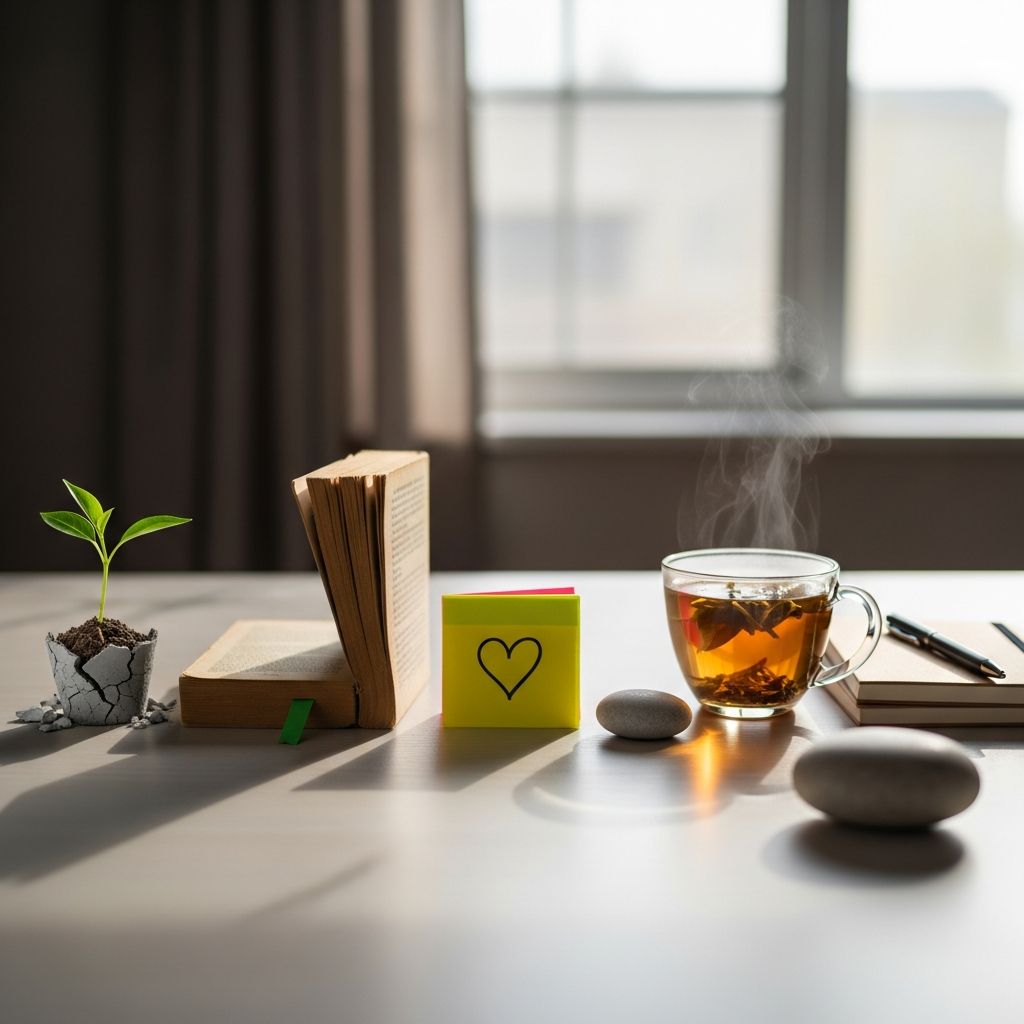
You do not need a dramatic life overhaul to feel better. Evidence from psychology and health research shows that small, consistent actions create outsized long-term results by compounding over time.
This guide gathers practical micro-habits you can slip into an ordinary day without burning out. Use it as a menu: pick a few ideas, test them for a week, and keep what works.
Why Tiny Adjustments Beat Huge Resolutions
Big resolutions often fail because they demand too much willpower at once. Health organizations and behavior researchers recommend gradual, realistic changes instead of extreme shifts.
| Big Resolutions | Small Tweaks |
|---|---|
| “I will run every morning for an hour.” | “I will walk for 10 minutes after dinner.” |
| “I will cut all sugar forever.” | “I will swap one sugary drink for water each day.” |
| “I will completely reorganize my life this weekend.” | “I will clear one drawer or folder today.” |
Starting small matters because:
- Consistency beats intensity for long-term health and habit change.
- Success builds motivation: every small win proves you can follow through, making the next step easier.
- Lower friction: tiny steps are easier to start, even on stressful days.
Body: Micro-Habits for Energy and Health
You do not need a gym membership or a perfect diet to feel a real difference. Start by adjusting what you do most days.
1. Move a Little More Than Yesterday
Even brief bouts of movement improve mood, sleep and long-term health when they add up over the week.
Try one of these low-bar actions:
- Walk for 10 minutes after a meal.
- Take the stairs for one floor instead of the elevator.
- Stand or pace during one phone call a day.
- Do 10 squats or push-ups during a TV commercial or between episodes.
Health guidelines emphasize that every bit of movement counts; short episodes across the day can still provide cardiovascular and metabolic benefits.
2. Upgrade One Daily Food Choice
Nutrition experts encourage adding healthier options rather than only restricting foods.
Simple daily upgrades include:
- Add one fruit or vegetable to each meal.
- Swap one snack of chips or candy for yogurt, nuts, or fruit.
- Choose a side salad instead of fries once per day.
- Try one new vegetable each week to expand what you enjoy.
3. Stop Drinking So Many Calories
Sugary drinks are a major source of added sugar and extra calories, and cutting back can improve weight, blood sugar and dental health.
Start tiny:
- Begin the day with one glass of water before any other drink.
- Replace one soda or sweetened drink per day with water or unsweetened tea.
- Use half the sugar you normally put in coffee or tea, then gradually reduce further.
- Flavor water with lemon, mint or a splash of juice instead of using full-sugar beverages.
4. Protect Your Sleep with One Simple Boundary
Insufficient sleep is linked to reduced productivity, mood problems, and increased health risks, while adults generally need about 7 or more hours per night.
Choose just one adjustment to test this week:
- Set a fixed lights-out time and protect the 30 minutes before it.
- Charge your phone outside the bedroom or beyond arm’s reach.
- Avoid caffeine in the late afternoon and evening.
- Create a 10-minute wind-down routine: stretch, dim lights, or read a paper book.
Mind: Subtle Shifts for Focus and Calm
Your mental bandwidth is limited. Guarding it with small structural changes can reduce friction and stress.
5. Plan Your Next Day in Five Minutes
Instead of waking up to chaos, use the last few minutes of your workday or evening to define the next step for tomorrow.
In a notebook, app, or sticky note, quickly list:
- One most important task for tomorrow.
- Two or three supporting tasks that would make the day feel successful.
- Any appointment times you must not miss.
This tiny ritual limits morning decision fatigue and helps you start on purpose instead of reacting.
6. Work in Focused Sprints, Not Endless Marathons
Research on attention suggests people struggle to maintain intense concentration for long periods, and strategic breaks can sustain performance and reduce mental fatigue.
Try a simple pattern:
- Set a timer for 25 minutes of focused work on one task.
- Take a 5-minute break away from screens: stretch, walk, breathe.
- Repeat 3–4 times, then take a longer pause.
Adjust the numbers as needed; the key is protecting short, distraction-free blocks.
7. Reduce One Source of Digital Noise
Constant notifications fragment attention and are linked with higher stress and lower productivity in workplace studies.
Pick one quick win:
- Turn off non-essential notifications (news, promotions, social apps).
- Move distracting apps off your home screen.
- Use “Do Not Disturb” for the first and last 30 minutes of your workday.
- Designate two specific times daily to check email instead of monitoring it constantly.
8. Install Micro-Pauses for Your Mind
Brief mindfulness practices can reduce stress and improve emotional regulation, even in short daily sessions.
Examples of micro-pauses:
- Take three slow breaths before responding to a stressful message.
- During handwashing, quietly notice the temperature and feel of the water.
- Before opening your laptop, ask: “What matters most in the next hour?”
Environment: Make Your Space Work For You
Environment often beats willpower. By adjusting your surroundings, you make the healthy or productive choice the easy one.
9. Put Essentials Where You Actually Use Them
Look for friction points in your routine and move items closer to where they are needed.
Small environmental tricks:
- Keep a basket by the door for keys, wallet, and headphones.
- Store frequently used cleaning supplies on each floor to make quick tidying easier.
- Place a reusable water bottle on your desk as a visual cue to hydrate.
- Keep workout shoes next to the couch so an evening walk requires no searching.
10. Declutter in 10-Minute Bursts
You do not need to empty your entire closet in one weekend. Short, focused tidying sessions can steadily restore order.
Try this approach:
- Set a 10-minute timer.
- Choose one tiny zone: a drawer, one shelf, or your bag.
- Remove obvious trash, items to donate, and things that belong elsewhere.
Stopping after 10 minutes keeps decluttering from becoming overwhelming while still moving you forward.
11. Use Visual Reminders for New Habits
Behavioral research highlights the power of cues: simple triggers that remind you to act.
Ideas for subtle cues:
- Place a sticky note by the door listing what you must bring each morning.
- Leave your journal open on your pillow so you see it before bed.
- Put fruit at eye level in the fridge and less healthy snacks out of immediate sight.
Relationships: Gentle Upgrades to Everyday Interactions
Relationships often improve not through grand gestures, but through small, repeated signals of care and attention.
12. Add One Intentional Check-In
Short, regular check-ins can strengthen connection and prevent small issues from growing.
Pick one pattern:
- Ask your partner or housemate: “What was one good part and one hard part of your day?”
- Send one encouraging message each day to a friend or family member.
- During a shared meal, keep phones off the table to allow full presence.
13. Practice Micro-Expressions of Gratitude
Positive psychology research links gratitude with greater well-being and relationship satisfaction.
Keep it simple and specific:
- Say one genuine “thank you” each day for something small but concrete.
- Write one sentence in a notebook about something you appreciated today.
- Tell a colleague why their contribution helped you.
14. Listen 10% Longer Than You Want To
Good listening deepens trust. Instead of jumping in with advice or your own story, wait a little longer.
During one conversation today:
- Let the other person finish completely before responding.
- Ask one follow-up question such as, “What do you think you’ll do next?”
- Reflect back what you heard in one sentence to show you understood.
Self-Respect: How You Talk to Yourself
The way you speak to yourself shapes how you feel and what you attempt. Subtle language shifts can reduce self-sabotage.
15. Replace Harsh Self-Talk with Neutral Observations
Constant self-criticism is associated with higher stress and symptoms of anxiety and depression, whereas self-compassion supports resilience.
Try these micro-adjustments:
- Swap “I’m terrible at this” for “I’m still learning this skill.”
- When you notice a mistake, ask: “What can I learn from this for next time?”
- Talk to yourself as you would to a friend who is trying something difficult.
16. Celebrate Tiny Wins Out Loud
Reinforcing small wins helps your brain notice progress, which increases motivation to continue.
At the end of the day, quickly note:
- One thing you completed.
- One thing you handled better than before.
- One step (however small) that moved you toward a meaningful goal.
Putting It All Together: A Sample “Micro-Change” Day
You do not need to adopt every idea at once. To see how gentle this approach can be, here is a sample day built from the habits above.
- Morning
Drink a glass of water upon waking. Write down today’s top task on a small note. Turn off nonessential notifications until you finish the first focused work block. - Midday
Take a 10-minute walk after lunch. During one conversation, listen a little longer and ask a follow-up question. - Afternoon
Work in a 25-minute focus sprint, then take a 5-minute movement or breathing break. Swap one sugary snack for fruit, yogurt, or nuts. - Evening
Do a 10-minute tidy of one small area. Share one thing you appreciated with someone you live or work with. - Before Bed
Briefly plan tomorrow’s main task. Capture three tiny wins in a notebook. Protect a short, calm pre-sleep routine with devices set aside.
Choose two or three starting points that feel easiest. Once they become automatic, layer in another small change.
Frequently Asked Questions (FAQs)
Q: How many small habits should I start with at once?
A: Begin with one to three simple changes. Starting with fewer habits increases the chances you will stick with them, and success with early habits makes later ones much easier to adopt.
Q: How long does it take for a small change to become automatic?
A: Studies suggest it can take anywhere from a few weeks to a few months for a behavior to feel more automatic, depending on its difficulty and how consistently you practice it. Focus less on the exact timeline and more on repeating the action on most days.
Q: What if I miss a day and break my new habit?
A: Missing a day is normal and does not erase your progress. Treat it as neutral information, adjust your environment or reminder system if needed, and simply resume the habit at the next opportunity instead of waiting for a new week or month.
Q: How do I know which small changes will matter most?
A: Look for areas where you feel the most friction: low energy, constant rushing, clutter, or strained communication. Choose one change that slightly reduces that friction every day, and watch whether your mood, stress level, or productivity improves over the next two weeks.
Q: Can tiny changes really improve my health?
A: Yes. Health organizations and clinical programs emphasize that small steps, such as more walking, better sleep routines, and modest dietary improvements, can significantly impact long-term health when maintained over time.
References
- Digital distraction at work — American Psychological Association. 2023-04-05. https://www.apa.org/monitor/2023/04/digital-distraction
- Mindfulness-based stress reduction and health benefits: A meta-analysis — Grossman P. et al., Journal of Psychosomatic Research. 2004-07-01. https://doi.org/10.1016/S0022-3999(03)00573-7
- 6 Small Lifestyle Changes That Can Lead to Big Results — Nebraska Methodist Health System / BestCare. 2021-02-01. https://bestcare.org/news/6-small-lifestyle-changes-can-lead-big-results
- Gratitude and well-being: A review and theoretical integration — Wood A.M. et al., Clinical Psychology Review. 2010-11-01. https://doi.org/10.1016/j.cpr.2010.03.005
- Small Steps to Transition into a Healthier Lifestyle — Stony Brook Medicine. 2023-06-15. https://health.stonybrookmedicine.edu/small-steps-to-transition-into-a-healthier-lifestyle/
- How Sleep Affects Your Health — Centers for Disease Control and Prevention. 2024-02-01. https://www.cdc.gov/sleep/about_sleep/sleep_hygiene.html

- Integrated M.A. in Applied Linguistics, University of Hyderabad
- 5+ years in editorial, instructional, SEO, and research-based writing
Sneha is a relationships and lifestyle writer with a strong foundation in applied linguistics and certified training in relationship coaching. She brings over five years of writing experience to theskillvault, crafting thoughtful, research-driven content that empowers readers to build healthier relationships, boost emotional well-being, and embrace holistic living. Her writing and insights reflect the belief that beauty, happiness, and wellness…