
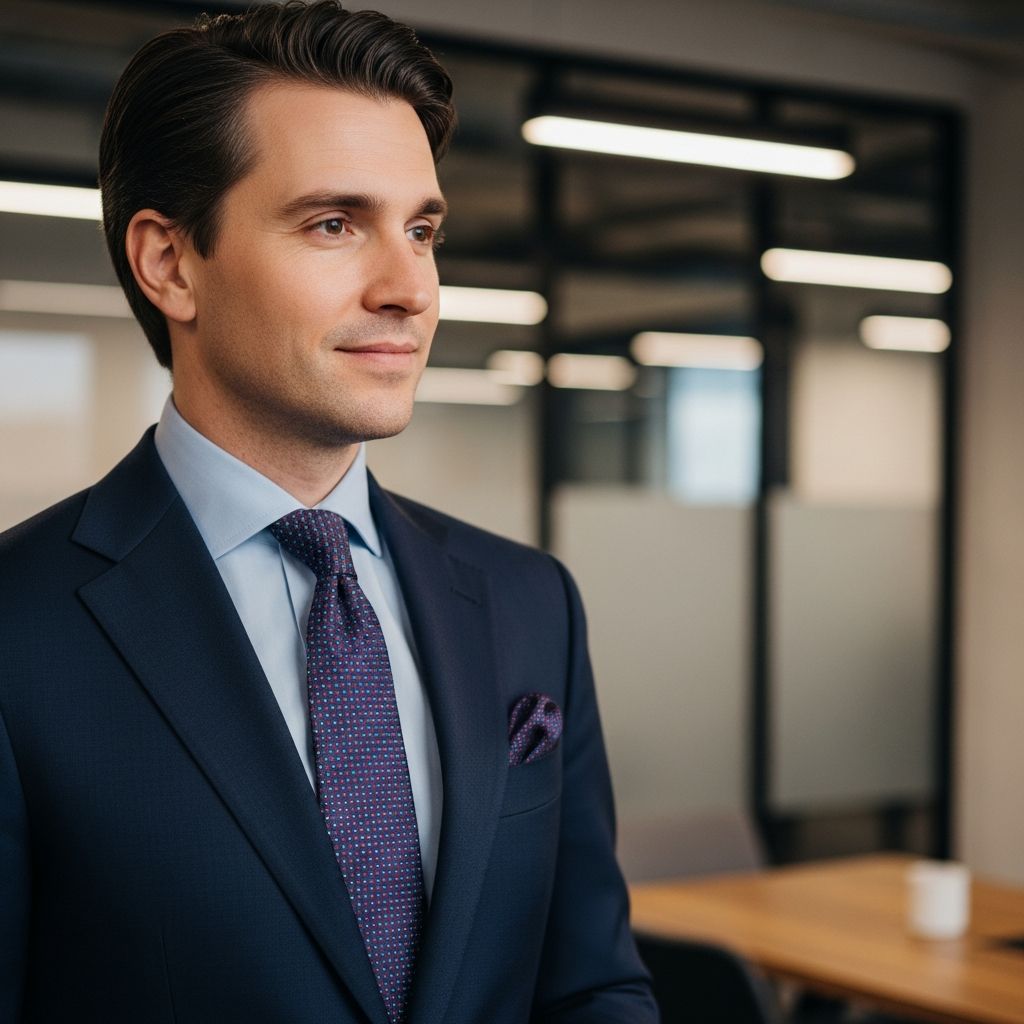
Understanding the Importance of Interview Attire Evolution
Advancing to a second interview represents a significant milestone in your job search journey. The hiring team has identified you as a viable candidate worthy of deeper evaluation. However, this progression also introduces new considerations regarding your appearance and professional presentation. While your first interview focused on establishing initial credibility and demonstrating your qualifications, your second interview demands a refinement of your approach. This includes thoughtful decisions about what you wear, which serves as a non-verbal communication tool throughout your interaction with potential employers.
The question of whether you can repeat the same clothing to a second interview touches on fundamental professional etiquette and the psychology of impression management. Understanding the reasoning behind dress code expectations helps you make informed decisions that align with industry norms and organizational culture.
The Case for Wardrobe Variation
Business conventions establish expectations that candidates should present different outfits across multiple interview rounds. This principle stems from several practical and psychological considerations. First, when you meet with the same hiring panel or different decision-makers on consecutive occasions, repeating identical clothing creates a perception of limited professional wardrobe or lack of preparation. Hiring managers often interpret clothing choices as reflections of your attention to detail and commitment to the opportunity.
Second, varying your appearance demonstrates adaptability and thoughtfulness. It signals that you recognize the significance of each separate interview occasion and have invested effort into preparing appropriately for each distinct interaction. This distinction becomes particularly important when you’re meeting with different departments, team members, or interviewers who may not have seen you previously.
Additionally, repeating the exact same outfit can inadvertently trigger a sense of monotony. When interviewers see you in identical clothing across meetings separated by days or weeks, it may subconsciously reduce the memorability of your candidacy. Fresh presentation choices help reinforce your professional image and create distinct mental associations with each interview stage.
Assessing Your Specific Industry Context
The appropriateness of outfit repetition varies significantly across different professional sectors and organizational cultures. Corporate environments with formal dress codes typically expect candidates to maintain formal business attire throughout the interview process. However, the distinction often lies in varying the components of your outfit rather than abandoning formality entirely.
In creative industries, technology companies, or casual-forward organizations, the dress code expectations may be considerably more relaxed. Some of these environments explicitly communicate that business casual or even smart casual attire is acceptable for interviews. Understanding where your target company falls on this spectrum provides crucial guidance for your wardrobe decisions.
The nature of the position also influences appropriate dress. Executive-level or client-facing roles typically demand more formal, consistent professional presentation throughout the interview process. Entry-level positions or internal-focused roles may offer more flexibility in how you approach successive interview outfits.
Strategic Outfit Modification Techniques
If you find yourself with limited professional wardrobe options, strategic modification of your existing pieces provides an effective solution. Rather than viewing your single suit or professional ensemble as a liability, consider how you can refresh its appearance through thoughtful accessorizing and component variation.
Changing your shirt or blouse between interviews creates immediate visual distinction while maintaining the professional framework of your primary suit. This approach works particularly well when your first and second interviews occur several days apart, as the time gap reduces the likelihood of overlap in the interviewer’s memory.
Your choice of tie, scarf, or other neckwear offers another avenue for variation. These accessories dramatically transform the visual impression of a suit without requiring an entirely new outfit. Similarly, adjusting your jewelry, shoes, or handbag between interviews provides subtle but meaningful differentiation.
Layering options present additional flexibility. If you wore a suit jacket in your first interview, you might pair the same trousers or skirt with a different blazer or structured cardigan for your second appearance. This maintains professional coherence while demonstrating outfit diversity.
Practical Considerations for Multiple Interview Days
Some candidates face the specific challenge of multiple interview rounds scheduled on the same day or consecutive days. This circumstance presents genuine practical constraints that hiring managers often understand. When you’re participating in several interviews within a brief timeframe—such as morning and afternoon sessions or consecutive days—the expectation becomes less rigid about complete outfit changes.
In these scenarios, changing your shirt and adjusting accessories between sessions provides sufficient variation. The compressed timeline makes it implausible that you would have multiple completely different outfits available, and professional etiquette acknowledges this reality. However, demonstrating effort toward variation still matters for the reasons outlined above.
When interviews span multiple days, your opportunity for more substantial outfit changes increases. Wearing different suits, if available, or shifting from formal to business casual attire (where appropriate) becomes a realistic expectation between Day 1 and Day 2 sessions.
Navigating Limited Wardrobe Resources
Budget constraints represent a legitimate barrier to maintaining multiple formal outfits. If you’re a student, recent graduate, or someone with limited financial resources, acknowledging this reality while still demonstrating professionalism is important. Rather than allowing wardrobe limitations to dictate your approach, focus on maximizing variation through strategic accessory choices and component modification.
Consider borrowing professional clothing from friends or family members who wear similar sizes. Many people recognize the importance of interview preparation and willingly support candidates by lending pieces. This approach expands your effective wardrobe without financial investment.
Rental services for formal clothing provide another option for candidates preparing for multiple interview rounds. These services offer professional-quality suits and separates at a fraction of purchase prices, making them accessible for temporary interview needs.
If you’re genuinely unable to present outfit variation, honesty paired with maximum effort becomes your strategy. Ensure that the single outfit you wear is impeccably maintained, perfectly fitted, and thoroughly cleaned between appearances. Quality presentation of limited options supersedes attempting to stretch inadequate clothing across multiple occasions.
The Psychology Behind First Impressions Across Multiple Meetings
Research in impression management demonstrates that varied presentation reinforces perceptions of competence and conscientiousness. When you demonstrate awareness that each interview represents a distinct occasion worthy of individual preparation, you communicate respect for the organization’s time and process.
Conversely, identical presentations across multiple meetings can create unintended implications. Interviewers might wonder whether you only own one professional outfit, whether you lack attention to professional norms, or whether you’re simply not investing significant effort into this particular opportunity.
The consistency of professional quality remains paramount, however. Varying your outfit should never mean compromising on fit, cleanliness, or appropriateness. A slightly different but poorly fitting second outfit creates worse impressions than modest variation of a well-maintained single ensemble.
Communicating Through Your Appearance Choices
Your wardrobe decisions throughout the interview process tell a story about your professionalism, self-awareness, and commitment. Each outfit choice represents an opportunity to reinforce your candidacy or inadvertently undermine it. When you present varied, appropriate attire across interview stages, you communicate that you take the process seriously and respect the organization’s investment in evaluating your fit.
Additionally, your appearance consistency should remain within professional parameters. While varying your outfit, ensure that each iteration maintains appropriate formality for the organization and industry. Shifting from formal business wear to excessively casual clothing between interviews creates confusion about your understanding of professional norms.
The details of your presentation matter as much as the broad outfit choices. Ensure that whatever combination you select features clean, pressed clothing, appropriate grooming, and polished accessories. These elements communicate attention to detail that transcends specific outfit changes.
Planning Your Second Interview Wardrobe
Begin your interview preparation by researching your target company’s dress code expectations. Many organizations provide explicit guidance about appropriate attire. If unclear, contact the hiring coordinator or recruiter to ask what dress code to anticipate. This directness demonstrates professionalism and prevents awkward wardrobe missteps.
Once you understand expectations, plan your outfits strategically. If you have access to multiple professional pieces, select complementary combinations that create distinct visual impressions. Ensure each outfit option meets the formality level your research indicates.
Prepare your selected outfits in advance of interview dates. Launder and press all items, ensuring they’re ready for wear. Confirm that shoes are polished, accessories are clean, and everything fits appropriately. This preparation prevents last-minute scrambling that compromises your presentation quality.
Special Circumstances and Exceptions
Certain situations warrant modified expectations regarding outfit repetition. If your second interview includes facility tours or physically demanding activities, you might need to prioritize comfort and practicality over strict dress code adherence. In these cases, business casual separates may be more appropriate than formal suits, even if your first interview featured formal attire.
Similarly, if your second interview takes place in an informal setting such as a coffee shop or casual office environment, the expectations shift accordingly. The organization itself signals appropriate dress through its venue and culture choices, and you should calibrate your wardrobe accordingly.
When traveling to interview locations far from home, the practical realities of luggage and packing may legitimately constrain your wardrobe options. In these cases, thoughtful variation through accessories and component changes becomes even more valuable, as transporting multiple complete outfits becomes impractical.
Frequently Asked Questions About Second Interview Attire
Q: Is it absolutely unacceptable to wear the same suit twice to consecutive interviews?
A: While professional conventions suggest varying your outfit, genuinely constrained circumstances may make this impractical. If you must repeat clothing, minimize impact through changing your shirt, accessories, and grooming elements. Quality presentation of limited options surpasses poor presentation of multiple outfits.
Q: What if I’m interviewing at a very casual company that explicitly said \”wear whatever\”?
A: Even in casual environments, maintaining professional presentation across interview stages demonstrates respect for the process. You can interpret casual guidance more liberally while still presenting clean, well-fitted, thoughtfully coordinated clothing.
Q: Should I wear the same outfit if my second interview is with completely different people?
A: Even when meeting different interviewers, varying your outfit demonstrates professional awareness. Different team members may discuss your candidacy, and presenting different outfits across meetings reinforces your professionalism regardless of who you’re meeting.
Q: Can I wear business casual to a second interview if I wore a suit to the first?
A: This depends entirely on your industry and organization’s culture. In formal corporate environments, maintain suit-level formality throughout. In casual-forward industries, the organization’s explicit guidance should determine your approach.
Q: What if financial constraints genuinely prevent me from accessing multiple outfits?
A: Maximize variation through accessories, different shirts, and grooming changes. Consider borrowing from friends, exploring rental services, or thrift shopping for affordable second options. If none are viable, ensure your single outfit is impeccably maintained and presented.
References
- Ask a Manager: Can I Wear the Same Clothes to a Second Interview? — Alison Green. 2012-06-20. https://www.askamanager.org/2012/06/can-i-wear-the-same-clothes-to-a-second-interview.html
- Looks That Land the Job: What to Wear to (Any!) Interview — The Muse. https://www.themuse.com/advice/looks-that-land-the-job-what-to-wear-to-any-interview/
- Professional Interview Attire Guidance — UNC Career Center. 2013-11-18. https://uncccareer.wordpress.com/2013/11/18/q-i-have-a-second-interview-what-do-i-wear/

- Integrated M.A. in Applied Linguistics, University of Hyderabad
- 5+ years in editorial, instructional, SEO, and research-based writing
Sneha is a relationships and lifestyle writer with a strong foundation in applied linguistics and certified training in relationship coaching. She brings over five years of writing experience to theskillvault, crafting thoughtful, research-driven content that empowers readers to build healthier relationships, boost emotional well-being, and embrace holistic living. Her writing and insights reflect the belief that beauty, happiness, and wellness…