
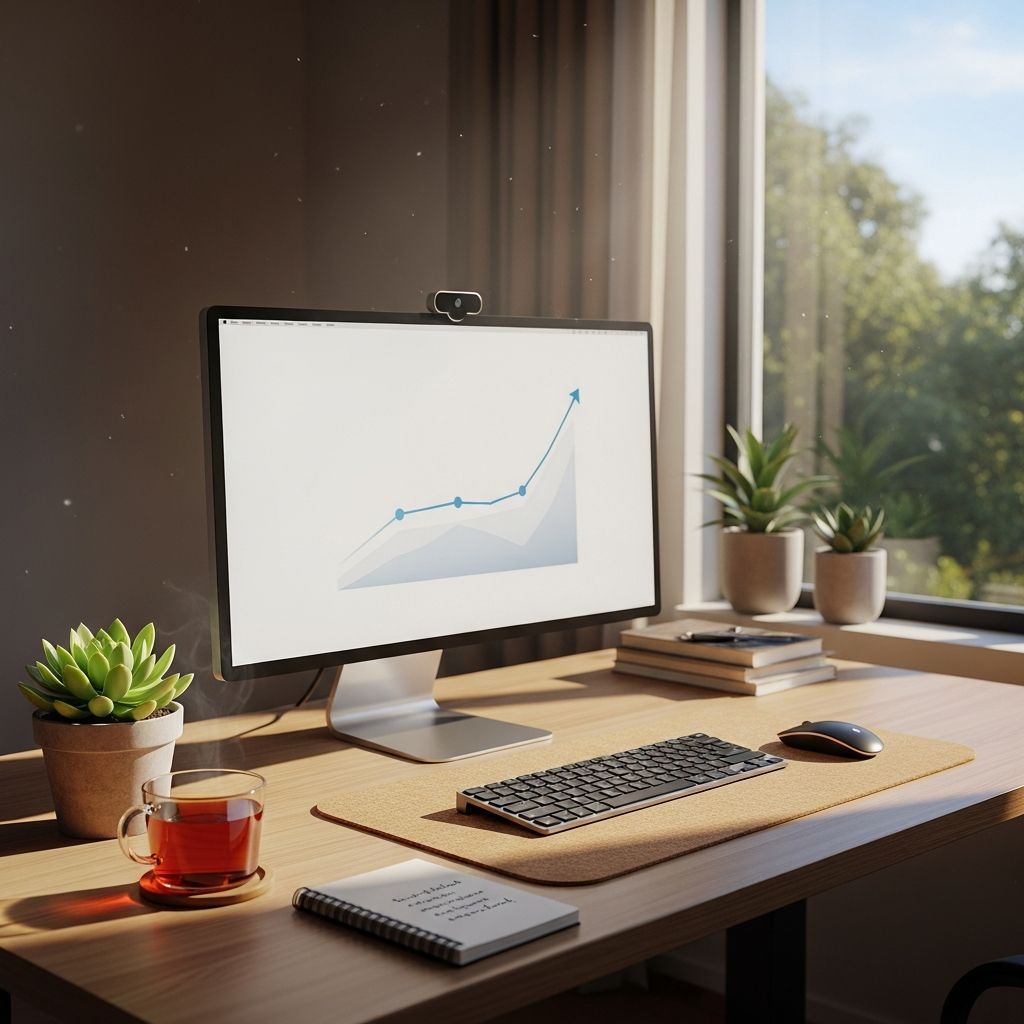
Modern work often feels like a never-ending sprint: more meetings, more notifications, and more pressure to move faster. Yet research and lived experience both show that constant acceleration rarely leads to our best work. Instead, the people who produce consistently strong results tend to work smarter, at a sustainable pace, with deliberate focus and meaningful rest.
This approach is sometimes called slow productivity: doing fewer things, more intentionally, so you can achieve better outcomes without sacrificing your health and life outside of work.
What Slow Productivity Really Means
Slow productivity is not about being lazy or avoiding effort. It is about deliberate effort applied to the right work, at the right time, with enough space to think.
In practice, slow productivity usually includes:
- Depth over speed – prioritizing high-quality output instead of racing to finish as many tasks as possible.
- Focused attention – protecting stretches of time for deep work rather than constant multitasking.
- Intentional rest – using breaks, sleep, and downtime to maintain long-term performance and creativity.
- Boundaries – limiting unnecessary commitments, meetings, and requests that don’t support your core goals.
- Sustainability – choosing work rhythms that you could realistically maintain for months or years, not just a single intense week.
Viewed this way, slow productivity is less a time-management trick and more a mindset shift: instead of asking, “How can I get more done today?” you ask, “What is the best use of my time and attention right now?”
Why Constant Hustle Backfires
Many workplaces still reward visible busyness: long hours, full calendars, and instant replies. But chronic overwork has well-documented downsides for both people and organizations.
- Burnout risk rises when workloads are consistently high, control is low, and recovery is limited. The World Health Organization recognizes burnout as an occupational phenomenon linked to chronic workplace stress.
- Quality drops when people are exhausted. Studies show that sleep deprivation reduces attention, decision-making quality, and complex problem-solving ability.
- Multitasking hurts performance. Research indicates that switching between tasks can significantly reduce efficiency and increase errors, even when people feel busy and productive.
- Creativity shrinks when every minute is filled. Insight and innovation often arise when the mind has space to wander, not when every moment is scheduled.
Slow productivity directly addresses these problems by making space for focused effort and genuine recovery instead of nonstop output.
Principles of Working Smarter at a Slower Pace
To practice slow productivity, it helps to anchor your workday in a few guiding principles. These don’t require a new job or dramatic life change; they are small, consistent shifts in how you approach your time and tasks.
1. Protect Focus Like a Limited Resource
Your ability to concentrate deeply is one of your most valuable assets, but it is finite. Treat it as such.
- Schedule one to three deep-focus blocks per day for your most important work.
- Silence nonessential notifications and close unrelated tabs during these blocks.
- Let colleagues know your focus times so they can plan around them when possible.
Even a single 60–90 minute block of deep work can move a complex project further than hours of fragmented attention.
2. Do Less, But Finish More
Slow productivity favors completion over accumulation. Instead of juggling ten unfinished priorities, choose a small number and commit to moving them across the finish line.
- Each morning, identify the 1–3 outcomes that would make the day successful.
- Break large projects into steps you can realistically complete in one sitting.
- Say “not now” to tasks that are nice-to-have but not essential this week.
This approach aligns with research on goal-setting and performance: clear, specific targets help you focus effort where it matters most.
3. Match Work to Your Natural Energy
Most people have predictable energy patterns across the day. Working smarter means aligning demanding tasks with your peak focus windows and saving lighter work for lower-energy times.
| Time of Day | Common Energy Level | Best-Suited Work |
|---|---|---|
| Morning (after waking) | Higher focus for many people | Strategic thinking, writing, problem-solving |
| Early afternoon | Energy dip is common | Routine tasks, email, admin work |
| Late afternoon | Moderate rebound | Collaboration, planning, light creative work |
Your pattern may differ, but once you notice it, you can schedule accordingly instead of forcing intense work when your brain is at its lowest.
4. Build Real Rest Into Your Workflow
Rest is not the opposite of productivity; it is a core ingredient. Research on attention and cognitive performance shows that short breaks help maintain focus and reduce fatigue over time.
- Use short 3–5 minute pauses between tasks to stretch, breathe, or briefly step away.
- Take a longer break for lunch without multitasking on email.
- Protect sleep as a non-negotiable, since it underpins memory, learning, and decision-making.
Instead of treating rest as a reward when everything is done, schedule it as part of how you get things done.
5. Design Your Environment for Calm Productivity
Slow productivity is easier when your surroundings support focus instead of constantly pulling you away.
- Keep your immediate workspace clear of unrelated papers and devices.
- Use headphones, a closed door, or a quiet corner when you need concentration.
- Batch communication: check email and chat at set times instead of reacting instantly all day.
Simple environmental tweaks can significantly reduce cognitive load, leaving more mental energy for meaningful work.
Practical Techniques to Work Smarter, Not Faster
The following techniques translate slow productivity principles into everyday habits you can apply at work or in your personal projects.
Time-Blocking for Sustainable Focus
Time-blocking means assigning specific stretches of your calendar to particular types of work. Unlike a hyper-detailed schedule, slow time-blocking builds in breathing room and protects your focus from constant interruptions.
- Create blocks for deep work, shallow tasks, collaboration, and rest.
- Leave buffer time between blocks so you can overrun slightly or recover.
- Aim for progress, not perfection; it’s normal for blocks to shift as the day evolves.
The “One Screen” Rule
Multitasking undermines accuracy and slows you down. A tangible way to resist it is the “one screen” rule:
- For any deep task, choose one main screen or document to work in.
- Keep supporting materials open only when needed, then close or minimize them.
- Resist the urge to “just check” another app until you reach a natural stopping point.
This simple constraint encourages depth instead of fragmentation.
Intentionally Slowing the First 10 Minutes
The way you begin a work block often determines its quality. Rather than diving straight into email or reactive tasks, use the first 10 minutes to slow down and set direction:
- Review what outcome you want from the block.
- List the next two or three small steps.
- Clear anything on your desk or screen that does not support that outcome.
Those few minutes of deliberate orientation can prevent an hour of scattered, unfocused effort.
Creating a Gentle Shutdown Routine
Slow productivity extends beyond working hours. A short shutdown routine helps you mentally detach from work, which supports recovery and reduces next-day stress.
- Write down open tasks and the very next step for each.
- Decide on your top priority for tomorrow.
- Close work apps and physically tidy your workspace.
Knowing that your work is captured and planned makes it easier to truly rest in the evening.
Using Technology Without Letting It Use You
Tools can either accelerate distraction or support intentional work. Slow productivity requires being selective about how you use technology.
Helpful Ways to Use Digital Tools
- Task managers to store commitments outside your head, reducing mental clutter.
- Calendars to time-block deep work and breaks.
- Automation tools to remove repetitive steps from your workflow.
- Website and app blockers to make distractions less accessible during focus blocks.
Digital Habits That Undermine Slow Work
- Leaving email or chat open all day in the background.
- Checking your phone whenever you feel stuck or bored.
- Using multiple communication channels for the same type of message.
By trimming a few unhelpful digital habits, you free time and attention for more meaningful work.
Negotiating Slow Productivity in Fast-Paced Environments
Many people worry that a slower, more deliberate approach is unrealistic in a demanding job. While you may not control every factor, you usually have more influence than you think.
- Clarify priorities with your manager so you can focus on the work that truly matters.
- Share your focus plan with teammates, such as blocks when you prefer fewer interruptions.
- Batch meetings on certain days or time windows whenever possible.
- Ask about flexibility in deadlines or scope when work volume becomes unsustainable.
Organizations increasingly recognize that chronic burnout harms productivity and retention. Framing your requests around better outcomes and more reliable performance can make slow productivity a business benefit, not a personal preference.
Frequently Asked Questions (FAQs)
Q: Is slow productivity just another word for working less?
A: Not necessarily. Slow productivity is about working with more focus and intention, not avoiding effort. You may work similar or even fewer hours, but with better concentration and less wasted motion, leading to higher-quality output.
Q: What if my job expects fast responses and constant availability?
A: Start with small boundaries you can control, such as short, protected focus blocks, clearer status messages, or batching email during certain windows. Over time, discuss priorities and realistic response times with your manager so expectations match what is sustainable.
Q: Can slow productivity work for creative roles?
A: Yes. Creative work often benefits from unhurried thinking and incubation. Alternating deep focus with genuine rest supports insight, and limiting commitments helps you bring full attention to each project.
Q: How long does it take to feel the benefits?
A: Many people notice less stress and clearer focus within a week or two of protecting deep-work blocks and adding regular breaks. Long-term benefits for well-being and performance build over months as these habits become part of your normal routine.
Q: Do I need special tools to practice slow productivity?
A: No. A basic calendar, a simple to-do list, and a willingness to set boundaries are enough to begin. Digital tools can help, but the key changes are behavioral: focusing on fewer tasks, protecting attention, and prioritizing rest.
References
- Burn-out an “occupational phenomenon”: International Classification of Diseases — World Health Organization. 2019-05-28. https://www.who.int/news/item/28-05-2019-burn-out-an-occupational-phenomenon-in-the-international-classification-of-diseases
- Sleep and work performance: Measuring and managing the impact of sleep disturbance on safety and productivity — Harvard Medical School, Division of Sleep Medicine. 2010-01-01. https://sleep.hms.harvard.edu/education-training/public-education/sleep-and-health-education-program/sleep-and-work-performance
- Why Is It So Hard to Do My Work? The Challenge of Attention Residue When Switching Between Work Tasks — Sophie Leroy, University of Washington. 2009-01-01. https://www.researchgate.net/publication/228460226_Why_Is_It_So_Hard_to_Do_My_Work_The_Challenge_of_Attention_Residue_When_Switching_Between_Work_Tasks
- The role of recovery after work in burnout processes: A meta-analysis — Sonnentag, Sabine & Fritz, Charlotte. Journal of Applied Psychology. 2007-07-01. https://doi.apa.org/doi/10.1037/0021-9010.92.3.528

- Integrated M.A. in Applied Linguistics, University of Hyderabad
- 5+ years in editorial, instructional, SEO, and research-based writing
Sneha is a relationships and lifestyle writer with a strong foundation in applied linguistics and certified training in relationship coaching. She brings over five years of writing experience to theskillvault, crafting thoughtful, research-driven content that empowers readers to build healthier relationships, boost emotional well-being, and embrace holistic living. Her writing and insights reflect the belief that beauty, happiness, and wellness…