
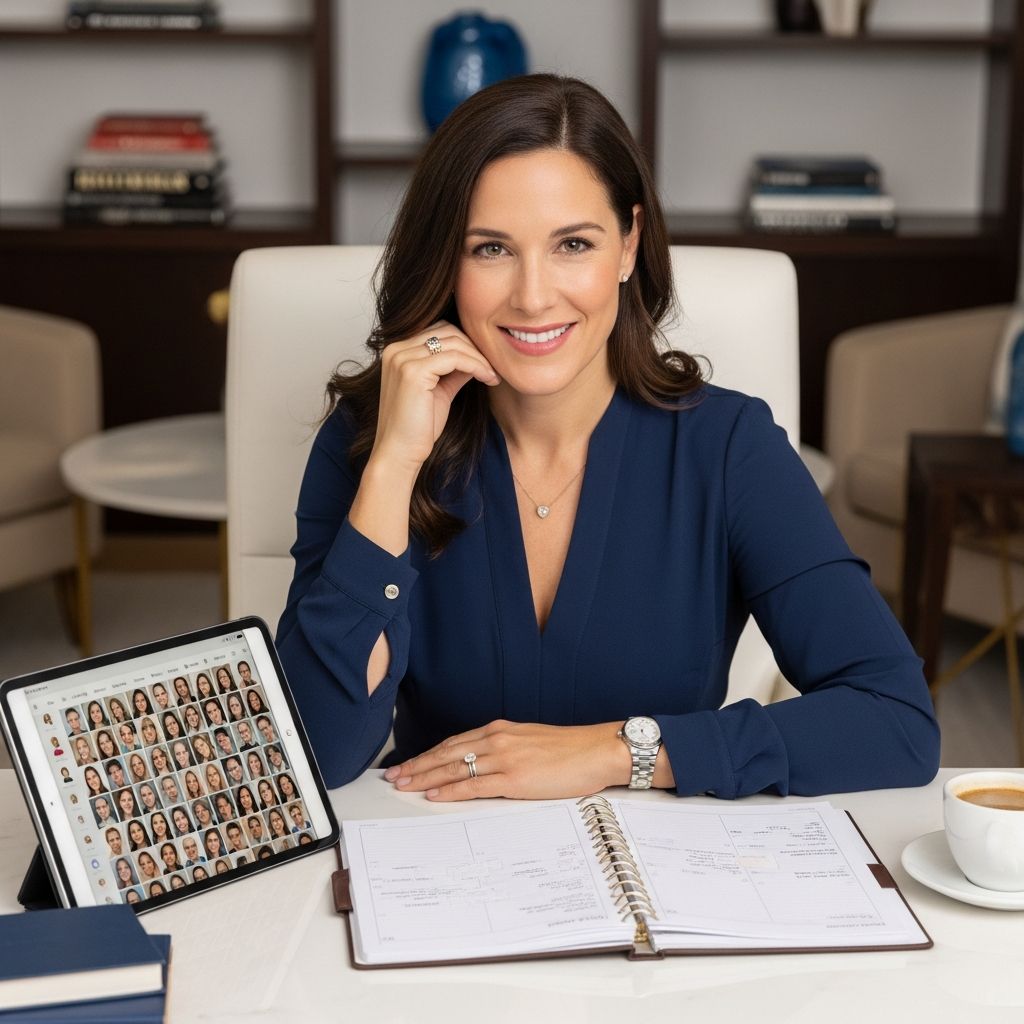
Professional matchmaking has quietly evolved from a traditional, community-based role into a sophisticated career path that blends psychology, business strategy, and deep human empathy. While dating apps dominate headlines, there is a growing demand for experts who can guide singles through the complexity of modern relationships with a more personal, curated approach.
From Traditional Role to Boutique Career
Historically, matchmakers were embedded in families, religious communities, or local networks, introducing potential partners based on shared values and social compatibility. Today, the core mission is similar—help people find meaningful relationships—but the context and tools are dramatically different.
Modern professional matchmakers:
- Operate as independent consultants, boutique agencies, or leaders within larger matchmaking firms.
- Serve highly specific client segments such as executives, divorced professionals, or seniors reentering the dating scene.
- Use structured processes, technology, personality insights, and ongoing coaching to support their clients over time.
Industry research estimates that there are thousands of matchmakers worldwide and that the global matchmaking market is worth over a billion dollars annually, with steady growth driven by changing dating norms and increasing willingness to pay for expert help.
What a Professional Matchmaker Really Does
On the surface, a matchmaker introduces people. In practice, the role is far broader, combining elements of strategist, confidant, analyst, and coach.
Core Responsibilities
- Client discovery: Conducting in-depth interviews to understand personality, history, values, and long-term relationship goals.
- Profile development: Translating complex personal stories into clear, compelling profiles for internal use and potential matches.
- Match research: Searching databases, networks, referrals, and partner agencies to identify promising candidates.
- Vetting and screening: Assessing alignment in lifestyle, readiness, expectations, and deal-breakers before any introduction is made.
- Introductions and date planning: Coordinating the logistics of first meetings, from scheduling to suggesting appropriate venues.
- Feedback and refinement: Collecting structured feedback from both parties and adjusting future matches based on patterns that emerge.
- Ongoing coaching: Helping clients improve communication, boundaries, self-awareness, and dating skills alongside the introduction process.
Emotional Labor and Discretion
Matchmaking is deeply personal work. Clients discuss their fears, heartbreaks, hopes, and desires. A successful matchmaker must:
- Maintain strict confidentiality and data privacy.
- Stay neutral while navigating rejections, mismatched expectations, and sensitive topics like age, income, or family background.
- Offer honest feedback without shaming or discouraging clients.
- Balance empathy with clear boundaries to avoid emotional burnout.
The Matchmaking Process: From Intake to Relationship
While each professional develops a unique style, most structured matchmaking processes follow several recognizable stages.
1. Initial Consultation
This is usually a detailed conversation—sometimes in person, sometimes virtual—where matchmakers evaluate whether they can genuinely help a prospective client. They explore:
- Past relationship patterns and key lessons learned.
- Deal-breakers and non-negotiable values (e.g., desire for children, religious alignment).
- Ideal partnership vision in the next 5–10 years.
- Time, financial, and emotional readiness to commit to the process.
When both sides feel aligned, the client formally enrolls, usually under a fixed-term contract lasting several months or more.
2. Deep Discovery and Assessment
Next comes a more intensive discovery phase, which may include:
- Long-form questionnaires about lifestyle, communication style, and family background.
- Personality assessments to better understand traits such as openness, conscientiousness, extroversion, and attachment tendencies.
- Optional collaboration with therapists or coaches when clients are working through past relationship wounds.
This structured data helps the matchmaker look beyond surface-level traits like height or job title to the deeper compatibility factors that influence long-term relationship success.
3. Match Sourcing and Vetting
Matchmakers rarely rely on a single tool or database. Instead, they combine multiple channels:
- Internal databases and private networks of pre-vetted singles.
- Referrals from past clients and trusted professional contacts.
- Partnerships with other matchmakers or agencies, particularly for clients who travel or live in multiple cities.
Before proposing any introduction, the matchmaker screens each potential candidate to ensure mutual compatibility and realistic expectations.
4. Curated Introductions
Once both people agree to connect, matchmakers typically:
- Share tailored profile summaries focused on key compatibility factors.
- Coordinate logistics such as scheduling and initial communication method (call, video, or in person).
- Offer light guidance on how to approach the first meeting, especially for clients who feel anxious or out of practice.
5. Feedback, Learning, and Iteration
After a date, the matchmaker checks in with both parties. This stage is crucial; it turns each introduction into learning data:
- What felt promising or exciting?
- Where did chemistry or comfort fall short?
- Are there recurring themes in what does or doesn’t work?
Over time, this feedback loop refines the matchmaking strategy and can significantly improve outcomes. Some firms report success rates—defined as committed relationships—between 60% and 80% for engaged clients, though definitions of “success” vary.
Tools, Technology, and Data in Modern Matchmaking
Contrary to the stereotype of matchmakers working purely by intuition, many now operate with a hybrid of technology and human judgment.
Digital Infrastructure
Typical tools in a matchmaker’s tech stack include:
- CRM systems: To track client histories, preferences, communication, and key milestones.
- Secure databases: For organizing candidate profiles and storing sensitive information safely.
- Scheduling and video platforms: To support clients across cities and time zones.
Why Human Judgment Still Matters
Algorithmic dating platforms use large-scale data and machine learning to identify patterns at scale, but they struggle with nuances such as emotional readiness, trauma history, or subtle cultural differences. Professional matchmakers add value by:
- Interpreting nonverbal cues from conversations and interviews.
- Recognizing when a client’s stated preferences conflict with their actual behavior.
- Challenging unrealistic checklists with compassionate, evidence-informed feedback.
Business Models and Income Streams
Behind the scenes, matchmaking is also a business. Professionals must balance service quality with sustainable operations.
| Model | Description | Best For |
|---|---|---|
| High-touch retainers | Clients pay substantial up-front fees for a fixed period of intensive search and coaching. | Busy professionals, executives, and high-net-worth clients. |
| Tiered memberships | Different levels of access, from database inclusion to fully curated services. | Clients wanting flexibility in budget and involvement. |
| Coaching add-ons | Standalone or supplemental dating and relationship coaching packages. | People who are not ready for full matchmaking but want skill-building. |
| Corporate or group programs | Workshops and talks on communication, boundaries, and healthy relationships. | Organizations and communities invested in well-being and retention. |
Fees vary widely by geography, reputation, and niche, but personalized matchmaking is generally a premium service compared to mass-market dating apps. Industry analyses indicate that the broader matchmaking market continues to expand as more clients seek time-efficient, expert-led approaches to partner selection.
Skills and Qualities Needed to Thrive
Successful matchmakers rarely rely on charm alone. Over time, they build a multidimensional skill set.
Interpersonal and Psychological Skills
- Active listening: Hearing what clients say—and what they avoid saying—without judgment.
- Emotional intelligence: Reading emotions accurately and responding with appropriate boundaries and empathy.
- Conflict navigation: Managing disappointment, mismatched expectations, and communication breakdowns between clients and matches.
- Coaching mindset: Guiding clients toward self-awareness rather than simply “fixing” their dating life.
Business and Operational Skills
- Marketing and branding: Communicating a clear niche and value proposition in a crowded dating landscape.
- Sales and client selection: Determining when a potential client is a good fit and setting realistic expectations.
- Organization: Tracking conversations, introductions, and outcomes across multiple clients simultaneously.
- Ethics and compliance: Handling sensitive data responsibly and honoring professional standards.
Challenges Unique to This Career Path
Working as a professional matchmaker can be deeply rewarding, but it is not without distinct pressures.
- Outcome pressure: Clients are often investing significant sums and expect tangible results—sometimes faster than is realistic.
- Emotional fatigue: Constant exposure to heartbreak, loneliness, and high-stakes hopes can be draining without robust self-care practices.
- Misconceptions: Many people confuse professional matchmaking with casual introductions or view it as an unnecessary luxury.
- Market competition: Dating apps and social media offer low-cost or free alternatives, even if the experience is very different.
To stay grounded, matchmakers often build networks with therapists, coaches, and other matchmakers for referrals, collaboration, and peer support.
Opportunities and Industry Trends
Despite (or because of) the explosion of digital dating tools, demand for human-led matchmaking is growing.
- Rising global market: Research suggests the matchmaking industry—especially at the international level—is worth over a billion dollars and is projected to grow.
- Niche specialization: Services tailored to specific cultures, religions, age groups, or professional circles are expanding.
- Hybrid models: Some agencies blend algorithmic pre-screening with intensive human vetting to balance scale and personalization.
- Non-romantic matchmaking: The same principles are being applied to professional networking and mentoring, further broadening the career landscape.
How to Explore Matchmaking as a Career
For people fascinated by human behavior and passionate about relationships, professional matchmaking can offer a meaningful and flexible career.
Steps to Get Started
- Reflect on your motivations and boundaries—why this work, and what will you not compromise?
- Study relationship science, attachment theory, and communication skills through reputable courses and literature.
- Gain experience in adjacent fields such as coaching, counseling support roles, community building, or client services.
- Consider affiliating with an established agency before launching your own practice, to learn systems and standards.
- Build a clear niche and brand so that your ideal clients can recognize themselves in your messaging.
Frequently Asked Questions (FAQs)
Q: How is professional matchmaking different from online dating apps?
A: Dating apps use algorithms to show you many potential matches with minimal human oversight, leaving most screening to you. Professional matchmaking is a high-touch service where a trained expert personally vets, curates, and introduces a smaller number of highly compatible matches, offering guidance and feedback throughout the process.
Q: Is hiring a matchmaker only for wealthy clients?
A: While many services position themselves as premium and do charge higher fees than app subscriptions, the market is diversifying. Some agencies offer tiered memberships, group programs, or coaching-only packages at more accessible price points, allowing a wider range of clients to benefit from expert support.
Q: How long does it usually take to find a match?
A: Timelines vary widely based on location, preferences, and readiness. Many matchmaking contracts are structured around several months of work, reflecting that the process involves both finding suitable partners and helping clients refine their expectations and dating skills rather than guaranteeing an instant match.
Q: How do matchmakers measure success?
A: Some agencies track the percentage of clients who enter exclusive relationships or long-term partnerships during or shortly after their contract. Reported success rates among reputable firms often range between 60% and 85%, depending on how “success” is defined and over what time frame.
Q: Can someone transition into matchmaking from another career?
A: Yes. Many matchmakers come from backgrounds in counseling, HR, coaching, marketing, events, or entrepreneurship. The key is a strong ethical foundation, comfort discussing sensitive topics, willingness to learn relationship science, and the ability to manage both client expectations and business operations.
References
- Matchmaking Market Size, Share, Growth, Opportunities 2034 — Zion Market Research. 2024-05-01. https://www.zionmarketresearch.com/report/matchmaking-market
- Unlocking Connections: What is Professional Matchmaking? — Master Matchmakers. 2023-07-10. https://www.mastermatchmakers.com/TV-Media/Blogs/articleType/ArticleView/articleId/18595
- Global Matchmaking Market Size, Trends, Share 2032 — Custom Market Insights. 2023-11-15. https://www.custommarketinsights.com/report/matchmaking-market/
- The $1.2 – $1.5 Billion International Matchmaking Market Survives the Pandemic — MarketResearch.com Blog. 2021-06-08. https://blog.marketresearch.com/the-1.2-1.5-billion-international-matchmaking-market-survives-the-pandemic
- An Inside Look at Professional Matchmaking: The World’s Oldest Industry You’ve Rarely Seen Up Close — Lyons Elite. 2022-09-14. https://lyonselite.com/an-inside-look-at-professional-matchmaking-the-worlds-oldest-industry-youve-rarely-seen-up-close/
- Matchmaker Success Rate: A Breakdown Of The Top Firms — Luma Luxury Matchmaking. 2023-03-02. https://lumasearch.com/blog/matchmaker-success-rate/

- Integrated M.A. in Applied Linguistics, University of Hyderabad
- 5+ years in editorial, instructional, SEO, and research-based writing
Sneha is a relationships and lifestyle writer with a strong foundation in applied linguistics and certified training in relationship coaching. She brings over five years of writing experience to theskillvault, crafting thoughtful, research-driven content that empowers readers to build healthier relationships, boost emotional well-being, and embrace holistic living. Her writing and insights reflect the belief that beauty, happiness, and wellness…