
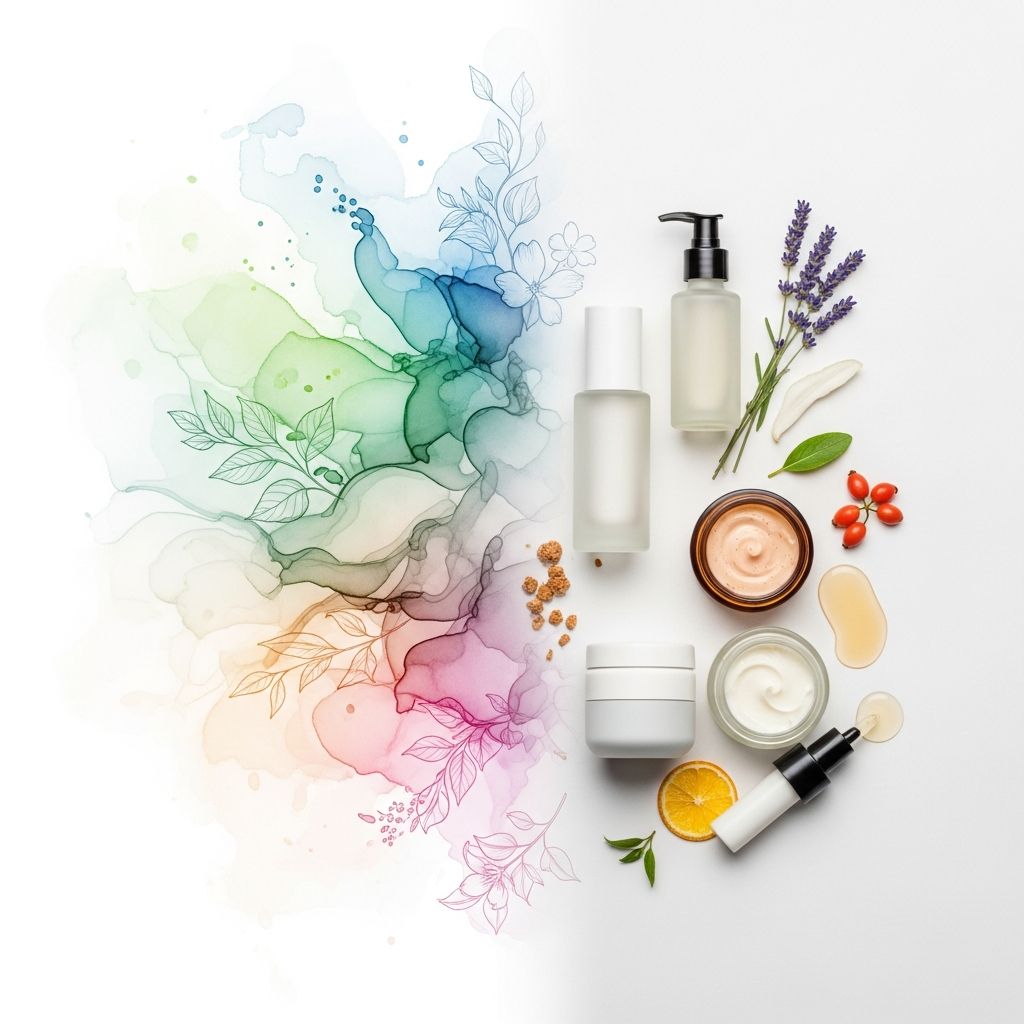
The rise of clean beauty has transformed how consumers think about skincare, ingredients, and the health of both people and the planet. Behind this shift are founders who saw the gap between traditional cosmetic formulations and what health-conscious customers wanted. This article explores the journey of a wellness-focused entrepreneur who built an organic beauty brand from scratch, and distills practical lessons for aspiring founders who want to align profit with purpose.
Why Clean Beauty Became a Business Opportunity
For many mission-led entrepreneurs, business ideas emerge at the intersection of personal experience, scientific awareness, and changing consumer expectations. In the case of clean beauty, several forces converged:
- Growing concern about potential health effects of certain cosmetic ingredients, especially among pregnant women and young families.
- Increased interest in environmental sustainability and the impact of chemical runoff on ecosystems.
- Rapid expansion of the natural and organic personal care market as consumers sought transparency and simpler ingredient lists.
When a founder with a background in corporate wellness began reading cosmetic labels during pregnancy, she recognized a disconnect: people were investing in fitness and nutrition but overlooking what they applied to their skin every day. That realization became the seed of a company focused on organic, high-performance skincare built from botanical juices instead of conventional petroleum-derived bases.
From Early Wellness Career to Beauty Entrepreneur
Before launching a beauty brand, this founder spent years building one of the first large-scale corporate wellness companies in the United States. That experience shaped how she later approached the beauty industry.
Skills Carried Over from Wellness to Beauty
- Systems thinking: Understanding how lifestyle, workplace environment, and health outcomes interact translated into a holistic view of skin health.
- Data and outcomes: Corporate wellness programs often require measurable impact. This later informed her insistence on clinical testing and quantifiable skincare results.
- Behavior change: Encouraging employees to adopt healthier habits parallels persuading consumers to switch from conventional products to safer alternatives.
Her early exposure to environmental incidents, including a major chemical contamination event in her hometown, also made the long-term effects of toxins tangible rather than abstract. That history created a values framework that later guided every product and partnership decision.
Defining a Product Philosophy: Every Drop Should Do Something
At the center of the brand’s story is a simple but radical product philosophy: replace inert or potentially problematic cosmetic fillers with organic, nutrient-rich plant juices.
Conventional vs. Botanical-First Formulations
| Aspect | Typical Conventional Products | Botanical-First Clean Beauty Approach |
|---|---|---|
| Base Ingredient | Water or petroleum-derived glycols (e.g., propylene glycol) | Organic botanical juices (e.g., aloe, grape, citrus) and plant oils |
| Primary Focus | Texture, cost efficiency, and stability | Skin nutrition, antioxidant density, and performance |
| Regulatory Target | Basic safety and shelf stability | Compliance with organic standards plus cosmetic safety rules |
| Storytelling | Luxury, fragrance, instant feel | Farming, ingredients, clinical validation, environmental impact |
Instead of starting with water, the brand formulated around organic juices rich in vitamins, antioxidants, and phytonutrients, then layered in targeted actives for wrinkles, tone, or blemishes. The goal was not only to remove questionable ingredients, but to ensure that every part of the formula actively contributed to skin health.
Navigating Organic and Safety Standards
Creating beauty products that are both effective and authentically organic is far more complex than marketing slogans suggest. In many countries, including the United States, cosmetics must comply with safety regulations related to ingredient use and labeling, but the word “organic” itself is chiefly regulated through agricultural and organic certification systems.
Key Regulatory and Certification Considerations
- FDA oversight of cosmetics: In the U.S., the Food and Drug Administration (FDA) regulates cosmetic safety and labeling, but does not pre-approve most products before they reach the market. Brands are legally responsible for ensuring product safety.
- Organic claims: When products contain agricultural ingredients and carry organic claims, they may be expected to meet standards similar to the USDA National Organic Program for “made with organic” or higher-level organic designations.
- Ingredient transparency: Clear labeling of ingredients, avoidance of misleading claims, and substantiation of safety are central expectations under cosmetic law.
For a founder committed to organic sourcing, this means working closely with certifiers, farmers, and chemists to:
- Maintain high percentages of certified organic content in each formula.
- Document supply chains for traceability and integrity.
- Balance preservative systems that comply with both safety and organic standards.
These choices are more expensive and logistically demanding than conventional manufacturing, but they become part of the brand’s differentiation story and long-term trust with consumers.
Partnering with Scientists: Turning Vision into Chemistry
Belief in cleaner beauty is not enough; a skincare line must also perform. Recognizing this, the founder spent years collaborating with PhD chemists, physicians, and microbiologists to solve the challenge of making high-performing products that rely on botanical juices and plant-based actives.
What Scientific Collaboration Looked Like
- Multi-year R&D cycles: Rather than rushing to market, the team iterated on formulas over several years, learning how different botanicals behave in complex emulsions.
- Clinical and consumer testing: Once stable formulations were ready, they underwent clinical trials to measure wrinkle reduction, hydration, brightness, or blemish control, alongside consumer use tests.
- Ingredient vetting: The brand created internal “never” lists of ingredients they refused to use, then sourced high-performing botanical alternatives, such as fruit acids, plant-derived pigments, and cold-pressed oils.
Over time, these investments positioned the company as both a pioneer in organic skincare and a competitor to conventional clinical brands, closing the perceived gap between “natural” and “effective.”
Funding and Scaling a Mission-Driven Beauty Brand
Transitioning from idea to national brand required capital, resilience, and strategic partnerships. Financing a clean beauty company tends to be demanding because organic ingredients, rigorous testing, and sustainable packaging raise upfront costs.
Typical Funding Milestones
- Bootstrapping: Many founders self-fund initial product development and early small-batch production while validating demand.
- Banks and credit lines: Access to formal credit can be challenging, particularly for women entrepreneurs, who historically receive less capital from both investors and financial institutions. Persistence and preparation are key to securing support.
- Strategic investors: As the brand grows, investment partners can accelerate distribution, R&D, and marketing—but they also require alignment on mission and exit expectations.
For this founder, the turning point included obtaining a professional line of credit and steadily proving that organic formulations could compete in performance-focused retail channels. Growth followed as the brand secured shelf space with national retailers, partnered with high-profile advocates, and built a reputation around a hero product that demonstrated visible results.
Balancing Purpose and Profit in Day-to-Day Leadership
Leading a mission-centered beauty company requires constant trade-offs. The founder’s daily decisions reflect a blend of business pragmatism and values-driven prioritization.
Common Leadership Tensions in Clean Beauty
- Cost vs. ingredients: Choosing certified organic, cruelty-free, or fair-trade ingredients often increases cost of goods. Leaders must decide when to accept lower margins and when to optimize elsewhere.
- Speed vs. rigor: Skipping testing or regulatory review may accelerate launches but can undermine safety and consumer trust. This brand repeatedly chose slower, more rigorous development.
- Marketing vs. science: Simplified marketing messages can conflict with the nuanced realities of formulation and evidence. Successful founders align their brand story with what the data truly supports.
To navigate these tensions, the founder drew on her wellness background, emphasizing long-term outcomes over short-term wins and keeping a clear definition of success: improving skin health while reducing exposure to questionable chemicals and supporting sustainable agriculture.
Practical Career Lessons for Aspiring Founders
Beyond beauty, this story offers generalizable insights for anyone considering a purpose-led business.
1. Let Personal Experience Inform, But Not Limit, Your Vision
A health scare, pregnancy, or personal sensitivity to ingredients can ignite a business idea. The key is to move from anecdote to research:
- Study current regulations and guidelines for your industry so your concerns convert into informed innovation.
- Talk to scientists, clinicians, or technical experts who can help interpret risk and feasibility.
- Test your assumptions with real users to see whether your experience reflects a broader need.
2. Build Credibility with Evidence, Not Just Belief
Consumers today are increasingly skeptical of “greenwashing” and unsupported claims. Following this founder’s example, you can:
- Design products that can be measured against conventional competitors, not just other “natural” lines.
- Document performance through clinical, lab, or third-party testing whenever possible.
- Communicate clearly about what is proven, what is still being studied, and where your standards exceed minimum regulations.
3. Treat Your Supply Chain as Part of Your Brand Story
Clean beauty consumers care how products are grown, processed, and packaged. That means your farms, labs, and manufacturing partners become central characters in your narrative:
- Highlight organic farming practices and their benefits for soil health and biodiversity, drawing on credible environmental research.
- Share how you minimize waste, reduce plastic use, or prioritize recyclability.
- Be transparent about trade-offs you have not yet solved, instead of pretending perfection.
4. Expect Resistance, Then Build Allies
When this founder began, many formulators told her that high-performance, truly organic skincare was impossible at scale. Resistance is part of innovating in any industry:
- Use skepticism as feedback about where you will need stronger evidence, better design, or clearer communication.
- Slowly assemble a network of believers—bankers, chemists, retailers, and early adopters—who are willing to take a chance on your vision.
- Stay grounded in numbers: sales data, customer reviews, and clinical outcomes can gradually shift the conversation.
Frequently Asked Questions (FAQs)
Q: What does “clean beauty” actually mean?
There is no single legal definition of “clean beauty.” Generally, it refers to products that avoid certain controversial ingredients, emphasize transparency, and may incorporate safer or more sustainable alternatives. Regulatory agencies such as the U.S. FDA focus on safety and truthful labeling, while separate organic and natural standards guide agricultural and formulation claims.
Q: How is an organic beauty brand different from a conventional cosmetic brand?
An organic beauty brand typically prioritizes certified organic plant ingredients, stricter internal ingredient policies, and closer alignment with agricultural standards, in addition to meeting core cosmetic safety regulations. Conventional brands may focus more on cost-efficient synthetics and performance but are increasingly integrating some of these practices as consumer demand shifts.
Q: Do organic or botanical-based products always work better?
Not automatically. Performance depends on the specific ingredients, their concentrations, and how they are formulated. Some organic brands invest heavily in clinical testing and advanced R&D to ensure efficacy comparable to conventional products, while others rely mainly on marketing. Evidence, not the label alone, should guide expectations.
Q: What should aspiring clean beauty founders focus on first?
Founders should begin with a clear problem they want to solve, a realistic understanding of regulations, and early collaboration with scientists or experienced formulators. From there, creating one or two hero products that truly deliver visible results is often more effective than launching a large but unproven range.
Q: Is it necessary to obtain organic certification?
Certification is not legally required for all beauty products, but it can provide third-party verification that your sourcing and formulation meet specific organic standards. This can enhance credibility, particularly in crowded markets, though it adds cost and administrative work.
References
- Our Founder Karen Behnke | Our Mission — Juice Beauty. 2024-01-01. https://juicebeauty.com/pages/about-us
- Meet Juice Beauty Founder Karen Behnke & Learn What Inspires Her Everyday — Sophie Uliano. 2016-05-10. https://sophieuliano.com/meet-juice-beauty-founder-karen-behnke-learn-what-inspires-her-everyday/
- Juice Beauty Founder Reveals How She Built an Empire in the Clean Beauty Space — The Helm. 2020-02-18. https://thehelm.co/juice-beauty-founder-karen-behnke-interview/
- FDA Authority Over Cosmetics: How Cosmetics Are Not FDA-Approved, but Are FDA-Regulated — U.S. Food & Drug Administration. 2022-06-23. https://www.fda.gov/cosmetics/cosmetics-laws-regulations/fda-authority-over-cosmetics
- National Organic Program: Organic Labeling — U.S. Department of Agriculture. 2023-03-15. https://www.ams.usda.gov/rules-regulations/organic/labeling
- Women’s Access to Capital: Disparities and Barriers — U.S. Small Business Administration, Office of Advocacy. 2022-09-30. https://advocacy.sba.gov/2022/09/30/womens-business-ownership-and-access-to-capital/

Medha Deb is an editor with a master's degree in Applied Linguistics from the University of Hyderabad. She believes that her qualification has helped her develop a deep understanding of language and its application in various contexts. Medha specializes in the areas of beauty, health, sports, and wellness and is committed to ensuring that the content on the website is…