
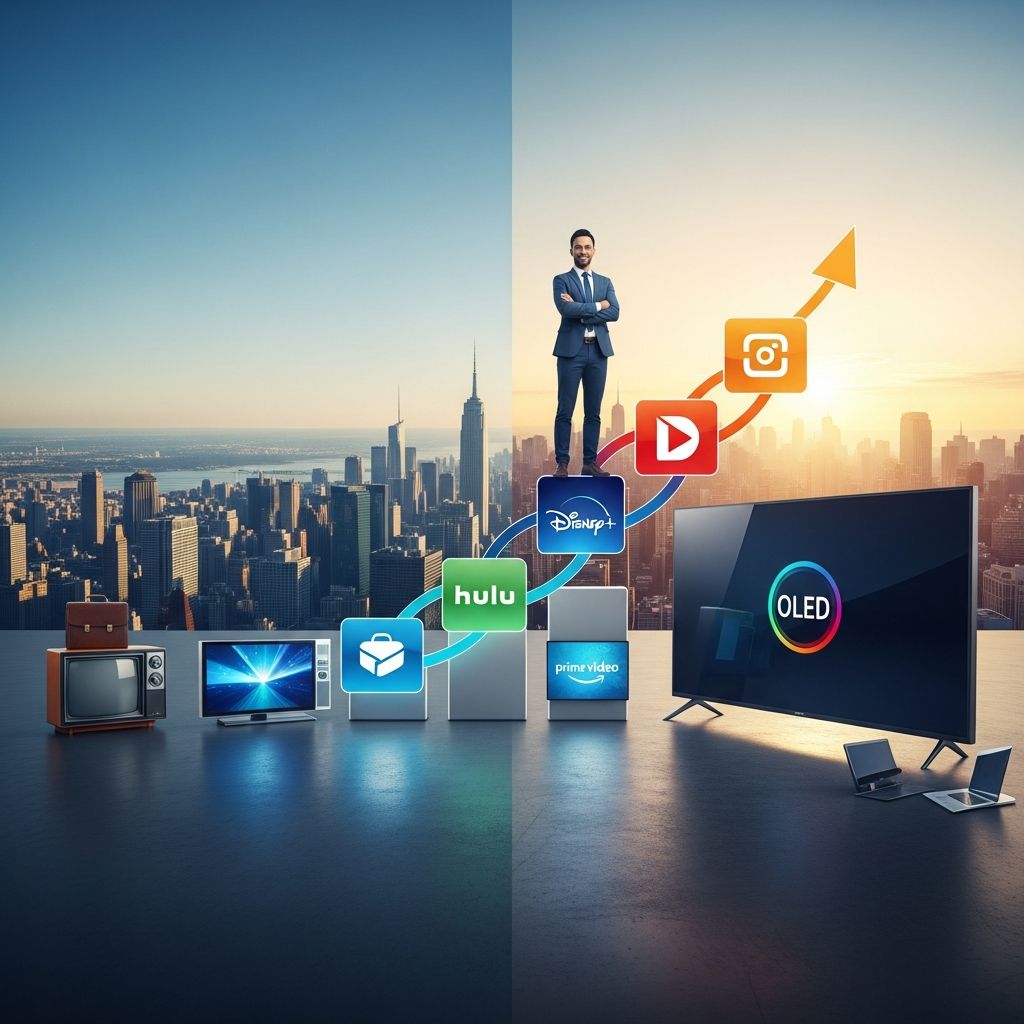
The Evolution of Media Sales Leadership in the Digital Age
The media and entertainment industry has undergone a seismic transformation over the past two decades. As consumer behavior shifts from traditional broadcast to on-demand streaming platforms, sales professionals must adapt their strategies, skill sets, and mindsets to remain competitive. This transformation presents both challenges and unprecedented opportunities for ambitious leaders willing to embrace change and invest in continuous learning.
The journey from traditional media to digital streaming platforms represents more than a simple career move—it reflects a fundamental reimagining of how businesses connect with audiences and generate revenue. For sales leaders navigating this landscape, success requires understanding not only the mechanics of advertising and audience targeting but also the deeper cultural and technological shifts reshaping the entire entertainment ecosystem.
Building a Foundation: The Influence of Family Legacy
Many successful professionals trace their career trajectories back to early family influences and formative experiences. For those entering sales-driven industries, particularly in media, family background often provides crucial context and initial motivation. When multiple generations of a family work within the same industry, they create an ecosystem of knowledge transfer, professional networks, and cultural understanding that newer entrants might take years to develop independently.
The newspaper industry, which dominated media consumption throughout much of the twentieth century, created a particular type of sales professional: individuals trained to understand circulation, advertising placement, regional markets, and the complex relationships between content and commerce. These foundational principles remain relevant even as the medium has shifted dramatically. The values instilled by family involvement in traditional media—craftsmanship, understanding audience psychology, building relationships, and viewing media as both art and business—provide a strong platform for transitioning into contemporary streaming sales.
Witnessing a parent’s professional dedication and success in media business creates powerful aspirational models. When young professionals grow up observing the behind-the-scenes work of media production and business development, they develop an intuitive understanding of industry dynamics that proves invaluable when they enter the field professionally. This early exposure can accelerate learning curves and provide contextual understanding that formal education alone cannot deliver.
The Radio Era: Understanding Intimate Audio Connections
Before streaming services dominated the audio landscape, radio held a unique position in consumers’ lives. Radio provided companionship during solitary moments, whether during morning commutes, late-night study sessions, or quiet personal time. The medium created an intimate connection between listener and broadcaster—a sense of presence and personality that distinguished audio from other visual media formats.
Sales professionals who worked in radio during the pre-streaming era developed distinctive skills and insights. Radio advertising required understanding how to reach audiences during specific emotional and psychological states. A listener tuning into a particular station wasn’t just seeking music or talk content—they were seeking an experience, a mood, a companion. This understanding of audience psychology and emotional connection provided radio sales professionals with crucial knowledge that translates directly into digital streaming environments.
The decision to transition from radio into emerging digital platforms demonstrates strategic career thinking. Rather than clinging to a declining industry, ambitious professionals recognized that the fundamental principles underlying radio advertising—audience psychology, targeted messaging, moment-based relevance—would apply equally to new platforms. By making this transition proactively rather than reactively, sales leaders positioned themselves as innovators and forward-thinking strategists within their organizations.
Recognizing Industry Disruption: Making Strategic Career Moves
The transition from traditional media to digital streaming represents a case study in recognizing and responding to industry disruption. Many professionals face moments where they must decide whether to defend established career paths or embrace uncertain new opportunities. The ability to read market signals, understand technological trajectories, and make courageous moves before change becomes obvious separates successful long-term careers from those that stagnate.
Industry disruption creates both threats and opportunities. Professionals who recognize the signs of fundamental change—shifting consumer behavior, emerging technologies, new competitors—face a critical choice. They can resist change and hope established models persist, or they can embrace new platforms and business models while their skills remain relevant and in-demand. The window for making this transition strategically is often shorter than professionals realize.
Moving into streaming platforms while they were still establishing themselves as viable businesses required confidence, research, and strategic thinking. Early adopters in emerging industries gain several advantages: they develop expertise while the field is still young, they build networks with other pioneers who often rise to leadership positions, and they demonstrate adaptability and innovation to future employers. These advantages compound over time, creating significant career differentiation from peers who waited until disruption was already complete and competition intensified.
Understanding Scale and Personalization: The Streaming Advantage
Modern streaming platforms operate at scales that would have seemed impossible in earlier media eras. Reaching tens of millions of listeners monthly creates both tremendous value for advertisers and unique challenges for sales professionals tasked with helping clients navigate such massive reach effectively.
However, scale alone does not determine advertising effectiveness. What distinguishes contemporary streaming platforms is the ability to combine massive reach with sophisticated personalization. Algorithms track listening patterns, preferences, behavioral indicators, and demographic information, allowing advertisers to reach specific audience segments rather than broadcasting generic messages to entire populations.
This combination of scale plus personalization creates what researchers call “contextual targeting”—the ability to reach consumers at moments when they are most receptive and in environments they have actively chosen. A listener tuning into a specific playlist has self-selected into a particular emotional or activity state. They have created a personalized audio environment. Within these moments of high engagement and attention, advertising messages land more effectively because they align with the listener’s current mindset and interests.
Sales professionals working in streaming environments must understand and articulate this value proposition to potential advertisers. Rather than simply offering access to large listener numbers, they must help clients understand how to leverage streaming’s unique capabilities: targeting specificity, contextual relevance, behavioral alignment, and moment-based marketing. This requires deeper analytical and consultative skills than traditional radio sales, where messages reached broader, less-targeted audiences.
Leadership Challenges in Media Organizations
Gender Representation in Sales Leadership
The sales and media industries have historically skewed toward male representation, particularly in senior leadership roles. Women entering these fields often encounter systemic barriers, cultural dynamics that favor traditional models of leadership, and implicit biases that question whether women can succeed in competitive, relationship-driven sales environments.
However, the experience of women in sales leadership has evolved significantly in recent years. Many organizations have recognized that diverse leadership teams make better decisions, understand broader customer bases, and create more inclusive work environments. Progressive companies have invested deliberately in recruiting, developing, and promoting qualified women into senior sales and leadership positions.
Individual experiences vary considerably depending on company culture, leadership quality, and peer dynamics. Women in sales leadership roles often cite supportive male colleagues and managers as crucial to their success. When male leaders deliberately mentor female peers, advocate for their advancement, and create psychologically safe environments where gender isn’t a limiting factor, organizations benefit from access to a much broader talent pool and deliver better business results.
Organizational Culture: The Hidden Competitive Advantage
When discussing what makes organizations attractive to employees, external observers often focus on surface-level factors: salary, benefits, geographic location, or industry prestige. However, employees who have worked across multiple organizations recognize that culture represents the most significant determinant of workplace satisfaction and professional growth.
Organizational culture encompasses numerous elements: how decisions are made, whether employee voices are heard and valued, whether the organization invests in professional development, how transparent leadership is about business challenges and opportunities, whether diverse perspectives are welcomed, and fundamentally whether employees feel trusted and respected.
Building strong organizational culture requires intentional effort, consistent leadership behavior aligned with stated values, and genuine commitment to creating environments where people do their best work. Companies that successfully build such cultures attract and retain exceptional talent, experience lower turnover, develop stronger innovation, and ultimately deliver better business results. Employees recognize these environments quickly and often cite culture as their primary reason for staying with organizations even when competitors offer higher compensation.
The Regional Sales Leadership Model
Large media companies typically organize sales operations around geographic regions, with senior sales leaders responsible for specific territories. These regional leaders manage sales teams, develop relationships with major advertisers in their territory, collaborate with product and marketing departments, and drive revenue growth against company objectives.
Regional sales leaders must balance multiple competing demands: meeting revenue targets, developing their teams, maintaining client relationships, staying informed about product developments and market trends, and contributing to broader company strategy. The role requires strong interpersonal skills, strategic thinking, operational management capabilities, and sales execution experience.
Successful regional leaders spend significant time understanding their territory’s unique characteristics, building relationships across the sales organization, and staying connected to frontline sales activity. Rather than managing entirely from offices, they invest time with sales teams in the field, spend time with clients to understand their evolving needs, and maintain awareness of regional competitive dynamics and market opportunities.
Daily Leadership Rhythms and Time Management
Sales leadership roles rarely follow predictable daily patterns. While some tasks—team meetings, strategic planning sessions, performance reviews—appear on calendars in advance, much of a leader’s time involves responding to immediate needs, addressing unexpected challenges, and capitalizing on emerging opportunities.
Effective leaders develop routines and structures that preserve focus while maintaining flexibility. This often means designating specific times for deep work on strategic initiatives while remaining available for urgent matters. Many leaders find that their cognitive and emotional energy follows predictable patterns throughout the day—mornings might be optimal for complex analytical work, while afternoons might better suit client calls and relationship building.
Understanding personal energy patterns and designing work schedules accordingly represents a form of executive self-awareness that directly impacts performance and well-being. Leaders who operate against their natural rhythms experience higher stress, make lower-quality decisions, and eventually face burnout. Those who design their days in alignment with their cognitive strengths and energy patterns sustain higher performance over longer periods.
Maintaining Operational Excellence While Thinking Strategically
One of the central tensions in leadership involves balancing attention between today’s operational realities and tomorrow’s strategic opportunities. Sales leaders cannot neglect current revenue generation to pursue speculative future initiatives. Yet they also cannot become so focused on quarterly targets that they miss significant strategic opportunities or fail to invest in long-term capability development.
Successful leaders develop frameworks for managing this balance. They establish clear processes and systems for operational execution so their attention isn’t constantly consumed by day-to-day details. They build teams capable of managing execution while leaders focus on strategy, coaching, and external relationship building. They communicate priorities clearly so team members understand what matters most and make aligned decisions.
The best sales leaders maintain what might be called “distributed attention”—they stay deeply connected to operational realities while simultaneously thinking about market trends, competitive dynamics, emerging opportunities, and how to position their teams and organizations for future success. This requires disciplined time management, excellent delegation, and comfort with imperfection in certain operational areas in service of strategic advancement.
Product Vision and Market Positioning
Sales leaders who operate in technology and media companies benefit significantly from understanding the product development roadmap and strategic direction. Product teams often have visibility into upcoming features, improvements, and strategic pivots that sales teams don’t yet understand. Sales leaders who collaborate closely with product teams can prepare sales organizations for future capabilities, begin positioning changes to potential customers, and provide valuable feedback from market and customer perspectives.
This collaborative relationship between sales and product leadership helps companies execute product launches more effectively, anticipate customer concerns before they become barriers to adoption, and identify emerging market opportunities. Sales leaders who understand the rationale behind product decisions—not just the features themselves—communicate more persuasively to customers and help close deals more effectively.
Developing High-Performing Sales Teams
Regional sales leaders directly impact their organizations through team development and performance management. Building and maintaining high-performing sales organizations requires attention to recruitment, training, coaching, performance management, and career development. Leaders must identify talent, help individuals develop their capabilities, remove obstacles to success, and create environments where ambitious sales professionals want to build their careers.
Sales organizations face particular challenges around retention and motivation. Sales roles are inherently competitive and often involve rejection, setbacks, and frustration. Leaders who can maintain team morale, recognize performance, provide meaningful feedback, and create development opportunities retain talent and drive better results. Organizations with strong sales leadership cultures experience significantly lower turnover and develop deeper benches of emerging leaders.
Industry Transformation and Continuous Learning
Perhaps the most significant responsibility of contemporary media sales leaders involves navigating ongoing industry transformation. The businesses where today’s leaders began their careers look fundamentally different from the businesses they lead today. New competitors emerge continuously. Technology capabilities expand rapidly. Consumer preferences shift unpredictably.
Leaders who thrive in such environments maintain deep curiosity, invest continuously in learning, seek diverse perspectives, and remain adaptable. They read widely, attend industry conferences, build networks across their industry, seek feedback regularly, and view changes as opportunities rather than threats. They help their organizations learn, experiment with new approaches, and stay ahead of competitive threats through continuous innovation and adaptation.
Frequently Asked Questions
What skills matter most for sales leadership in streaming media?
Success requires a combination of sales execution skills, strategic thinking, team leadership capabilities, technology fluency, and business acumen. Understanding advertising mechanisms, customer needs, and product capabilities also proves essential. Perhaps most importantly, adaptability and continuous learning allow leaders to navigate constant industry change.
How do sales leaders balance current revenue with strategic development?
Effective leaders establish clear processes for operational execution, build capable teams that handle day-to-day details, and intentionally allocate time to strategic thinking and external relationship building. They communicate priorities clearly and accept that perfection in all areas isn’t possible—some operational elements must be handled by teams while leaders focus on strategy and coaching.
What role does company culture play in sales organization success?
Culture represents perhaps the most significant competitive advantage organizations can develop. Companies that build strong cultures attract better talent, retain high performers, experience lower turnover, and ultimately deliver better business results. Culture encompasses how decisions are made, whether voices are heard, whether leadership is transparent and trusted, and whether employees feel valued.
How should sales leaders approach team development and retention?
Strong leaders invest in recruitment quality, provide meaningful training and coaching, remove obstacles to success, recognize and reward performance, create development opportunities, and communicate career pathways clearly. They build environments where ambitious sales professionals want to build long-term careers rather than treating sales positions as temporary stepping stones.
Why is understanding product roadmaps important for sales leaders?
Product roadmap visibility allows sales leaders to prepare their organizations for upcoming capabilities, begin positioning changes to customers, provide valuable market feedback to product teams, and identify emerging opportunities. Close collaboration between sales and product leadership helps companies execute changes more effectively and maintain competitive positioning.
References
- Interactive Advertising Bureau (IAB) — IAB. 2024. https://www.iab.com/
- Streaming Media Industry Analysis — Statista. 2025. https://www.statista.com/outlook/dmo/digital-media/streaming-video/worldwide
- Women in Sales Leadership Report — Sales Hacker. 2024. https://www.saleshacker.com/
- The Role of Organizational Culture in Employee Retention — Harvard Business Review. 2023. https://hbr.org/
- Digital Audio Advertising: Market Trends and Opportunities — eMarketer. 2024. https://www.emarketer.com/

Medha Deb is an editor with a master's degree in Applied Linguistics from the University of Hyderabad. She believes that her qualification has helped her develop a deep understanding of language and its application in various contexts. Medha specializes in the areas of beauty, health, sports, and wellness and is committed to ensuring that the content on the website is…