
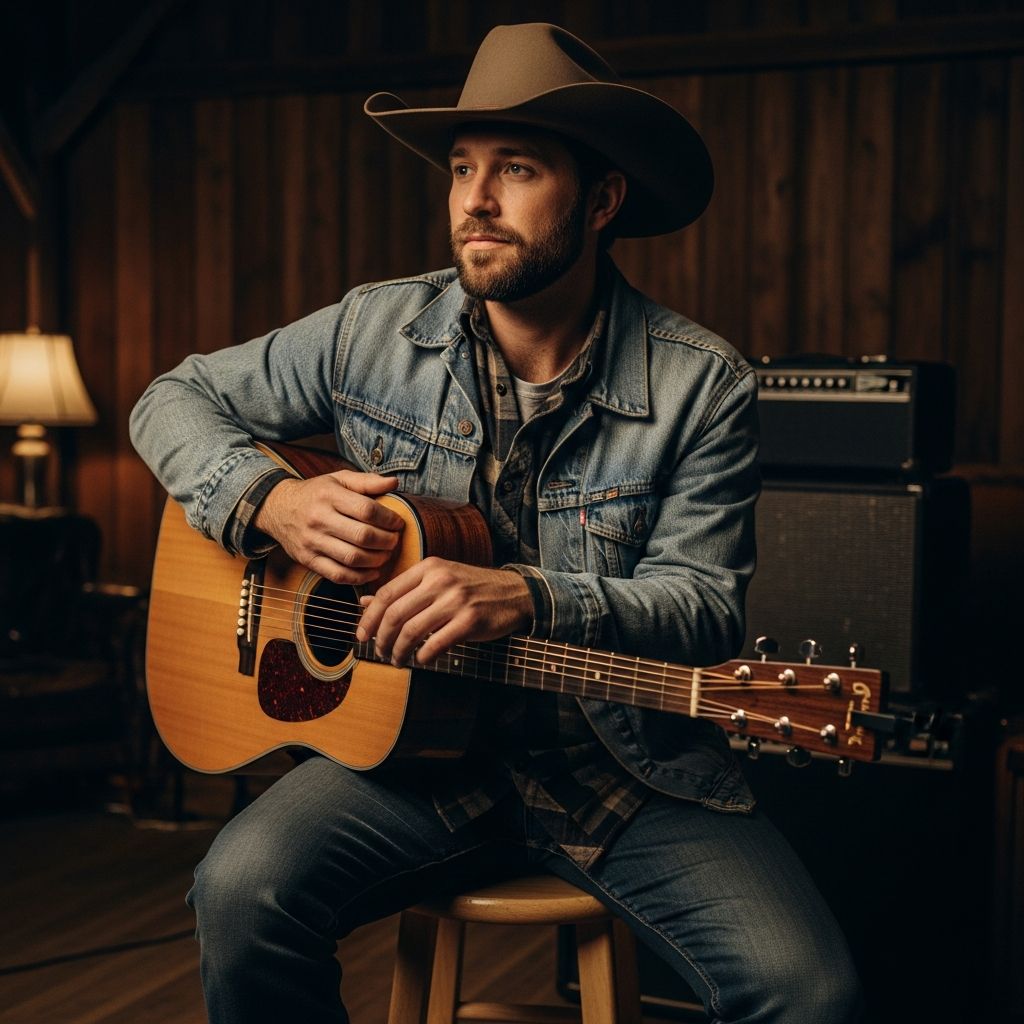
Country music has always been about stories, and behind every song is a storyteller trying to turn a passion into a sustainable life. This article takes you inside the realities of being an independent country artist: the work you do when no one is watching, the pressure to perform when everyone is, and the practical steps that turn a dream into an actual career.
The Modern Country Artist: Storyteller, Entrepreneur, Athlete
Today’s country musicians are far more than singers on a stage. They are part-artist, part-entrepreneur, and, during tour season, part-endurance athlete. Streaming, social media, and global touring have reshaped what it means to build a following and make a living in music.
For an independent artist, that usually means:
- Creating songs that feel emotionally honest and commercially viable.
- Performing live constantly to grow a loyal audience.
- Running the business side: budgets, contracts, marketing, and staff.
- Maintaining mental and physical health in a relentless industry.
This blend of creativity and hustle can be overwhelming, but it also gives artists more control than in any previous era, especially as digital platforms make it easier for country to reach global audiences.
From First Guitar to First Tour: Building a Country Career Path
There is no single “right” route into country music, but most working artists move through some version of these stages.
Early Spark and Skill Building
- Exposure to country storytelling through family, local radio, or church music.
- Learning basic guitar or piano chords to accompany simple melodies.
- Writing early songs—often clumsy but deeply personal.
- Performing at open mics, school events, or small local venues.
At this point, the focus is on volume more than perfection: writing a lot, playing often, and getting comfortable in front of people.
Stepping into the Nashville (or Local) Ecosystem
Many country artists gravitate to Nashville because of its dense network of songwriters, studios, publishers, and labels. Others stay rooted in their home regions but travel frequently. Either way, the key moves usually include:
- Co-writing with more experienced writers to learn structure and craft.
- Recording demos to capture songs in a professional way.
- Networking at writers’ rounds, showcases, and industry events.
- Experimenting with social platforms to test songs and build early fans.
Releasing Music and Hitting the Road
Once there is a small catalog of strong songs, the artist’s focus shifts to visibility and momentum:
- Releasing singles or an EP across major streaming platforms.
- Booking regional gigs—clubs, festivals, opening slots for bigger acts.
- Investing in visuals: artwork, photos, performance clips, and lyric videos.
- Collecting email addresses and phone numbers at shows to stay in touch.
Touring is where many country artists find their identity, refine their live sound, and learn exactly what moves an audience.
Inside the Working Week: What Country Artists Really Do
From the outside, the job looks like red carpets and spotlights. The reality is a rhythm of repeated, often unglamorous, habits.
Daily Creative Practice
Most professional songwriters treat writing like a job, not a mood. That often means:
- Scheduled writing blocks, solo or with co-writers, several times a week.
- Keeping lyric and melody ideas in a phone or notebook at all times.
- Learning from references in and outside country to stay current.
- Regularly revisiting unfinished ideas to see them with fresh ears.
Country’s commercial success in recent years has been tightly tied to songs that combine traditional storytelling with contemporary hooks and production.
Rehearsals, Shows, and Onstage Energy
Live performance is still the heart of a country career, even as streaming grows. A typical performance cycle involves:
- Rehearsing with the band to tighten transitions, harmonies, and solos.
- Building setlists that balance new material with fan favorites.
- Arriving early for soundcheck to adjust levels and monitor mixes.
- Meeting fans after shows, taking photos, and building relationships.
On tour, this pattern repeats in a new city almost every night, with added travel, loading gear, and late-night drives.
Business and Brand Management
Behind the microphone is a spreadsheet. An independent artist’s business tasks frequently include:
- Tracking expenses and income from touring, streaming, and merch.
- Reviewing contracts for shows, sync deals, and distribution.
- Coordinating schedules with managers, agents, and publicists.
- Reviewing metrics from streaming services and social platforms.
Because record labels now lean heavily on data, metrics like monthly listeners, ticket sales, and social engagement can directly influence future opportunities.
Songwriting as Craft and Therapy
Country music’s resurgence has been closely tied to a renewed emphasis on lyrical depth and authenticity. For many artists, songwriting is both a professional discipline and an emotional outlet.
Where Great Country Songs Come From
Strong country songs typically sit at the intersection of:
- Specific detail: Concrete images—roads, bars, kitchens—make stories believable.
- Universal themes: Love, loss, faith, regret, and resilience.
- Clean structure: Verses that build, choruses that pay off, and a bridge that reveals something new.
- Memorable hook: A line or melody that listeners carry with them.
Solo Writing vs. Co-Writing
| Approach | Strengths | Challenges |
|---|---|---|
| Writing Alone |
|
|
| Co-Writing |
|
|
Using Vulnerability Without Burning Out
Because country rewards emotional honesty, artists often mine personal experiences for songs. The challenge is offering vulnerability without feeling exposed. Many artists find balance by:
- Changing details enough to protect privacy while preserving truth.
- Working with trusted collaborators who respect sensitive material.
- Maintaining some areas of life that never become content.
Life on Tour: Glamour, Grit, and Growth
Touring is a milestone and a test. It is where artists earn much of their income, grow as performers, and discover their real limits.
The Emotional Roller Coaster of the Road
Common highs and lows of touring include:
- Highs
- Singing along with a crowd that knows every word.
- Meeting fans who share how a song helped them through something.
- Discovering new cities and music scenes.
- Lows
- Long drives, little sleep, and irregular meals.
- Homesickness and lack of privacy.
- Financial stress on low-paying or lightly attended shows.
Protecting Your Health While Touring
The physical demands of frequent live performance can be intense—especially for vocalists. Research on touring musicians shows elevated risks of fatigue, sleep disruption, and mental health strain when schedules are poorly managed. Practical habits that help include:
- Hydration and vocal rest on non-show days.
- Simple hotel or backstage workouts: stretching, bodyweight exercises.
- Pre-planned meals and snacks to avoid relying only on fast food.
- Non-negotiable sleep windows when possible.
Money, Deals, and Staying in Control
Creative freedom often collides with financial reality. Understanding the basic economics of a music career helps artists avoid preventable burnout and bad deals.
Common Income Streams for Independent Artists
- Live shows: Guarantees, door deals, or festival fees.
- Merchandise: Shirts, hats, vinyl, and limited-edition items.
- Streaming and digital sales: Typically modest per stream but powerful at scale.
- Songwriting royalties: From radio, streaming, and live performances.
- Sync licensing: Film, TV, ads, and video game placements.
Choosing the Right Team
As an artist grows, so does the need for a support team. Core roles often include:
- Manager: Oversees strategy, long-term planning, and high-level negotiations.
- Booking agent: Focuses on tours, festivals, and show opportunities.
- Entertainment attorney: Reviews contracts and protects rights.
- Publicist or digital strategist: Manages press, marketing, and online presence.
A healthy team relationship is built on transparency, realistic expectations, and clear roles. Many artists rely on recommendations from trusted peers and mentors to choose carefully.
Labels vs. Independence
Country’s commercial success in the streaming era has drawn intense label interest. Independent artists often weigh:
- Pros of signing
- Access to larger marketing budgets and radio promotion.
- Tour support and strategic partnerships.
- Industry credibility and infrastructure.
- Pros of staying independent
- Retaining higher ownership and creative control.
- Flexibility to release music on your own schedule.
- Closer relationship with core fans without external pressure.
Many artists now pursue hybrid paths—remaining independent for a period, then considering distribution deals, partnerships, or joint ventures rather than traditional long-term contracts.
Women in Country: Barriers, Shifts, and Strategies
For women in country music, progress has been uneven. While streaming and social media have opened new direct-to-fan channels, research in recent years has highlighted persistent disparities in radio airplay and chart representation.
Women and gender-diverse artists often navigate:
- Pressure to conform to narrow images of what a “country woman” should look and sound like.
- Fewer slots on large festival bills and radio rotations.
- Assumptions that they are “less commercial,” despite strong streaming performance for many female-led acts.
In response, many artists intentionally build power through:
- Owning their masters and publishing where possible.
- Collaborating with other women and marginalized creators.
- Leaning into authenticity rather than chasing trends that do not fit them.
Mindset, Resilience, and Redefining Success
A music career is rarely linear. Singles stall, tours lose money, and personal life collides with public expectations. Artists who endure tend to cultivate mental resilience as deliberately as vocal technique.
Redefining “Making It”
Instead of a single breakthrough moment, many artists now define success as a sustainable combination of:
- A loyal audience that shows up—online and in person.
- Enough financial stability to keep creating without constant crisis.
- Music that feels honest, not just marketable.
- A life outside music: relationships, rest, and non-career joys.
Practical Habits That Support Longevity
- Regular therapy or coaching to process public scrutiny and rejection.
- Structured breaks from social media to avoid constant comparison.
- Clear boundaries around work hours when not on tour.
- Celebrating small wins: a great show, a new song, a heartfelt fan message.
Frequently Asked Questions (FAQs)
Q: Do I need to move to Nashville to build a country music career?
A: No. Nashville remains a major hub with powerful infrastructure, but digital platforms and touring allow artists to build strong regional bases from almost anywhere. Many successful artists split time between their home city and trips to writing and networking centers like Nashville or Austin.
Q: How many songs should I have before I start performing live?
A: Enough to play a solid 20–30 minute set without filler—often 6 to 8 well-rehearsed songs. Quality and confidence matter more than quantity; you can add covers to fill out the set while you continue writing.
Q: Can you make a living from streaming alone?
A: For most independent artists, streaming alone is rarely enough. It becomes meaningful when combined with touring, merchandise, sync placements, and songwriting income. However, strong streaming numbers can open doors to bigger shows, deals, and collaborations.
Q: How important is social media for country artists?
A: Very important as a discovery and engagement tool, especially in the 2020s. Short-form video and direct fan interaction can drive streaming, ticket sales, and algorithmic support. The key is consistency and authenticity rather than copying whatever is trending.
Q: What is the single most important skill for a long-term career?
A: The combination of strong songwriting and resilience. Memorable songs fuel every other part of the business, and resilience helps you keep writing, performing, and adapting through the inevitable ups and downs.
References
- The Future of Country Music in 2025: Artists to Watch and Emerging Trends — Maverick Magazine. 2025-01-15. https://maverick-country.com/the-future-of-country-music-in-2025-artists-to-watch-and-emerging-trends/
- Nashville’s growing impact highlighted in 2025 Global Music Report — The Tennessean / IFPI. 2025-03-21. https://www.tennessean.com/story/entertainment/music/2025/03/21/nashville-global-music-report-taylor-swift-randy-travis-ai/82566171007/
- Country Music In 2025: Weighing the Pros & Cons — Country Central. 2025-05-10. https://countrycentral.com/features/country-music-in-2025-weighing-the-pros-cons/
- Country Music Is Now the Leading Genre in the Hot 100 Top 10 — Hit Songs Deconstructed. 2025-07-01. https://www.hitsongsdeconstructed.com/hsd_wire/country-music-is-now-the-leading-genre-in-the-hot-100-top-10/
- Country Music Dominates the Billboard Hot 100: Mid-Year Trends of 2025 — Vinyl Me, Please. 2025-06-20. https://www.vinylmeplease.com/fi/blogs/teollisuusuutiset/country-music-dominates-the-billboard-hot-100-mid-year-trends-of-2025

Medha Deb is an editor with a master's degree in Applied Linguistics from the University of Hyderabad. She believes that her qualification has helped her develop a deep understanding of language and its application in various contexts. Medha specializes in the areas of beauty, health, sports, and wellness and is committed to ensuring that the content on the website is…