
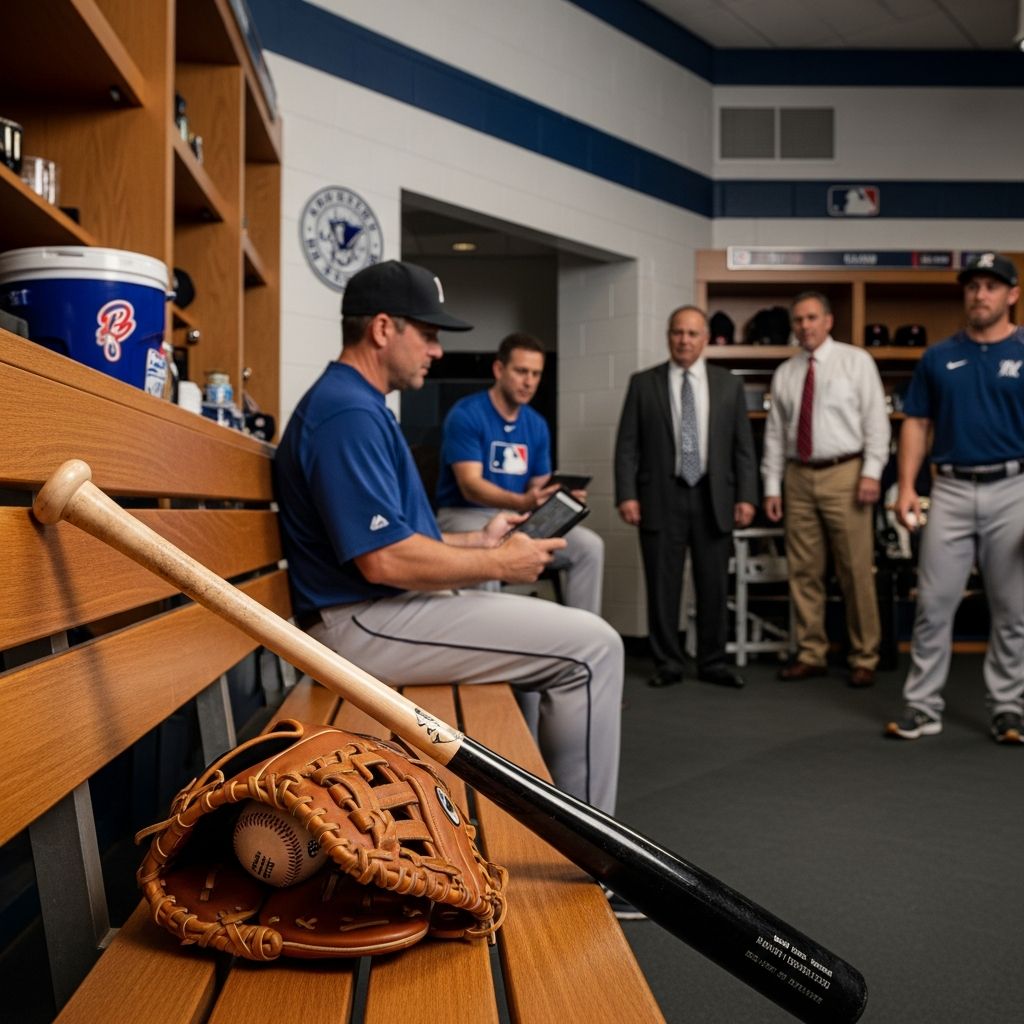
Major League Baseball (MLB) is best known for home runs, rivalries, and October drama, but behind every game is a large organization of professionals in technology, marketing, operations, law, broadcasting, and more. For many job seekers, MLB represents the intersection of a lifelong passion for sports and a modern, mission-driven workplace.
This article unpacks what it is like to build a career at MLB, what teams and roles exist off the field, how the culture and benefits compare to other employers, and how to position yourself as a strong candidate.
MLB at a Glance as an Employer
MLB is a North American professional sports organization that coordinates 30 clubs across the United States and Canada, split between the American League and National League. Off the field, its central offices function much like a global media and technology company.
| Aspect | What It Means at MLB |
|---|---|
| Organization type | Historic professional sports league overseeing 30 clubs, media rights, rules, and league-wide initiatives |
| Primary focus | Baseball competition, fan engagement, broadcast and digital media, community impact |
| Headquarters | Central business and operations offices in major U.S. cities plus local club offices |
| Work domains | Technology, data, product, marketing, legal, finance, HR, operations, broadcasting, content, and more |
| Work style | Hybrid or office-based depending on role; game-day support may require nights and weekends |
How MLB’s Mission Shapes Daily Work
Baseball has been intertwined with American culture since the 19th century and has reflected broader social changes, from wartime mobilization to civil rights milestones. That legacy directly influences the goals and projects of MLB staff today.
- Preserving tradition: Many roles support the integrity of the game—rules administration, statistics, historical records, and on-field technology standards.
- Expanding the audience: Marketing, digital, and international teams work to reach new fans and grow the sport globally.
- Community impact: Corporate social responsibility, youth programs, and diversity initiatives link baseball to education, inclusion, and local communities.
- Innovation and entertainment: Engineers and product managers build streaming platforms, data systems, and interactive experiences to keep baseball competitive in a crowded entertainment landscape.
Employees frequently describe the work as mission-driven: whether you are refining video replay systems or designing a youth outreach campaign, the end result is visible every time a game is played or streamed.
Key Corporate Teams and What They Do
Beyond club-specific roles, MLB’s central business supports the entire league. Below are common departments and the types of responsibilities you can expect.
1. Technology, Data, and Product
MLB operates as a major technology player, especially in live video, real-time statistics, and digital products for fans and teams.
- Software Engineering: Builds and maintains platforms for live game streaming, mobile apps, ticketing integrations, and internal tools.
- Data Engineering & Analytics: Manages pipelines for game data, player tracking systems, and business intelligence dashboards.
- Product Management: Defines features and roadmaps for fan-facing products (apps, websites) and internal systems (umpire tools, scheduling, operations).
- Quality Assurance: Ensures systems remain stable during peak traffic, such as postseason games or major announcements.
These teams blend sports knowledge with modern tech stacks, making MLB particularly attractive to engineers who want visible impact on a beloved sport.
2. Media, Content, and Broadcasting
MLB’s reach depends heavily on its broadcast and digital media presence. Historically, the league has been a driver of advanced broadcasting techniques and data-rich viewing experiences.
- Broadcast Operations: Coordinates national telecasts, manages relationships with networks, and supports on-site production crews.
- Content Creation: Produces highlight packages, original series, social media content, and features for league platforms.
- Digital Publishing: Curates stories, statistics, and interactive features for the league’s websites and apps.
- Rights & Distribution: Works on domestic and international distribution deals, ensuring fans can access games across platforms.
3. Business Operations and Finance
Running a multi-billion-dollar sports league requires sophisticated financial planning, strategic initiatives, and operations management.
- Finance: Budgeting, forecasting, revenue analysis, and reporting on league and central office performance.
- Strategy & Business Development: Evaluates new ventures, partnerships, and long-term growth opportunities.
- Ticketing & Revenue Operations: Coordinates league-wide initiatives around attendance, pricing experiments, and fan experience.
- Facilities & Event Operations: Plans league events (All-Star events, postseason logistics, international series) and ensures operational readiness.
4. Legal, Compliance, and Governance
Because MLB operates across borders and handles complex agreements, its legal and compliance functions are central to daily operations.
- Legal Counsel: Negotiates contracts, manages intellectual property, and advises on labor, antitrust, and regulatory matters.
- Compliance: Oversees league policies, codes of conduct, gambling rules, and integrity of the competition.
- Risk Management: Identifies and mitigates legal, reputational, and operational risks.
5. People, Culture, and Community
As MLB has grown, it has increasingly emphasized inclusive culture, workforce development, and community engagement.
- Human Resources & Talent Acquisition: Manages hiring, performance, learning and development, and benefits.
- Diversity, Equity & Inclusion (DEI): Designs initiatives to expand representation and equity in both front office and on-field roles.
- Community Relations: Coordinates charitable partnerships, youth programs, and community-focused events.
Work Environment and Culture
Culture varies by team, but some themes are common across MLB offices and roles.
Mission-Driven, Fan-Focused Work
Employees often describe a strong sense of pride knowing their work connects directly to fans, players, and historic moments. Even in corporate roles, you see the impact of your work during every game and league event.
Hybrid Work and Game-Day Rhythms
Many corporate roles follow a hybrid schedule, combining remote work with in-office collaboration days, though exact arrangements differ by location and job function.
- Non-event days may resemble a typical corporate workweek, with standard hours.
- Game operations, media, and event teams can expect evenings, weekends, and travel around key events and the postseason.
- Technology and support teams may implement on-call rotations to safeguard systems during live games.
Collaboration Across Cities and Clubs
League staff collaborate with all 30 clubs, external partners, and vendors. Projects often require cross-functional teams, bringing together technologists, marketers, lawyers, and baseball operations professionals to solve complex problems.
Professional Development and Growth
Like other large organizations, MLB invests in long-term employee development to keep skills current and retain institutional knowledge.
- Formal and informal mentorship relationships with experienced leaders.
- Access to training on leadership, technical skills, and industry trends.
- Internal mobility between departments or from central office to club roles and vice versa.
Benefits and Perks You Can Expect
While exact benefits differ by role and location, MLB typically offers a comprehensive package designed to compete with other large employers.
- Core health and wellness: Medical, dental, vision insurance; mental health support; and wellness initiatives similar to those at other large U.S. employers.
- Retirement and financial benefits: 401(k) or comparable retirement plans, often with employer contributions, plus financial education resources.
- Time off: Paid vacation, holidays, and sick time, with flexibility that may depend on game schedules and event responsibilities.
- Family support: Depending on position and location, policies may include parental leave and flexible scheduling.
- Unique sports perks: Access to games, special events, or internal viewing spaces, plus opportunities to attend league initiatives and fan experiences.
Who Thrives in MLB Roles?
Not every sports fan is automatically a fit for MLB, and you do not need to have played baseball to succeed. People who tend to thrive share several traits:
- Enduring interest in sports or live events: An appreciation for the rhythm of a long season, not just the highlights.
- Resilience during peak periods: Comfort with occasional intense workloads around opening day, All-Star events, and postseason.
- Collaborative mindset: Ability to work with multiple stakeholders, including clubs, partners, and internal teams.
- Comfort with visibility: Knowing that mistakes can be highly visible when millions of fans are watching.
- Curiosity and learning orientation: Eagerness to learn new tools, adapt to rule changes, and understand fan behavior.
How to Position Yourself for a Job at MLB
Landing a role with a prominent sports league is competitive, but targeted preparation and a thoughtful application strategy can significantly strengthen your chances.
1. Translate Your Skills into the Sports Context
Start by mapping your existing experience to MLB’s needs.
- Engineers can highlight experience with real-time systems, streaming, or scalable web and mobile applications.
- Marketers can showcase work on fan engagement, community building, or brand storytelling.
- Data professionals can emphasize analytics related to customer behavior, forecasting, or decision support.
- Operations candidates can point to complex event planning, logistics, or multi-site coordination.
Use language that mirrors the challenges MLB faces: live events, seasonality, global audiences, and high reliability requirements.
2. Demonstrate Genuine Engagement with the Game
You do not need encyclopedic knowledge of baseball history, but you should show that you understand MLB’s role in sports and entertainment.
- Follow league news, rule changes, and major initiatives.
- Be prepared to discuss how technology, viewing habits, or demographics are changing fan expectations.
- Connect your personal interest in sports to the specific role you are applying for rather than relying on generic fandom.
3. Tailor Your Application to the Team and Role
Different departments at MLB have their own priorities and cultures. Research the team you are targeting, then customize your resume and cover letter.
- Highlight relevant projects with measurable outcomes (for example, reduced latency, increased engagement, or improved conversion rates).
- Mention any experience working with cross-functional groups, especially in high-pressure contexts.
- Emphasize familiarity with tools or technologies listed in the job posting.
4. Prepare for Behavioral and Technical Interviews
Expect a mix of competency, behavioral, and role-specific interviews.
- Behavioral questions: Focus on teamwork, dealing with ambiguity, delivering under tight deadlines, and learning from mistakes.
- Technical or functional questions: Vary by role and may include case studies, coding exercises, portfolio reviews, or scenario-based prompts.
- Cultural fit questions: Often explore your interest in baseball, comfort with the league’s public visibility, and alignment with its values.
Sample Roles Across Experience Levels
Though titles and structures evolve, many entry-level and experienced roles fall into recognizable patterns. Example categories include:
- Early-career: Analyst, coordinator, junior engineer, production assistant, rotational program participant.
- Mid-level: Manager, senior engineer, product owner, marketing manager, finance manager.
- Senior and leadership: Director, senior director, VP, technical lead, head of function.
Candidates often start in supporting roles, prove their ability to handle game-day pressures and cross-functional collaboration, and then move into positions with more strategic or managerial responsibility.
Frequently Asked Questions (FAQs)
Q: Do I need sports industry experience to work at MLB?
A: No. Many employees come from technology firms, media companies, consulting, finance, or other industries. Sports knowledge is helpful, but strong functional skills and a willingness to learn the baseball context are usually more important.
Q: Are MLB jobs all based in one city?
A: No. While league offices are concentrated in a few major U.S. cities, roles also exist in regional offices, media facilities, and club locations across the United States and Canada.
Q: How intense are the work hours during the season?
A: Hours vary widely. Corporate staff in finance or HR may have more traditional schedules, while those in broadcasting, game operations, or event logistics can expect evenings and weekends—especially around Opening Day, All-Star events, and the postseason.
Q: Is there room to grow a long-term career at MLB?
A: Yes. Employees can move between teams, take on larger projects, and pursue leadership roles over time. Some also transition between league offices and individual club front offices, broadening their exposure to different parts of the sport.
Q: How can students and recent graduates get started?
A: Internships, seasonal assignments, and entry-level analyst or coordinator roles are common starting points. Highlight any experience that shows reliability during busy periods, data literacy, communication skills, and team collaboration.
References
- Major League Baseball — MLB (Official Information). 2024-03-15. https://www.mlb.com/official-information/about-mlb
- Major League Baseball — Encyclopaedia Britannica. 2024-01-10. https://www.britannica.com/topic/Major-League-Baseball
- Major League Baseball — Wikipedia. 2024-06-01. https://en.wikipedia.org/wiki/Major_League_Baseball
- Baseball History, American History and You — National Baseball Hall of Fame. 2023-07-18. https://baseballhall.org/baseball-history-american-history-and-you
- Timeline of Major League Baseball — Wikipedia. 2024-06-01. https://en.wikipedia.org/wiki/Timeline_of_Major_League_Baseball
- MLB Baseball Historical Statistics — ESPN. 2024-04-02. https://www.espn.com/mlb/history

Medha Deb is an editor with a master's degree in Applied Linguistics from the University of Hyderabad. She believes that her qualification has helped her develop a deep understanding of language and its application in various contexts. Medha specializes in the areas of beauty, health, sports, and wellness and is committed to ensuring that the content on the website is…