
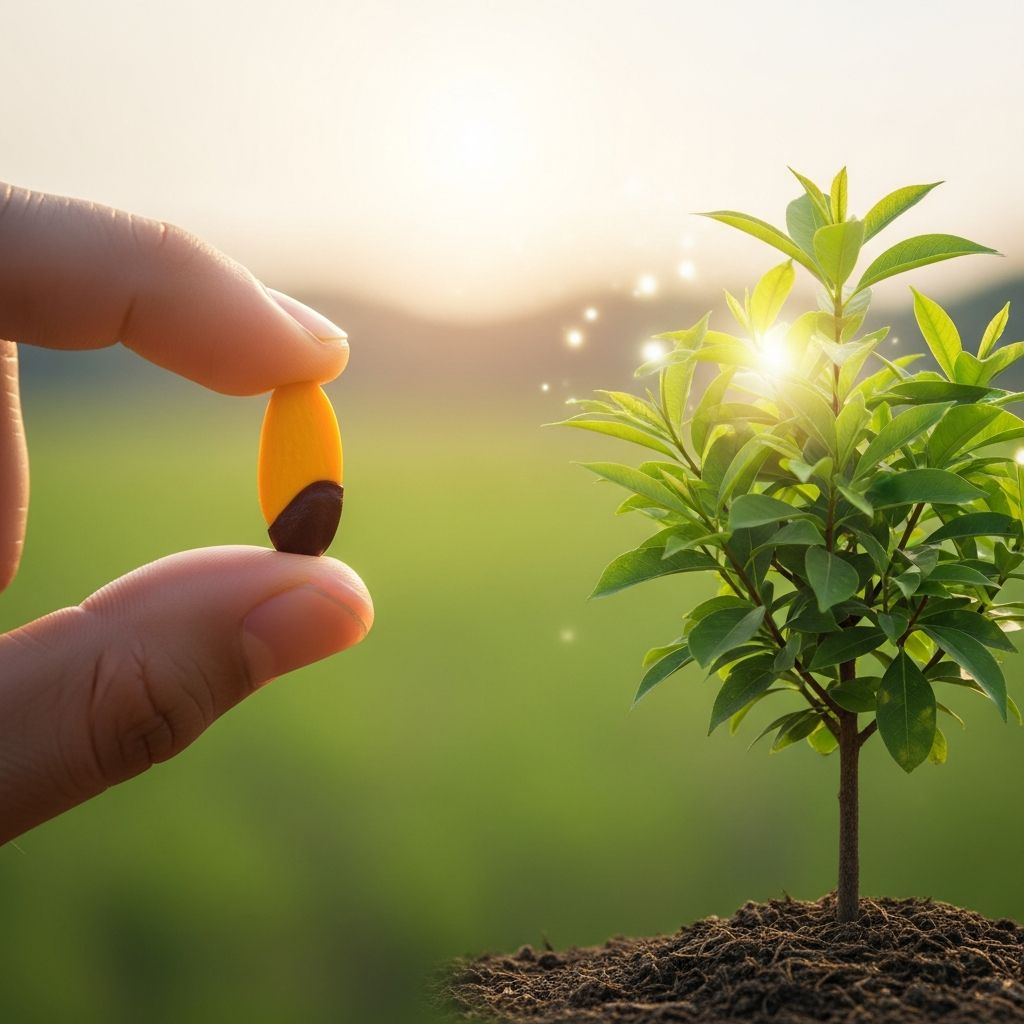
The Quiet Strength Behind Lasting Success
In a world where everything is designed to be fast—fast food, fast replies, fast results—the ability to wait for something better often feels like a lost art. Yet, beneath the surface of immediate satisfaction lies a powerful psychological skill: delayed gratification. This is the conscious choice to forgo a smaller, immediate reward in favor of a larger, more meaningful one in the future. It’s not just about willpower; it’s about foresight, emotional maturity, and the capacity to align actions with long-term values.
Research in psychology and neuroscience consistently shows that people who can delay gratification tend to experience better outcomes in education, career, relationships, and health. They are more likely to save money, maintain healthy habits, manage stress effectively, and build deeper, more trusting relationships. But in a culture that rewards speed and instant feedback, how do we cultivate this skill? And why does it matter so much for personal and professional growth?
What Delayed Gratification Really Means
Delayed gratification is more than simply saying “no” to temptation. It’s a complex cognitive and emotional process that involves:
- Recognizing that a short-term pleasure may undermine a long-term goal
- Managing impulses and emotional reactions in the moment
- Trusting that the future reward is both attainable and worth the wait
- Staying committed to a plan even when motivation dips
For example, choosing to study instead of scrolling social media, saving money instead of making an impulse purchase, or exercising instead of watching TV all reflect delayed gratification. Each of these decisions requires a mental shift from “What do I want right now?” to “What do I want my life to look like in six months or five years?”
Why the Brain Resists Waiting
From an evolutionary perspective, humans are wired to prioritize immediate rewards. In environments where resources were scarce and unpredictable, acting quickly on available food, safety, or social connection increased survival chances. Today, that same wiring makes us vulnerable to instant gratification traps: endless notifications, one-click shopping, and on-demand entertainment.
Neuroscience explains this through two key brain systems:
- The limbic system – responsible for emotions, desires, and quick reactions. It drives impulses like craving sweets, checking messages, or avoiding discomfort.
- The prefrontal cortex – involved in planning, reasoning, and self-regulation. This is the part of the brain that helps us pause, reflect, and choose long-term benefits over short-term urges.
When the limbic system dominates, we act on impulse. When the prefrontal cortex is engaged, we can delay gratification. The good news is that this capacity can be strengthened with practice, much like a muscle.
Long-Term Benefits of Choosing Later Over Now
People who regularly practice delayed gratification tend to experience advantages across multiple areas of life. These benefits are not just anecdotal; they are supported by decades of psychological research.
Academic and Professional Achievement
Students who can resist distractions and focus on long-term goals—like studying for exams or completing projects—often perform better academically. They are more likely to graduate, pursue higher education, and develop expertise in their fields.
In the workplace, delayed gratification translates into:
- Greater persistence in challenging tasks
- Willingness to invest time in skill development
- Ability to delay promotions or raises in favor of more meaningful roles
- Stronger decision-making under pressure
These traits are strongly associated with career advancement, leadership potential, and job satisfaction.
Financial Health and Stability
Financial decisions are one of the clearest arenas where delayed gratification pays off. People who save, invest, and avoid impulsive spending are more likely to build wealth, reduce debt, and achieve financial independence.
Consider these contrasts:
| Immediate Gratification | Delayed Gratification |
|---|---|
| Buying a new gadget on credit | Saving for the same item over time |
| Spending bonuses on vacations | Investing bonuses for retirement |
| Living paycheck to paycheck | Building an emergency fund |
Over time, the cumulative effect of choosing delayed rewards leads to greater financial security and freedom.
Physical and Mental Well-Being
Health behaviors are deeply tied to the ability to delay gratification. Eating nutritious food, exercising regularly, getting enough sleep, and avoiding harmful substances all require resisting short-term pleasures for long-term benefits.
People who delay gratification in health-related choices tend to:
- Maintain healthier body weight
- Have lower risk of chronic diseases
- Experience better sleep and energy levels
- Report higher levels of life satisfaction
Emotionally, delayed gratification supports better regulation of stress, anxiety, and frustration. Instead of seeking quick fixes like emotional eating, substance use, or avoidance, individuals learn to tolerate discomfort and work through challenges constructively.
Stronger Relationships and Social Skills
Healthy relationships require patience, empathy, and the ability to prioritize shared goals over individual impulses. Delayed gratification plays a key role in:
- Listening fully before reacting in conflicts
- Investing time in building trust and intimacy
- Choosing constructive communication over impulsive criticism
- Supporting a partner’s long-term goals even when inconvenient
These behaviors foster deeper connections, reduce conflict, and increase relationship satisfaction over time.
Common Obstacles to Delaying Gratification
While the benefits are clear, many people struggle to delay gratification consistently. Several factors make it difficult:
- Uncertainty about the future – If the promised reward feels unreliable or distant, waiting seems less worthwhile.
- High stress or emotional distress – Under pressure, the brain seeks quick relief, making impulsive choices more appealing.
- Environmental triggers – Constant exposure to ads, notifications, and temptations makes self-control harder.
- Lack of clear goals – Without a compelling vision of the future, it’s easy to default to immediate pleasures.
- Underlying conditions – ADHD, anxiety, depression, and trauma can impair executive function and emotional regulation, making delayed gratification especially challenging.
Recognizing these obstacles is the first step toward overcoming them. The goal is not perfection, but progress—building the capacity to wait a little longer, choose a little more wisely, and align actions with values.
Practical Strategies to Strengthen Delayed Gratification
Delayed gratification is not a fixed trait; it’s a skill that can be developed with intention and practice. Here are several evidence-based approaches to build this capacity.
Clarify Your Long-Term Vision
Start by defining what matters most to you in the long run. Ask yourself:
- What kind of life do I want in 5–10 years?
- What habits, skills, or relationships do I need to build to get there?
- What short-term choices are moving me toward or away from that vision?
Writing down a clear, vivid description of your ideal future can make delayed rewards feel more real and motivating.
Break Goals into Manageable Steps
Large goals can feel overwhelming, increasing the temptation to give up or seek quick fixes. Break them into smaller, concrete actions:
- Instead of “get fit,” aim for “walk 20 minutes three times this week.”
- Instead of “save $10,000,” focus on “save $200 per month.”
- Instead of “learn a language,” commit to “practice 10 minutes daily.”
Each small step reinforces the habit of delaying gratification and builds momentum over time.
Use the “Pause and Reflect” Technique
When faced with an impulse—like buying something online, eating junk food, or checking your phone—introduce a short delay:
- Wait 10–15 minutes before acting.
- During that time, ask: “Does this align with my long-term goals?”
- Consider the short-term pleasure versus the long-term cost.
This simple pause creates space between impulse and action, allowing the prefrontal cortex to engage.
Design Your Environment for Success
Self-control is easier when the environment supports it. Reduce exposure to triggers that pull you toward instant gratification:
- Unsubscribe from shopping emails or mute tempting notifications.
- Keep unhealthy snacks out of the house or place them in less accessible locations.
- Create dedicated spaces for focused work or relaxation, free from distractions.
By shaping your surroundings, you reduce the need to rely solely on willpower.
Pair Delayed Rewards with Intentional Pleasures
Delayed gratification doesn’t mean denying all enjoyment. Instead, link long-term efforts with meaningful, planned rewards:
- Allow yourself a favorite show after completing a work task.
- Plan a special meal after a week of healthy eating.
- Treat yourself to a small purchase after reaching a savings milestone.
These intentional rewards reinforce the value of waiting and make the process more sustainable.
Practice Mindfulness and Emotional Awareness
Mindfulness helps you observe cravings, urges, and emotions without automatically acting on them. Regular practice can:
- Increase awareness of impulsive patterns
- Improve emotional regulation
- Strengthen the ability to tolerate discomfort
Simple practices like mindful breathing, body scans, or journaling about urges can build this skill over time.
Build Trust in the Process
Delayed gratification requires trust: trust that the future reward is real, attainable, and worth the effort. To strengthen this trust:
- Start with small, achievable delays (e.g., waiting a day before making a non-essential purchase).
- Track progress and celebrate small wins.
- Reflect on past successes where waiting paid off.
Each successful experience reinforces the belief that patience leads to better outcomes.
When Delayed Gratification Feels Impossible
For some people, delaying gratification is exceptionally difficult, especially when dealing with chronic stress, trauma, or neurodevelopmental conditions like ADHD. In these cases, it’s important to recognize that:
- Self-control is not a moral failing; it’s a skill influenced by biology, environment, and life experience.
- Strategies that work for one person may not work for another.
- Professional support—such as therapy, coaching, or medication—can be essential.
If you consistently struggle with impulsivity, emotional dysregulation, or feeling stuck in cycles of instant gratification, seeking help is not a sign of weakness. It’s a courageous step toward building a life that aligns with your values and goals.
FAQs About Delayed Gratification
Q: Is delayed gratification the same as self-control?
A: Delayed gratification is a specific form of self-control. Self-control is the broader ability to regulate impulses, emotions, and behaviors, while delayed gratification focuses specifically on choosing long-term rewards over immediate ones.
Q: Can delayed gratification be learned as an adult?
A: Yes. While early experiences shape this skill, adults can strengthen delayed gratification through intentional practice, goal-setting, mindfulness, and environmental design. Neuroplasticity allows the brain to adapt and improve self-regulation at any age.
Q: Isn’t some instant gratification healthy?
A: Yes. Enjoying small pleasures in moderation is part of a balanced life. The key is balance: using delayed gratification to achieve meaningful goals while still allowing space for joy, relaxation, and spontaneity.
Q: How can parents help children develop delayed gratification?
A: Parents can model patience, set consistent routines, use simple waiting games (like “wait five minutes for dessert”), and praise efforts to wait. Teaching children to name their feelings and think about consequences also supports this skill.
Q: What if the long-term reward never comes?
A: This is a valid concern. To reduce this risk, focus on goals that are within your control (e.g., effort, habits) rather than uncertain outcomes (e.g., promotions, external validation). Even if the exact reward doesn’t materialize, the process of delaying gratification builds resilience, discipline, and self-respect.
References
- Delay of Gratification in Children — Shoda, Y., Mischel, W., & Peake, P. K. (1990). Journal of Personality and Social Psychology. 1990. https://doi.org/10.1037/0022-3514.59.5.978
- Executive Functions — Diamond, A. (2013). Annual Review of Psychology. 2013. https://doi.org/10.1146/annurev-psych-113011-143750
- Mindfulness and Self-Regulation — Harvard Health Publishing, Harvard Medical School. 2021. https://www.health.harvard.edu/mind-and-mood/mindfulness-meditation-helps-fight-impulsivity

Medha Deb is an editor with a master's degree in Applied Linguistics from the University of Hyderabad. She believes that her qualification has helped her develop a deep understanding of language and its application in various contexts. Medha specializes in the areas of beauty, health, sports, and wellness and is committed to ensuring that the content on the website is…