
Understanding the Modern Coaching Experience
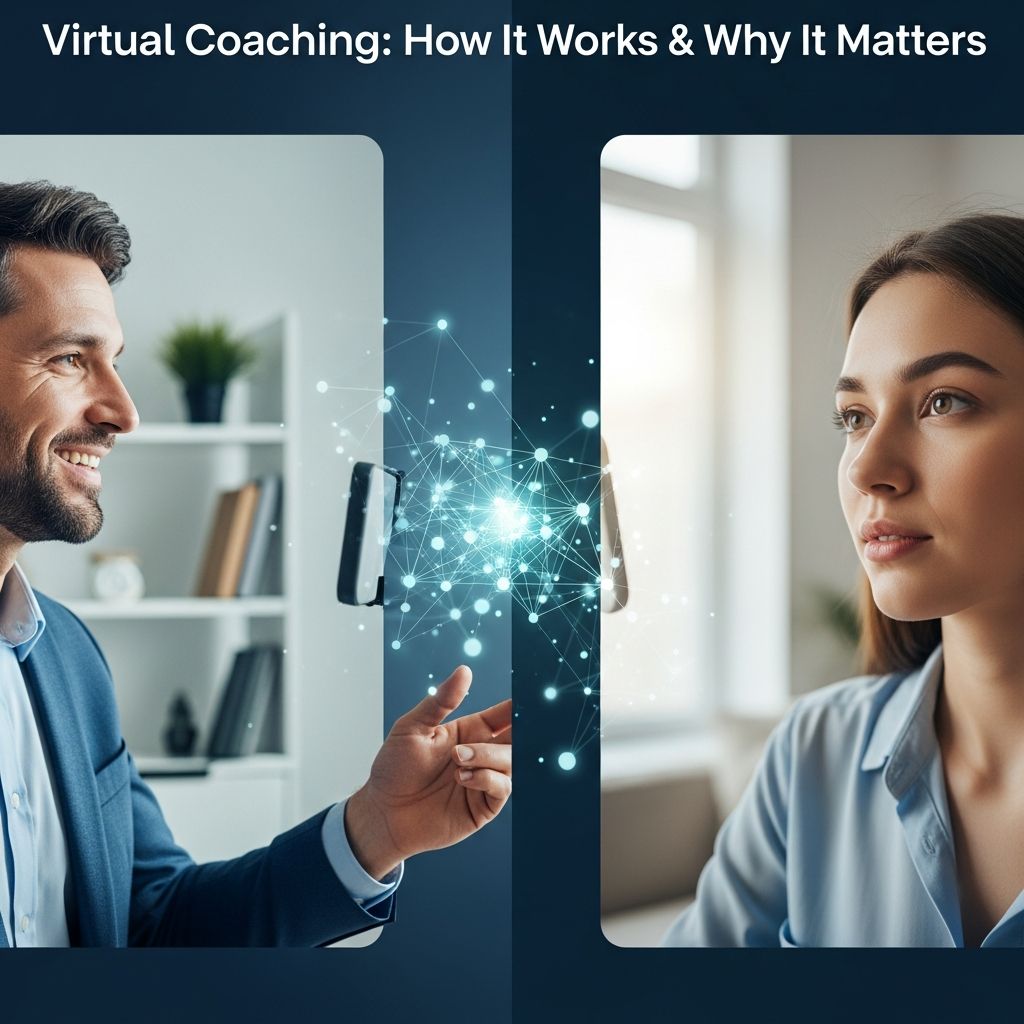
Professional development has evolved beyond the traditional office meeting or in-person workshop. Today, many individuals and organizations rely on virtual coaching to support growth, improve performance, and build stronger leadership. This approach uses digital tools to connect coaches and clients in real time, regardless of physical location, while maintaining the depth and personalization of face-to-face sessions.
Virtual coaching is not simply a video call with advice. It is a structured, goal-oriented process that leverages technology to create meaningful, lasting change. Whether used for leadership development, career transitions, or team performance, it offers a flexible, scalable way to support people where they are—both geographically and professionally.
What Exactly Is Virtual Coaching?
At its core, virtual coaching is a guided, one-on-one or small-group development process that takes place remotely. A trained coach works with an individual or team to clarify goals, identify obstacles, build skills, and create actionable plans—all through digital platforms like video conferencing, messaging apps, and learning management systems.
Unlike generic training or self-paced courses, virtual coaching is highly personalized. The coach adapts their approach based on the client’s role, challenges, learning style, and objectives. Sessions are typically recurring, with regular check-ins, progress tracking, and ongoing support to ensure sustained growth.
Common formats include:
- One-on-one leadership or executive coaching
- Team coaching for managers and cross-functional groups
- Career coaching for individuals navigating transitions
- Performance coaching to improve specific skills or behaviors
- Onboarding and integration support for new hires
How Virtual Coaching Actually Works
While the medium is digital, the process follows a clear coaching framework. Here’s how it typically unfolds in practice:
1. Initial Assessment and Goal Setting
The process usually begins with an intake conversation or assessment. The coach learns about the client’s role, current challenges, strengths, and aspirations. This helps define clear, measurable goals—whether that’s improving communication, leading more effectively, managing stress, or preparing for a promotion.
Tools like personality assessments, 360-degree feedback, or performance reviews may be used to gather additional insights. The outcome is a tailored development plan that outlines focus areas, milestones, and success criteria.
2. Structured Coaching Sessions
Regular sessions—often weekly or biweekly—form the backbone of the coaching relationship. These are typically 45–60 minutes long and held via video call, though some programs also include asynchronous messaging or short check-ins.
During each session, the coach uses techniques such as:
- Powerful questioning to deepen self-awareness
- Active listening to understand underlying concerns
- Feedback and reflection to challenge assumptions
- Action planning to turn insights into concrete steps
The focus is not on giving direct advice, but on helping the client discover their own solutions and build confidence in their decision-making.
3. Between-Session Support and Tools
Effective virtual coaching doesn’t stop when the call ends. Many platforms provide access to:
- Digital workbooks and reflection exercises
- Progress tracking dashboards
- Resource libraries (articles, videos, templates)
- Goal-setting and habit-tracking tools
- Secure messaging for quick questions or updates
This continuous support helps clients stay engaged, apply what they’ve learned, and maintain momentum between sessions.
4. Progress Review and Adjustment
Periodically, the coach and client review progress against the original goals. This might involve revisiting assessment data, discussing feedback from peers or managers, or evaluating changes in behavior and performance.
If needed, the development plan is adjusted to reflect new priorities, challenges, or opportunities. This iterative approach ensures that coaching remains relevant and impactful over time.
Why Organizations Are Embracing Virtual Coaching
For companies, virtual coaching is more than a convenience—it’s a strategic enabler of talent development and performance. Here’s why it’s becoming a standard part of modern HR and L&D strategies.
Breaking Down Geographic Barriers
Global teams, remote workers, and hybrid work models make in-person coaching impractical for many organizations. Virtual coaching removes the need for travel and physical meeting spaces, allowing leaders and employees in different time zones or countries to access high-quality coaching without disruption.
This is especially valuable for multinational companies that want consistent development experiences across regions, or for organizations with distributed teams that rarely meet in person.
Scaling Development Across the Organization
Traditional coaching is often limited to a small number of senior leaders due to cost and logistics. Virtual coaching changes that equation by making it easier and more cost-effective to roll out coaching programs at scale.
Organizations can:
- Offer coaching to high-potential employees at multiple levels
- Support managers in developing their teams
- Run targeted programs for onboarding, leadership transitions, or change initiatives
- Integrate coaching into broader talent management systems
With the right platform and structure, coaching can become a core part of the employee experience, not just a perk for a select few.
Driving Measurable Performance Outcomes
When implemented well, virtual coaching delivers tangible business results. Research and organizational data show that coaching can lead to:
- Improved leadership effectiveness and decision-making
- Higher employee engagement and retention
- Stronger team collaboration and communication
- Greater agility in responding to change
- Increased confidence and resilience in high-pressure roles
By aligning coaching goals with business objectives—such as improving customer satisfaction, reducing turnover, or accelerating project delivery—organizations can demonstrate clear ROI from their investment.
Benefits for Individuals and Teams
While organizations gain strategic advantages, the real impact of virtual coaching is felt by the people who participate. Here’s what individuals and teams typically experience.
Greater Flexibility and Accessibility
One of the most immediate benefits is convenience. Coaching sessions can be scheduled around work commitments, travel, and personal responsibilities, making it easier to prioritize development without adding stress.
Participants can join from home, a quiet office, or even while traveling, as long as they have a stable internet connection. This flexibility increases participation rates and reduces dropouts compared to programs that require fixed in-person attendance.
Deeper Self-Awareness and Confidence
Through guided reflection and feedback, virtual coaching helps individuals gain a clearer understanding of their strengths, blind spots, and behavioral patterns. This self-awareness is the foundation for meaningful change.
Over time, clients often report increased confidence in their abilities, better decision-making, and a stronger sense of purpose in their roles. They become more comfortable with ambiguity, more willing to take initiative, and more effective in influencing others.
Improved Communication and Leadership Skills
Many coaching programs focus on practical skills such as giving feedback, managing conflict, leading meetings, and building trust. Virtual coaching provides a safe space to practice these skills, receive real-time feedback, and refine approaches.
Participants learn to communicate more clearly, listen more actively, and adapt their style to different audiences and situations. These improvements often ripple across teams, leading to better collaboration and fewer misunderstandings.
Enhanced Accountability and Follow-Through
Having a regular coaching conversation creates natural accountability. Clients are more likely to follow through on commitments when they know they will discuss progress with their coach.
Coaches help clients break down big goals into manageable steps, anticipate obstacles, and celebrate small wins. This structured support increases the likelihood of sustained behavior change, rather than short-term motivation that fades after a training session.
Support for Well-Being and Work-Life Balance
Modern coaching increasingly addresses not just performance, but also well-being. Virtual coaching can help individuals manage stress, set boundaries, prioritize tasks, and maintain energy over the long term.
By focusing on both professional and personal dimensions, coaching supports a more sustainable, fulfilling career path. This holistic approach is especially valuable in high-pressure environments where burnout is a real risk.
Key Elements of an Effective Virtual Coaching Program
Not all virtual coaching experiences are equally effective. To get the most value, organizations and individuals should look for programs that include the following elements.
Qualified, Experienced Coaches
The quality of the coaching relationship depends heavily on the coach’s expertise, training, and experience. Look for coaches who are certified by recognized coaching bodies and have relevant industry or functional experience.
Good coaches combine strong interpersonal skills with a structured methodology, ensuring that sessions are both supportive and results-oriented.
Clear Structure and Goals
Effective programs start with a clear purpose and measurable outcomes. Whether it’s leadership development, onboarding support, or performance improvement, the coaching should be aligned with specific objectives.
Participants should understand what is expected of them, how progress will be measured, and how coaching connects to broader organizational goals.
Integrated Technology Platform
The technology should enhance, not hinder, the coaching experience. A strong platform typically includes:
- Secure video conferencing with screen sharing
- Session scheduling and reminders
- Progress tracking and goal management
- Resource libraries and learning materials
- Analytics for HR and L&D teams
The interface should be intuitive for both coaches and clients, minimizing technical friction and maximizing engagement.
Ongoing Evaluation and Improvement
Successful programs regularly collect feedback from participants and stakeholders. This might include:
- Session satisfaction surveys
- 360-degree feedback on behavioral changes
- Performance metrics (e.g., engagement scores, retention rates)
- Manager and peer observations
This data helps refine the program over time, ensuring it remains relevant and impactful.
Common Questions About Virtual Coaching
Is virtual coaching as effective as in-person coaching?
Research and organizational experience show that virtual coaching can be just as effective as in-person coaching, especially when the relationship is well-structured and the technology is reliable. The key factors are the quality of the coach, the clarity of goals, and the consistency of the process, not the physical location of the sessions.
Who benefits most from virtual coaching?
Virtual coaching is valuable for a wide range of people, including:
- Leaders and executives developing strategic skills
- Managers learning to lead teams more effectively
- High-potential employees preparing for greater responsibility
- New hires integrating into a new role or culture
- Individuals navigating career transitions or performance challenges
How long does a typical virtual coaching engagement last?
Most programs run for 3–6 months, with regular sessions (e.g., biweekly or monthly). Shorter engagements (6–12 sessions) may focus on specific goals like onboarding or a leadership transition, while longer programs support broader development journeys.
Can virtual coaching be combined with other learning formats?
Yes, virtual coaching works well alongside other development activities such as workshops, e-learning, mentoring, and peer learning. In fact, combining coaching with formal training often leads to better knowledge retention and application, as coaching helps participants translate theory into practice.
How do organizations measure the impact of virtual coaching?
Impact can be measured through a mix of qualitative and quantitative methods, including:
- Participant feedback and satisfaction scores
- Changes in self-reported confidence and skills
- Manager and peer feedback on behavior changes
- Performance metrics (e.g., productivity, engagement, retention)
- Business outcomes linked to coaching goals (e.g., project success, customer satisfaction)
Getting Started with Virtual Coaching
For organizations and individuals considering virtual coaching, here are a few practical steps to begin:
- Clarify the purpose: Define what you want to achieve—better leadership, improved performance, smoother onboarding, etc.
- Choose the right format: Decide whether one-on-one, group, or team coaching makes the most sense for your needs.
- Select a reputable provider: Look for a platform or coaching firm with experienced coaches, a proven methodology, and strong technology.
- Set clear expectations: Communicate goals, time commitments, and success criteria to participants and stakeholders.
- Monitor and adjust: Collect feedback regularly and be ready to refine the program based on what’s working.
When done thoughtfully, virtual coaching can become a powerful lever for growth, performance, and long-term success in today’s dynamic work environment.
References
- Virtual Coaching is Inevitable and Effective — Regent University Research Roundtables. 2022. https://www.regent.edu/wp-content/uploads/2022/10/Regent-Research-Roundtables-2022-Professional-Coaching-Doolittle.pdf
- The Power of Virtual Coaching for Global Talent Development — CareerMinds. https://careerminds.com/blog/the-power-of-virtual-coaching-for-global-talent-development
- What Are the Benefits of Virtual Coaching? — Indeed Career Guide. https://ca.indeed.com/career-advice/career-development/benefits-of-virtual-coaching

- Integrated M.A. in Applied Linguistics, University of Hyderabad
- 5+ years in editorial, instructional, SEO, and research-based writing
Sneha is a relationships and lifestyle writer with a strong foundation in applied linguistics and certified training in relationship coaching. She brings over five years of writing experience to theskillvault, crafting thoughtful, research-driven content that empowers readers to build healthier relationships, boost emotional well-being, and embrace holistic living. Her writing and insights reflect the belief that beauty, happiness, and wellness…