
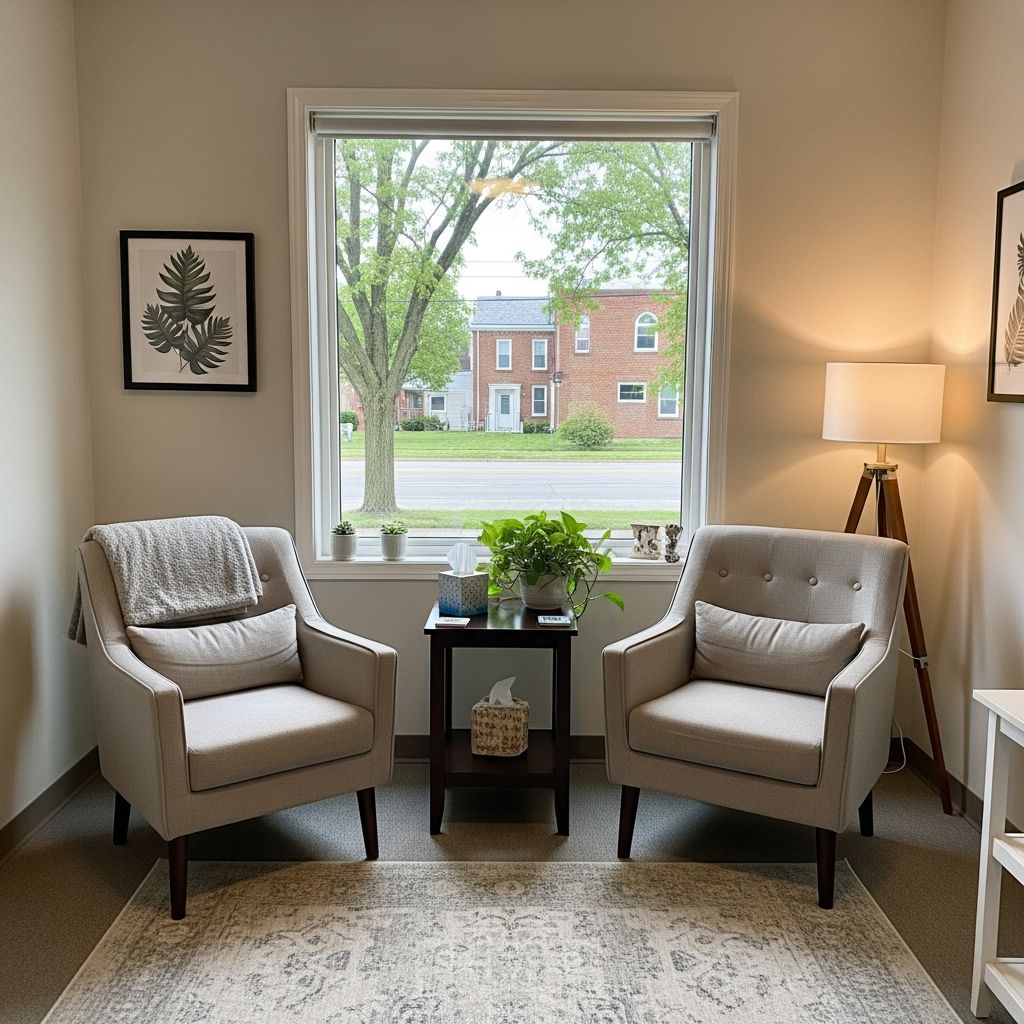
Fairfield, Ohio and nearby communities offer a wide range of counseling and mental health services for individuals, couples, and families. Whether you are facing anxiety, depression, relationship stress, substance use concerns, or simply feeling stuck, effective help is available close to home. This guide walks you through the main types of services, how to choose a counselor, and what to expect when you start therapy.
Why Local Counseling Matters
Seeing a counselor in your own community can make it easier to attend appointments consistently and build a strong, ongoing relationship with your provider. Research has shown that a solid therapeutic alliance—the collaborative relationship between client and therapist—is one of the best predictors of positive outcomes in counseling, regardless of the specific therapy method used.
In Fairfield and the wider Butler and Fairfield counties, residents can access:
- Private practice therapists and group practices
- Community mental health centers
- Substance use and dual-diagnosis programs
- Specialized services for children, teens, and families
- Telehealth counseling from local or regional providers
Common Types of Counseling Available in Fairfield
Most local counseling centers offer a mix of services designed to meet different needs across the lifespan. Understanding these options can help you decide which setting fits you best.
Individual Counseling for Adults
Individual counseling (or individual psychotherapy) involves one-on-one meetings with a licensed mental health professional. It is commonly used to address:
- Depression, low mood, or loss of interest in activities
- Anxiety, panic, excessive worry, or stress
- Trauma and post-traumatic stress
- Grief and complicated loss
- Workplace burnout and life transitions
- Identity, self-esteem, or relationship patterns
Evidence-based therapies, such as cognitive behavioral therapy (CBT), interpersonal therapy, and problem-solving therapy, have been shown to effectively treat common conditions like anxiety and depression when delivered by trained clinicians.
Counseling for Children and Teens
Fairfield-area families can find therapists who specialize in working with children and adolescents. These clinicians often use age-appropriate approaches, such as play therapy, behavioral strategies, and family-focused interventions. Services may help with:
- School refusal, academic stress, or behavioral concerns
- Social difficulties and bullying
- Mood changes, irritability, or self-harm risk
- Adjustment to divorce, relocation, or family conflict
- Early signs of anxiety, depression, or trauma responses
Many community mental health organizations in Fairfield County specifically list early childhood and youth mental health services among their core programs.
Couples and Relationship Counseling
Couples counseling or marriage therapy focuses on the dynamics between partners rather than just one person’s symptoms. Common goals include:
- Improving communication and conflict resolution
- Rebuilding trust after affairs or major breaches
- Navigating parenting differences
- Addressing sexual concerns or intimacy issues
- Making thoughtful decisions about separation or repair
Many Fairfield practices also offer premarital counseling or short-term consultation for specific issues.
Family Counseling
Family counseling brings several family members into the room, often to address patterns that affect everyone. It can be especially helpful when:
- A child or teen is struggling at school or at home
- Parents feel stuck in repeated arguments with children
- Blended families are adjusting after remarriage
- Illness, loss, or addiction has changed the family system
Local providers frequently offer both short-term and longer-term family work, sometimes in combination with individual sessions.
Substance Use and Dual-Diagnosis Services
Substance use counseling supports people coping with alcohol or drug problems, either on their own or alongside other mental health issues. Many community-based programs in Fairfield County combine:
- Assessment and diagnosis of substance use disorders
- Individual and group counseling
- Case management and recovery support
- Collaboration with medical providers for medications when appropriate
Integrated care is important because substance use and mental health conditions often occur together. National survey data indicate that a significant proportion of individuals with substance use disorders also meet criteria for a mental health disorder, which can complicate recovery if not addressed in a coordinated way.
Settings Where Fairfield Residents Can Receive Care
Mental health care in and around Fairfield is delivered through several types of organizations. Each setting has different strengths.
| Type of Provider | Typical Strengths | Best For |
|---|---|---|
| Private practices & group practices | Flexible scheduling, broader choice of specialties, often shorter waits | Individuals or couples seeking targeted therapy with a specific provider |
| Community mental health centers | Sliding scale fees, coordination with case management and psychiatry | People needing affordable, comprehensive services or support with multiple needs |
| Nonprofit agencies | Mission-driven services, specialized programs for youth and families | Families looking for child and adolescent support, early intervention, and prevention |
| Telehealth platforms | Convenience, less travel time, access to a wider geographic pool of clinicians | Clients with transportation or scheduling barriers, or those preferring virtual care |
How to Choose a Counselor in Fairfield
Selecting a counselor is both a practical and a personal decision. Consider the following factors before scheduling.
1. Credentials and Licensure
In Ohio, mental health services are typically provided by licensed clinical professionals such as:
- Licensed Professional Clinical Counselors (LPCC)
- Licensed Independent Social Workers (LISW)
- Psychologists (PhD or PsyD)
- Marriage and Family Therapists (IMFT/LMFT)
You can verify a clinician’s license status through the Ohio Counselor, Social Worker, and Marriage and Family Therapist Board or the State Board of Psychology. Checking licensure confirms that the therapist has met educational, supervision, and ethical standards set by the state.
2. Areas of Specialization
Many Fairfield-area therapists highlight specific clinical interests or expertise. You might look for someone who frequently works with:
- Anxiety, depression, or mood disorders
- Trauma, abuse, or post-traumatic stress
- Couples and relationship issues
- Child and adolescent concerns
- LGBTQ+ clients, veterans, or other particular populations
Using directories and local practice websites, you can read therapist profiles and identify who has experience with challenges that are similar to yours.
3. Treatment Approaches
Therapists draw on different theoretical models and techniques. Some commonly used, research-supported approaches include:
- Cognitive Behavioral Therapy (CBT) – focuses on identifying and changing unhelpful thoughts and behaviors.
- Dialectical Behavior Therapy (DBT) – teaches skills for emotion regulation, distress tolerance, and interpersonal effectiveness.
- Eye Movement Desensitization and Reprocessing (EMDR) – used to process traumatic or distressing memories.
- Family Systems approaches – explore patterns in relationships and communication within families.
Research by national mental health organizations shows that when evidence-based treatments are used appropriately, individuals often experience significant reductions in symptoms and improved functioning.
4. Practical Considerations: Location, Hours, and Format
Even the best therapist will not be a good fit if you cannot attend regularly. When reviewing options, ask yourself:
- Is the office on your way to work, school, or home?
- Are evening or weekend appointments available?
- Do they offer in-person, telehealth, or a hybrid of both?
- Is the space accessible if you have mobility needs?
5. Cost, Insurance, and Sliding Scale Fees
Cost is often a major factor. Some private practices accept commercial insurance and Medicaid; others are self-pay. Community-based agencies in Fairfield County may offer sliding scale fees based on income, supported by county and state funding.
To clarify your financial responsibility, you can:
- Call your insurance company and ask about mental health coverage, copays, and deductibles.
- Ask the provider whether they are in-network with your plan.
- Inquire about self-pay rates, payment plans, or discounted fees.
What to Expect in Your First Counseling Sessions
Understanding what typically happens in the first meetings can reduce anxiety about starting therapy.
Initial Intake or Assessment
The first session often focuses on learning about you and your goals. You may be asked about:
- Current concerns and what brought you to counseling
- Past mental health or medical history
- Use of medications, alcohol, or other substances
- Family and social supports
- Work, school, or caregiving responsibilities
Your therapist may use standardized questionnaires or screening tools, especially in community agencies. Assessment helps guide diagnosis and treatment planning in line with clinical guidelines.
Goal Setting and Treatment Planning
Together, you and your counselor will clarify goals for therapy, such as:
- Reducing the frequency and severity of panic attacks
- Improving communication with a partner or family member
- Returning to work or school after a depressive episode
- Developing healthier coping strategies for stress
Collaboration is key. Evidence shows that when clients participate actively in setting goals, they are more likely to stick with treatment and achieve meaningful change.
Frequency and Length of Therapy
In Fairfield, as elsewhere, many people begin with weekly sessions, then taper to every other week or monthly as symptoms improve. Some issues may be addressed in a brief series of sessions (for example, 6–12 visits for time-limited CBT), while more complex or long-standing concerns might require longer-term work.
Making the Most of Counseling
Counseling is not a quick fix, but there are ways to maximize the benefits of your investment of time and energy.
Be Open and Honest
Your therapist can only work with the information you share. While it is normal to feel cautious at first, gradually being more open about your thoughts and experiences helps your counselor tailor strategies to you.
Practice Skills Between Sessions
Many modern therapies emphasize practice between appointments. This might include:
- Using new coping skills during stressful moments
- Trying communication strategies with loved ones
- Completing brief written exercises or self-monitoring logs
Research on CBT and related approaches shows that homework completion is often linked to better outcomes.
Give Feedback About the Process
If something is not working for you—such as pacing, focus, or specific techniques—raising it in session can lead to helpful adjustments. Many clinicians welcome feedback and may occasionally use structured tools to monitor progress and satisfaction.
Know That It Is Okay to Change Therapists
Despite best efforts, sometimes the fit is not right. It is acceptable to seek another provider if you consistently feel misunderstood or stuck. National mental health organizations emphasize that finding the right match can be an important step toward recovery.
Local and Regional Resources Beyond Individual Counseling
While this guide focuses on professional counseling, Fairfield residents also have access to broader mental health supports.
- County mental health and recovery boards coordinate and fund services, maintain provider lists, and often offer crisis information for residents.
- Nonprofit mental health agencies in Fairfield County provide outpatient therapy, case management, and support at different stages of life.
- Statewide and national hotlines such as the 988 Suicide & Crisis Lifeline offer free, 24/7 support by phone, text, or chat for people in distress.
Combining professional counseling with community resources, peer support, and healthy daily routines can create a strong foundation for long-term well-being.
Frequently Asked Questions About Counseling in Fairfield, Ohio
Q1: How do I know if I need counseling or if I should handle things on my own?
Many people benefit from counseling when emotional or behavioral difficulties start to interfere with daily functioning—such as work, school, relationships, or self-care. National guidance suggests seeking help if symptoms persist for weeks, worsen over time, or lead to thoughts of self-harm or suicide. You do not need to be in crisis to reach out; counseling can also support personal growth and prevention.
Q2: Can I get counseling in Fairfield if I do not have insurance?
Yes. Community mental health centers and nonprofit agencies in Fairfield County often offer sliding scale fees based on income, and some grant-funded programs may provide free or low-cost services. When you call a provider, ask specifically about financial assistance, payment plans, or connections to other local resources.
Q3: Is online therapy as effective as in-person counseling?
Research over the last decade has found that, for many conditions such as anxiety and depression, video-based teletherapy can be comparable in effectiveness to in-person care when delivered by qualified professionals. Online care may not be suitable for every situation, but for many Fairfield residents it offers a convenient, accessible option—especially when transportation, childcare, or mobility are concerns.
Q4: How long will I need to stay in therapy?
Length of therapy varies based on your goals, the severity of symptoms, and the treatment model. Some people feel substantial relief after several sessions; others choose to continue for months or longer to work on deeper patterns. Your counselor should revisit goals and progress with you periodically so that you can decide together when it makes sense to reduce or end sessions.
Q5: What if I am in crisis right now?
If you are in immediate danger or thinking of harming yourself or someone else, call emergency services or a crisis line right away. In the United States, dialing or texting 988 connects you to the Suicide & Crisis Lifeline, which provides 24/7 confidential support. Local county mental health boards and agencies also list crisis hotlines and walk-in options for urgent situations.
References
- The road to recovery: The role of the therapist — National Institute of Mental Health. 2019-08-01. https://www.nimh.nih.gov/health/publications/so-stressed-out-fact-sheet
- Psychotherapy for mental health: What you need to know — National Institute of Mental Health. 2021-05-01. https://www.nimh.nih.gov/health/topics/psychotherapies
- Providers and Available Services – Fairfield County ADAMH Board — Fairfield County Alcohol, Drug Addiction and Mental Health Board. 2023-01-15. https://www.fairfieldadamh.org/Program-Providers.html
- Key substance use and mental health indicators in the United States: Results from the 2022 NSDUH — Substance Abuse and Mental Health Services Administration. 2023-11-01. https://www.samhsa.gov/data/report/2022-nsduh-annual-national-report
- License verification — Ohio Counselor, Social Worker, and Marriage & Family Therapist Board. 2024-01-10. https://cswmft.ohio.gov/home
- 988 Suicide & Crisis Lifeline — Substance Abuse and Mental Health Services Administration. 2022-07-16. https://www.samhsa.gov/find-help/988

Medha Deb is an editor with a master's degree in Applied Linguistics from the University of Hyderabad. She believes that her qualification has helped her develop a deep understanding of language and its application in various contexts. Medha specializes in the areas of beauty, health, sports, and wellness and is committed to ensuring that the content on the website is…