
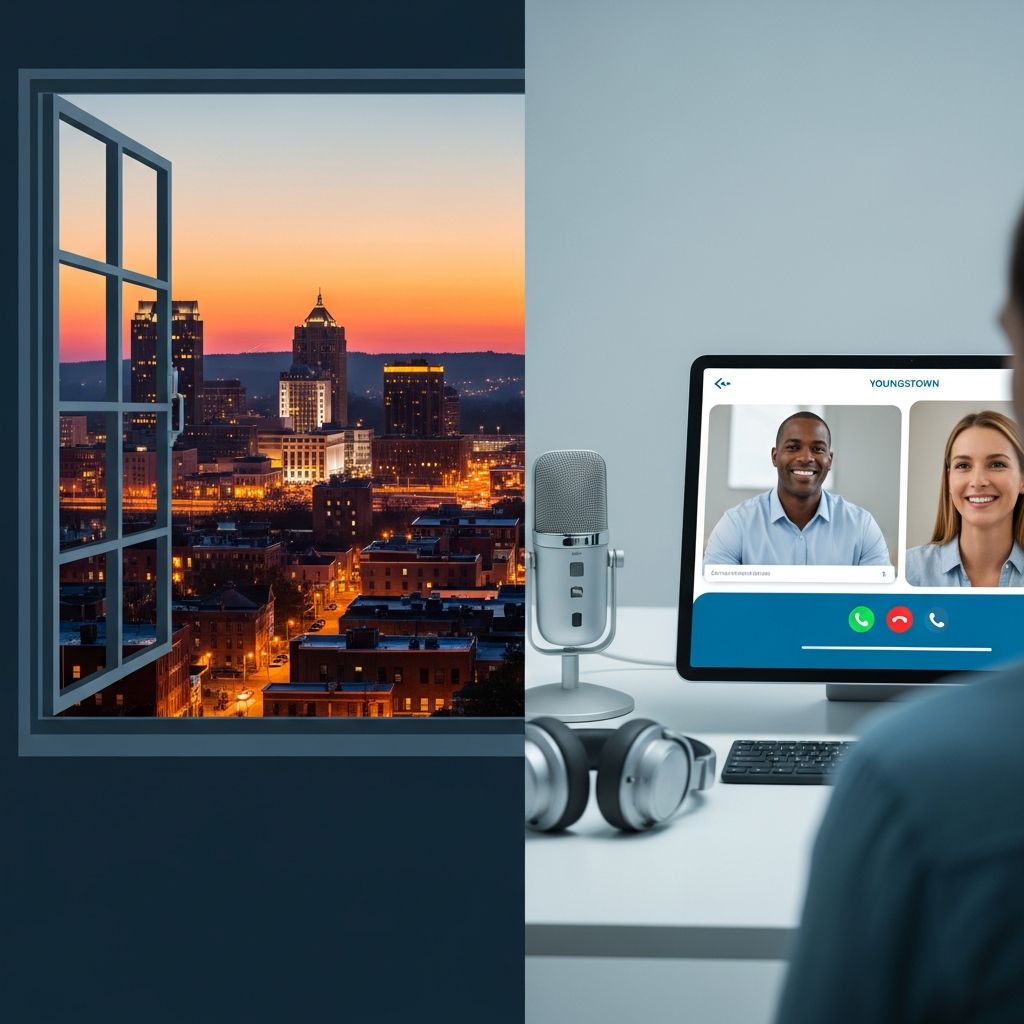
Mental health care in Ohio has never been more important. Recent national data show that nearly one in four adults in the United States experiences a mental illness in a given year, and anxiety and depression remain among the most common concerns. At the same time, workforce shortages and long waitlists make it difficult for many Ohio residents to access timely care. For people in and around Youngstown, online counseling and psychiatry are playing a growing role in closing this gap.
This article explains how virtual mental health services in Youngstown work, who they serve, and what to expect from different types of care, including counseling, psychiatry, and targeted case management. It is inspired by the services offered by local providers, but written as an independent, educational guide.
Why Virtual Mental Health Care Matters in Youngstown
Ohio faces significant mental health needs, including high rates of depression, substance use, and serious mental illness. Barriers to traditional in-person care include:
- Long travel distances, especially for people outside major cities
- Limited number of local psychiatrists or specialists
- Difficulty taking time off work or school
- Childcare responsibilities or caregiving for older adults
- Stigma and discomfort with visiting a clinic
Virtual services help address these obstacles by allowing people to meet with licensed professionals from home or any private location with an internet connection. Telehealth has been widely adopted since 2020, and research shows that tele-mental health can be as effective as in-person care for conditions such as depression, anxiety, and PTSD when delivered using evidence-based treatments like cognitive behavioral therapy (CBT).
What Types of Online Mental Health Services Are Available?
Many Youngstown-area organizations now offer a continuum of virtual behavioral health services. While specific offerings vary by provider, you will commonly find:
| Service Type | Who Provides It? | Primary Focus |
|---|---|---|
| Online Counseling / Psychotherapy | Licensed counselors, social workers, psychologists, marriage and family therapists | Emotional support, coping skills, behavior change, relationships |
| Online Psychiatry | Psychiatrists, psychiatric nurse practitioners, family nurse practitioners with psych training | Diagnostic evaluation, medication management, monitoring side effects |
| Targeted Case Management | Case managers, social workers | Connecting clients with benefits, housing, financial, and community resources |
| Family & Couples Therapy Online | Marriage and family therapists, counselors, psychologists | Improving communication, resolving conflict, supporting children |
1. Online Counseling and Therapy
Online counseling involves live video, phone, or sometimes secure messaging sessions with a mental health professional. Sessions typically last 45–60 minutes. Common reasons people in Youngstown seek virtual therapy include:
- Persistent sadness, loss of interest, or low motivation
- Generalized anxiety, panic attacks, or worry that is hard to control
- Stress from work, finances, caregiving, or chronic illness
- Relationship difficulties, separation, or divorce
- Grief after losing a loved one
- Past trauma, including abuse or accidents
Many providers rely on evidence-based therapies such as CBT, interpersonal therapy, and trauma-focused approaches, which have a strong research base for depression and anxiety.
2. Online Psychiatry and Medication Management
Psychiatric providers can evaluate mental health symptoms, provide a diagnosis when appropriate, and prescribe medications such as antidepressants or mood stabilizers when needed. For Ohio residents, prescribing providers must hold an Ohio license and follow state telehealth regulations.
Online psychiatry may be recommended when someone is experiencing:
- Moderate to severe depression that affects daily functioning
- Bipolar disorder or mood swings with high energy and low mood cycles
- Psychosis, such as hallucinations or delusional beliefs (often combined with in-person care)
- Severe anxiety or panic that does not improve with therapy alone
- ADHD symptoms impacting school, work, or driving
For many people, a combination of medication plus psychotherapy leads to better outcomes than either approach alone, especially for moderate to severe depression.
3. Targeted Case Management and Practical Support
Good mental health care goes beyond therapy and prescriptions. Many Youngstown residents also need help with:
- Housing instability or unsafe living situations
- Food insecurity and basic necessities
- Accessing Medicaid or other health insurance
- Transportation and childcare
- Applying for Social Security Disability or other benefits
Targeted case management supports individuals with significant mental health needs by connecting them to community resources, coordinating services, and helping them navigate complex systems. This kind of support is especially important because social and economic stressors are strongly linked to mental health outcomes.
Who Can Benefit from Youngstown’s Online Services?
Virtual mental health care can be appropriate for many groups, including children, teens, adults, and older adults. The key is matching the level of care to the person’s needs and safety.
Children and Adolescents
Youth in Ohio have been particularly affected by stress related to school disruptions, social media, and family economic pressures. Nationally, professional organizations have declared a youth mental health crisis, with increased rates of depression, anxiety, and suicidal thoughts.
For children and teens, online services may involve:
- Individual therapy using age-appropriate tools (games, worksheets, interactive activities)
- Parent coaching to support behavior change at home
- Family sessions to improve communication and problem-solving
- School collaboration (with consent) to address academic or behavioral concerns
Parents should look for providers with specific training in child and adolescent mental health and confirm how safety concerns (for example, self-harm risk) will be handled in a virtual setting.
Adults
Adults often choose online counseling in Youngstown for:
- Work-related stress or burnout
- Relationship and family challenges
- Substance use concerns and relapse prevention (often in coordination with in-person services)
- Coping with chronic physical illness or disability
- Adjusting to major life transitions, such as retirement or caregiving
Those with more complex conditions—such as bipolar disorder, psychotic disorders, or severe substance use disorders—may need a combination of online and in-person services, or higher levels of care (intensive outpatient, partial hospitalization, or inpatient treatment) depending on severity.
People in Rural or Underserved Areas
Residents in rural Mahoning County and neighboring areas often face longer drives, fewer specialists, and transportation barriers. Tele-mental health significantly reduces these challenges by allowing people to:
- Connect with specialists based elsewhere in Ohio
- Attend appointments without taking an entire day off work
- Maintain continuity of care even during weather disruptions or illness
Studies from rural health systems indicate that telepsychiatry can improve appointment attendance and reduce delays in starting treatment.
How Online Sessions Work: Step-by-Step
While every organization has its own process, many Youngstown-based online counseling and psychiatry programs follow a similar sequence:
- Initial Contact
You can usually get started by completing an online form or calling a central intake number. Some providers allow you to state preferences, such as therapist gender, language, or specialty.
- Insurance and Payment
Staff typically verify your insurance benefits, copays, and deductibles. Many services accept Medicaid, Medicare, and commercial insurance; some offer sliding-scale fees or self-pay options.
- Intake Appointment
Your first session is often a comprehensive assessment. You will be asked about your symptoms, history, medical conditions, medications, relationships, and goals. For youth, parents or caregivers are usually involved.
- Treatment Planning
Together with your clinician, you will develop an individualized treatment plan outlining goals, approaches (therapy, medication, or both), and session frequency.
- Ongoing Sessions
Regular sessions may be weekly at first, then less frequent as you make progress. Psychiatric medication visits are often scheduled every 4–12 weeks for monitoring.
- Review and Adjustment
Your provider will periodically review what is working, adjust strategies or medications as needed, and coordinate with other professionals (such as primary care doctors) with your consent.
Technology, Privacy, and Safety
Most Youngstown online mental health programs use HIPAA-compliant platforms that protect your personal health information with encryption and secure sign-in procedures. To get the most benefit from virtual appointments, consider the following:
- Private Space: Choose a quiet room, your parked car, or another location where you can speak freely without being overheard.
- Reliable Internet: A stable connection reduces interruptions and allows for better nonverbal communication.
- Headphones: Using headphones can improve audio quality and protect your privacy.
- Backup Plan: Discuss with your provider what will happen if the video fails (for example, switching to a phone call).
Before starting, your clinician should also review telehealth consent, including any risks and limits, how emergency situations will be handled, and what to do if you are in crisis and cannot wait for an appointment.
Cost, Insurance, and Financial Considerations
In Ohio, many health plans now cover telehealth mental health visits at similar rates to in-person visits, especially after regulatory changes during and after the COVID-19 public health emergency. However, costs can still vary based on:
- Your specific plan’s copay or coinsurance for mental health
- Whether the provider is in-network or out-of-network
- The type of service (therapy session vs medication management)
- Use of additional services such as case management or group therapy
If you are uninsured or underinsured, ask organizations about:
- Sliding-scale fees based on income
- Payment plans or reduced-fee programs
- Eligibility for Medicaid or other public coverage
How to Choose an Online Mental Health Provider in Youngstown
Selecting the right provider is an important step in your recovery. Consider the following factors:
- Licensure and Credentials: Confirm that the person is licensed in Ohio (for example, LPCC, LISW, PsyD, MD, CNP).
- Specialization: Look for experience with your primary concern (e.g., trauma, bipolar disorder, child therapy, substance use).
- Cultural and Identity Awareness: Some clients prefer providers who emphasize culturally responsive care or have experience working with specific communities.
- Scheduling and Availability: Check whether appointments are offered during evenings or weekends if you have a busy schedule.
- Communication Style: After a session or two, reflect on whether you feel heard, respected, and comfortable.
It is acceptable—and often helpful—to ask questions during an initial consultation, such as:
- “What approaches do you use to treat problems like mine?”
- “How do you typically structure sessions?”
- “How will we know whether treatment is working?”
When Online Care Is Not Enough
Although virtual therapy and psychiatry are highly useful, there are situations where in-person or higher-intensity services are more appropriate. These include:
- Imminent risk of self-harm or harm to others
- Serious withdrawal from alcohol or other substances
- Severe psychosis, inability to care for basic needs, or confusion
- Medical emergencies that could be life-threatening
In such cases, emergency care, crisis lines, or mobile crisis teams may be needed. Telehealth can still play a role later on, once acute risk is reduced and a stable treatment plan is in place.
Frequently Asked Questions (FAQs)
Q1: Is online counseling as effective as in-person therapy?
Research indicates that, for many conditions such as depression and anxiety, tele-mental health treatments using structured, evidence-based therapies are comparable in effectiveness to face-to-face care when delivered by qualified professionals. Effectiveness also depends on the fit between you and your provider, your engagement in treatment, and the severity of your symptoms.
Q2: Can psychiatrists prescribe medications through an online visit in Ohio?
Yes. Psychiatrists and other qualified prescribers who are licensed in Ohio can prescribe most psychiatric medications via telehealth, as long as they follow state and federal rules for controlled substances and telehealth practice. There may be specific situations where an in-person evaluation is still required.
Q3: What equipment do I need for an online mental health appointment?
You will typically need:
- A smartphone, tablet, or computer
- A reliable internet connection
- A private, quiet location
- Optional but helpful: headphones and a device stand
Most platforms work in a web browser or dedicated app. If technology is a concern, ask the provider’s office for a test run or support before your first full session.
Q4: How quickly can I usually get an online appointment in Youngstown?
Availability varies, but many virtual practices are able to offer initial appointments faster than traditional clinics, sometimes within days rather than weeks. Telehealth helps providers extend their reach and reduce no-show times, which can shorten waitlists relative to in-person only services.
Q5: What if I feel uncomfortable on video—can I still get help?
Yes. Many providers are flexible and can offer:
- Audio-only telephone sessions when clinically appropriate
- Gradual exposure to video, starting with shorter check-ins
- Options to turn off your camera for part of the session
The most important step is to communicate your preferences and any discomfort so you and your clinician can find a format that works for you.
References
- Mental Illness — National Institute of Mental Health (NIMH). 2023-01-01. https://www.nimh.nih.gov/health/statistics/mental-illness
- The State of Mental Health in America 2024 — Mental Health America. 2023-10-01. https://mhanational.org/issues/state-mental-health-america
- Practice Guideline for the Treatment of Patients With Major Depressive Disorder — American Psychiatric Association. 2010-10-01. https://psychiatryonline.org/pb/assets/raw/sitewide/practice_guidelines/guidelines/mdd.pdf
- Videoconferencing Psychotherapy: A Systematic Review — Backhaus A. et al., Psychological Services (American Psychological Association). 2012-05-01. https://psycnet.apa.org/doi/10.1037/a0027924
- Telehealth for Behavioral Health Care — U.S. Substance Abuse and Mental Health Services Administration (SAMHSA). 2021-12-01. https://store.samhsa.gov/product/Telehealth-for-the-Treatment-of-Serious-Mental-Illness-and-Substance-Use-Disorders/PEP21-06-02-001
- Social Determinants of Mental Health — World Health Organization. 2014-01-01. https://www.who.int/mental_health/publications/gulbenkian_paper_social_determinants_of_mental_health/en/
- Protecting Youth Mental Health: The U.S. Surgeon General’s Advisory — U.S. Department of Health and Human Services. 2021-12-07. https://www.hhs.gov/sites/default/files/surgeon-general-youth-mental-health-advisory.pdf

Medha Deb is an editor with a master's degree in Applied Linguistics from the University of Hyderabad. She believes that her qualification has helped her develop a deep understanding of language and its application in various contexts. Medha specializes in the areas of beauty, health, sports, and wellness and is committed to ensuring that the content on the website is…