
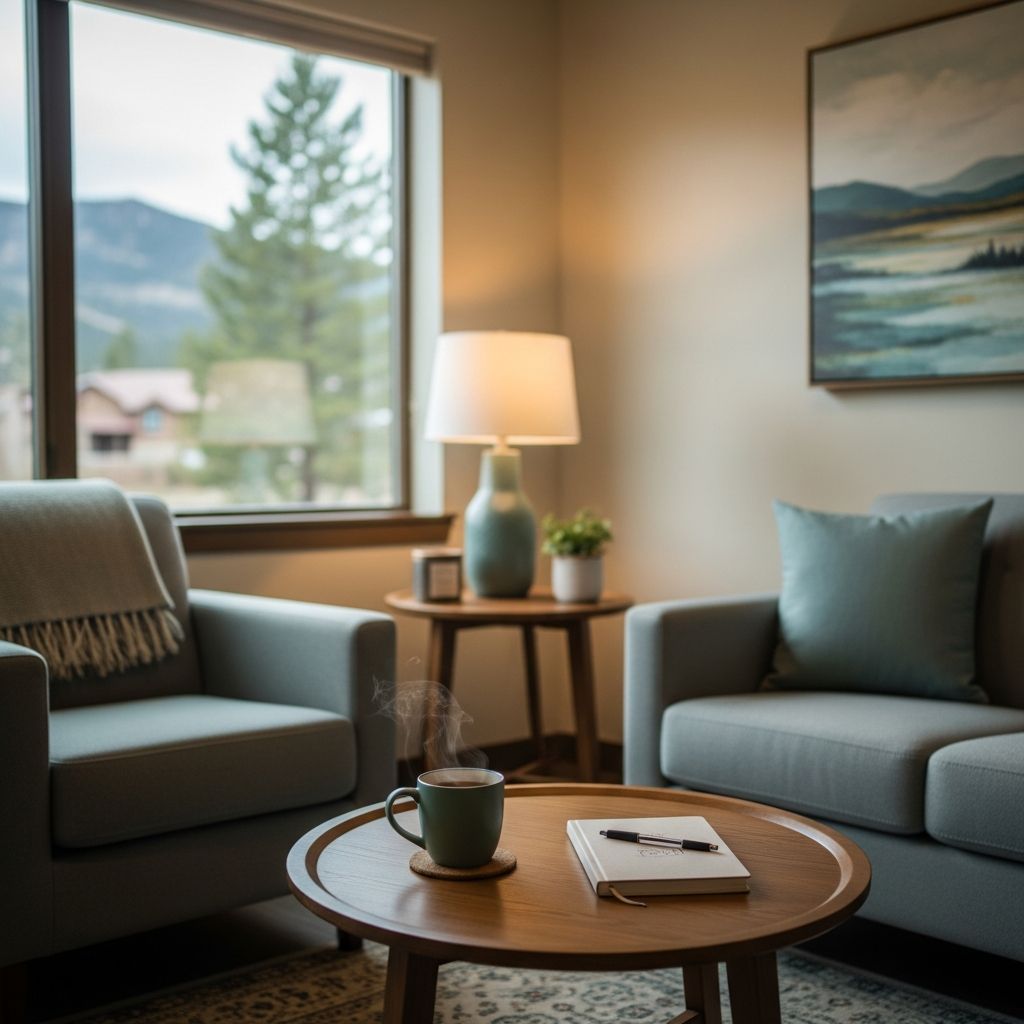
Avon and the surrounding Eagle County mountain communities offer a surprising depth of mental health resources for their size. From local private practices to hospital-based behavioral health services and telehealth options, residents and seasonal workers can access a range of counseling supports tailored to mountain-town life.
This guide walks you through how counseling works, what types of services are commonly available in and around Avon, how to choose a therapist, and what to expect from the process so you can take your next step with confidence.
Why Counseling Matters in Mountain Communities
Living in a small, outdoor-focused community like Avon brings unique rewards—and unique stressors. Seasonal work, housing pressures, altitude, isolation, and the high cost of living can strain mental health for long-term residents and newcomers alike.
- Isolation and distance: Rural and mountain communities often have limited in-person services and longer travel times, which can delay care.
- Seasonal and economic stress: Work in tourism, hospitality, and outdoor industries can fluctuate dramatically, increasing anxiety and financial strain.
- Stigma and privacy concerns: In a small town, many people worry that “everyone will know” if they seek counseling, which can keep them from reaching out.
- Limited local specialists: Certain conditions (e.g., complex trauma, eating disorders) may require regional or virtual specialists rather than a provider down the street.
Research from the U.S. Substance Abuse and Mental Health Services Administration (SAMHSA) shows that people in rural and frontier regions often face higher barriers to mental health care, including fewer providers, insurance challenges, and transportation difficulties. For that reason, it is especially important to understand the full range of local and online options when you live in a place like Avon.
Common Types of Counseling Available in Avon
While individual providers differ in style and training, many services in and around Avon fall into a few broad categories.
| Type of Counseling | Who It’s For | Typical Focus |
|---|---|---|
| Individual Therapy | Adults, teens, sometimes children | Mood, anxiety, stress, grief, self-esteem, life transitions |
| Couples Counseling | Partners at any stage | Communication, conflict, trust, intimacy, life changes |
| Family Therapy | Parents, children, extended family | Parenting, blended families, behavior issues, shared loss |
| Group Therapy / Support Groups | People with similar concerns | Peer support, skills training, shared experiences |
| Telehealth Therapy | Anyone with phone or internet access | All of the above, delivered remotely |
Individual Counseling
Individual counseling is a one-on-one therapeutic relationship between you and a licensed mental health professional. In the Avon area, many therapists specialize in issues such as:
- Anxiety, worry, and panic
- Depression and low mood
- Work and performance stress (common in ski, hospitality, and healthcare fields)
- Trauma and post-traumatic stress
- Grief and loss
- Identity, life transitions, and relationship changes
Evidence-based approaches such as Cognitive Behavioral Therapy (CBT), Acceptance and Commitment Therapy (ACT), and trauma-focused therapies are widely used and supported by research to be effective for many common problems.
Couples and Relationship Counseling
Couples in mountain communities often juggle demanding work schedules, shift work, multiple jobs, and limited childcare. Local counselors who focus on relationships frequently help partners:
- Rebuild communication after repeated conflict
- Recover from breaches of trust or betrayal
- Navigate relocation, seasonal distance, or co-parenting after separation
- Strengthen connection and intimacy during stressful life phases
Many relationship counselors draw from methods such as emotionally focused therapy (EFT) or the Gottman Method, which have research support for improving relationship satisfaction.
Family and Youth Services
Families in Eagle County can access help through school-based services, hospital-affiliated programs, and private therapists. The local school district, for example, provides connections to counseling and crisis resources for students and families.
- Support for children dealing with anxiety, bullying, or academic stress
- Parent coaching for behavior challenges
- Family sessions for divorce, blended families, or shared trauma
School counselors and nurses often serve as a starting point for identifying concerns and linking families with community mental health resources, including crisis lines and regional programs.
Telehealth and Hybrid Options
Telehealth has become a central part of the behavioral health system in Eagle County, expanding access to care beyond traditional in-office visits.
- Video or phone sessions can reach people in remote areas or those with transportation or schedule barriers.
- Some programs in the region operate as networks that connect residents with licensed providers offering virtual or in-person care, sometimes with financial assistance.
- Telehealth is particularly valuable in winter when travel can be hazardous.
Studies published by the American Psychological Association and others have found that, for many conditions, telehealth psychotherapy can be as effective as in-person care when delivered by qualified providers.
Key Local and Regional Supports Around Avon
In addition to private practices, Avon residents have access to hospital-affiliated behavioral health services and coordinated access programs that serve Eagle County.
Hospital-Affiliated Behavioral Health
Vail Health and its behavioral health division support a network of services for Eagle County, including outpatient therapy, psychiatric care, and crisis support.
- Specialized clinics and programs focused on mental health and substance use disorders.
- Collaboration with local partners to expand access, reduce stigma, and coordinate care.
- Connections to crisis lines and community resources for urgent situations.
These systems are designed to reduce the historic gap in mental health resources in mountain towns by offering both clinical care and navigation support.
Community Behavioral Health Portals
Regional initiatives in Eagle County have created online portals to connect residents and workers to affordable care and financial assistance programs.
- Residents can complete short applications to be matched with licensed providers.
- Some programs subsidize a set number of therapy sessions each year for people who live or work in the area and cannot otherwise afford care.
- Care navigators are available to answer questions and help people understand their therapy options before they commit.
These coordinated systems respond to the reality that many mountain town residents juggle multiple part-time jobs, variable income, and inconsistent insurance coverage.
School and Youth Supports
The Eagle County School District provides mental health information, links to crisis services, and guidance for families noticing early signs of distress in children.
- School counselors and nurses can connect families to community providers and hotlines.
- Public information emphasizes early intervention, encouraging families to act when they first notice changes in mood, sleep, behavior, or school performance.
- Students and parents have access to national crisis lines, including the 988 Suicide & Crisis Lifeline.
How to Choose a Counselor in Avon
Choosing a therapist is both a practical and deeply personal decision. A good fit can make a substantial difference in how effective counseling feels.
Step 1: Clarify Your Goals
Before you contact anyone, spend a few minutes naming what you want from counseling. Examples include:
- “I want to manage my anxiety so I can enjoy work and skiing again.”
- “We want to stop having the same argument about money every week.”
- “I need help processing a recent loss or traumatic event.”
- “I’m not sure what I need; I just know I don’t feel like myself.”
You do not need a perfect answer—your therapist will help you refine your goals—but even a rough sense of direction can guide your search.
Step 2: Check Credentials and Licensing
In Colorado, therapists may be licensed as psychologists, professional counselors, clinical social workers, or marriage and family therapists, among others. Licensed professionals must complete graduate training, supervised practice, and continuing education.
- Look for credentials such as PhD, PsyD, LPC, LCSW, LMFT, or similar.
- Verify that the provider is licensed to practice in Colorado, especially if sessions are online.
- Consider any relevant specialization (e.g., trauma, couples, adolescents, substance use).
Step 3: Consider Format and Access
Think about the format that will work best for your life in Avon:
- In-person: Better if you value face-to-face contact, have a private car, and prefer leaving home for sessions.
- Telehealth: Helpful if you live outside town, work variable hours, or prefer the privacy of your own space.
- Hybrid: Some providers offer a mix, which can adapt to seasonal conditions or travel.
Step 4: Ask the Right Questions
Many counselors offer a brief initial phone call at no cost. You can use this time to ask:
- “What kinds of concerns do you work with most often?”
- “How would you describe your style in sessions?”
- “Do you use specific evidence-based approaches, like CBT or trauma-focused therapy?”
- “What are your fees, and do you accept my insurance or offer reduced-cost options?”
- “What should I expect in the first few appointments?”
A good therapist welcomes these questions and will be honest if your needs fall outside their expertise, referring you to another provider when necessary.
Cost, Insurance, and Financial Help
Cost is one of the most common reasons people delay seeking therapy. In resort towns, where living expenses are already high, this concern can feel even more pressing.
Understanding Typical Cost Structures
- Private pay fees: Many licensed therapists charge a per-session rate that can vary based on training and specialization.
- Insurance: Some providers accept private insurance or employer-sponsored plans. Hospital-affiliated clinics are more likely to accept a wide range of plans.
- Sliding scale: Certain therapists and community programs adjust fees based on income or financial hardship.
- Subsidized sessions: Regional initiatives have created funds to cover a limited number of sessions each year for people who live or work in Eagle County and cannot otherwise afford care.
Tips for Managing the Financial Side
- Ask providers directly about sliding-scale spots or financial assistance programs in Eagle County.
- If you have insurance, call your plan and ask about in-network providers, telehealth coverage, and copay amounts.
- Consider starting with subsidized sessions through local programs while you explore long-term options.
What to Expect in Counseling
Understanding the counseling process can reduce anxiety about starting and help you make better use of each session.
The First Few Sessions
Most therapists begin with an assessment phase where they learn about your history, current concerns, and goals. This can include:
- Questions about your mood, sleep, work, relationships, and physical health
- Discussion of previous counseling or medical treatment
- Clarifying what you hope to change and how you will measure progress
By the end of this phase, you and your therapist typically agree on a working plan, which might involve weekly or biweekly sessions, specific skills to practice between meetings, and a tentative timeline.
Confidentiality and Privacy
Licensed mental health professionals are required to protect your privacy, with clear legal limits (for example, safety concerns involving serious risk of harm). In a small town, it is reasonable to ask how a provider handles confidentiality, especially if you might see each other in the community.
- Your therapist should review confidentiality policies during your first appointment.
- If you run into them in public, they will not acknowledge you as a client unless you choose to say hello.
- Telehealth providers must use secure platforms compliant with privacy regulations.
How Long Counseling Lasts
The length of counseling varies widely. Some people see meaningful change in a few months; others prefer ongoing support during extended life transitions. Evidence suggests that, for many common conditions, structured short-term therapies (such as 8–20 sessions of CBT) can be effective, while more complex issues may benefit from longer-term work.
When You Need More Than Routine Counseling
Sometimes, distress is so intense or safety concerns are so serious that routine outpatient counseling is not enough on its own. It is critical to recognize when urgent or emergency help is needed.
Warning Signs That Require Immediate Attention
- Thoughts about ending your life, or making a plan to hurt yourself
- Serious thoughts of harming someone else
- Hallucinations, extreme confusion, or loss of touch with reality
- Inability to care for basic needs (eating, drinking, shelter)
- Recent experience of assault, severe domestic violence, or other acute trauma
National guidance recommends contacting emergency services or a crisis line immediately when someone is at imminent risk of harming themselves or others. In the United States, the 988 Suicide & Crisis Lifeline provides 24/7 phone, text, and chat support for people in emotional distress or suicidal crisis.
In addition to 988, local crisis lines and hospital-based emergency departments in Eagle County can provide urgent assessment, stabilization, and connection to follow-up care.
Practical Tips for Making Counseling Work for You
Once you have chosen a therapist in or around Avon, a few habits can increase the benefit you get from each session.
- Show up consistently: Regular attendance helps build momentum and a stronger therapeutic relationship.
- Be as honest as you can: Your therapist is there to help, not to judge; accurate information leads to better support.
- Take notes between sessions: Jot down mood changes, triggers, or successes you want to discuss next time.
- Practice skills at home: Many evidence-based therapies involve exercises between sessions—these often drive the most change.
- Ask for adjustments: If part of therapy is not working for you, say so; most therapists will adapt their approach.
Frequently Asked Questions (FAQs)
Q: Is counseling in Avon only available to year-round residents?
A: No. Many therapists in Avon and greater Eagle County work with full-time residents, seasonal workers, and visitors, especially via telehealth. Some regional assistance programs, however, limit financial support to people who live or work in the county.
Q: How do I find a therapist who offers telehealth in Colorado?
A: You can search for Colorado-licensed therapists using professional directories, hospital behavioral health lists, or regional portals that match residents with providers offering virtual sessions. Make sure the therapist confirms that they are licensed in Colorado if you are physically located in the state.
Q: Can I get counseling for my teenager through the school?
A: School counselors and nurses in Eagle County can help identify concerns and connect students and families with appropriate community resources, including crisis services and outpatient therapists. They can also help determine whether services should occur at school, through a community agency, or via telehealth.
Q: What if I start with one therapist and it doesn’t feel like a good fit?
A: It is common to try one or more therapists before finding someone who feels right. You are allowed to switch. Many professionals understand this and may even help you identify what you are looking for in your next provider.
Q: Does counseling really work, or is it just talking?
A: Decades of research show that structured psychotherapies—such as CBT, interpersonal therapy, and others—can significantly reduce symptoms of depression, anxiety, and many other conditions for many people. While sessions involve conversation, they also include skills training, perspective shifts, and behavior change strategies anchored in evidence.
References
- Behavioral Health Services — Vail Health. 2024-01-10. https://www.vailhealth.org/services/behavioral-health
- Vail Health Behavioral Health — Vail Health Behavioral Health. 2024-02-15. https://www.vailhealthbh.org
- Mountain Strong Behavioral Health Portal — Mountain Strong. 2024-03-01. https://mountainstrong.org
- Mental Health & Community Resources — Eagle County School District. 2024-01-05. https://www.eagleschools.net/resources/mental-health
- Mental Health and Substance Use in Rural America — Substance Abuse and Mental Health Services Administration (SAMHSA). 2022-09-01. https://www.samhsa.gov/sites/default/files/programs_campaigns/rural-health/samhsa-rural-behavioral-health-fact-sheet.pdf
- Telehealth: A Game Changer for Mental Health — American Psychological Association. 2021-03-01. https://www.apa.org/topics/telehealth/mental-health

- Integrated M.A. in Applied Linguistics, University of Hyderabad
- 5+ years in editorial, instructional, SEO, and research-based writing
Sneha is a relationships and lifestyle writer with a strong foundation in applied linguistics and certified training in relationship coaching. She brings over five years of writing experience to theskillvault, crafting thoughtful, research-driven content that empowers readers to build healthier relationships, boost emotional well-being, and embrace holistic living. Her writing and insights reflect the belief that beauty, happiness, and wellness…