
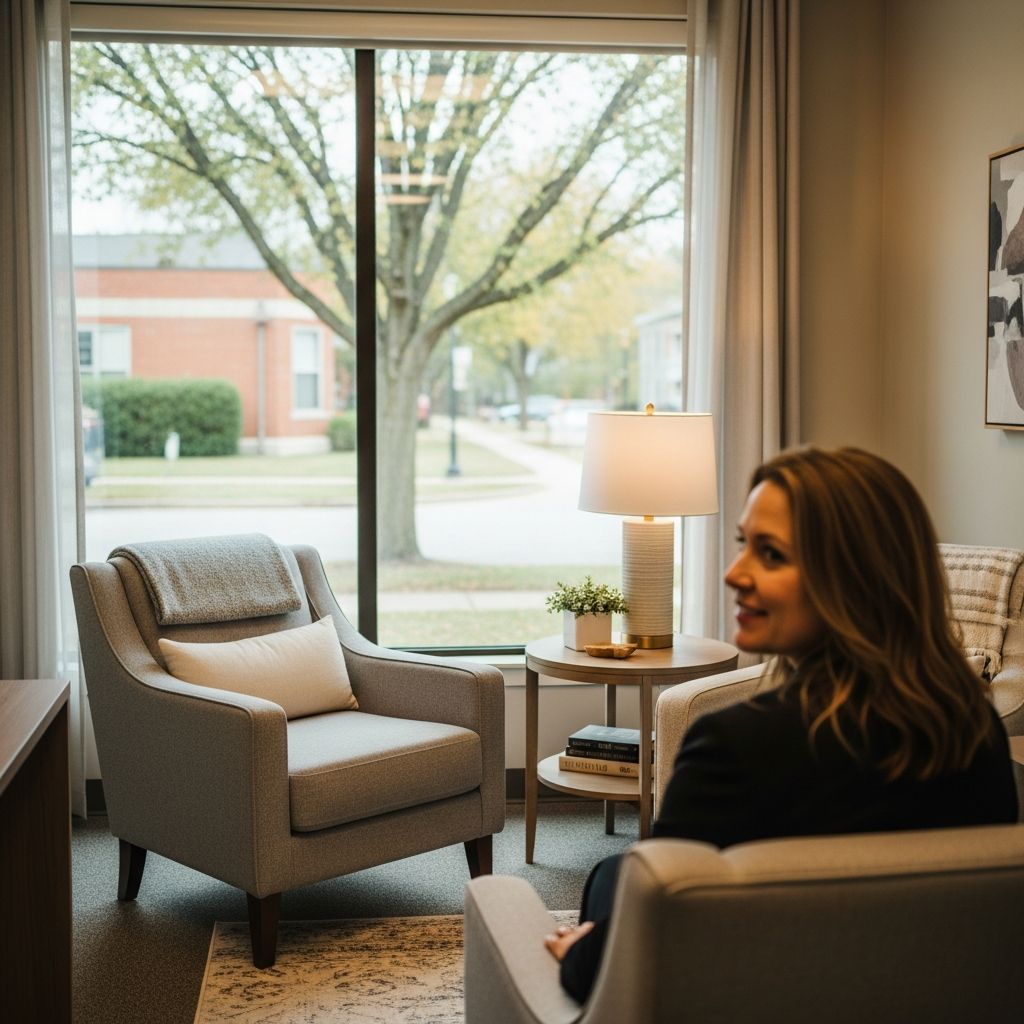
Westerville, Ohio is home to a wide range of counseling options for individuals, couples, and families who want support with mental health, relationships, or life transitions. This guide explains what counseling can help with, how services typically work in the Westerville area, and how to choose a provider who fits your needs.
Why People in Westerville Seek Counseling
Counseling is not only for crisis situations. Many Westerville residents work with a therapist as part of ongoing self-care, personal growth, or relationship maintenance. Common reasons people seek help include:
- Persistent feelings of anxiety, panic, or excessive worry
- Depression, low mood, or loss of interest in daily activities
- Stress related to work, school, caregiving, or finances
- Grief and loss after a death, breakup, or major life change
- Marital or relationship conflict, communication issues, or infidelity
- Parenting challenges and child or teen behavior concerns
- Recovery from trauma, abuse, or domestic violence
- Managing chronic health conditions or disability
The American Psychological Association notes that psychotherapy can reduce symptoms of many mental health conditions and improve functioning in daily life when delivered by trained professionals.
Major Types of Counseling Available in Westerville
Most practices in Westerville offer multiple specialties so that care can be tailored to different age groups and concerns. While each clinic is unique, you are likely to find the following kinds of services in the area:
Individual Counseling for Adults
Individual counseling involves one-on-one sessions with a licensed counselor, psychologist, or clinical social worker. Common goals include:
- Managing symptoms of anxiety, depression, or mood disorders
- Building coping skills for stress and life transitions
- Improving self-esteem and setting healthier boundaries
- Exploring identity, values, and long-term goals
Sessions usually last 45–60 minutes and may occur weekly at the start, then less frequently as progress is made.
Counseling for Children and Teens
Many Westerville practices support children and adolescents with emotional or behavioral difficulties. According to the U.S. Centers for Disease Control and Prevention, about 1 in 5 U.S. children experience a mental disorder in a given year, highlighting the importance of early support.
Child and teen counseling may focus on:
- School stress, bullying, or peer issues
- Attention and impulse control difficulties
- Sadness, social withdrawal, or irritability
- Family changes such as divorce, relocation, or loss
Providers often use play therapy, creative activities, and age-appropriate coping skills to help children express themselves.
Couples and Marriage Counseling
Couples counseling in Westerville supports partners at all stages of their relationship—dating, engaged, married, or separated. Typical areas of focus include:
- Frequent arguments or ongoing resentment
- Communication breakdowns and feeling unheard
- Rebuilding trust after a betrayal
- Adjusting to parenthood or blended families
- Deciding whether to stay together or separate
Licensed marriage and family therapists (LMFTs) or other relationship specialists guide partners to understand each other’s needs, change unhelpful patterns, and develop healthier ways of relating.
Family Therapy
Family counseling involves some or all members of a household. It can be especially helpful when conflicts, communication problems, or mental health challenges are affecting everyone under the same roof. Research shows that family-based approaches are often effective for child and adolescent mental health conditions, as they address both individual and systemic factors.
In Westerville, family therapists may assist with:
- Recurring conflicts between parents and teens
- Co-parenting after divorce or separation
- Supporting a family member with addiction, chronic illness, or disability
- Improving communication and emotional support within the home
Trauma and PTSD Treatment
Some Westerville clinicians specialize in treating trauma, including childhood abuse, accidents, community violence, or military-related experiences. Evidence-based approaches may include:
- Cognitive Behavioral Therapy (CBT) tailored for trauma
- Eye Movement Desensitization and Reprocessing (EMDR)
- Trauma-focused cognitive behavioral therapy for children and teens
The U.S. Department of Veterans Affairs and Department of Defense recognize several psychotherapies, including trauma-focused CBT and EMDR, as effective treatments for post-traumatic stress disorder.
Specialized Services Often Found Locally
Depending on the practice, you may also see offerings such as:
- Grief and bereavement counseling
- Anger management programs
- Support for domestic violence survivors
- LGBTQ+-affirming counseling
- Faith-integrated or spiritually informed therapy
- Psychological testing for ADHD or learning concerns
What to Expect from the Counseling Process
Although each therapist has a unique style, the counseling process in Westerville typically follows a similar basic structure. Understanding this structure can make starting therapy feel less intimidating.
| Stage of Counseling | What Usually Happens |
|---|---|
| Initial contact | You call, email, or submit a form. Staff gather basic information, check availability, and verify insurance or discuss self-pay options. |
| Intake session | You share your history, current concerns, and goals. The therapist asks questions, explains confidentiality, and discusses a preliminary plan. |
| Ongoing sessions | You and your therapist meet regularly to explore patterns, learn skills, and apply strategies between sessions. |
| Review and adjustment | Progress is reviewed periodically; the plan is adjusted based on what is working and what needs more attention. |
| Transition or ending | Sessions taper as you meet goals. You may move to maintenance check-ins or conclude therapy with a plan for future support if needed. |
Choosing a Counselor in Westerville: Key Factors
Selecting the right counselor is one of the most important predictors of success in therapy; the quality of the therapeutic relationship has a strong impact on outcomes across treatment approaches. Consider the following when deciding whom to work with:
1. Credentials and Licensure
In Ohio, mental health services are typically provided by professionals such as:
- Licensed Professional Clinical Counselors (LPCC, LPCC-S)
- Licensed Independent Social Workers (LISW, LISW-S)
- Licensed Marriage and Family Therapists (IMFT)
- Psychologists (PhD or PsyD)
- Psychiatrists (MD or DO) who can prescribe medication
You can verify licenses through the Ohio Counselor, Social Worker, and Marriage & Family Therapist Board or the Ohio State Board of Psychology.
2. Areas of Specialization
Match the therapist’s focus with your primary concern. For example:
- For panic attacks or obsessive thoughts, look for experience with anxiety and CBT.
- For trauma, search for training in trauma-specific therapies such as EMDR.
- For marital issues, consider a provider who specializes in couples or family systems work.
- For kids, choose someone with dedicated child or adolescent training.
3. Practical Considerations
To increase the chances you will stay engaged in therapy, consider practical aspects such as:
- Location: Is the office convenient to home, work, or school in or near Westerville?
- Scheduling: Are evening, early morning, or weekend appointments available?
- Telehealth: Do you prefer online video sessions over in-person visits?
- Cost: Does the provider accept your insurance plan, Employee Assistance Program (EAP), or offer a sliding-fee scale?
4. Personal Fit and Comfort
Comfort and trust with your counselor are essential. During the first few sessions, ask yourself:
- Do I feel listened to and taken seriously?
- Does the counselor explain things clearly and invite questions?
- Can I imagine sharing difficult or embarrassing topics with this person?
If the fit does not feel right after a few meetings, it is acceptable to request a different clinician within the same practice or seek another provider in Westerville.
In-Person vs. Online Counseling in the Westerville Area
Many local practices now offer both office visits and secure telehealth sessions. Research during and after the COVID-19 pandemic has shown that, for numerous conditions such as depression and anxiety, video-based psychotherapy can be as effective as in-person care when properly delivered.
Each format has pros and cons:
| Format | Advantages | Potential Drawbacks |
|---|---|---|
| In-person sessions |
|
|
| Online/telehealth sessions |
|
|
Cost, Insurance, and Accessibility
Costs and coverage can vary significantly between Westerville counseling practices. Understanding your options in advance can reduce financial stress and help you plan for care.
Insurance and Payment Options
Before your first appointment, consider asking:
- Which insurance plans the practice accepts
- Whether they are in-network or out-of-network for your specific plan
- Your co-pay or co-insurance per session
- Whether a sliding fee scale is available based on income
- If they accept Health Savings Account (HSA) or Flexible Spending Account (FSA) cards
Many employer health plans and Ohio Medicaid products cover mental health services, but pre-authorization rules and session limits may differ by plan.
Community and Nonprofit Options
In addition to private practices, the Westerville region includes nonprofit and community mental health centers that may offer:
- Reduced fees
- Case management and support services
- Groups or classes on topics such as stress management or parenting
These organizations can be particularly helpful for individuals with limited insurance coverage or more complex needs.
Preparing for Your First Counseling Session
A bit of preparation can make your first visit more productive and less stressful. You might:
- Write down the main concerns you want to address
- Note how long the issue has been present and what makes it better or worse
- List any medications you take and past mental health treatment
- Think about what you hope will be different in three to six months
It can also help to bring your insurance card, ID, and any completed intake forms if requested by the practice.
Making Counseling Work for You
Therapy is most effective as an active collaboration. To get the most out of counseling in Westerville:
- Attend consistently: Regular sessions build momentum and trust.
- Be honest: Share your thoughts and reactions, even if uncomfortable.
- Practice skills between sessions: Try out coping strategies, communication tools, or assignments your therapist suggests.
- Ask questions: Clarify anything you do not understand about techniques or goals.
- Review progress: Periodically discuss what is helping and where you still feel stuck.
Frequently Asked Questions About Counseling in Westerville
Q: How long does counseling usually take?
A: Length of treatment depends on your goals and the severity of your concerns. Some people feel better after 6–12 sessions focused on a specific issue, while others choose longer-term work to address complex histories or ongoing personal growth.
Q: Can I see a counselor in Westerville if I live elsewhere in Ohio?
A: Yes. Many therapists serve clients from surrounding Columbus suburbs and the broader region. For telehealth, you generally need to be located in Ohio during sessions while working with an Ohio-licensed provider.
Q: What if I am in crisis or thinking about self-harm?
A: Routine counseling appointments are not a substitute for emergency support. In any immediate crisis, you can call or text 988 to reach the nationwide Suicide & Crisis Lifeline, which connects you with trained counselors 24/7. If you are in immediate danger, call 911 or go to the nearest emergency room.
Q: Do I have to talk about my entire past in therapy?
A: Not necessarily. You and your counselor will decide together what to focus on. Some approaches are present-focused and skills-based, while others explore past experiences when they are relevant to current patterns or symptoms.
Q: Is counseling confidential?
A: In general, what you share with a licensed mental health professional is private and cannot be disclosed without your written permission. There are specific legal exceptions, such as when there is serious risk of harm to yourself or others or concerns about child or elder abuse. Your therapist will explain confidentiality policies during your first session.
References
- Understanding psychotherapy and how it works — American Psychological Association. 2016-09-01. https://www.apa.org/topics/psychotherapy/understanding
- Mental health surveillance among children — United States, 2013–2019 — Centers for Disease Control and Prevention. 2022-03-25. https://www.cdc.gov/mmwr/volumes/71/su/su7102a1.htm
- Evidence-based psychotherapies for children and adolescents: Problems and prospects — David-Ferdon, C., Kaslow, N.J., Journal of Clinical Child and Adolescent Psychology. 2008-01-01. https://doi.org/10.1080/15374410701817725
- VA/DoD Clinical Practice Guideline for the Management of Posttraumatic Stress Disorder — U.S. Department of Veterans Affairs & Department of Defense. 2023-06-01. https://www.healthquality.va.gov/guidelines/MH/ptsd/
- The effectiveness of therapeutic alliance in psychotherapy — Horvath, A.O., Del Re, A.C., Journal of Counseling Psychology. 2011-01-01. https://doi.org/10.1037/a0022186
- License verification — Ohio Counselor, Social Worker, and Marriage & Family Therapist Board. 2024-01-01. https://cswmft.ohio.gov/licensee-lookup
- Telehealth and behavioral health — U.S. Department of Health and Human Services, Health Resources & Services Administration. 2023-02-10. https://www.hrsa.gov/behavioral-health/telehealth
- 988 Suicide & Crisis Lifeline — Substance Abuse and Mental Health Services Administration. 2023-07-01. https://www.samhsa.gov/find-help/988

Medha Deb is an editor with a master's degree in Applied Linguistics from the University of Hyderabad. She believes that her qualification has helped her develop a deep understanding of language and its application in various contexts. Medha specializes in the areas of beauty, health, sports, and wellness and is committed to ensuring that the content on the website is…