
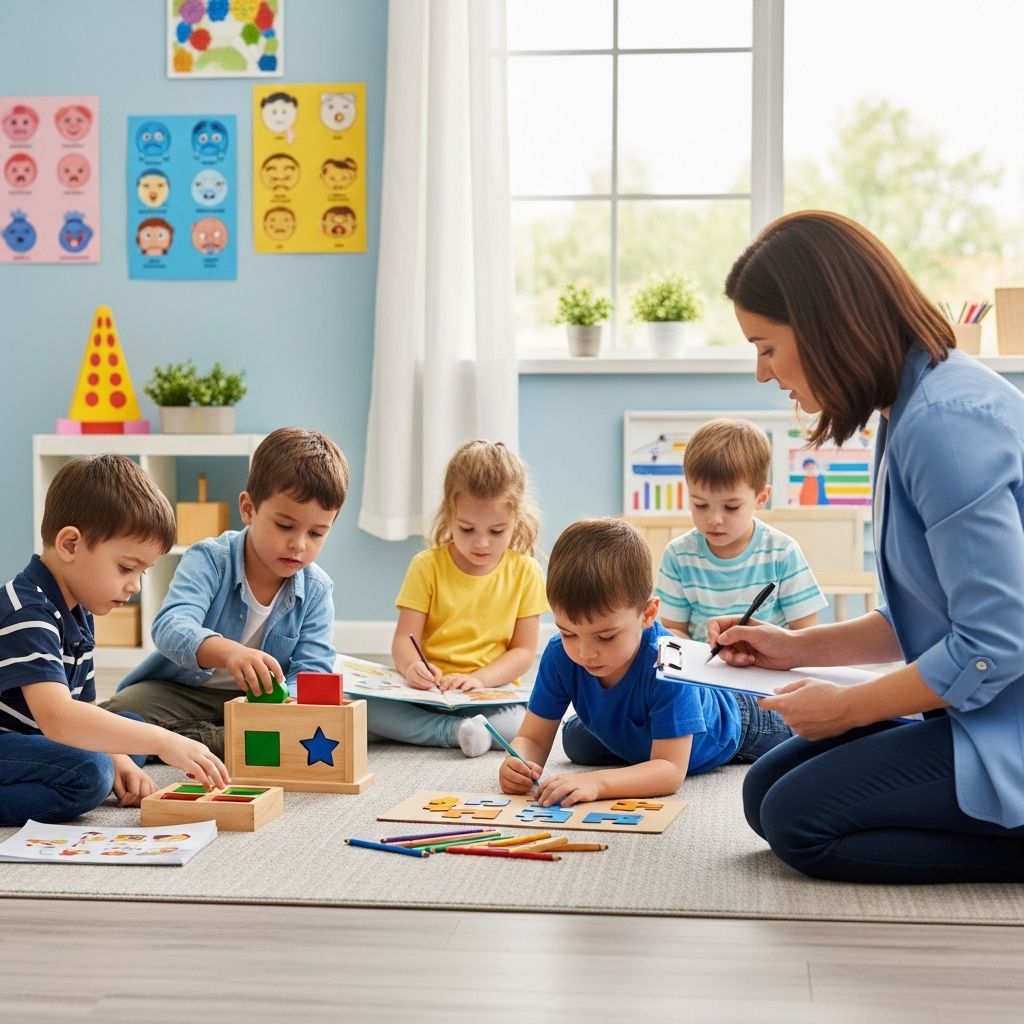
Understanding Developmental Stages and Personality Assessment
Personality assessment tools have become increasingly popular in educational and clinical settings. However, the application of these instruments to younger populations raises significant questions about developmental appropriateness and psychological validity. When personality tests are administered to children, they operate within a fundamentally different cognitive and emotional landscape than they do with adolescents or adults. The developing brain continues to undergo substantial changes throughout childhood and early adolescence, affecting how children perceive themselves, process information, and respond to assessment questions.
The human personality is not a static construct that can be reliably measured in early childhood. Children undergo continuous psychological development, with their sense of self, emotional regulation, and social understanding evolving dramatically from year to year. What a child reports about their personality at age seven may bear little resemblance to their authentic personality traits just a few years later. This fundamental instability in personality expression creates a significant challenge for personality assessment in young learners.
Cognitive Development and Test Comprehension
Children at different developmental stages possess varying capacities for abstract thinking, self-reflection, and meaningful self-reporting. Personality tests, particularly those designed for adults, often rely on sophisticated cognitive abilities that children have not yet fully developed. Young children struggle with the metacognitive skills necessary to accurately assess their own behavior and emotional responses.
When children are asked to respond to personality assessment items, they may not fully understand the nuanced language used in test questions. Abstract concepts such as "I feel anxious about social situations" or "I prefer planning over spontaneity" require a level of introspection and emotional vocabulary that develops gradually throughout childhood. Children may provide responses based on what they think adults want to hear, how they perceive themselves in specific contexts, or even random selections when confused by question wording. These responses do not reflect genuine personality traits but rather demonstrate the limitations of children’s cognitive development and their tendency toward social compliance.
Additionally, children demonstrate what researchers call "context-dependent" behavior. A child might appear outgoing and confident at home yet withdrawn and anxious at school. These variations reflect children’s sensitivity to environmental factors and their developing sense of situational awareness, not stable personality traits. Personality tests assume a level of behavioral consistency that children have not yet achieved developmentally.
The Malleability of Self-Perception in Youth
One of the most compelling reasons to avoid personality testing in children involves the extraordinary malleability of childhood self-perception. During the developmental years, children are actively constructing their identities and beliefs about themselves. They are highly susceptible to suggestion, feedback from authority figures, and peer influence. When a child is told that they are "introverted," "analytical," or "sensitive," this label can become a self-fulfilling prophecy that shapes their behavior and self-concept for years to come.
Research has demonstrated that personality labels applied to children can have profound and lasting effects on their identity development and self-esteem. A child labeled as "shy" based on a personality test may internalize this label and unconsciously behave in ways that reinforce it, limiting their social exploration and confidence-building experiences. Conversely, a child told they are "natural leaders" might develop inflated self-perceptions that don’t align with their actual capabilities or create pressure to maintain a false self-image.
This labeling phenomenon represents a significant ethical concern in the application of personality assessments to children. Rather than providing accurate insight into a child’s personality, these tests risk creating limiting narratives that constrain the child’s developmental potential and authentic self-discovery process.
Emotional Maturity and Personality Expression
Emotional development represents another critical factor complicating personality assessment in children. The emotional centers of the brain, particularly those involved in impulse control, emotional regulation, and sophisticated emotional understanding, continue developing well into the late teenage years and early adulthood. Children lack the emotional sophistication necessary to accurately report on personality dimensions that inherently involve emotional self-awareness.
Young children typically operate from a more concrete, immediate perspective. They struggle to generalize their feelings or behaviors across different situations or time periods. When asked whether they are "generally anxious" or "typically optimistic," children cannot reliably access the kind of integrated self-knowledge that adults might possess. Their emotional states fluctuate more rapidly and intensely than those of adults, and their emotional experiences are often tied to immediate situational factors rather than reflecting underlying personality traits.
Furthermore, children’s capacity for emotional self-regulation continues developing throughout childhood and adolescence. A child might truthfully report feeling anxious during a test, irritable with siblings, or excited about a game, but these acute emotional states do not constitute personality traits. Personality assessment requires distinguishing between temporary emotional states and enduring trait characteristics—a distinction children cannot reliably make about themselves.
Privacy, Consent, and Children’s Vulnerability
Ethical concerns surrounding personality testing in children extend beyond developmental appropriateness to include critical issues of consent and privacy. Children cannot provide truly informed consent to personality assessments. While parents or guardians might consent on their behalf, children themselves often do not understand what they are agreeing to, what happens to their responses, or how their personality profile might be used.
The collection of personality data from children raises significant privacy concerns. Personality assessments generate intimate psychological information about children’s thoughts, feelings, social preferences, and emotional tendencies. This sensitive personal data can be misused, misinterpreted, or shared without appropriate safeguards. Schools and organizations administering these tests often lack adequate protocols for protecting children’s psychological privacy and ensuring that assessment data cannot be accessed by unauthorized parties.
Children represent a particularly vulnerable population in psychological research and assessment. They have limited understanding of their rights, limited power to refuse participation, and limited ability to anticipate potential harms from personality assessment. Adults hold significant authority over children and can exert subtle pressure toward compliance, even when participation is theoretically voluntary. These power dynamics make it ethically challenging to obtain meaningful consent from children for personality assessments.
Cultural Bias and Developmental Diversity
Personality tests, regardless of their stated cultural validity, often reflect cultural assumptions and values embedded in their development and interpretation. When applied to children from diverse cultural backgrounds, these tests become even more problematic. Children from different cultural contexts may have been socialized with different values regarding emotional expression, social interaction, independence, and self-promotion.
A personality test designed and normed primarily on children from Western, individualistic cultures may misinterpret or pathologize personality expression patterns that are developmentally appropriate and culturally normative for children from other backgrounds. Additionally, children from non-dominant cultural groups may experience heightened testing anxiety and social desirability bias when completing personality assessments administered by authority figures from different backgrounds.
The developmental diversity among children of the same age further complicates personality assessment. Children develop at different rates cognitively, emotionally, and socially. What appears as a personality difference might actually reflect normal developmental variation. Using personality tests that assume uniform developmental progress across children of the same chronological age introduces systematic bias into assessment results.
Alternative Approaches to Understanding Children
Rather than relying on personality assessments, educators and mental health professionals working with children benefit from developmentally appropriate alternatives. Observational assessment, where trained professionals observe children’s behavior across multiple contexts and time periods, provides more valid and reliable information about children’s characteristic patterns of behavior and temperament.
Interview-based approaches that involve conversations with children, parents, and teachers about the child’s strengths, challenges, and interests offer richer qualitative understanding than standardized test scores. These conversations can be conducted sensitively and developmentally appropriately, allowing adults to understand children’s self-perception without imposing categorical labels.
Portfolio assessment approaches allow children to demonstrate their capabilities, interests, and growth over time through collections of their actual work and achievements. These methods honor children’s developing sense of self while providing meaningful information to educators about how best to support each child’s learning and development.
Strength-based approaches focus on identifying and nurturing children’s existing capabilities, interests, and talents rather than categorizing children according to personality type. This orientation supports healthy identity development and builds children’s confidence and agency in their own learning.
Long-Term Implications of Early Personality Labeling
The consequences of administering personality tests to children extend far beyond the immediate assessment context. Research suggests that personality labels applied during childhood can influence educational trajectories, career aspirations, and life choices decades later. Children internalize messages about their personality types and may avoid opportunities or career paths that don’t align with their assigned personality category, even when they possess genuine interest or aptitude in those areas.
A child labeled as an "introvert" might decline leadership opportunities or avoid public speaking experiences that could develop crucial skills. A child categorized as "not analytical" might avoid mathematics or science courses, limiting their future educational and career possibilities. These self-imposed limitations often persist into adulthood, even when the initial personality assessment was inaccurate or the child’s personality has genuinely evolved.
Furthermore, personality labels can perpetuate stereotypes and educational inequities. When personality tests are applied systematically across diverse student populations, they can reinforce existing disparities by creating categorical systems that advantage some students while limiting opportunities for others. Children from marginalized groups may receive personality assessments that reflect biased interpretation frameworks, leading to placement in educational tracks that limit their future opportunities.
Professional Guidelines and Best Practices
Professional organizations concerned with child welfare and psychological ethics have developed clear guidelines recommending caution or advising against personality testing in children. These organizations recognize that while personality assessment might have applications with older adolescents or adults, the developmental characteristics of younger children make such assessment inappropriate and potentially harmful.
Best practices in educational and clinical psychology emphasize developmentally sensitive assessment approaches that respect children’s ongoing development and avoid premature categorization. When assessment is necessary, professionals should employ methods specifically designed and validated for children’s developmental levels, conducted by trained professionals who understand child development thoroughly.
Organizations should implement transparent policies regarding any personality assessment or data collection involving children. Parents should receive clear information about what assessments will be conducted, why they are being used, how results will be interpreted and shared, and what safeguards protect children’s privacy and prevent misuse of assessment data. Children themselves should receive age-appropriate explanations about assessment purposes and processes.
Frequently Asked Questions
Q: At what age might personality assessment become more appropriate?
A: Late adolescence (ages 16-17 and older) represents a more developmentally appropriate time for personality assessment, when cognitive development, emotional maturity, and self-reflective capacity have advanced significantly. Even then, assessments should be used cautiously and interpreted with awareness of adolescent development.
Q: Can personality tests harm children?
A: Yes, personality tests can potentially harm children through self-fulfilling prophecy effects, limiting labels, reduced self-esteem, and privacy violations. Labels from personality tests can constrain children’s identity exploration and create lasting self-perceptions that persist into adulthood.
Q: What should parents do if schools want to administer personality tests to their children?
A: Parents should ask detailed questions about the assessment’s purpose, its validity for children, how results will be used and protected, and what alternative approaches might be considered. Parents retain the right to decline participation and should advocate for developmentally appropriate assessment methods.
Q: Are all personality tests equally problematic for children?
A: While some personality assessments may be more developmentally sensitive than others, the fundamental concerns about developmental appropriateness, malleability of self-perception, and labeling effects apply across personality testing instruments when used with children.
Q: What are better ways to understand a child’s personality and strengths?
A: Observational assessment, conversations with caregivers and teachers, strength-based approaches, portfolio assessment, and naturalistic observation across different contexts provide more valid and developmentally appropriate understanding of children’s characteristics.
References
- Ethical Considerations in the Use of Personality Tests in Educational Settings — Psico-Smart. 2024. https://blogs.psico-smart.com/blog-ethical-considerations-in-the-use-of-personality-tests-in-educational-settings-173465
- Psychological Assessment in School Contexts: Ethical Issues and Solutions — National Center for Biotechnology Information (NCBI/PMC). 2024. https://pmc.ncbi.nlm.nih.gov/articles/PMC11335701/
- Ethical and Professional Issues in Psychological Testing — StudyCorgi. 2024. https://studycorgi.com/ethical-and-professional-issues-in-psychological-testing/
- How Ethical Are Personality Tests? What Experts Say — Endominance. 2021. https://www.endominance.com/blog/2021/11/02/how-ethical-are-personality-tests-what-experts-say/
- Anticipating Ethical and Legal Challenges in Personality Assessments — Oxford Academic. 2020. https://academic.oup.com/edited-volume/28313/chapter/215063686

Medha Deb is an editor with a master's degree in Applied Linguistics from the University of Hyderabad. She believes that her qualification has helped her develop a deep understanding of language and its application in various contexts. Medha specializes in the areas of beauty, health, sports, and wellness and is committed to ensuring that the content on the website is…