
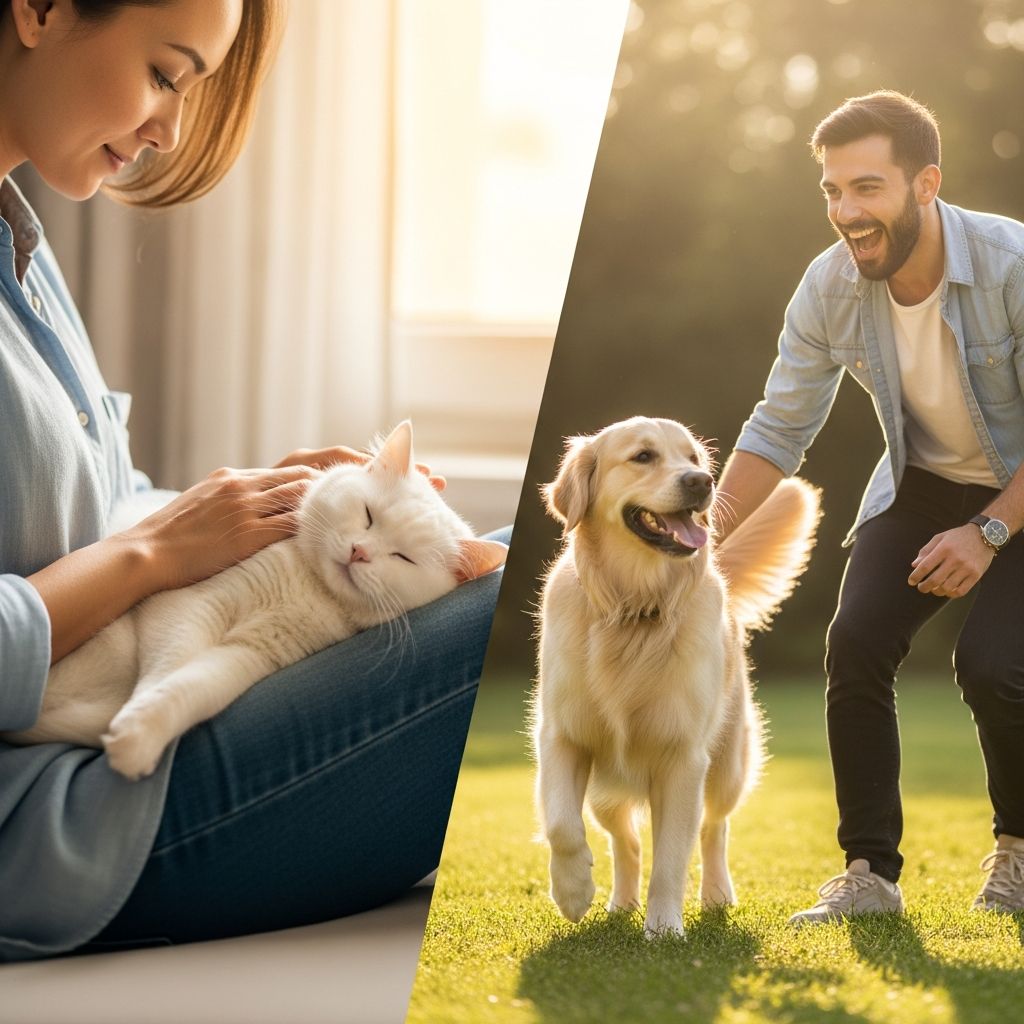
The bond between humans and animals is more than a source of comfort or entertainment; it reflects our values, emotional needs, and everyday personality traits. Scientific research describes the human–animal bond as a dynamic, mutually beneficial relationship that can enhance the well-being of both people and animals. This guide explores how different personality patterns influence the way we connect with pets, wildlife, and other animals in our lives.
Rather than focusing on specific test labels, we will look at broad trait dimensions and show how each style brings unique strengths and risks to human–animal relationships.
Why the Human–Animal Bond Matters
Across cultures, people report seeing their animals as companions, family members, and sometimes emotional supports. Studies show that regular, positive interactions with animals can:
- Lower physiological indicators of stress, including heart rate and blood pressure.
- Increase levels of oxytocin, a hormone associated with bonding and relaxation.
- Offer a sense of safety, routine, and comfort that supports mental health.
- Encourage empathy and prosocial behavior toward both animals and humans.
The Human Animal Bond Research Institute (HABRI) summarizes this relationship as mutually beneficial and influenced by the behavior and health of both partners. Because our personalities guide how we behave, they play a central role in how this bond develops and is maintained.
Core Personality Dimensions That Affect Animal Bonding
Although many personality frameworks exist, several broad dimensions are especially relevant to how we interact with animals:
- Extraversion vs. Introversion – preference for stimulation and social interaction versus quiet and reflection.
- Thinking vs. Feeling orientation – emphasis on logical analysis versus relational and emotional cues.
- Judging vs. Perceiving style – structured, planned approaches versus flexible, spontaneous ones.
- Openness to Experience – curiosity, imagination, and willingness to experiment with new activities and species.
Each dimension shapes the kinds of animals we are drawn to, the activities we enjoy with them, and how we respond when they need training, medical care, or patience.
Social Energy: Introverts and Extroverts With Animals
One of the clearest differences in animal relationships arises from how people manage social energy.
Introverted Traits: Quiet Companions and Deep Bonds
People with more introverted traits often value calm, predictable interactions. Animals can provide a rare kind of presence that is emotionally rich but socially gentle.
- Preferred animal roles: quiet companions, lap pets, animals that enjoy routine and consistent one-on-one attention.
- Typical strengths:
- Attentive to subtle body language and mood shifts in their animals.
- Willing to invest time in quiet activities like grooming, reading with a cat nearby, or patient training sessions.
- Often build long-lasting, secure attachment bonds that feel family-like.
- Common challenges:
- May feel overwhelmed by highly energetic, attention-seeking animals.
- Could struggle with social obligations like dog parks or training classes.
- Risk of relying on animals as their only emotional outlet instead of also seeking human support.
For quieter personalities, the best matches are often species and breeds that appreciate consistency, gentle routines, and a stable home environment.
Extroverted Traits: Play, Activity, and Shared Adventures
Extroverted tendencies are often expressed through active, outward-facing relationships with animals.
- Preferred animal roles: energetic dogs, horses, or other animals who participate in sports, outdoor activities, and group events.
- Typical strengths:
- Provide animals with plenty of stimulation, exercise, and variety.
- Engage readily in group classes, events, or animal-assisted volunteering.
- Use animals as social bridges, meeting new people through pet-related activities.
- Common challenges:
- May underestimate animals’ need for downtime and safe withdrawal.
- Could prioritize social fun over careful observation of stress signals.
- Risk taking on more animals or activities than they can consistently maintain.
Extroverted individuals thrive with animals that enjoy hustle and novelty but benefit from learning to recognize when their companions need a break.
Thinking and Feeling: How We Understand Animal Needs
A second important dimension is whether people lean more toward analysis or empathy when interpreting their animals.
Thinking-Oriented Traits: Structure, Training, and Problem-Solving
Those with a more analytical or “thinking” style often approach animal care as a system to optimize.
- Preferred interactions:
- Training programs with clear goals and steps.
- Tracking diet, exercise, and behavior patterns to improve welfare.
- Learning about animal behavior science and evidence-based methods.
- Typical strengths:
- Follow veterinary advice and safety guidelines carefully.
- Use consistent cues and boundaries that many animals find reassuring.
- Good at identifying patterns and solving behavioral problems.
- Common challenges:
- Risk of overlooking emotional nuance or interpreting distress as “noncompliance”.
- May rely heavily on rules and underuse positive reinforcement.
- Could find highly sensitive or fearful animals frustrating.
When thinking-oriented people intentionally cultivate empathy and anthropomorphism in a balanced way, research suggests it can enhance welfare by helping them better recognize animals’ needs.
Feeling-Oriented Traits: Empathy, Comfort, and Emotional Support
Those who lean toward a “feeling” style usually connect with animals primarily on an emotional level.
- Preferred interactions:
- Cuddling, talking to animals, sharing daily experiences.
- Participating in therapy or emotional support roles with trained animals.
- Rescue, fostering, or advocating for animal welfare.
- Typical strengths:
- High empathy and responsiveness to an animal’s fear, pain, or joy.
- Strong motivation to provide comfort and security.
- Often excel at building trust with shy, anxious, or traumatized animals.
- Common challenges:
- May over-identify with animals and misread their behaviors through a human lens.
- Can struggle with boundaries, such as saying no to additional rescues.
- Risk of compassion fatigue or burnout in high-need situations.
Balanced feeling types respect their own limits, seek education about species-specific needs, and remember that saying no can sometimes protect both human and animal well-being.
Planning Style: Routine Lovers vs. Flexible Adventurers
Whether someone prefers structure or spontaneity also influences how they create a home and schedule for their animals.
| Planning Style | Strengths for Animals | Possible Risks |
|---|---|---|
| Structured (Judging-like) Traits |
|
|
| Flexible (Perceiving-like) Traits |
|
|
Openness to Experience: Curious Explorers and Familiar Friends
Openness describes how much people seek novelty and variety in their experiences, which can strongly influence the species they choose and how they interact.
- High openness often means curiosity about diverse species, enrichment tools, and training methods. These individuals may experiment with puzzle feeders, new walking routes, or learning about animal cognition and behavior.
- Lower openness often translates to a preference for familiar, well-understood species and routines. They may build exceptionally stable, long-term relationships with a small number of animals.
Neither approach is better; animals benefit both from reliable familiarity and from appropriately managed novelty.
Examples of Personality-Driven Bonding Styles
People rarely fit neatly into one box, but certain combinations of traits tend to show recognizable patterns in human–animal relationships.
- The Quiet Caregiver (Introverted, Feeling, Structured)
- Offers steady routines, gentle affection, and a predictable home.
- Thrives with animals who appreciate consistency over constant excitement.
- Should watch for signs of over-dependence on animals for emotional support.
- The Energetic Partner (Extroverted, Thinking, Flexible)
- Enjoys training, sports, and outdoor adventures with animals.
- Well-suited to active dogs, horses, or working animals.
- Needs to balance stimulation with rest and avoid pushing animals too hard.
- The Empathic Advocate (Extroverted, Feeling, Open)
- Often drawn to rescue work, advocacy, or therapy animals.
- Builds intense emotional connections, sometimes with multiple animals at once.
- Should monitor compassion fatigue and seek support when needed.
- The Thoughtful Observer (Introverted, Thinking, Open)
- Enjoys watching and studying animal behavior, often deeply knowledgeable.
- Provides precise care plans and carefully designed environments.
- Benefits from consciously practicing emotional attunement and playfulness.
Healthy Attachment: When Bonding Helps Both Human and Animal
Attachment theory, originally developed for human relationships, has been extended to the human–animal bond. Research suggests people can experience their animals as a secure base and safe haven, similar to close human figures.
Healthy attachment in human–animal relationships generally includes:
- Proximity and comfort: enjoying closeness without panic when briefly separated.
- Responsiveness: noticing and responding appropriately to the animal’s signals.
- Balance: animals are deeply valued but not the only emotional support in life.
- Respect for autonomy: allowing animals to retreat, rest, or explore safely.
Studies have also found that stronger and more secure bonds tend to be associated with better mental health outcomes and that frequent, pleasant interactions can reinforce that bond over time. However, when attachment becomes highly anxious or avoidant, it may contribute to stress for both human and animal.
Practical Tips: Aligning Animal Care With Your Personality
Understanding your traits can help you create a more ethical, satisfying relationship with animals.
- If you crave routine:
- Choose animals that benefit from predictable schedules.
- Use checklists or calendars for feeding, grooming, and vet care.
- If you love spontaneity:
- Build in at least a few fixed care times each day.
- Use reminders to maintain vaccinations and preventive care.
- If you lead with logic:
- Read evidence-based resources on training and welfare science.
- Pair structured training with rewards, praise, and gentle touch.
- If you lead with emotion:
- Learn species-specific stress and body language signals.
- Set financial and time boundaries before adopting or fostering.
- If you’re highly social:
- Use group classes, walking clubs, or volunteering to meet like-minded people.
- Observe your animal for signs of overstimulation during social events.
- If you’re more private:
- Consider quieter enrichment activities like nose work or puzzle toys.
- Connect with online communities for support without overwhelming in-person contact.
Frequently Asked Questions (FAQs)
Q: Can my personality type predict which pet is best for me?
No single trait guarantees a perfect match, but understanding your energy level, tolerance for noise and mess, financial resources, and emotional style can guide you toward species and individual animals that fit your lifestyle. Reputable shelters and breeders often discuss these factors when helping you choose.
Q: Do pets improve mental health for everyone?
Research indicates that for many people, a strong and secure human–animal bond is associated with reduced stress and fewer depression symptoms, especially when interactions are frequent and pleasant. However, animals also add responsibilities and costs, so the impact depends on personal circumstances and support systems.
Q: Is it unhealthy to feel closer to my pet than to most people?
Animals often provide nonjudgmental comfort, and many people report feeling especially close to them. This is not automatically unhealthy, but if animals are your only confidants or if distress intensifies when you are apart, it may help to explore additional human support or counseling.
Q: How can I tell if my way of showing love is stressful for my animal?
Watch for signs such as avoidance, freezing, panting, hiding, or sudden aggression when you initiate contact. Learning species-specific body language from credible sources, and consulting veterinarians or qualified behavior professionals, can help you adjust your approach to be more comfortable for your animal.
Q: Can changing my habits strengthen the bond, even if my personality is fixed?
Yes. Personality influences your defaults, but small, intentional changes—like increasing the frequency of positive interactions, learning better training methods, or improving routines—can significantly deepen the bond and support the well-being of both you and your animal.
References
- Human–animal bonds and mental health: Examining the roles of emotional attachment, interactions, and pet type — CABI Digital Library. 2025-01-01. https://www.cabidigitallibrary.org/doi/10.1079/hai.2025.0005
- The Complexity of the Human–Animal Bond: Empathy, Attachment and Anthropomorphism — Frontiers in Psychology. 2022-11-03. https://www.frontiersin.org/articles/10.3389/fpsyg.2022.974704
- The Neurobiology of Human–Animal Bonding — Frontiers Research Topic overview. 2018-01-01. https://www.frontiersin.org/research-topics/8546/the-neurobiology-of-human-animal-bonding
- The Psychology of the Human-Animal Bond — Remedy Psychiatry, Inc. 2023-06-01. https://remedypsychiatry.com/the-psychology-of-the-human-animal-bond/
- The Power of the Human-Animal Bond — One Health Organization. 2021-04-15. https://www.onehealth.org/blog/the-power-of-the-human-animal-bond
- Human-Animal Interaction — University of Arizona College of Veterinary Medicine. 2023-01-01. https://vetmed.arizona.edu/research/human-animal-interaction
- The Human-Animal-Nature Bond — Center for One Health Research, University of Washington. 2020-09-01. https://cohr.deohs.washington.edu/human-animal-nature-bond

- Integrated M.A. in Applied Linguistics, University of Hyderabad
- 5+ years in editorial, instructional, SEO, and research-based writing
Sneha is a relationships and lifestyle writer with a strong foundation in applied linguistics and certified training in relationship coaching. She brings over five years of writing experience to theskillvault, crafting thoughtful, research-driven content that empowers readers to build healthier relationships, boost emotional well-being, and embrace holistic living. Her writing and insights reflect the belief that beauty, happiness, and wellness…