
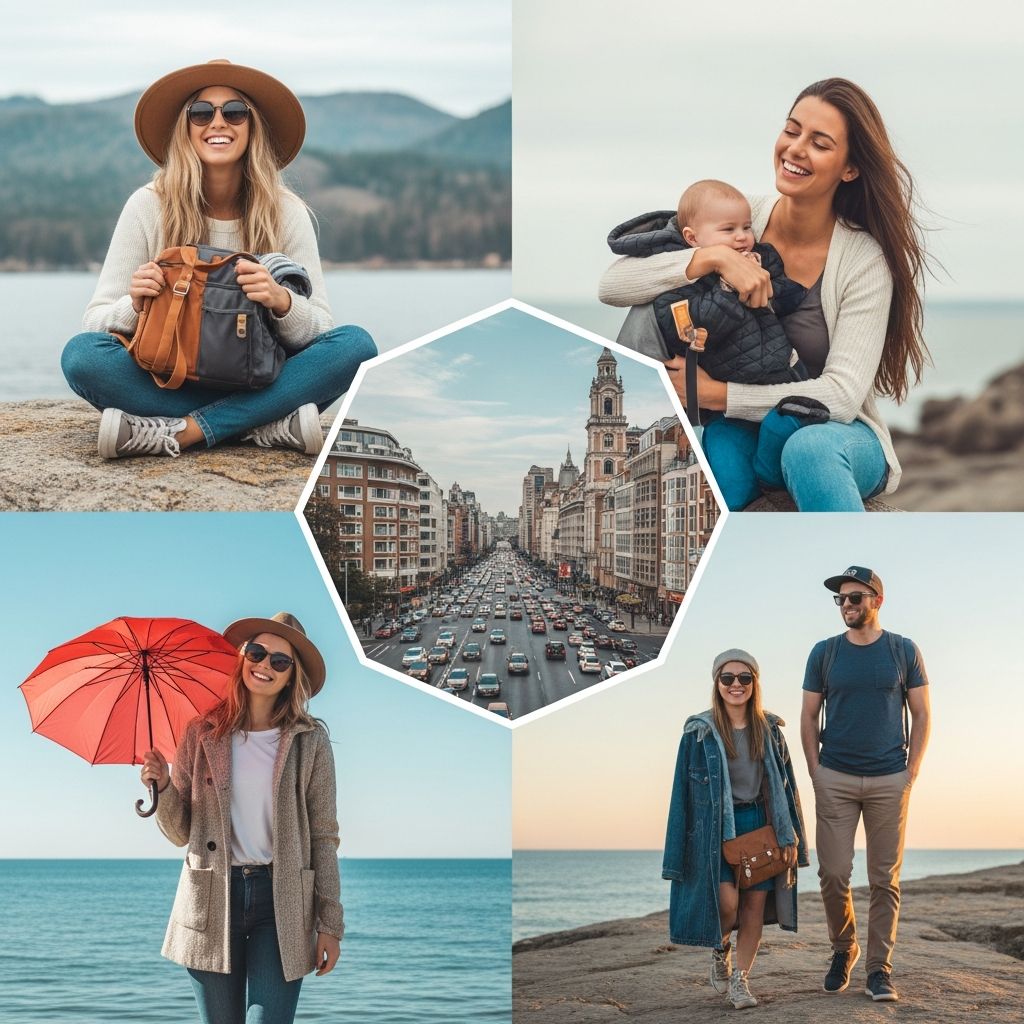
Why do some people crave tightly planned itineraries while others feel most alive when they get lost in a new city? Personality psychology suggests that the way you travel is not random – it is closely tied to your stable patterns of thoughts, feelings, and behaviors that show up across life, including on vacation.
Understanding your travel personality type can help you choose trips that genuinely fit you, avoid predictable conflicts with companions, and come home feeling restored rather than drained.
How Personality Shapes the Way You Travel
Psychologists often describe personality using broad traits such as openness, conscientiousness, extraversion, agreeableness, and neuroticism, which have been shown to influence leisure choices, risk-taking, and travel behavior.
- Openness to experience: curiosity, love of novelty, creativity, and willingness to try new things.
- Conscientiousness: preference for structure, planning, and responsibility.
- Extraversion: desire for social contact, stimulation, and energetic activities.
- Agreeableness: focus on harmony, cooperation, and flexibility with others.
- Neuroticism: tendency toward worry, sensitivity to stress, and risk perception.
Research suggests that these traits influence where we go, what we do there, how safe we feel, and even whether we are willing to travel at all in uncertain conditions.
Six Core Travel Personality Archetypes
Most people are a blend of styles, but many travelers lean toward one of a few recognizable patterns. The table below offers an overview.
| Travel Archetype | Key Traits | Favored Experiences | Main Challenges |
|---|---|---|---|
| The Thoughtful Planner | High conscientiousness, moderate neuroticism | Detailed itineraries, reliability, prepared trips | Over-scheduling, stress when plans change |
| The Spontaneous Explorer | High openness, low conscientiousness | Unstructured days, wandering, serendipity | Logistical hiccups, missed reservations |
| The Social Adventurer | High extraversion, moderate openness | Group activities, nightlife, meeting locals | FOMO, exhaustion, less quiet time |
| The Tranquil Retreat-Seeker | Introversion, low neuroticism or gentle sensitivity | Calm stays, nature, slow mornings | Overwhelm in crowded destinations |
| The Comfort-Focused Loyalist | Lower openness, moderate conscientiousness | Familiar places, repeat visits, trusted brands | Limited novelty, conflicts with risk-takers |
| The Cautious Strategist | Higher neuroticism, high agreeableness | Safe choices, insured, well-reviewed options | Anxiety, decision fatigue, over-researching |
The Thoughtful Planner
The Thoughtful Planner feels most relaxed when the details are under control. They often research destinations extensively and enjoy crafting an itinerary that maximizes time and minimizes surprises, a pattern linked to higher conscientiousness and a desire to reduce uncertainty.
- What they love:
- Clear schedules and reservations
- Reading reviews before booking
- Knowing transit options and backup plans
- Potential stress points:
- Unexpected closures or delays
- Travel companions who ignore timelines
- Feeling solely responsible for everyone’s enjoyment
- Tips for better trips:
- Build in “unscheduled” blocks to allow flexibility.
- Share planning responsibilities with at least one other person.
- Prepare a short list of alternatives instead of scripting every hour.
The Spontaneous Explorer
The Spontaneous Explorer thrives on novelty and freedom. Higher openness and lower emphasis on rigid planning often translate into a willingness to change course at a moment’s notice and discover places by feel rather than by guidebook.
- What they love:
- Wandering without a set route
- Last-minute activities and impulse decisions
- Exploring lesser-known neighborhoods or trails
- Potential stress points:
- Limited availability for popular attractions
- Budget surprises from spontaneous choices
- Frustrating more structured companions
- Tips for better trips:
- Pre-book only the essentials (first night’s stay, key transport).
- Keep a loose short list of “if we feel like it” options.
- Travel with people who appreciate flexibility or agree on ground rules.
The Social Adventurer
The Social Adventurer is energized by people and activity. Higher extraversion has been linked with stronger intentions to travel, particularly when social opportunities are involved. These travelers view a trip as successful if they have built connections, joined events, or simply felt immersed in social life.
- What they love:
- Group tours, classes, or meetups
- Shared accommodations like hostels or social guesthouses
- Festivals, nightlife, and busy urban destinations
- Potential stress points:
- Quiet destinations with few social opportunities
- Introverted companions who need more downtime
- Overcommitting and returning home exhausted
- Tips for better trips:
- Alternate intense social days with lighter ones.
- Schedule occasional solo time, even if brief walks or coffees alone.
- Choose lodging that naturally brings people together, but ensure at least some privacy.
The Tranquil Retreat-Seeker
Retreat-Seekers often view travel as a way to recharge rather than to pack in as many activities as possible. They may lean introverted or simply value calm, low-stimulation environments, preferring depth over breadth of experience.
- What they love:
- Quiet nature settings, small towns, or wellness retreats
- Slow mornings and unhurried meals
- Reading, walking, or reflective activities
- Potential stress points:
- Overcrowded attractions and noisy nightlife districts
- Being pushed into constant group activities
- Feeling guilty for “doing nothing”
- Tips for better trips:
- Prioritize accommodations that guarantee quiet.
- Limit the number of daily commitments on any itinerary.
- Communicate up front about alone time needs with companions.
The Comfort-Focused Loyalist
Some travelers value predictability and familiarity above all. Earlier tourism research described similar patterns in travelers who prefer known destinations and structured, packaged experiences. For them, comfort, routine, and trusted brands outweigh the appeal of “discovering the unknown.”
- What they love:
- Returning to the same favorite locations
- All-inclusive resorts or organized tours
- Consistent standards of safety and service
- Potential stress points:
- Pressure from others to constantly seek novelty
- Destinations with few familiar reference points
- Feeling judged for “not being adventurous enough”
- Tips for better trips:
- Add small new elements to familiar trips (a new day trip or restaurant).
- Travel with at least one person who shares comfort-focused preferences.
- Use structured tours as a base while allowing small pockets of unplanned exploration.
The Cautious Strategist
The Cautious Strategist is especially attuned to safety, risk, and potential problems. Higher levels of worry can reduce willingness to travel in uncertain contexts, yet thoughtful risk assessment can also lead to safer and more sustainable choices.
- What they love:
- Well-reviewed services and licensed operators
- Destinations with strong infrastructure and clear information
- Flexible bookings, travel insurance, and backup options
- Potential stress points:
- Constantly monitoring potential threats
- Decision paralysis from over-researching
- Conflict with companions who are more relaxed about risk
- Tips for better trips:
- Rely on official travel advisories and evidence-based guidance rather than informal anecdotes.
- Set a time limit for planning and information gathering.
- Agree on non-negotiable safety rules with your group in advance.
Designing Trips That Fit Your Personality
Regardless of your dominant style, you can shape trips around how you naturally think and feel. Research indicates that travel itself can in turn influence aspects of personality, such as openness, agreeableness, and emotional stability, especially when it involves meaningful cross-cultural contact.
- Match destination tempo to your energy:
- Choose intense, fast-paced cities if you enjoy high stimulation and variety.
- Opt for slower-paced regions if you prefer reflection and calm.
- Align trip length with your comfort zone:
- Shorter, structured trips may suit more cautious or highly scheduled travelers.
- Longer stays may appeal to those high in openness seeking immersion and change.
- Balance novelty and familiarity:
- Add a few new experiences to every trip, even if you return to the same place.
- Anchor adventurous trips with at least one familiar element (a chain hotel, a known language, or a contact person).
Travel Compatibility: Making Group Trips Work
Understanding your own tendencies is valuable, but many travel frustrations emerge from differences within a group. Recognizing that others’ preferences reflect stable traits rather than stubbornness can lower conflict and improve cooperation.
- Compare planning styles:
- Let the highly conscientious person handle logistics if they are willing.
- Give spontaneous companions designated “free windows” where they can improvise.
- Agree on non-negotiables:
- Each person chooses one must-do activity for the trip.
- Clarify boundaries on budget, safety, and downtime in advance.
- Use personality differences as strengths:
- Adventurous members can suggest new ideas; cautious ones vet safety.
- Social travelers handle conversation and networking; retreat-seekers find quiet corners and restorative breaks.
Can Travel Change Your Personality?
While personality is relatively stable, it is not fixed. A study on extended travel and personality change found increased openness, agreeableness, and emotional stability among people who spent time living or traveling abroad compared with non-travelers. Building relationships across cultures and navigating unfamiliar environments may encourage flexibility, tolerance, and confidence.
- How travel may influence traits:
- Repeated exposure to difference can gradually raise openness.
- Managing daily challenges abroad can strengthen emotional regulation
- Cooperating with diverse people can foster empathy and agreeableness.
- Practical ways to use travel for growth:
- Set a small personal goal (e.g., speak with one local person each day).
- Reflect in a journal about situations that stretched your comfort zone.
- Choose at least one activity per trip that gently challenges your usual style.
Frequently Asked Questions (FAQs)
Q: Is one travel personality type better than another?
A: No. Personality traits represent different, equally valid ways of engaging with the world. Each travel style has strengths and potential blind spots, and the goal is to design trips that work with your tendencies rather than against them.
Q: Can my travel personality change over time?
A: Personality is generally stable, but meaningful experiences – including extended travel and cross-cultural contact – can lead to gradual shifts in traits such as openness, agreeableness, and emotional stability.
Q: How can I travel with someone whose style is very different from mine?
A: Clarify expectations before you book, discuss non-negotiables for each person, and plan some shared time along with individual time. Using complementary strengths – for example, combining a planner’s structure with an explorer’s spontaneity – can improve both satisfaction and compatibility.
Q: Do personality traits really affect whether I feel safe traveling?
A: Research during the COVID-19 period found that traits like extraversion and neuroticism were linked to how people perceived travel safety and their intentions to travel at all, indicating that personality can shape both risk perception and the desire to be on the move.
Q: How do I start figuring out my own travel personality type?
A: Reflect on past trips: When did you feel most energized or drained? Did you prefer planned days or open ones, crowds or quiet, novelty or familiarity? Patterns across different journeys are often better guides than any single quiz or label.
References
- The interplay of personality traits and motivation in leisure travel during COVID-19 — Talwar, S. et al., Current Issues in Tourism. 2023-02-17. https://pmc.ncbi.nlm.nih.gov/articles/PMC10005820/
- Personality Dynamics on Vacation: How the Big Five Traits Shape Travel Compatibility — The Counselling Place. 2023. https://www.thecounsellingplace.com/blog/personality-dynamics-on-vacation-how-the-big-five-traits-shape-travel-compatibility
- Travel reflects your personality — Culturs Magazine. 2022. https://www.cultursmag.com/travel-reflects-your-personality/
- Personal Values, Traveler Personality Type, and Leisure Travel Style — Madrigal, R., Journal of Leisure Research. 1995. https://www.nrpa.org/globalassets/journals/jlr/1995/volume-27/jlr-volume-27-number-2-pp-125-142.pdf
- Travel and personality: an introduction — The Travel Psychologist. 2020. https://thetravelpsychologist.co.uk/f/travel-personality-an-introduction-by-a-clinical-psychologist/
- A Study of Personality Traits of Travel and Cultural Awareness — Brown, A., University of Maine Honors College. 2013. https://digitalcommons.library.umaine.edu/cgi/viewcontent.cgi?article=1394&context=honors

- Integrated M.A. in Applied Linguistics, University of Hyderabad
- 5+ years in editorial, instructional, SEO, and research-based writing
Sneha is a relationships and lifestyle writer with a strong foundation in applied linguistics and certified training in relationship coaching. She brings over five years of writing experience to theskillvault, crafting thoughtful, research-driven content that empowers readers to build healthier relationships, boost emotional well-being, and embrace holistic living. Her writing and insights reflect the belief that beauty, happiness, and wellness…