
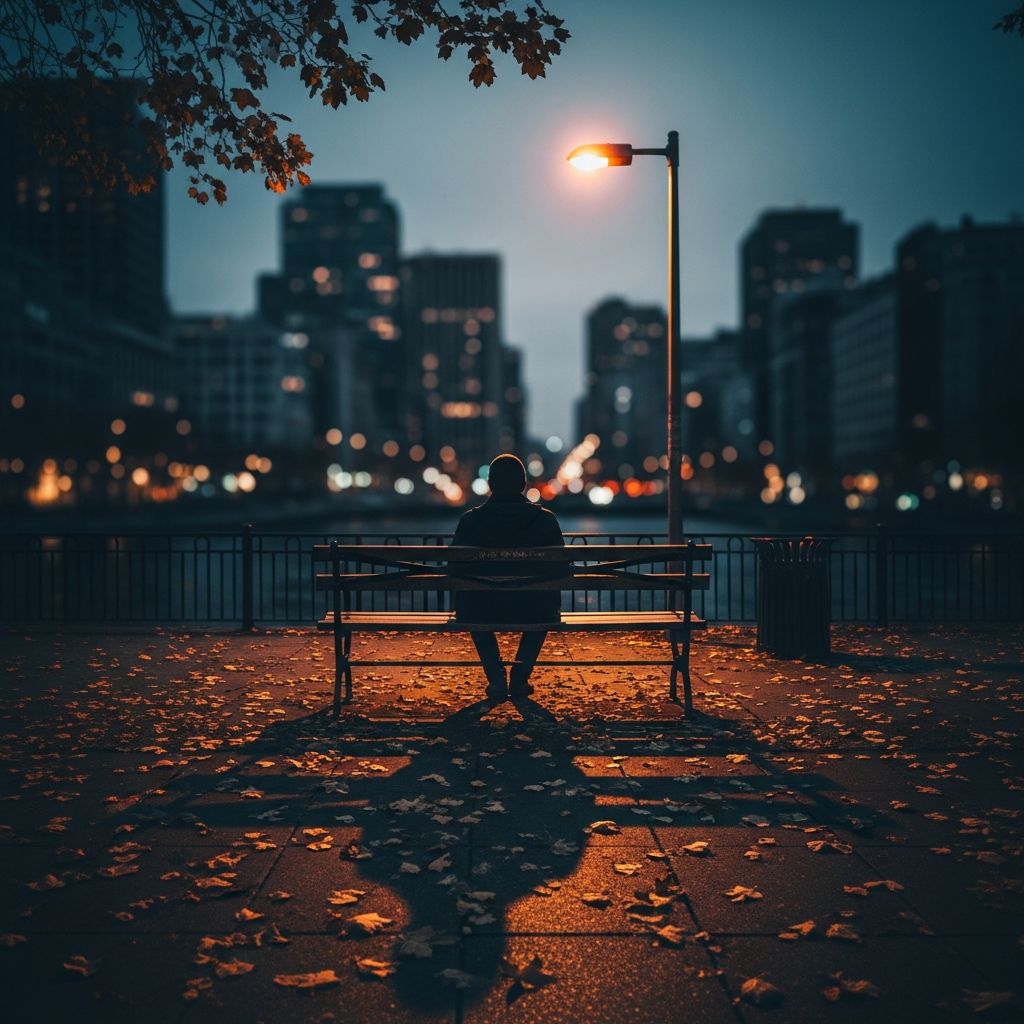
Two people can live similar lives on paper yet have very different experiences of loneliness. One might feel empty in a crowded room; another might feel calm and content spending the weekend alone. Understanding how personality shapes loneliness helps explain these differences and points to more tailored, compassionate ways to support ourselves and others.
Loneliness vs. Being Alone: A Crucial Distinction
Before connecting loneliness to personality, it helps to clarify what loneliness actually is.
- Being alone is an objective state: you are physically by yourself.
- Loneliness is a subjective feeling: the gap between the relationships you have and the relationships you want or believe you should have.
Because loneliness is about perception, two people in the same situation can feel very different. One person may experience solitude as restorative; another may feel isolated and rejected.
How Personality Traits Relate to Loneliness
Psychologists often describe personality using the Big Five traits: extraversion, neuroticism, agreeableness, conscientiousness, and openness to experience. Large-scale studies show that stable personality patterns are strongly linked to how often and how intensely people feel lonely.
| Personality Trait | Typical Style | General Link to Loneliness* |
|---|---|---|
| Extraversion | Outgoing, energetic, sociable | Higher extraversion → less loneliness on average |
| Neuroticism | Emotionally sensitive, prone to worry | Higher neuroticism → more loneliness, strongest link overall |
| Agreeableness | Cooperative, empathetic | Higher agreeableness → somewhat less loneliness |
| Conscientiousness | Organized, responsible | Slight link to lower loneliness; varies by culture and study |
| Openness | Curious, imaginative | Weak and inconsistent link to loneliness |
*These are statistical tendencies across large groups, not rules for individuals.
Neuroticism: When Sensitivity Amplifies Loneliness
Across multiple studies, neuroticism stands out as the personality trait most strongly associated with loneliness. People high in neuroticism tend to:
- Notice potential threats or rejection quickly
- Worry intensely about social situations
- Replay negative interactions in their minds
Research suggests that neuroticism and loneliness share a substantial overlap in underlying vulnerabilities, including a tendency toward negative emotional states. For someone high in neuroticism:
- A delayed text reply can feel like abandonment.
- A minor disagreement may be interpreted as proof that others do not care.
- Seeking reassurance can feel urgent, but also risky.
This pattern does not mean that loneliness is simply a personality flaw. Studies show that even when accounting for personality, loneliness still independently predicts outcomes such as depression and poorer health, suggesting it is a meaningful problem in its own right.
Supportive strategies for high neuroticism
- Reality-check your interpretations: Pause before assuming the worst in social situations; consider at least one neutral or positive explanation.
- Build small, predictable rituals: Regular check-ins with a trusted person (e.g., a weekly call) can steady emotional ups and downs.
- Use structured support: Evidence-based therapies such as cognitive behavioral therapy (CBT) can reduce both loneliness and emotional reactivity.
Extraversion and Introversion: Social Energy and Social Pain
Extraversion reflects how energized you feel by social engagement, excitement, and shared activities. People high in extraversion typically:
- Enjoy group interactions and frequent contact
- Seek novelty and external stimulation
- Recover emotionally through time with others
Studies consistently find that more extraverted people report lower loneliness on average, whereas people who are less extraverted (often described as introverted) report more loneliness, especially in some cultures.
When extroverts feel lonely
Extraverts may be especially affected when circumstances limit face-to-face contact. Psychological reports during periods of widespread social distancing describe extraverted people experiencing more boredom and dips in well-being when cut off from their usual social environments.
- Typical pain point: Not having enough social interaction or stimulation.
- Inner story: “If I’m not surrounded by people, I am missing out or being forgotten.”
When introverts feel lonely
Introverts are not automatically protected from loneliness. They may, however, experience it differently:
- They might prefer fewer relationships but crave deeper ones.
- Large, superficial gatherings can leave them feeling more alone, not less.
- Because they need more time alone to recharge, they may miss opportunities for connection and then feel left out.
Some reports suggest that introverts may find certain kinds of isolation easier to tolerate, because they are less driven by excitement and constant social engagement. But if their existing relationships feel emotionally thin or strained, they can feel profound loneliness even with plenty of time to themselves.
Supportive strategies by social energy style
| Style | Common Loneliness Triggers | Helpful Adjustments |
|---|---|---|
| More Extraverted | Prolonged isolation; repetitive routines; limited group contact |
|
| More Introverted | Relationships that stay superficial; social burnout; feeling misunderstood |
|
Agreeableness, Conscientiousness, and Openness: Subtle Influences
While neuroticism and extraversion show the strongest and most consistent links to loneliness, other traits also play a role.
Agreeableness: Cooperation and connection
Agreeableness involves empathy, cooperation, and a tendency to value harmony. Meta-analytic research finds that higher agreeableness is associated with lower loneliness, although the link is smaller than for extraversion or neuroticism.
- People higher in agreeableness may find it easier to build and maintain supportive networks.
- They may be more willing to compromise, listen, and repair conflicts before relationships break down.
Conscientiousness: Stability and social follow-through
Conscientiousness reflects self-discipline, planning, and reliability. Studies show a modest association between higher conscientiousness and lower loneliness in some populations, though patterns vary across cultures.
- People high in conscientiousness may be better at keeping plans and following through on social commitments.
- They may also be more proactive in maintaining contact and honoring routines that protect relationships.
Openness: Curiosity and meaning
Openness to experience involves curiosity, imagination, and interest in ideas or art. Its connection to loneliness is generally weak and inconsistent across studies.
- High openness can offer internal resources (creativity, rich inner life) that buffer against periods of solitude.
- However, feeling “different” from one’s surroundings can also intensify loneliness if it seems difficult to find like-minded people.
Culture, Context, and Personality
Personality does not operate in a vacuum. Cultural norms and social structures can alter how traits relate to loneliness. For example, one large study comparing U.S. and Japanese adults found that:
- Higher neuroticism predicted greater loneliness in both cultures.
- Lower extraversion predicted particularly high loneliness in Japan, where interconnectedness and group belonging are highly valued.
- Lower conscientiousness was a stronger predictor of loneliness in the U.S., where individual goals and personal achievement carry more weight.
This suggests that the same personality pattern can feel more or less lonely depending on what a society expects from relationships, work, and community life.
How Different Personality Patterns Experience Loneliness
Combining several traits gives a more nuanced picture. Below are simplified patterns, not diagnostic categories, that illustrate how personality can color loneliness.
- Socially sensitive and thoughtful (higher neuroticism, lower extraversion)
May feel deeply lonely if friendships lack emotional depth; may hesitate to reach out due to fear of rejection. - Outgoing but emotionally fragile (higher extraversion, higher neuroticism)
Frequently surrounded by people but vulnerable to feeling excluded; may experience dramatic swings between feeling connected and abandoned. - Calm, reliable, and reserved (lower extraversion, lower neuroticism, higher conscientiousness)
May not be troubled by long stretches of solitude, but can discover a quiet sense of disconnection years later if relationships were never actively nurtured. - Idealistic and open-minded (higher openness)
May feel lonely if they struggle to find people who share their interests or values, even in otherwise busy social lives.
Practical Ways to Address Loneliness by Personality Style
There is no single cure for loneliness, but aligning strategies with personality makes them more sustainable.
For people who feel everything intensely
- Practice naming emotions precisely (sad, excluded, anxious, ashamed); specific labels can reduce emotional overload.
- Use journaling to separate facts (“they have not replied yet”) from interpretations (“they do not care about me”).
- Consider professional support if loneliness is accompanied by persistent low mood, anxiety, or hopelessness; mental health care can directly reduce loneliness and its effects on health.
For people who are socially driven
- Design your environment around interaction: co-working spaces, hobby groups, volunteering, or communal sports.
- Mix social contact with daily routines: calls while walking, shared meal prep, or group study sessions.
- Aim for a mix of light and deeper conversations so that quantity does not crowd out quality.
For people who guard their energy
- Schedule connection in small, predictable doses rather than waiting for a surge of motivation.
- Use asynchronous communication (messages, emails, letters) to maintain ties at your own pace.
- Join communities centered on activities you already enjoy; this reduces pressure to “perform” socially.
For people who value harmony
- Notice when saying “yes” to avoid conflict leaves you feeling unseen or unheard.
- Practice low-stakes assertiveness: gently expressing preferences in safe relationships.
- Seek relationships where kindness is mutual, not one-sided.
When to Seek Additional Help
Everyone feels lonely at times, but it may be helpful to seek professional or community support if:
- Loneliness lasts for months and does not shift, even when you try to connect.
- You withdraw from activities or people you used to enjoy.
- You notice significant sleep changes, appetite changes, or persistent low mood.
- Thoughts of self-harm or not wanting to live arise.
Health organizations and public health agencies increasingly recognize loneliness as a risk factor for physical and mental health, associated with higher rates of depression, cardiovascular problems, and earlier mortality. Addressing loneliness is not only about feelings—it is also a matter of long-term well-being.
Frequently Asked Questions (FAQs)
Q: Does my personality doom me to be lonely?
A: No. Personality traits can increase or decrease your tendency toward loneliness, but they do not fix your destiny. Studies show that factors like life events, social skills, and cultural context also play important roles, and people can learn new ways of relating over time.
Q: Are introverts more likely to be lonely than extroverts?
A: On average, lower extraversion is associated with higher loneliness, but many introverts have satisfying, close relationships and do not feel lonely. What matters most is whether your actual social life matches your personal preferences for connection and depth.
Q: Why do I feel lonely even when I have friends?
A: Loneliness reflects a gap between the relationships you have and the kind of connection you want. You might have many casual contacts but long for deeper emotional closeness, more reliability, or more shared values. Personality influences what “enough” connection feels like for you.
Q: Can loneliness change my personality?
A: Long-term loneliness is associated with higher stress and emotional strain, which can gradually make people more withdrawn or anxious in social situations. Some longitudinal research suggests that personality traits and loneliness influence each other over time, though core traits tend to remain relatively stable.
Q: What is one small step I can take today?
A: Choose one action that fits your style: send a brief message to someone you trust, make a concrete plan for a future meeting, join an online group related to an interest, or write down what kind of connection you most want. Small, consistent moves matter more than dramatic one-time efforts.
References
- Abdellaoui A, Chen HY, Willemsen G, et al. Associations between Loneliness and Personality are Mostly Driven by a Genetic Association with Neuroticism. — Journal of Personality. 2019-02-01. https://pmc.ncbi.nlm.nih.gov/articles/PMC6231981/
- American Psychiatric Association. Personality Types and Traits Impact How We Cope with Loneliness and Isolation. — APA. 2020-06-01. https://www.psychiatry.org/news-room/apa-blogs/personality-types-and-traits-impact-how-we-cope
- Buecker S, Maes M, Denissen JJA, Luhmann M. Loneliness and the Big Five personality traits: A meta-analysis. — European Journal of Personality. 2020-11-01. https://www.marliesmaes.com/wp-content/uploads/2023/01/Compressed-Postprint-2020-Buecker-Maes-et-al.-2020-Loneliness-and-the-Big-Five-personality-traits-A-meta-analysis.pdf
- Harris MA, Donnellan MB, Lucas RE. Comparing associations between personality and loneliness across three adult age groups. — Journal of Research in Personality. 2023-01-15. https://pmc.ncbi.nlm.nih.gov/articles/PMC9899295/
- Yu S, Feng Z, Wang Q, Xie Q. Relationship Between Big Five Personality and Pathological Internet Use: Mediating Effects of Loneliness and Depression. — Frontiers in Psychology. 2021-11-04. https://www.frontiersin.org/articles/10.3389/fpsyg.2021.739981/full

- Integrated M.A. in Applied Linguistics, University of Hyderabad
- 5+ years in editorial, instructional, SEO, and research-based writing
Sneha is a relationships and lifestyle writer with a strong foundation in applied linguistics and certified training in relationship coaching. She brings over five years of writing experience to theskillvault, crafting thoughtful, research-driven content that empowers readers to build healthier relationships, boost emotional well-being, and embrace holistic living. Her writing and insights reflect the belief that beauty, happiness, and wellness…