
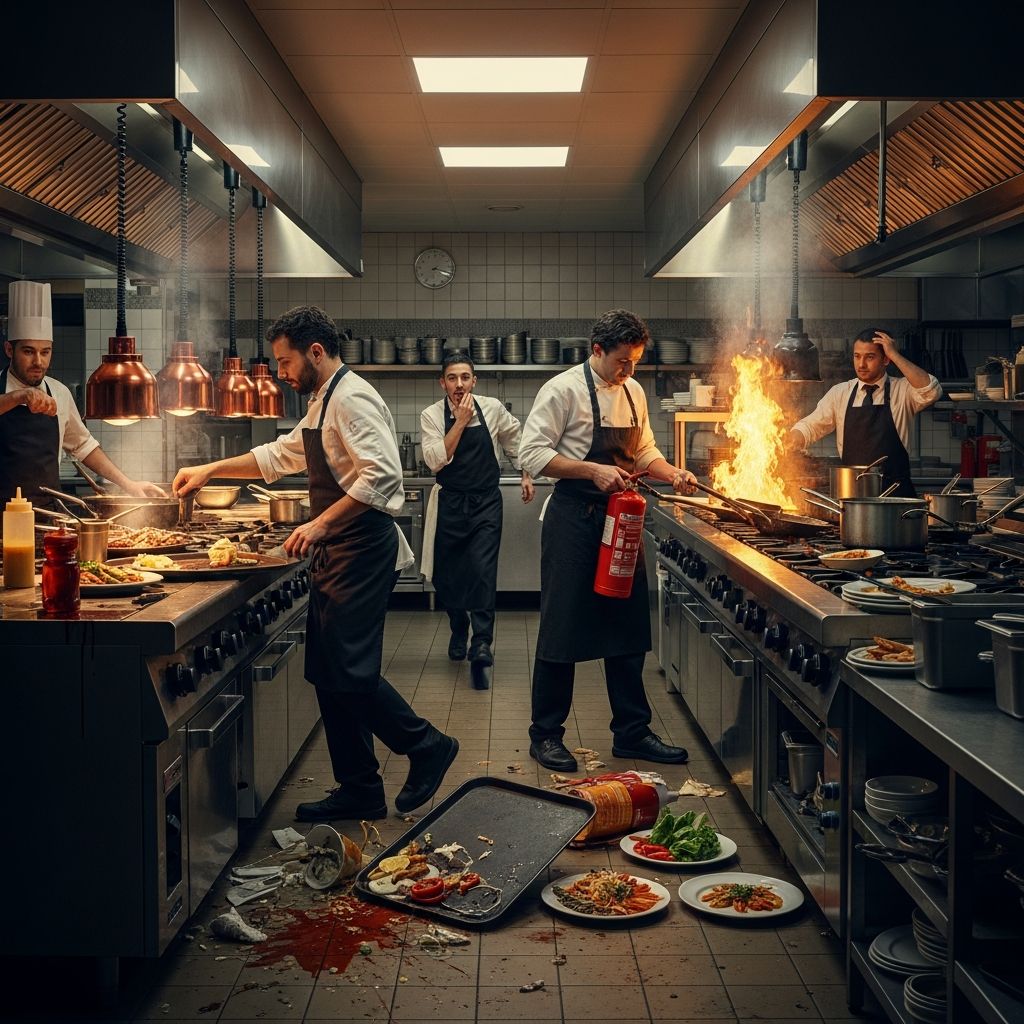
Unintended Adventures in Workplace Dining: When Meals Go Off Script
Whether during business lunches, team dinners, or everyday breaks, ordering food at work can sometimes lead to surprising and humorous, if not frustrating, experiences. From mistaken dish identities to peculiar customer interactions, these moments reveal the unpredictable nature of restaurant service and the importance of clear communication between customers, servers, and kitchens.
The Complexities Behind Simple Orders
Although ordering a meal might seem straightforward, workplace setting dynamics and restaurant practices can complicate matters. Mistakes happen, not always out of negligence but occasionally from misunderstandings, rushed service, or even amusing mix-ups, which create stories that linger longer than the meal.
Common Causes of Meal Mishaps in Work Settings
- Ambiguous menu descriptions: Complex or oddly named dishes can confuse even seasoned patrons, leading to unintentional orders of unfamiliar or unexpected items.
- Communication gaps: Busy servers or distracted customers sometimes mishear or misrelay orders, resulting in surprising substitutions or completions that differ greatly from expectations.
- Special requests and modifications: Requests to alter dishes without precise specification may confuse kitchen staff, triggering unintended results.
- Staff limitations: Servers unfamiliar with new dishes may provide inaccurate information, causing incorrect orders to be placed.
Notable Workplace Stories: When Meals Took Unusual Turns
Below are some anonymized examples of workplace dining experiences that went awry, highlighting how cultural quirks, miscommunication, and sometimes sheer absurdity can unfold in food orders.
The Identity Crisis Meal
Imagine ordering a familiar dish only to find the presentation or flavors wildly different. Such occurrences often stem from either the kitchen’s interpretation or an earnest but misguided attempt by service staff to ‘upgrade’ or customize a dish without full understanding. These cases emphasize the need for clarity and confirmation before finalizing orders.
The Mysterious “Electric Bagpipe Machine”
One story goes beyond food itself, describing a dish or machine with a bizarre name that bewildered employees and diners alike. Often the confusion arises from terminology unfamiliar to non-specialists or translation errors in menus. Keeping staff well-informed about menu items, especially new or ethnic dishes, can ease the introduction of unusual terms and prevent awkward situations.
Unexpected Meal Components and Substitutions
Orders occasionally undergo substitutions either due to item availability or customer request. When servers fail to properly communicate these swaps or alterations to diners, meals can arrive with unexpected ingredients or lacking key components, causing dissatisfaction. Clear, explicit communication about substitutions is vital.
Lessons in Communication and Customer Care
These memorable workplace dining moments underscore broader lessons applicable not just in food service but in all service-oriented workplaces:
- Verify Orders Thoroughly: Double-checking orders with customers before sending them to the kitchen reduces errors and misinterpretations.
- Train Staff on Menu Details: Comprehensive staff training about dish ingredients and potential allergens fosters confidence and minimizes misinformation.
- Empower Staff to Handle Special Requests: Clear protocols for handling dietary restrictions, substitutions, and modifications ensure that customers’ needs are met without confusion.
- Maintain Transparent Communication: Promptly informing customers of any changes or delays sets expectations and builds trust.
How Workplace Dynamics Influence Dining Experiences
Work-related meals often carry added pressure: limited time, professional representation, and group coordination. This environment can magnify the impact of restaurant errors or misunderstandings. Awareness of these pressures by service providers and diners alike can cultivate empathy and patience, smoothing out potential tensions.
Balancing Speed with Accuracy
Work lunches often require prompt service to fit tight schedules. However, speed should not compromise accuracy or attentiveness. Restaurants catering to business clients benefit from streamlined ordering systems and trained staff who can efficiently handle complex orders without sacrificing quality.
Group Orders and Their Challenges
Coordinating multiple orders simultaneously raises challenges such as ensuring individual preferences and modifications are respected. Clear process flows, use of digital ordering aids, and careful attention to detail help minimize mistakes in these situations.
Strategies to Avoid Restaurant Meal Mishaps at Work
Preventing unpleasant meal surprises begins with proactive approaches from both customers and restaurant personnel:
| Stakeholder | Strategies |
|---|---|
| Customers |
|
| Restaurant Staff |
|
Frequently Asked Questions
Q1: What is the best way to handle an incorrect meal at a restaurant during a work event?
A1: Politely inform the server or manager as soon as possible, clearly explaining the issue. Most establishments will correct the mistake quickly or offer a solution such as a replacement or discount.
Q2: How can restaurants better prepare their staff for complex workplace orders?
A2: Regular training on menu items, common dietary restrictions, and communication skills improves staff preparedness and customer service quality.
Q3: Are digital ordering systems helpful in reducing meal mistakes?
A3: Yes, digital systems often reduce human error by providing clear order summaries, accommodating modifications easily, and streamlining communication between front and back of house.
Final Thoughts
Workplace meal mishaps, while sometimes frustrating, often make for shared stories and learning experiences that highlight the human element of dining out. By fostering better communication, thorough training, and a customer-first mindset, both restaurants and patrons can enjoy smoother, more satisfying meal experiences during work occasions.
References
- Common Server Mistakes That Frustrate Your Guests — Estiator. 2025-11-10. https://www.estiator.com/common-server-mistakes-that-frustrate-your-guests/
- 13 Common Restaurant Complaints and Solutions — GloriaFood. 2025-05-15. https://www.gloriafood.com/common-restaurant-complaints-and-solutions
- 5 Most Common Customer Service Mistakes in Restaurants and How to Avoid Them — Ordiqr. 2025-09-08. https://ordiqr.com/en/5-most-common-customer-service-mistakes-in-restaurants-and-how-to-avoid-them/

- Integrated M.A. in Applied Linguistics, University of Hyderabad
- 5+ years in editorial, instructional, SEO, and research-based writing
Sneha is a relationships and lifestyle writer with a strong foundation in applied linguistics and certified training in relationship coaching. She brings over five years of writing experience to theskillvault, crafting thoughtful, research-driven content that empowers readers to build healthier relationships, boost emotional well-being, and embrace holistic living. Her writing and insights reflect the belief that beauty, happiness, and wellness…