
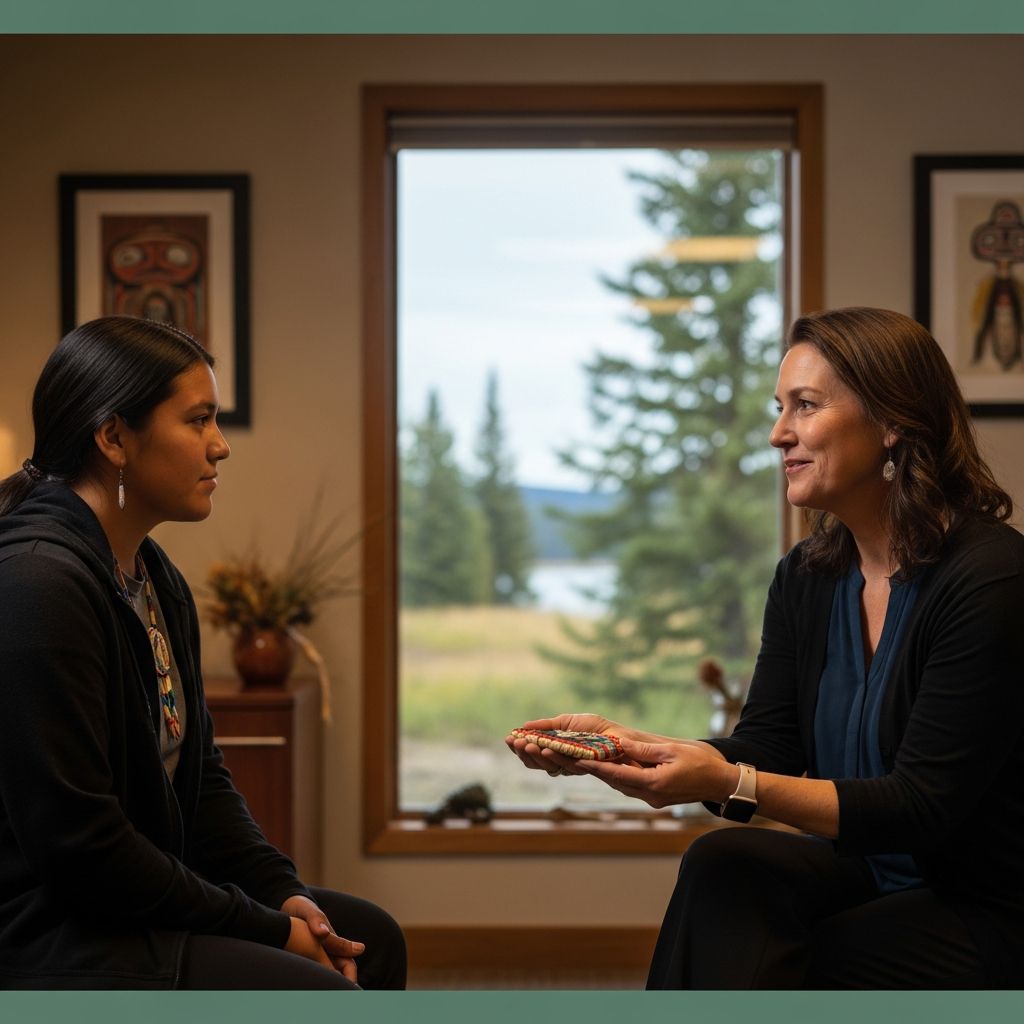
Understanding the Foundation of Indigenous-Centered Counselling
Effective counselling with Indigenous clients requires far more than standard therapeutic techniques. It demands a fundamental shift in how practitioners approach their work—one that centers cultural identity, community connections, and historical awareness. Indigenous peoples across North America have distinct worldviews shaped by their own histories, values, and relationship to land and community. For counsellors to support Indigenous clients effectively, they must first understand that counselling is not a one-size-fits-all endeavor. Rather, it is a process that must be adapted, personalized, and deeply rooted in respect for Indigenous perspectives and ways of knowing.
The foundation of any successful counselling relationship with Indigenous clients begins with acknowledging the complexity of their experiences. Many Indigenous individuals carry intergenerational trauma stemming from residential school systems, systemic discrimination, and ongoing colonialism. Others navigate challenges related to cultural disconnection, identity formation, or socioeconomic barriers. Understanding these broader contexts allows counsellors to approach their work with greater compassion and cultural humility.
Core Qualities of Culturally Effective Practitioners
Counsellors who achieve the greatest success with Indigenous clients typically demonstrate specific personal and professional qualities. These characteristics go beyond technical competence and reflect a genuine commitment to cultural respect and community partnership.
- Cultural Recognition and Humility: Practitioners must acknowledge the significant diversity within and among First Nations, Métis, and Inuit communities. Each group possesses distinct cultural practices, historical experiences, and contemporary realities. Additionally, individual bands and communities vary considerably in their traditions, governance structures, and needs.
- Bicultural Competence: The most effective counsellors either possess Indigenous ancestry themselves or have developed deep, authentic knowledge of Indigenous cultures and worldviews through sustained engagement and learning. This goes beyond surface-level cultural awareness; it involves genuine understanding of Indigenous ways of thinking and being.
- Approachability and Accessibility: Successful practitioners present themselves as informal, friendly, and genuinely interested in their clients. They abandon rigid appointment-based systems in favor of drop-in accessibility and rapid response protocols that align with how Indigenous communities often prefer to engage with services.
- Community Integration: Rather than remaining isolated in clinical settings, effective counsellors actively participate in community life. They build networks with Elders, Knowledge Keepers, band leaders, parents, Indigenous role models, and other community helpers. Participation in cultural events, ceremonies, sports, and community gatherings demonstrates authentic commitment.
- Holistic and Trauma-Informed Perspective: Practitioners must understand how trauma operates not just at the individual level but within families and entire communities. Knowledge of residential school legacies and their rippling effects across generations is essential for contextualizing client experiences.
The Critical Importance of Trust-Building
Trust cannot be rushed or manufactured. For many Indigenous clients, historical experiences of broken promises, systemic betrayal, and cultural dismissal have created understandable caution toward authority figures and service providers. Counsellors must recognize this reality and actively work to establish genuine trust before diving into deeper therapeutic work.
Building trust requires patience and intentional listening. Rather than making assumptions about what clients need or why they are struggling, counsellors must ask questions and genuinely listen to the answers. This approach honors client expertise about their own lives and experiences. It also demonstrates respect for their perspective and autonomy. The process of trust-building should be unhurried; counsellors should invest adequate time in getting to know clients as whole people before focusing narrowly on employment goals or other specific outcomes.
Once trust has been established, counsellors can more effectively help clients identify and articulate their underlying challenges. This deeper understanding allows for more meaningful intervention. Many Indigenous clients may initially present surface-level concerns that mask more fundamental personal, emotional, or family issues. By taking time to understand the full picture, counsellors can address root causes rather than symptoms alone.
The Multicultural Counselling Framework
Because Indigenous peoples represent minorities within dominant societal structures across North America, multicultural counselling theory offers valuable frameworks. This approach emphasizes three essential dimensions of competence that counsellors must develop.
Self-Awareness: Counsellors must examine their own cultural backgrounds, assumptions, biases, and worldviews. They should understand how their own identities shape their perceptions and interactions with clients. This reflexive practice prevents counsellors from unconsciously imposing their values or perspectives onto Indigenous clients. It also builds humility about the limitations of their own cultural knowledge.
Knowledge of Diverse Worldviews: Beyond generic cultural awareness, practitioners must develop specific understanding of Indigenous worldviews. This includes different perspectives on time, relationships, spirituality, healing, and community. Indigenous approaches to wellness often integrate physical, emotional, mental, and spiritual dimensions in ways that differ significantly from Western medical models. Counsellors who understand these alternative frameworks can work more effectively within clients’ own value systems.
Culturally Responsive Skills: Competence requires developing and practicing intervention strategies that are genuinely relevant and sensitive to Indigenous contexts. This means incorporating client values into the counselling process, acknowledging the cultural significance of their life experiences, and adapting traditional therapeutic techniques to align with Indigenous perspectives. Culturally responsive skills enable counsellors to meet clients where they are rather than requiring clients to conform to Eurocentric therapeutic models.
Moving Beyond Pan-Indigenous Approaches
While it can be convenient to treat Indigenous peoples as a monolithic group, doing so represents a significant oversight that diminishes the effectiveness of counselling services. The distinctions-based approach recognizes that First Nations, Métis, and Inuit peoples have separate histories, governance structures, cultural practices, and contemporary circumstances. Furthermore, within each of these broader categories, tremendous diversity exists.
For example, First Nations in Alberta fall under three different historical treaties, and each nation has distinct governance, cultural traditions, and relationships with provincial and federal governments. Some nations maintain stronger connections to traditional languages and practices, while others have experienced greater cultural disruption. Some communities are geographically remote, while others are urban-based. These variations significantly affect how Indigenous individuals understand their identity and what counselling approaches might resonate most effectively.
A distinctions-based approach requires counsellors to learn about the specific communities and nations they serve. This might involve seeking guidance from community leaders, attending cultural workshops, or consulting with Indigenous elders and knowledge keepers. It means asking clients about their specific cultural background and traditions rather than assuming shared experiences across all Indigenous peoples.
Strength-Based and Solution-Focused Methodologies
Many Indigenous clients struggle with reduced self-esteem and self-confidence, often as a result of systemic marginalization, intergenerational trauma, or experiences of discrimination. The strength-based approach, also known as solution-focused counselling, deliberately shifts focus from deficits to capabilities and resources. Rather than beginning with problems and pathology, this method asks questions designed to help clients identify their existing strengths, successes, and positive qualities.
When addressing employment or other specific goals, the strength-based approach recognizes that clients must first address underlying personal concerns. If someone is struggling with trauma responses, family conflict, housing instability, or substance use, pushing them toward employment readiness before addressing these foundational issues sets them up for failure. Instead, counsellors using this approach help clients systematically address personal barriers while simultaneously building confidence in their ability to overcome challenges.
Strategic questioning helps clients discover their own resources. Questions might include: “When have you successfully handled a difficult situation?” “What strengths do others see in you?” “Tell me about a time you felt proud of yourself.” By deliberately exploring past successes and current capabilities, counsellors help clients rebuild confidence and recognize their own agency. This approach proves particularly powerful for Indigenous clients who may have internalized negative stereotypes or limiting beliefs about their potential.
Integrating Traditional Indigenous Healing Practices
Indigenous healing traditions represent sophisticated knowledge systems developed over generations. Integrating these approaches into contemporary counselling honors cultural identity while providing clients with methods that align with their worldviews. These traditional practices function across three interconnected levels of empowerment, each serving distinct purposes in the healing journey.
At the intrapersonal level, practices are designed to enhance individual self-esteem, self-worth, and emotional resilience. These approaches focus on the internal psychological and spiritual growth of the person.
The interpersonal level encompasses practices that build knowledge through shared experience and collective analysis. These methods emphasize learning through connection with others and developing deeper understanding of social dynamics that affect individual lives.
Finally, at the community level, healing practices activate community resources and strategies that benefit both individuals and the collective. These approaches recognize that personal healing is inseparable from community wellbeing.
Many Indigenous peoples view healing as an ongoing process of addressing historical trauma, cultural loss, lifestyle disruption, and the accumulated effects of systemic oppression. Healing approaches might include participation in healing circles, attendance at healing camps, involvement in ceremonial practices such as sun dances, or discussions with Elders who carry traditional knowledge. Some individuals benefit from working with healthcare providers who integrate natural remedies with cultural knowledge. The key is ensuring that counsellors respect and facilitate access to these healing modalities rather than viewing them as supplementary to Western therapy.
The Power of Sharing and Healing Circles
Sharing circles, also referred to as healing circles or talking circles, represent a traditional practice with profound healing potential. In this approach, participants arrange themselves in a circle and take turns sharing personal experiences, hopes for change, and perspectives on challenges they face. This traditional format serves multiple therapeutic functions simultaneously.
Sharing circles provide powerful social support by creating a contained, respectful space where individuals know their experiences will be heard without judgment. The circular arrangement symbolizes equality and interconnection, emphasizing that all participants have valuable perspectives. Facilitators, often Elders or trained Indigenous practitioners, guide the process while respecting participants’ autonomy in determining what they share.
These circles generate transformative knowledge about the possibility of change. When individuals witness others working through similar challenges, hope becomes tangible. The collective experience validates that personal growth and healing are achievable. Furthermore, the circle itself becomes a source of empowerment; participants realize that community members care about their wellbeing and are invested in collective healing.
Connecting Clients with Community Resources and Services
Effective counselling extends beyond the counselling session itself. Counsellors must maintain comprehensive knowledge of available resources and actively connect clients with appropriate services. Native Friendship Centres serve as valuable hubs within many communities, offering not only direct services but also information about Indigenous-specific programs, government resources, and community support networks. These centers frequently engage in advocacy, government liaison, and program development while maintaining extensive networks of Indigenous service providers.
In addition to in-person services, online and print resources provide valuable information. Local and Indigenous-specific publications, organizational directories, academic research, and social media platforms can all facilitate client learning and connection. Government resources, including official guides to Indigenous organizations and services, help counsellors stay informed about available support systems.
Frequently Asked Questions
Q: How can non-Indigenous counsellors develop cultural competence when working with Indigenous clients?
A: Non-Indigenous counsellors should pursue ongoing education through workshops, courses, and community engagement. Building authentic relationships with Indigenous Elders and community leaders, attending cultural events, and engaging in critical self-reflection about biases are essential. Reading Indigenous authors and researchers, seeking mentorship from experienced Indigenous practitioners, and participating in cultural competency training programs all contribute to genuine development.
Q: Why is the distinctions-based approach important rather than treating all Indigenous peoples the same?
A: First Nations, Métis, and Inuit peoples have distinct histories, governance systems, cultural practices, and contemporary realities. Even within these groups, significant diversity exists. A distinctions-based approach respects this complexity and allows counsellors to tailor services to specific communities’ needs and values rather than applying one-size-fits-all interventions.
Q: How does understanding residential school trauma affect counselling practice?
A: Residential schools caused profound intergenerational trauma affecting not just survivors but their descendants. Understanding this legacy helps counsellors contextualize client experiences, recognize trauma responses, and appreciate the resilience Indigenous peoples have demonstrated. This knowledge prevents counsellors from pathologizing normal responses to abnormal circumstances.
Q: Can traditional healing practices be integrated with Western counselling?
A: Yes. Many contemporary counsellors successfully integrate traditional practices like sharing circles, involvement of Elders, ceremony, and land-based healing with evidence-based counselling techniques. The goal is creating a complementary approach that respects Indigenous knowledge systems while providing clients with options that align with their worldviews and values.
Q: How important is accessibility in Indigenous counselling services?
A: Accessibility is crucial. Many Indigenous communities prefer drop-in services over formal appointment systems, value quick response times, and benefit from informal, relational approaches. Counsellors who adopt flexible accessibility models remove barriers to engagement and demonstrate respect for Indigenous preferences about how to access support.
References
- Effective Practices for Counselling Indigenous People — Government of Alberta, ALIS. Accessed January 2026. https://alis.alberta.ca/inspire-and-motivate/counselling-diverse-clients/counselling-indigenous-people/effective-practices-for-counselling-indigenous-people/
- Promoting Indigenous Mental Health: Cultural Perspectives on Healing from Native Counsellors in Canada — Campus Mental Health. 2018-03. https://campusmentalhealth.ca/wp-content/uploads/2018/03/Promoting-Indigenous-Mental-Health-Stewart.pdf
- What Are the Best Practices for Psychotherapy With Indigenous Peoples? — PubMed/National Center for Biotechnology Information. 2022. https://pubmed.ncbi.nlm.nih.gov/36190756/
- Indigenous Cultural Competency Learning Road Map — Public Health Agency of Canada (PHAC). https://www.canada.ca/en/public-health/services/publications/aboriginal-health/indigenous-cultural-competency-learning-road-map.html
- Working With Indigenous/Native American Patients — American Psychiatric Association. https://www.psychiatry.org/psychiatrists/diversity/education/best-practice-highlights/working-with-native-american-patients
- Indigenous Circle — Canadian Counselling and Psychotherapy Association (CCPA). https://www.ccpa-accp.ca/chapters/indigenous-circle/

- Integrated M.A. in Applied Linguistics, University of Hyderabad
- 5+ years in editorial, instructional, SEO, and research-based writing
Sneha is a relationships and lifestyle writer with a strong foundation in applied linguistics and certified training in relationship coaching. She brings over five years of writing experience to theskillvault, crafting thoughtful, research-driven content that empowers readers to build healthier relationships, boost emotional well-being, and embrace holistic living. Her writing and insights reflect the belief that beauty, happiness, and wellness…