
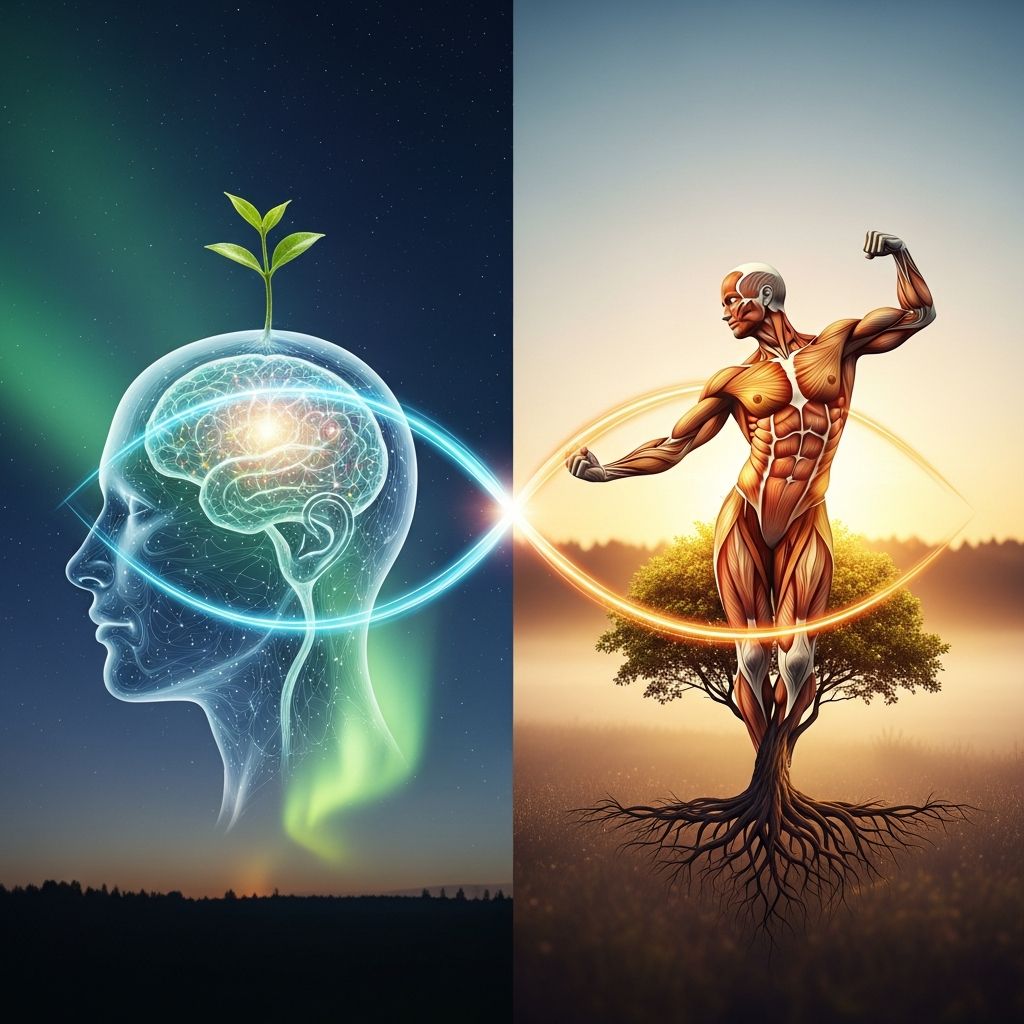
Balanced growth requires intentional efforts to strengthen both the mind and body. This article outlines actionable methods to cultivate resilience, fitness, and cognitive prowess, drawing from established principles of holistic development.
Building a Strong Physical Foundation
Physical health forms the bedrock of overall well-being. Regular movement enhances muscle strength, bone density, and cardiovascular function while boosting mood through endorphin release.
Incorporate aerobic activities like running, swimming, or dancing into daily routines, aiming for at least 60 minutes of moderate to vigorous exercise for school-age children and adults alike. Muscle- and bone-strengthening exercises, such as jumping or climbing, should occur three days weekly without needing formal weights.
Key Physical Habits to Adopt
- Daily Structured Activity: Engage in sports, dance, or outdoor exploration to build endurance and coordination.
- Nutrition Focus: Prioritize balanced meals rich in nutrients to fuel growth and recovery.
- Sleep Optimization: Ensure 9-11 hours for children and 7-9 for adults to support repair and mental clarity.
- Limit Sedentary Time: Reduce screen exposure, replacing it with active play or walks.
These habits not only improve physical milestones but also lay groundwork for cognitive flexibility and emotional stability.
Cultivating Mental Resilience and Sharpness
Mental growth involves honing cognitive skills, emotional regulation, and intellectual curiosity. Strategies like problem-solving games and critical thinking exercises stimulate brain development.
Fostering curiosity through exploration and questioning builds neural pathways essential for learning. Positive reinforcement during challenges enhances self-esteem and persistence.
Daily Mental Training Techniques
| Technique | Description | Benefits |
|---|---|---|
| Mindfulness Practices | Short sessions of meditation or deep breathing | Reduces anxiety, improves focus |
| Puzzle and Reading Challenges | Daily engagement with books, riddles, or strategy games | Boosts problem-solving and vocabulary |
| Journaling | Reflect on daily experiences and goals | Enhances self-awareness and emotional processing |
| Learning New Skills | Dedicate time to languages or instruments | Promotes neuroplasticity and confidence |
Such practices create resilient minds capable of adapting to stress and thriving in complex environments.
Integrating Nutrition for Dual Benefits
Food choices profoundly impact both physical vitality and mental acuity. Nutrient-dense diets support brain function via omega-3s, antioxidants, and vitamins while sustaining energy for physical demands.
- Emphasize whole foods: fruits, vegetables, lean proteins, and whole grains.
- Hydrate consistently to maintain cognitive performance and physical stamina.
- Avoid processed sugars that cause energy crashes and mood dips.
Modeling healthy eating in family settings reinforces these habits, contributing to long-term well-being.
The Power of Social Connections
Interpersonal relationships are vital for emotional health. Group activities teach cooperation, communication, and empathy, essential for mental growth.
Participate in team sports, clubs, or community events to build support networks. These interactions reduce isolation and enhance self-confidence.
Social Skill Development Tips
- Encourage open conversations during walks or meals.
- Join group exercises like dance classes for combined physical and social gains.
- Practice conflict resolution through role-playing scenarios.
Embracing Continuous Learning
Lifelong learning keeps the mind agile. Educational pursuits, from formal courses to self-directed reading, foster intellectual expansion.
Set realistic goals matching abilities to build confidence. Honest reflection on failures turns setbacks into growth opportunities.
Stress Management and Recovery
Effective stress handling preserves mental and physical health. Techniques like muscle relaxation—tensing and releasing body parts—or mental imagery of calm scenes promote relaxation.
Incorporate rest days in exercise routines to prevent burnout. Adequate recovery ensures sustained progress.
Holistic Routines for Lasting Change
Combine elements into daily schedules: morning exercise, midday learning breaks, evening reflections. Consistency trumps intensity for habit formation.
Track progress with journals or apps to stay motivated. Involve family or mentors for accountability.
Frequently Asked Questions (FAQs)
How much daily exercise is ideal for mental and physical growth?
Aim for 60 minutes of moderate activity, including aerobic and strengthening elements, adjusted for age.
Can screen time hinder development?
Yes, excessive screens promote sedentary behavior; limit to favor active play and real interactions.
What role does sleep play in dual growth?
Sleep consolidates learning, repairs tissues, and regulates emotions—essential for both domains.
How to motivate reluctant participants?
Use positive reinforcement, age-appropriate challenges, and fun play-based activities.
Are formal sports necessary?
No, unstructured play and daily movement suffice; variety keeps engagement high.
Overcoming Common Barriers
Time constraints? Integrate movement into chores like walking to errands. Lack of motivation? Pair activities with social elements. Start small to build momentum.
For children, parental modeling is key—active, engaged adults inspire emulation.
Long-Term Outcomes of Balanced Growth
Individuals practicing these strategies exhibit better academic performance, lower stress, and higher life satisfaction. Physical fitness correlates with mental resilience, creating a virtuous cycle.
Communities emphasizing holistic approaches, like school programs integrating movement and mindfulness, produce confident, capable members.
References
- Holistic Development Explained: Key Aspects and Importance — BBBSLI. 2023. https://bbbsli.org/holistic-development/
- Supporting Physical Development in Children – iCare Software — iCare Software. 2024. https://icaresoftware.com/supporting-physical-development-in-children-milestones-challenges-strategies
- Strategies To Support Physical Development In Early Childhood — ISHCMC. 2023. https://www.ishcmc.com/news-and-blog/physical-development-in-early-childhood/
- Growth & Development: 6 to 12 Years (School Age) — CHOC. 2025-01-18. https://choc.org/ages-stages/6-to-12-years/
- Healthy Mental & Emotional Development: 4 Key Building Blocks — American Academy of Pediatrics. 2024. https://www.healthychildren.org/English/healthy-living/emotional-wellness/Building-Resilience/Pages/healthy-mental-and-emotional-development-in-children-key-building-blocks.aspx
- The Essential Guide To A Child’s Physical And Mental Well-being — Fast Track Urgent Care. 2024. https://www.fasttrackurgentcare.com/the-essential-guide-to-a-childs-physical-and-mental-well-being/
- What every child needs for good mental health — Mental Health America. 2024. https://mhanational.org/resources/what-every-child-needs-for-good-mental-health/

Medha Deb is an editor with a master's degree in Applied Linguistics from the University of Hyderabad. She believes that her qualification has helped her develop a deep understanding of language and its application in various contexts. Medha specializes in the areas of beauty, health, sports, and wellness and is committed to ensuring that the content on the website is…