
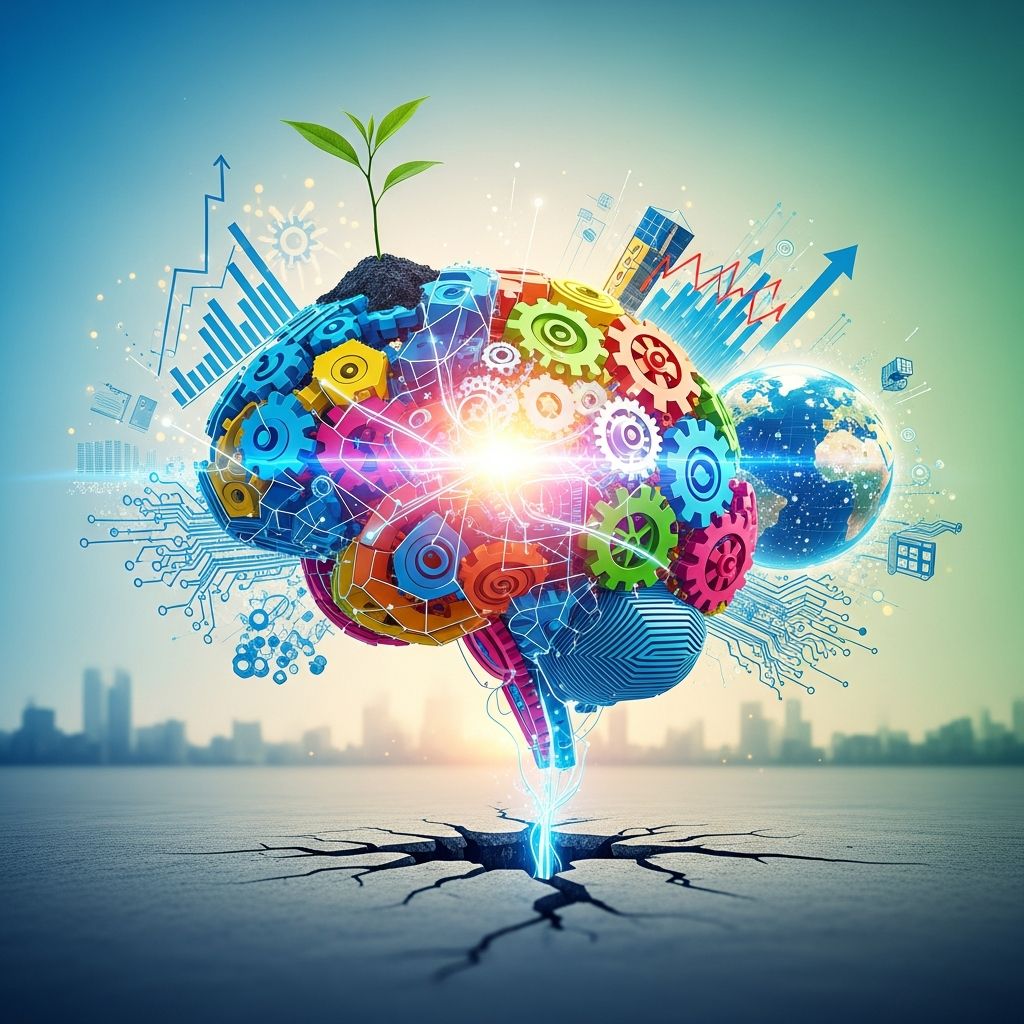
In an era defined by technological disruptions, economic shifts, and global uncertainties, the ability to adapt has become the cornerstone of personal and professional success. Adaptability empowers individuals to transform challenges into opportunities, ensuring long-term relevance and growth in dynamic environments.
Why Adaptability Defines Success Today
The modern workplace demands more than static expertise; it requires the capacity to pivot swiftly amid constant flux. Adaptable professionals not only survive disruptions but leverage them for innovation and advancement. According to research, those with strong adaptive skills secure new roles 3.2 times faster during downturns, highlighting their edge in competitive markets.
Adaptability manifests as proactive anticipation of change, flexible problem-solving, and resilient recovery from setbacks. It fosters cognitive flexibility, enabling creative responses to ambiguity, and emotional intelligence for navigating team dynamics under pressure. In leadership contexts, it translates to guiding teams through transitions with humility and a commitment to learning.
Core Pillars of Adaptive Mindset
Developing adaptability starts with foundational traits that underpin effective responses to change.
- Embracing Uncertainty: View flux as a gateway to growth rather than a threat, cultivating optimism that fuels experimentation.
- Learning Agility: Rapidly absorb and apply new knowledge, unlearning outdated methods to stay ahead.
- Emotional Resilience: Maintain composure amid stress, using reflection to build tenacity.
- Cognitive Flexibility: Shift perspectives seamlessly, integrating diverse ideas for innovative solutions.
These pillars enable seamless navigation of evolving demands, from AI integration to hybrid work models.
Practical Strategies to Cultivate Adaptability
Building these skills requires deliberate practice through structured approaches and real-world application.
1. Foster a Growth-Oriented Perspective
Shift from fixed mindsets to ones that prioritize development. Regularly challenge assumptions by exposing yourself to novel experiences, such as cross-functional projects or industry webinars. This builds the mental agility to reframe obstacles as skill-building exercises.
2. Hone Decision-Making in Ambiguity
Practice scenario planning: anticipate multiple outcomes and prepare contingencies. Tools like design thinking encourage iterative testing of ideas, reducing paralysis in uncertain scenarios. Adaptable decision-makers weigh incomplete data effectively, prioritizing action over perfection.
3. Build Emotional Fortitude
Implement daily mindfulness or journaling to process stress. Seek 360-degree feedback to identify blind spots in emotional responses. Techniques from positive psychology, like gratitude exercises, enhance recovery from failures, turning them into catalysts for improvement.
4. Master Digital and Technological Fluency
In 2025, seamless platform switching and AI literacy are non-negotiable. Dedicate time weekly to experimenting with emerging tools, from data analytics platforms to cybersecurity basics. This ensures productivity across digital ecosystems without friction.
5. Prioritize Continuous Skill Acquisition
Commit to micro-learning: short, targeted sessions on platforms offering verifiable credentials. Track progress via portfolios that document adaptive experiences, making your growth tangible for employers.
6. Strengthen Collaborative Agility
Adapt communication styles to diverse audiences, practicing active listening in virtual and in-person settings. Participate in job rotations or volunteer initiatives to build versatility in team environments.
7. Embrace Experimental Leadership
Lead by example in change initiatives, mobilizing others through transparent communication and shared vision. Adaptive leaders balance authority with vulnerability, fostering cultures of innovation.
Adaptive Skills in Action: Real-World Applications
Consider these scenarios where adaptability shines:
| Challenge | Adaptive Response | Outcome |
|---|---|---|
| Sudden tech rollout | Quick prototyping and team training | 40% faster productivity ramp-up |
| Market downturn | Pivot to new sectors via skill mapping | 3.2x quicker re-employment |
| Team conflicts | Empathetic mediation and role flexibility | Enhanced collaboration and morale |
| Innovation stagnation | Hackathons and cross-pollination | Novel solutions and breakthroughs |
These examples illustrate how adaptive skills drive tangible results across contexts.
Overcoming Common Barriers to Adaptation
Resistance often stems from fear of the unknown or entrenched habits. Counter this by starting small: set weekly ‘stretch goals’ outside your comfort zone. Organizations can support via experiential learning like simulations and innovation workshops, accelerating skill development.
Leaders play a pivotal role by modeling adaptability—demonstrating flexibility in plans and encouraging psychological safety for risk-taking.
Measuring and Tracking Your Progress
Use self-assessments and digital badges to quantify growth. Frameworks like the Graduate Attributes Matrix provide structured reflection on experiences, from internships to crisis simulations. Regular reviews ensure sustained momentum.
Frequently Asked Questions (FAQs)
What is the difference between adaptability and flexibility?
Flexibility is tactical adjustment to immediate needs, while adaptability involves strategic, long-term pivots including unlearning and innovation.
How long does it take to build adaptive skills?
With consistent practice, noticeable improvements emerge in 3-6 months, though mastery is ongoing via lifelong application.
Can anyone develop adaptability?
Yes, through deliberate experiential learning and reflection, anyone can cultivate these skills regardless of background.
Why is AI literacy key to future adaptability?
AI reshapes roles rapidly; literacy enables leveraging it as a tool, not a threat, for efficient decision-making.
How does adaptability impact leadership?
It equips leaders to navigate complexity, inspire teams, and drive resilient transformations.
Future-Proof Your Career with Adaptability
As environments evolve, those who master adaptability will lead the charge. Integrate these strategies into daily routines for enduring success. Begin today by identifying one change to embrace proactively.
References
- Master Adaptability to Thrive in a Changing World — University of Greater Manchester. 2024-03-22. https://greatermanchester.ac.uk/blogs/master-adaptability-to-thrive-in-a-changing-world
- Adaptive Skills: Why Being Flexible Helps You Succeed in a Fast-Changing World — LifeVitae. N/A. https://lifevitae.sg/blog/future-skills/adaptive-skills-why-being-flexible-helps-you-succeed-in-a-fast-changing-world
- What Are Adaptive Skills? A Complete 2025 Guide to Professional Adaptability — Verifyed. N/A. https://www.verifyed.io/blog/adaptive-skills
- The Critical Role of Adaptive Leadership Skills in Navigating Change — UWC PED Blog. N/A. https://blog.uwcped.org/the-critical-role-of-adaptive-leadership-skills-in-navigating-change/
- Adaptive Leadership in an Ever-Changing World — Gemba Academy. 2025-10-21. https://blog.gembaacademy.com/2025/10/21/adaptive-leadership-in-an-ever-changing-world/
- Adaptive Leadership in a Changing World – Strategies for Resilient Decision-Making — Vanguard XXI. N/A. https://www.vanguardxxi.com/adaptive-leadership-in-a-changing-world-strategies-for-resilient-decision-making

- Integrated M.A. in Applied Linguistics, University of Hyderabad
- 5+ years in editorial, instructional, SEO, and research-based writing
Sneha is a relationships and lifestyle writer with a strong foundation in applied linguistics and certified training in relationship coaching. She brings over five years of writing experience to theskillvault, crafting thoughtful, research-driven content that empowers readers to build healthier relationships, boost emotional well-being, and embrace holistic living. Her writing and insights reflect the belief that beauty, happiness, and wellness…