
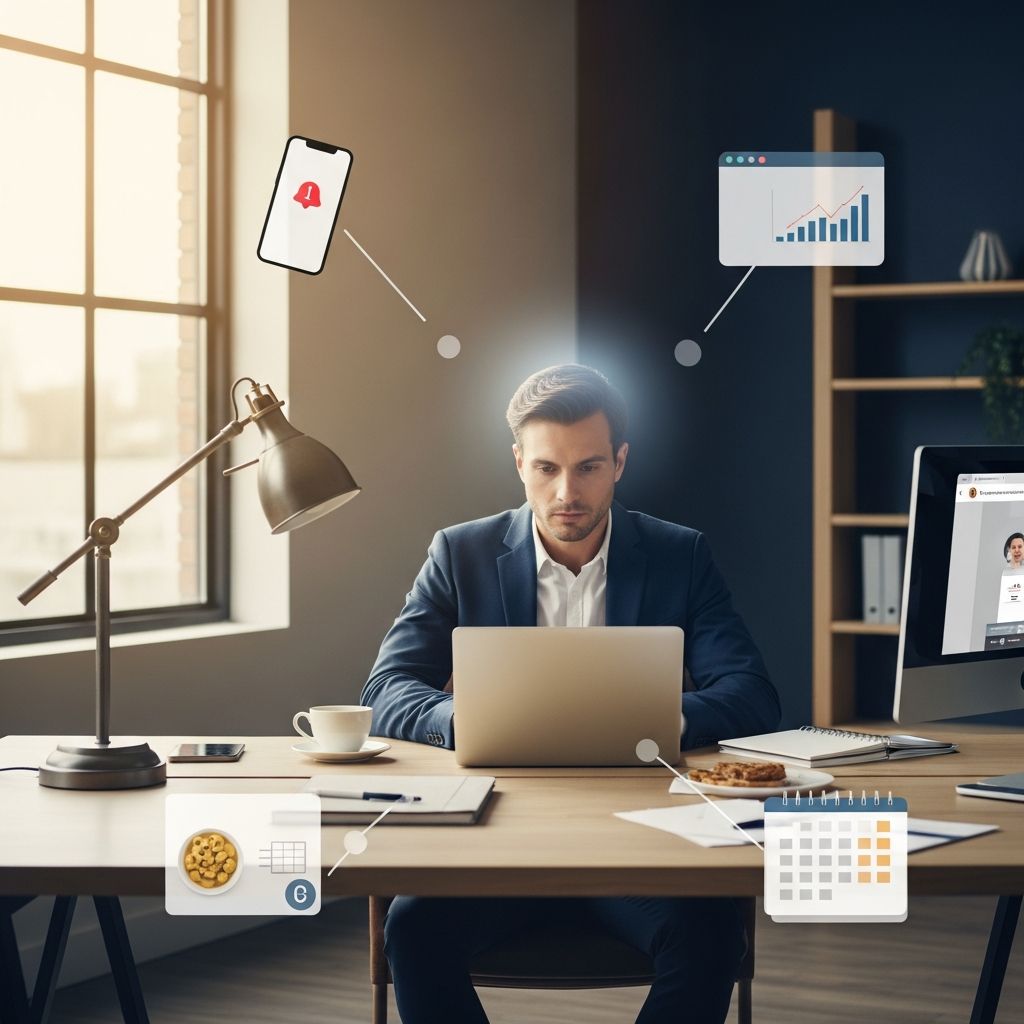
Distractions infiltrate every aspect of modern life, fragmenting attention and undermining efficiency. From buzzing smartphones to endless meetings, these interruptions cost professionals valuable hours each week. Research indicates that workers spend up to 28% of their time managing emails alone, highlighting the scale of the issue. This article explores prevalent distractions and delivers actionable techniques to restore control over your day.
Understanding the Hidden Cost of Interruptions
Every ping or chat pulls individuals from deep work, requiring time to refocus. Studies show it takes an average of 23 minutes to regain concentration after a diversion. Cumulative effects include heightened stress, errors, and burnout, with disengaged employees facing a 57% higher absence rate. Recognizing patterns is the first step toward mitigation.
Digital Overload: Taming Notifications and Devices
Smartphones top the list of disruptors, checked up to 144 times daily. Notifications from emails, apps, and social media shatter focus, with professionals dedicating nearly a third of their week to inbox management. Cell phones enable endless scrolling, turning minutes into hours lost.
- Set devices to ‘Do Not Disturb’ during focus blocks, allowing only critical alerts.
- Designate specific times for checking messages, such as every 90 minutes.
- Use app blockers to limit social media access during work hours.
Implementing these reduces checks from 47 to a handful per day, freeing mental bandwidth for priorities.
Auditory Assault: Conquering Noise in Shared Spaces
Open offices amplify ambient sounds—typing, calls, and conversations—that 85% of workers cite as concentration barriers. Even subtle noises like equipment hums erode performance. Noise competes for brain resources, elevating stress hormones.
| Noise Type | Impact | Solution |
|---|---|---|
| Conversations | Breaks flow state | Noise-cancelling headphones |
| Equipment | Increased errors | White noise machines |
| Typing | Reduced comprehension | Private pods or relocation |
Less than half of employees have quiet spaces, making personal interventions essential.
Social Interruptions: Balancing Collaboration and Solitude
Casual talks and gossip foster bonds but extend into time sinks. While brief exchanges build morale and cut turnover, prolonged diversions sidetrack tasks. Co-workers dropping by account for significant productivity dips, per employer surveys.
- Signal unavailability with visual cues like headphones or ‘busy’ signs.
- Schedule chit-chat during designated breaks.
- Politely redirect: ‘Let’s catch up at lunch—finishing this first.’
This preserves relationships without sacrificing output.
Meeting Madness: Streamlining Time-Wasters
Average workers endure 62 meetings monthly, half deemed unnecessary. Phrases like ‘this could be an email’ capture the frustration, with many involving daydreaming or multitasking. These gatherings fragment schedules, preventing sustained effort.
- Adopt agendas with time limits and clear outcomes.
- Question attendance: Is your input vital?
- Opt for async updates via shared docs.
Organizations saving hours weekly report sharper decisions and happier teams.
Chaos in the Workspace: Decluttering for Clarity
Visual disorder—piles of papers, scattered items—mirrors mental fog. Princeton research links clutter to impaired attention and stress spikes. Finding tools amid mess wastes time, compounding frustration.
- Apply the ‘one-touch rule’: Handle items once—file, trash, or act.
- Zone desks: In-tray for incoming, out-tray for done.
- Weekly purges keep surfaces minimal.
A tidy space enhances focus and conveys professionalism.
Environmental Hurdles: Optimizing Your Surroundings
Poor lighting causes eye strain, while extreme temperatures sap energy. Inadequate air flow leads to lethargy, with ventilation issues dulling motivation. These factors subtly erode endurance.
| Factor | Effect | Fix |
|---|---|---|
| Lighting | Headaches, fatigue | Adjustable lamps, natural light |
| Temperature | Distraction, low energy | Personal fans/heaters |
| Ventilation | Lethargy | Plants, open windows |
Fine-tuning these boosts comfort and output.
The Multitasking Myth: Embracing Single-Tasking
Switching tasks hampers memory and invites errors, contrary to productivity lore. Brains falter under divided attention, fostering fatigue. Prioritizing one task yields superior results.
- List top priorities daily, tackling sequentially.
- Use timers for 25-minute sprints (Pomodoro).
- Avoid tabs overload; close non-essentials.
True mastery lies in depth, not breadth.
Internal Struggles: Addressing Burnout and Mental Fatigue
Personal worries, exhaustion, or overload manifest as wandering minds. Burnout amplifies distractions, prompting frequent breaks and disengagement. It hampers collaboration and spikes absences.
- Incorporate mindfulness or short walks.
- Set boundaries to prevent overload.
- Seek support for persistent concerns.
Proactive self-care sustains long-term focus.
Tech Troubles: Navigating Slow Systems and Tools
Outdated software devours 22 minutes daily in frustration. Crashes and lags disrupt momentum, while mishandled AI adds hours. Efficient tech is foundational.
- Update systems routinely.
- Train on tools properly.
- Advocate for upgrades.
Streamlined tech liberates time.
Building a Distraction-Resistant Routine
Combine strategies into habits: Morning planning, themed days, end-of-day reviews. Track progress with journals to refine approaches. Leaders can cultivate distraction-free cultures via policies and training.
Consistent application transforms chaos into flow, elevating performance across roles.
Frequently Asked Questions (FAQs)
What is the biggest distraction at work?
Smartphones lead, with 55% of people identifying them as primary culprits due to constant access to apps and notifications.
How many meetings are too many?
Average is 62 monthly, but half are wasteful. Aim for fewer, purposeful ones.
Does clutter really affect productivity?
Yes, visual chaos competes for attention, raising stress per neuroscience findings.
Can multitasking improve efficiency?
No, it reduces focus and increases errors by disrupting workflow.
How to handle noisy offices?
Use noise-cancelling gear, white noise, or seek quieter spots—85% struggle without them.
References
- The Biggest Workplace Distractions (And How to Avoid Them) — Toggl. 2023. https://toggl.com/blog/workplace-distractions
- 10 Biggest Work Distractions & How To Manage Them — ThinkTanks. 2023. https://thinktanks.io/blogs/futuredesign/work-distractions
- 8 Office Distractions in the Workplace and How to Minimize Them — ActivTrak. 2023. https://www.activtrak.com/blog/distractions-in-the-workplace/
- Biggest Workplace Distractions That Kill Productivity — Business News Daily. 2016-10-12. https://www.businessnewsdaily.com/8098-distractions-kiling-productivity.html
- WORK DISTRACTIONS — Ontivity. 2023. https://ontivity.com/work-distractions/

- Integrated M.A. in Applied Linguistics, University of Hyderabad
- 5+ years in editorial, instructional, SEO, and research-based writing
Sneha is a relationships and lifestyle writer with a strong foundation in applied linguistics and certified training in relationship coaching. She brings over five years of writing experience to theskillvault, crafting thoughtful, research-driven content that empowers readers to build healthier relationships, boost emotional well-being, and embrace holistic living. Her writing and insights reflect the belief that beauty, happiness, and wellness…