
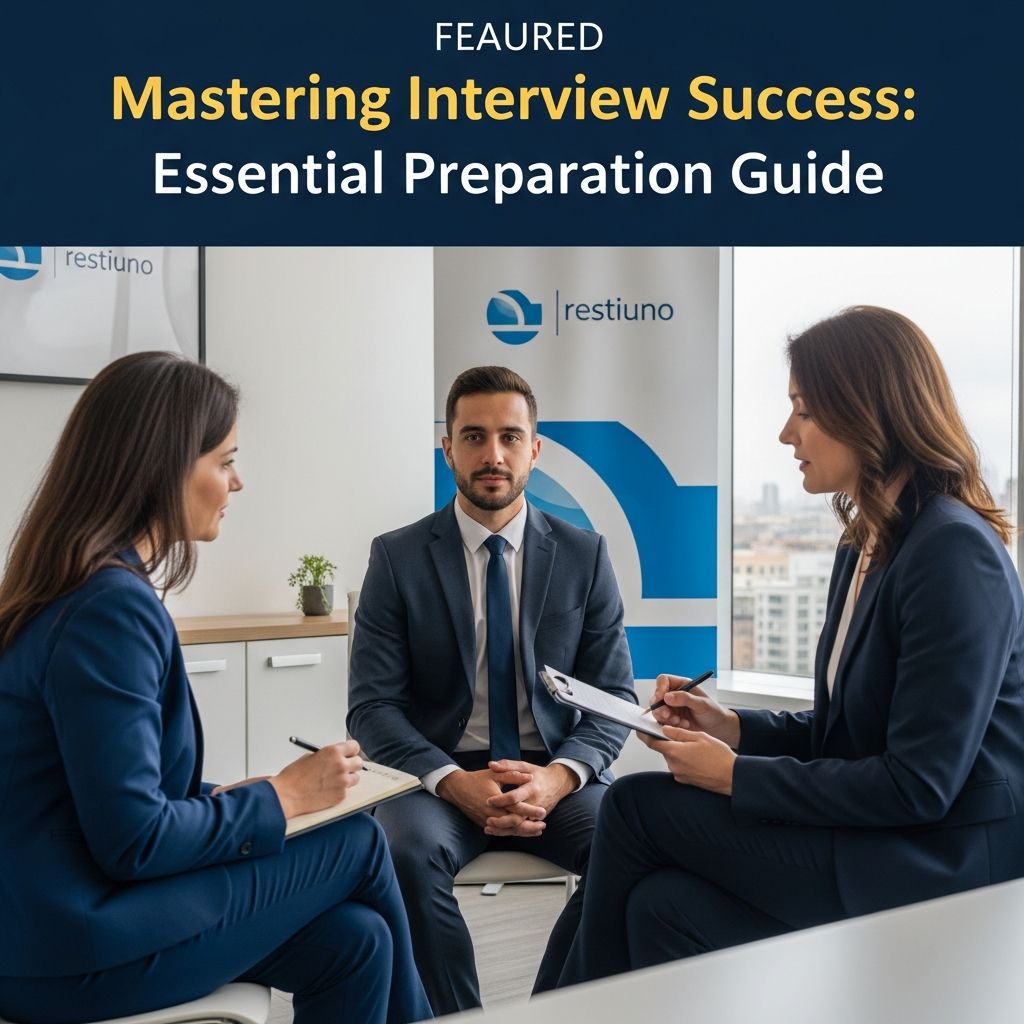
Foundation Elements of Interview Excellence
Walking into an interview room with confidence requires more than just showing up on time. Whether you’re pursuing your first position or advancing to a new role in your career, understanding the core components of interview success will significantly enhance your prospects. The difference between candidates often comes down to preparation quality and mindfulness about what hiring managers actually evaluate during the conversation. Your goal is to demonstrate not only that you possess the required qualifications but also that you’ve invested genuine effort in understanding the opportunity and the organization.
Conducting Thorough Organizational Research
One of the most overlooked aspects of interview preparation is the depth of research candidates undertake about the prospective employer. Many applicants fail to move beyond a surface-level understanding of the organization, which immediately places them at a disadvantage compared to competitors who demonstrate deeper knowledge. Investing time in comprehensive company research before your interview allows you to tailor your responses meaningfully and ask informed questions that impress hiring managers.
Begin by exploring the company’s mission statement and core values. Understanding what the organization stands for helps you articulate how your personal values align with theirs, creating a stronger narrative about why you’re genuinely interested in joining the team. Next, examine the company’s products and services in detail. If possible, try using or reviewing these offerings yourself so you can speak intelligently about them from both a customer and company perspective. Even if your role won’t directly involve the product, this knowledge demonstrates commitment to truly understanding the business.
Expand your research to include the competitive landscape and industry positioning. Knowing who the company’s main competitors are and what makes the organization distinctive gives you valuable context for discussing market challenges and opportunities during the interview. Additionally, review recent news articles, press releases, and company announcements to understand current developments and organizational priorities. Finally, identify key leadership figures and executives, particularly those you might interact with if hired, and learn about the organizational culture through employee reviews on platforms like Glassdoor.
Strategic Analysis of Job Requirements and Your Qualifications
The job description serves as your roadmap for interview preparation and success. Rather than simply reading it once, engage in strategic analysis that connects the employer’s stated needs with your actual experience and capabilities. Start by identifying every key responsibility and required skill mentioned in the posting, then create a mental inventory of examples from your academic projects, internships, previous employment, and extracurricular activities that demonstrate these competencies.
This alignment process is particularly important for recent graduates and career changers who may worry about lacking direct experience. By thoughtfully matching your transferable skills to the job requirements, you can construct compelling narratives that convince hiring managers you’re the right fit despite any gaps in traditional qualifications. For instance, if the role emphasizes teamwork and collaboration, prepare specific examples of group projects where you contributed meaningfully to a team outcome.
Review your resume alongside the job description and identify the three to five most important qualifications the employer is seeking. These should become your focal points during the interview, as they represent the areas where the hiring manager will most carefully evaluate your suitability. By acknowledging and addressing these key requirements proactively, you demonstrate self-awareness and strategic thinking about your own candidacy.
Building Confidence Through Structured Practice
Practice remains the most effective method for reducing interview anxiety and building genuine confidence. Unlike cramming for an exam, interview preparation requires repetitive rehearsal that helps you internalize your responses and deliver them naturally during the actual conversation. The goal isn’t to memorize scripted answers but to become comfortable discussing your experiences and qualifications in a conversational manner.
Begin by preparing responses to commonly asked interview questions such as “Tell me about yourself,” “What are your strengths and weaknesses?” and “Describe a challenging situation and how you handled it.” Rather than writing out word-for-word scripts, develop bullet points and key themes you want to cover. Then practice delivering these answers out loud multiple times, ideally with a trusted friend, family member, or mentor who can provide feedback. Hearing your own voice articulate these responses helps you identify awkward phrasing, excessive length, or areas where your message lacks clarity.
If you can arrange mock interviews with friends or career mentors, take advantage of these opportunities. A mock interview simulates the pressure and real-time dynamics of an actual interview, helping you become more comfortable with unexpected questions and developing the ability to think on your feet. If practicing with another person isn’t feasible, at minimum practice your responses aloud, even if it means speaking to yourself in a mirror or recording yourself on video. The repetition builds muscle memory for how your narratives should flow and sound.
Mastering the Art of Storytelling and Communication
Beyond memorizing answers, effective interview performance depends on your ability to communicate clearly and tell compelling stories that illustrate your qualifications. Employers evaluate not just your experience and education but also your communication skills, poise, and attitude throughout the conversation. Develop an elevator pitch—a 30 to 60-second summary of who you are, what you do, and what you bring to the position. This concise narrative serves as your foundation for longer answers and helps you stay focused when discussing your background.
When answering behavioral questions, employ the STAR method: describe the Situation, Task, Action, and Result of a specific example from your experience. This structured approach ensures your stories have clear context and demonstrate actual impact rather than vague generalizations. For instance, rather than saying “I’m a good problem solver,” you might describe a specific project challenge, explain what you personally did to address it, and quantify the positive outcome. This specificity makes your answer memorable and credible.
Remember that soft skills such as communication, teamwork, and problem-solving are often decisive factors in hiring decisions. Prepare to discuss specific instances where you’ve effectively utilized these skills, demonstrating how you contribute positively to workplace environments. Employers recognize that technical skills can often be learned, but interpersonal competencies and attitudes are more difficult to develop, making them particularly valuable to highlight.
Creating a List of Thoughtful Questions to Ask
A significant portion of interview success involves the questions you ask rather than just your answers to the interviewer’s questions. Developing a list of thoughtful, intelligent questions demonstrates genuine interest in the role and organization while providing you with valuable information about whether the position aligns with your career goals. Avoid generic questions readily answered through a quick internet search; instead, ask questions that reveal your deeper understanding of the company and role.
Consider asking about specific qualities most important for success in the position and how you measure up in those areas. Inquire about the company’s long-term vision and how the particular role contributes to organizational goals. Ask about work-life balance practices and how the company supports employee development. These questions signal that you’re thinking seriously about your potential career trajectory and cultural fit within the organization. By preparing these questions in advance, you ensure you have them ready and can listen more effectively to interview responses rather than scrambling to think of something to ask.
Professional Presentation and Demeanor During the Interview
Your appearance, body language, and overall demeanor constitute critical evaluation criteria during interviews. Arrive early to your interview—aiming to be present at least ten to fifteen minutes before your scheduled time. This buffer allows you to compose yourself, locate the correct entrance, and transition mentally into interview mode rather than arriving rushed and flustered. Early arrival also demonstrates respect for the interviewer’s time and professionalism in your approach to commitments.
Maintain consistent eye contact throughout the conversation and avoid fidgeting with your hands, phone, or clothing. These nonverbal cues communicate engagement, confidence, and genuine interest in the dialogue. Ensure your cell phone is turned off completely, not merely on silent, so you’re not tempted to check it during the interview. Avoid chewing gum, eating, or drinking unless specifically offered beverages by your interviewer. While these may seem like basic etiquette points, they’re frequently overlooked and can significantly impact how hiring managers perceive your professionalism and suitability for the role.
During the interview, be honest and sincere in your responses rather than attempting to portray an inauthentic version of yourself. Hiring managers generally prefer candidates who are genuine and transparent about their experiences and capabilities. If you don’t know the answer to a question, acknowledge this honestly and explain how you would approach finding the solution, rather than attempting to bluff your way through. This demonstrates integrity and critical thinking skills that many employers value highly.
Critical Elements for Specific Interview Types
Different interview formats may require tailored preparation strategies. Some technical positions may include assessments or evaluations during the interview process, such as code reviews for programming roles or technical evaluations for analytics positions. If you know your interview will include such components, practice relevant skills or problems in the weeks leading up to your appointment. Research similar positions and read reviews from individuals currently in those roles to understand what day-to-day activities entail and what skills are most heavily utilized.
Video interviews have become increasingly common and require their own special considerations. Ensure your background is professional and distraction-free, test your camera and audio quality beforehand, and dress as formally as you would for an in-person interview. Maintain eye contact with the camera, not the screen, to simulate the feeling of direct engagement with your interviewer.
The Critical Follow-Up Process
Your interview doesn’t truly conclude when you walk out of the office—the follow-up stage is equally important for solidifying the hiring manager’s impression of you. Within two days of your interview, send a thank you message to each person who interviewed you. This communication should reiterate your genuine interest in the position and briefly reference key points discussed during the conversation, demonstrating that you were actively listening and thoughtfully considering the discussion.
Use the follow-up as an opportunity to address any points you wish you’d explained more clearly during the interview or to reinforce why you’re an excellent fit for the role. Keep the message professional but personable, striking a balance between warmth and formality that matches the company’s culture. This simple gesture often distinguishes serious candidates from those who view the interview as concluded once the conversation ends.
Managing Interview Anxiety and Staying Calm
Despite thorough preparation, many candidates still experience nervousness before interviews. Understanding that anxiety is normal and that preparation is the antidote helps you manage these feelings constructively. The more thoroughly you prepare and practice, the calmer you’ll feel walking into the actual interview. Recognize that interviewers understand candidates are nervous and typically work to create a welcoming environment that allows candidates to show their strengths.
In the hours before your interview, engage in relaxation techniques that work for you—whether that’s exercise, meditation, deep breathing, or simply reviewing your prepared materials. Ensure you get adequate sleep the night before rather than staying up late cramming additional information. Arriving early allows mental transition time and reduces the physical rush that amplifies anxiety.
Frequently Asked Questions
Q: How far in advance should I research a company before my interview?
A: Begin researching immediately after scheduling your interview, ideally spending several hours over the days leading up to your appointment. This allows time for multiple passes through materials and deeper understanding of organizational details.
Q: What should I do if I don’t know the answer to an interview question?
A: Be honest and acknowledge that you don’t know the answer, then explain how you would approach finding the solution. This demonstrates integrity and problem-solving skills that many employers value.
Q: How long should my prepared answers to common questions be?
A: Your “tell me about yourself” response should be approximately 30 to 60 seconds, allowing for natural follow-up questions from the interviewer. Other answers should generally be 1-2 minutes unless the interviewer asks for more detail.
Q: Is it appropriate to ask about salary during a first interview?
A: Generally, avoid initiating salary discussions in a first interview unless the interviewer brings it up. Focus on demonstrating your value and fit for the role first. Salary negotiations typically occur after a formal offer is extended.
Q: What should I wear to an interview if the job description doesn’t specify dress code?
A: Research the company culture through employee reviews and company photos to gauge appropriate attire. When in doubt, err on the side of professional business casual or business formal dress rather than underdressing.
References
- How To Prepare for an Interview in 11 Steps — Indeed.com. 2024. https://www.indeed.com/career-advice/interviewing/how-to-prepare-for-an-interview
- Interviewing Essentials — Drexel University. 2024. https://drexel.edu/scdc/professional-resources/interviewing/essentials
- Mastering the Basics: Essential Job Interview Preparation — National University. 2024. https://www.national.edu/2024/12/06/mastering-the-basics-essential-job-interview-preparation/
- Interviewing Best Practices — Colorado State University Human Resources. 2024. https://hr.colostate.edu/interviewing-best-practices/
- Mastering Job Interview Prep: Four Key Areas to Focus On — The Palmer Group. 2024. https://www.thepalmergroup.com/resources/blog/mastering-job-interview-prep-four-key-areas-to-focus-on
- Preparing for an Interview — Goucher College. 2024. https://www.goucher.edu/career-education-office/
- Interview Tips — U.S. Department of Labor. 2024. https://www.dol.gov/general/jobs/interview-tips
- Tips for a Successful Interview — University of North Georgia. 2024. https://ung.edu/career-services/online-career-resources/interview-well/tips-for-a-successful-interview.php

- Integrated M.A. in Applied Linguistics, University of Hyderabad
- 5+ years in editorial, instructional, SEO, and research-based writing
Sneha is a relationships and lifestyle writer with a strong foundation in applied linguistics and certified training in relationship coaching. She brings over five years of writing experience to theskillvault, crafting thoughtful, research-driven content that empowers readers to build healthier relationships, boost emotional well-being, and embrace holistic living. Her writing and insights reflect the belief that beauty, happiness, and wellness…