
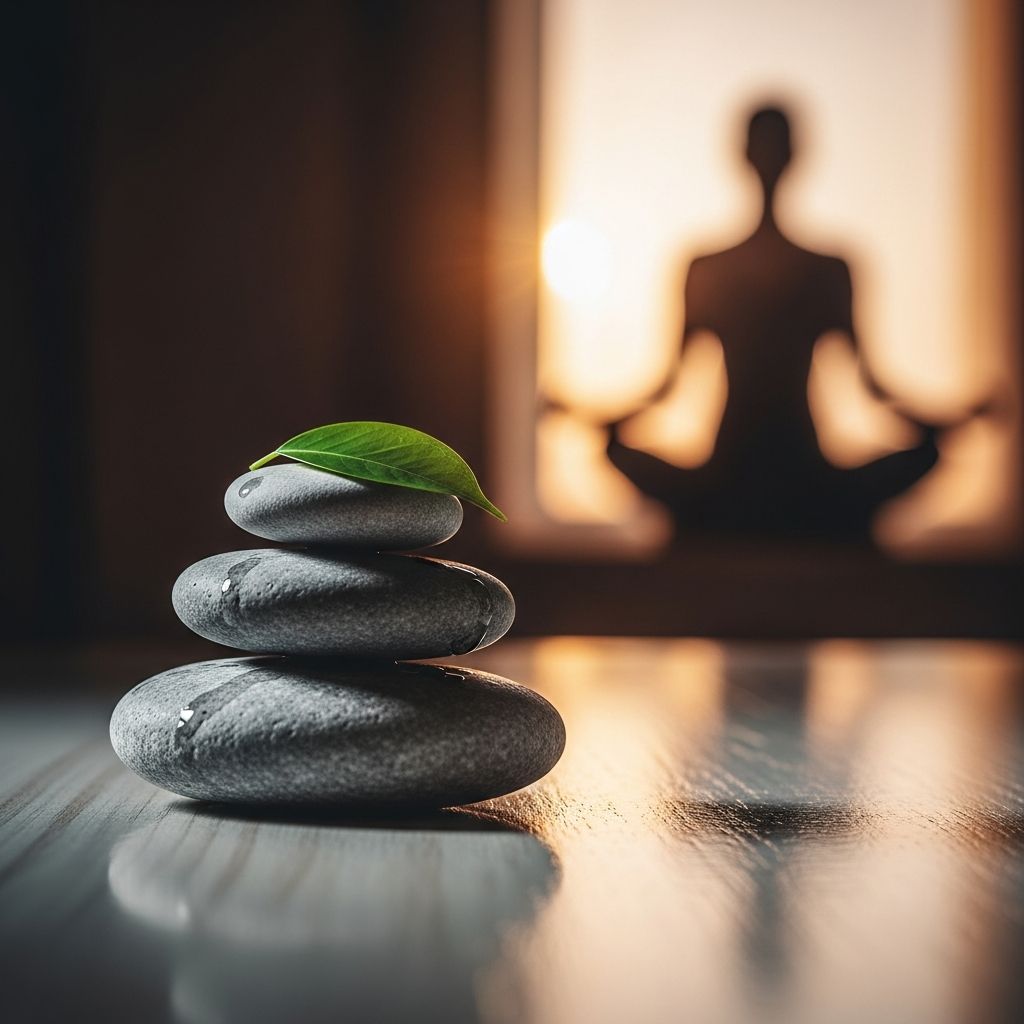
Developing Mindfulness: A Comprehensive Guide to Present-Moment Awareness
In today’s fast-paced world, the mind often operates on autopilot, jumping between past regrets and future worries while missing the present moment entirely. Mindfulness—the practice of directing attention to what is happening right now without judgment—offers a powerful antidote to this fragmented way of living. Rather than requiring special skills or lengthy time commitments, cultivating mindfulness begins with understanding that presence is a skill that can be developed through consistent practice and deliberate technique. Whether you’re seeking stress relief, improved focus, or simply a deeper connection with your life, building a mindfulness practice transforms how you experience each day.
Understanding the Foundation of Mindful Awareness
Before diving into specific techniques, it helps to understand what mindfulness actually is. Mindfulness refers to the deliberate cultivation of attention on the present moment—your breath, body sensations, thoughts, and surroundings—without judgment or reaction. The practice is rooted in the principle that by training attention, you fundamentally alter your relationship with experience. Instead of being swept away by thoughts and emotions, you develop the capacity to observe them as they arise, acknowledge them, and gently return focus to the present anchor point, typically the sensation of breathing.
This shift in awareness has measurable effects on the nervous system. When you practice mindfulness, the mind becomes less reactive and more responsive, allowing you to approach challenges with greater clarity and composure. The transformation isn’t instantaneous—it requires consistent effort—but even brief daily practice yields tangible improvements in emotional regulation and mental clarity.
Establishing a Consistent Practice Schedule
The first practical step toward mindfulness development is carving out dedicated time. Unlike many wellness initiatives that demand extensive commitment, mindfulness flourishes with modest but consistent effort. Research and practice guides suggest that 10 to 15 minutes daily provides sufficient time for beginners to establish a solid foundation. The key is choosing a time that aligns with your natural rhythms—many practitioners find early morning meditation before daily demands begin to be particularly effective, while others prefer evening or post-work sessions.
The consistency matters more than duration. A brief 10-minute practice performed every day builds stronger mental pathways than sporadic longer sessions. You need not invest in specialized equipment; any quiet location—whether a dedicated meditation corner, office space, or park bench—serves as an adequate practice environment. What matters is removing obvious distractions and creating a space where you can direct attention inward without interruption.
Mastering the Anchor of Breath Awareness
Breath serves as the primary anchor point for mindfulness training because it is always available and naturally links attention to the present moment. Unlike thoughts or emotions, which fluctuate constantly, the breath provides a stable point of focus that remains accessible wherever you are. Beginning practitioners often benefit from the two-minute breathing exercise as an entry point. This technique involves settling into a comfortable seated position, closing your eyes or maintaining a soft downward gaze, and directing attention to the physical sensations of breathing—the air passing through the nostrils, the expansion of the chest and abdomen, the pause between inhale and exhale.
The simplicity of this approach belies its effectiveness. When attention wanders to thoughts, worries, or planning, you simply notice this distraction without criticism and redirect focus back to breathing. This cycle of attention drifting and returning is not a failure; it is the actual practice. Each time you recognize that your mind has wandered and return to the breath, you strengthen neural pathways associated with attention control and impulse regulation. Over time, this discipline extends beyond formal practice into everyday life.
Progressive Body Awareness Training
While breath awareness forms a strong foundation, body scan meditation extends mindfulness training into a comprehensive practice that addresses physical tension and cultivates whole-body awareness. This technique involves systematically directing attention through different regions of the body, beginning at the head and progressing downward to the toes. During a body scan, you notice physical sensations without attempting to change them—areas of tightness, warmth, coolness, tingling, or numbness.
The body scan practice serves multiple functions. First, it trains attention to remain focused over an extended period. Second, it develops somatic awareness, helping you recognize where you hold tension in response to stress. Third, it facilitates relaxation as muscles naturally release when given gentle, non-judgmental attention. Practitioners often report that areas of unconscious tension become apparent during body scans, revealing how stress accumulates in shoulders, jaw, or abdomen. This awareness alone often triggers spontaneous relaxation.
Integrating Mindfulness into Sensory Experiences
While formal meditation practices build a foundation, mindfulness deepens when applied to everyday sensory experiences. The mindful eating exercise, often demonstrated using a raisin, illustrates how ordinary activities become gateways to deeper awareness. In this practice, you examine a single raisin with complete attention—observing its texture, color, how light reflects off its surface, its scent, and the subtle sounds it makes when handled. Only after thorough sensory exploration do you place it in your mouth, noticing taste, texture, and the physical sensations of chewing and swallowing.
This seemingly simple exercise reveals how automatically we move through eating without actual awareness. Extending mindful eating principles to regular meals involves slowing down, eliminating distractions, and directing full attention to flavors, textures, and physical sensations associated with nourishment. Similarly, mindful listening practice trains attention on sounds without labeling or judging them, allowing audio information to simply pass through awareness. These sensory applications demonstrate that mindfulness is not confined to formal meditation but enriches all aspects of living.
Applying Mindfulness to Movement Practices
Mindfulness extends naturally into slow-moving physical activities such as walking meditation, yoga, and tai chi. Walking meditation involves directing attention to physical sensations associated with movement—the pressure of feet on ground, the sensation of legs swinging, the coordination of arms and legs, and awareness of surroundings. This practice combines the benefits of movement with meditative focus, making it particularly accessible for those who find sitting meditation challenging.
Yoga and tai chi inherently emphasize the connection between breath, body awareness, and present-moment attention. Even without formal meditation training, these practices develop mindfulness through the intentional linking of breath with movement and the cultivation of awareness regarding body position and sensation. For individuals seeking to build mindfulness while also addressing physical fitness or flexibility, these movement-based practices offer efficient integration of multiple wellness goals.
Managing Thoughts and Emotional Responses
A critical aspect of mindfulness training involves developing a new relationship with thoughts and emotions. Beginners often struggle with the misconception that mindfulness means achieving a blank mind without thoughts. In reality, thoughts and emotions will continually arise during practice. The distinction is that you learn to notice them without becoming entangled in them. When thoughts appear during meditation, you acknowledge their presence, observe them without analysis or judgment, and gently return attention to your anchor point, typically the breath.
This technique is sometimes visualized as placing each thought on a leaf floating downstream—noticing it pass without attempting to grasp or resist it. In practical terms, this means not elaborating on worries by adding thoughts like “I shouldn’t be thinking about this” or attempting to suppress thoughts through force. Instead, you develop the capacity to observe mental activity with the same non-reactive awareness you bring to physical sensations. This skill fundamentally reduces the suffering associated with difficult emotions, as reactivity and resistance typically amplify distress.
Recognizing and Addressing Common Obstacles
Nearly all practitioners encounter predictable challenges during the development of mindfulness. Restlessness, particularly in early practice sessions, occurs as the mind adjusts to sustained focus. Drowsiness represents another common experience, especially in relaxing positions or following demanding days. Neither represents failure; both are normal aspects of training attention. Addressing restlessness involves maintaining gentle but firm focus on the chosen anchor, while drowsiness may improve by practicing at different times or in more alert postures.
Doubt about whether the practice is working often emerges when practitioners expect immediate results. Mindfulness develops gradually through accumulated practice, much like physical fitness develops through consistent exercise. Subtle shifts in awareness, improved emotional regulation, and enhanced ability to pause before reacting often accumulate before becoming obvious. Maintaining realistic expectations and recognizing that consistency matters more than perfect practice helps practitioners persist through initial phases when benefits feel less apparent.
Extending Mindfulness Beyond Formal Practice
While dedicated meditation sessions establish the foundation, mindfulness becomes transformative when extended throughout daily activities. Mindful pausing—taking 30 seconds to shift awareness from autopilot to conscious presence—can occur during routine activities like brushing teeth, preparing meals, or transitioning between tasks. Grounding techniques, which involve deliberately noticing feet on the ground, temperature sensations, ambient sounds, and breath when caught in anxious or worried thinking, quickly anchor awareness in present reality.
The practice of applied mindfulness in difficult moments demonstrates the practical value of meditation training. When experiencing stress or worry, instead of becoming absorbed in “what-if” thinking, mindfulness practice enables you to ask “What’s actually here?” and redirect attention to present sensory experience. This simple shift often dissolves imagined future problems, revealing that the present moment is typically manageable even if anticipated futures feel overwhelming.
Building Social Connection Through Mindful Listening
Mindfulness fundamentally improves relationships through the practice of mindful listening—directing complete attention to another person and what they are communicating, with the intention to understand rather than to respond or formulate replies. This simple shift transforms conversations by demonstrating genuine presence and care. When people feel truly heard, relationships deepen and communication becomes more authentic and satisfying.
Frequently Asked Questions
Q: How long does it take before mindfulness produces noticeable results?
A: Some practitioners notice improved emotional regulation and reduced stress within the first few weeks of consistent daily practice, though deeper transformations typically emerge over months of sustained effort. Individual timelines vary based on consistency, starting stress levels, and natural predisposition toward introspection.
Q: Is mindfulness the same as meditation?
A: While related, mindfulness and meditation are distinct concepts. Meditation is a practice or technique—a structured activity performed for a set duration. Mindfulness is the quality of awareness cultivated through practice but extended throughout daily life. Meditation is one avenue for developing mindfulness, but mindfulness can be applied to any activity through deliberate attention.
Q: Can mindfulness be practiced while exercising or doing active tasks?
A: Yes. Mindfulness applies to movement-based practices like walking, running, yoga, or sports by maintaining awareness of body sensations, breath, and environmental surroundings during the activity. This practice combines physical activity with mental training, making it particularly appealing for busy individuals.
Q: What should I do if I cannot quiet my mind during meditation?
A: A busy mind is normal and not a sign of failure. Rather than attempting to force silence, simply notice thoughts as they arise, acknowledge them without judgment, and gently return attention to your chosen anchor point. This cycle of noticing and returning is the actual practice.
Q: Is there a “best time” to practice mindfulness?
A: The best time is whenever you can practice consistently. Early morning before daily demands suits many practitioners, but evening or post-work practice works equally well. The key is selecting a time that allows regular commitment rather than perfect timing.
Q: Can children and teenagers benefit from mindfulness practice?
A: Yes. Mindfulness techniques adapted for younger practitioners help develop emotional regulation, improve focus, reduce anxiety, and build resilience. Starting with very brief practices (even one to three mindful breaths) makes mindfulness accessible and beneficial for younger ages.
References
- 8 Mindfulness Exercises for Beginners — Mindfulness Exercises. 2024. https://mindfulnessexercises.com/8-mindfulness-exercises-for-beginners/
- Mindfulness Meditation Training Techniques for Beginners — Mindworks. 2024. https://mindworks.org/blog/mindfulness-meditation-training-techniques-for-beginners/
- How to Practice Mindfulness — PsychHub. 2024. https://www.youtube.com/watch?v=bLpChrgS0AY
- Mindfulness 101: A Beginner’s Guide — Mindfulness.com. 2024. https://mindfulness.com/mindful-living/mindfulness-a-beginners-guide
- 21 Mindfulness Exercises & Activities for Adults — Positive Psychology. 2024. https://positivepsychology.com/mindfulness-exercises-techniques-activities/
- Less Stress, Clearer Thoughts with Mindfulness Meditation — Harvard Gazette. 2018-04-27. https://news.harvard.edu/gazette/story/2018/04/less-stress-clearer-thoughts-with-mindfulness-meditation/

Medha Deb is an editor with a master's degree in Applied Linguistics from the University of Hyderabad. She believes that her qualification has helped her develop a deep understanding of language and its application in various contexts. Medha specializes in the areas of beauty, health, sports, and wellness and is committed to ensuring that the content on the website is…