
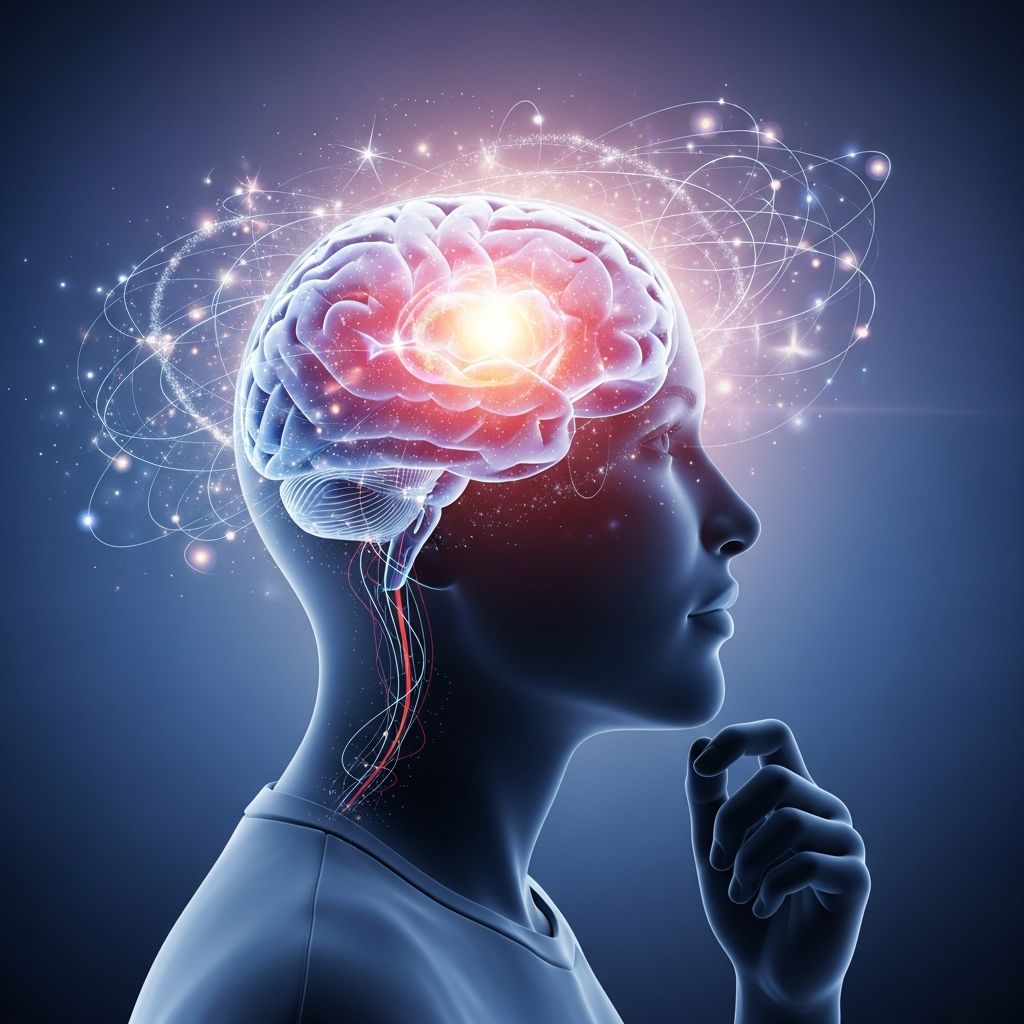
In today’s fast-paced world, maintaining sharp mental energy is essential for productivity and well-being. Mental vitality refers to the cognitive stamina that fuels focus, decision-making, and creativity. Depletion from stress, poor habits, or overload can lead to fatigue, but targeted strategies rooted in science can restore and amplify it.
Understanding Mental Energy Dynamics
Mental energy stems from brain chemistry, including neurotransmitters like dopamine and norepinephrine, which regulate motivation and stress response. Factors such as sleep deficits, nutrient gaps, and sedentary lifestyles disrupt these systems, leading to exhaustion. Research highlights how lifestyle interventions can optimize these pathways for sustained alertness.
Physical and psychological mechanisms interplay: exercise elevates neuromodulators, while chronic stress drains them. Recognizing personal energy cycles—peaks of high focus and natural dips—allows for better management, preventing burnout.
Physical Activity as a Cognitive Catalyst
Regular movement is a cornerstone for revitalizing the mind. Exercise stimulates dopamine release, enhancing mood and drive, with activities like brisk walking or yoga proving effective.
- Aerobic routines: Moderate-intensity sessions, such as 30 minutes of jogging, boost endocannabinoids, mimicking antidepressant effects and reducing anxiety.
- Mind-body practices: Yoga and tai chi balance autonomic nervous system activity, fostering calm focus.
- Daily integration: Short bursts, like desk stretches, maintain circulation and endorphin flow without overwhelming schedules.
Studies confirm physically active individuals exhibit lower depression rates, attributing benefits to norepinephrine surges in stress-regulating brain areas. Start with 150 minutes weekly for noticeable gains.
Nutrition for Neural Fuel
Diet directly influences brain function. Dopamine-boosting foods rich in tyrosine—think eggs, almonds, and bananas—support neurotransmitter synthesis. Polyphenols from berries and greens modulate mental energy via anti-inflammatory effects.
| Nutrient | Sources | Benefit |
|---|---|---|
| Tyrosine | Avocados, cheese, poultry | Dopamine precursor for motivation |
| Omega-3s | Fatty fish, flaxseeds | Reduces brain fog, aids focus |
| Antioxidants | Dark chocolate, spinach | Combats oxidative stress |
Avoid sugar crashes by opting for balanced meals. Herbal allies like ginseng enhance alertness through phytochemicals. Hydration is key—dehydration impairs cognition by 10-20%.
Mastering Sleep for Mental Recharge
Quality rest restores neural pathways. Aim for 7-9 hours; deficits hinder dopamine regulation. Blue light from screens suppresses melatonin, so enforce a digital curfew.
- Wind-down rituals: Deep breathing or reading signals sleep mode.
- Environment tweaks: Cool, dark rooms optimize cycles.
- Consistency: Fixed bedtimes align circadian rhythms.
Mindfulness before bed enhances sleep depth, indirectly boosting daytime vigor.
Mindfulness and Stress-Reduction Techniques
Chronic stress erodes mental reserves. Practices like meditation rewire neural networks for emotion regulation.
Emotional Freedom Techniques (EFT), involving acupoint tapping, activate physiological cascades for rapid anxiety relief and memory reconsolidation. Sessions as short as 10 minutes yield benefits comparable to therapy.
- Breathwork: 4-7-8 breathing lowers cortisol.
- Guided imagery: Visualizing success replenishes positivity.
- Gratitude journaling: Shifts focus from negatives, preserving energy.
Optimizing Your Daily Environment
Workspace design impacts cognition. Natural light regulates mood via serotonin; decluttered spaces reduce decision fatigue.
Soundscapes matter—nature sounds or white noise enhance concentration. Incorporate plants for biophilic benefits, lowering stress hormones.
Strategic Breaks and Task Management
The brain thrives on intervals. Pomodoro-style 25-minute sprints followed by 5-minute pauses prevent overload. Switch tasks to match energy waves: analytical work during peaks, routine during lulls.
Nature exposure during breaks restores attention, as ‘green time’ uniquely recharges directed focus.
Social Connections and Emotional Support
Interactions release oxytocin, buffering stress. Meaningful conversations or group activities combat isolation-induced drain.
- Weekly check-ins with friends.
- Collaborative projects for mutual motivation.
Laughter shared amplifies endorphins, a natural energizer.
Leveraging Novelty and Learning
Monotony dulls the mind; new skills spark dopamine. Dedicate time to hobbies like puzzles or languages for cognitive refresh.
Micro-learning—10 minutes daily—builds resilience without fatigue.
Hydration and Caffeine Calibration
Water is brain’s medium; mild dehydration fogs thinking. Moderate caffeine (200mg daily) sharpens without jitters—pair with L-theanine from tea.
Time intake for mornings to align with natural cortisol peaks.
Breathing Exercises for Instant Boosts
Box breathing (inhale 4, hold 4, exhale 4, hold 4) oxygenates the brain, clearing mental haze in minutes. Integrate during transitions for seamless energy lifts.
Power of Positive Reframing
Negative loops deplete resources. Challenge thoughts: ‘This is temporary’ preserves bandwidth. Affirmations prime neural pathways for resilience.
Tracking Progress and Adjustments
Journal energy levels daily to identify patterns. Apps aid habit stacking, ensuring consistency.
Frequently Asked Questions (FAQs)
What is the fastest way to boost mental energy?
A short walk or deep breathing provides immediate neurotransmitter lifts via oxygen and endorphins.
How much exercise is needed for mental benefits?
150 minutes moderate weekly suffices, with even 10-minute sessions offering gains.
Can diet alone improve cognitive stamina?
Yes, tyrosine-rich foods enhance dopamine, but combine with sleep and movement for synergy.
Does meditation really reduce mental fatigue?
Meta-analyses confirm moderate effects on stress and anxiety, rivaling CBT.
What if strategies don’t work?
Persistent fatigue warrants professional evaluation for underlying issues.
Building Lasting Mental Resilience
Combine strategies into routines: morning exercise, nutrient-dense breakfasts, mindful pauses. Consistency compounds effects, transforming energy management into a skill. Track mood shifts over weeks for motivation.
Mind-body integration, as in yoga, addresses root causes holistically. Energy psychology like EFT offers tools for emotional blocks.
Ultimately, these approaches empower proactive vitality, reducing reliance on stimulants. Small, sustained changes yield profound cognitive freedom.
References
- Boosting Energy and Motivation: How to Naturally Enhance Your Mental Health — LÉVO Mind. 2023. https://levomind.com/boosting-energy-and-motivation-how-to-naturally-enhance-your-mental-health/
- The Promise of Mind-Body Interventions to Address Growing Mental Health Concerns in Youth — PMC (National Library of Medicine). 2023-10-12. https://pmc.ncbi.nlm.nih.gov/articles/PMC10557954/
- How tapping works: physiological and psychological mechanisms in energy psychology — Frontiers in Psychology. 2025. https://www.frontiersin.org/journals/psychology/articles/10.3389/fpsyg.2025.1660375/full
- Working out boosts brain health — American Psychological Association. 2023. https://www.apa.org/topics/exercise-fitness/stress
- Tired of being tired? Simple tips that can improve your physical and mental energy — University of Alabama at Birmingham. 2023. https://www.uab.edu/news/health-medicine/tired-of-being-tired-simple-tips-that-can-improve-your-physical-and-mental-energy
- Mental energy: plausible neurological mechanisms and emerging neurotechnologies for study, measurement, and alteration — PubMed (National Library of Medicine). 2019-10-30. https://pubmed.ncbi.nlm.nih.gov/31665988/

Medha Deb is an editor with a master's degree in Applied Linguistics from the University of Hyderabad. She believes that her qualification has helped her develop a deep understanding of language and its application in various contexts. Medha specializes in the areas of beauty, health, sports, and wellness and is committed to ensuring that the content on the website is…