
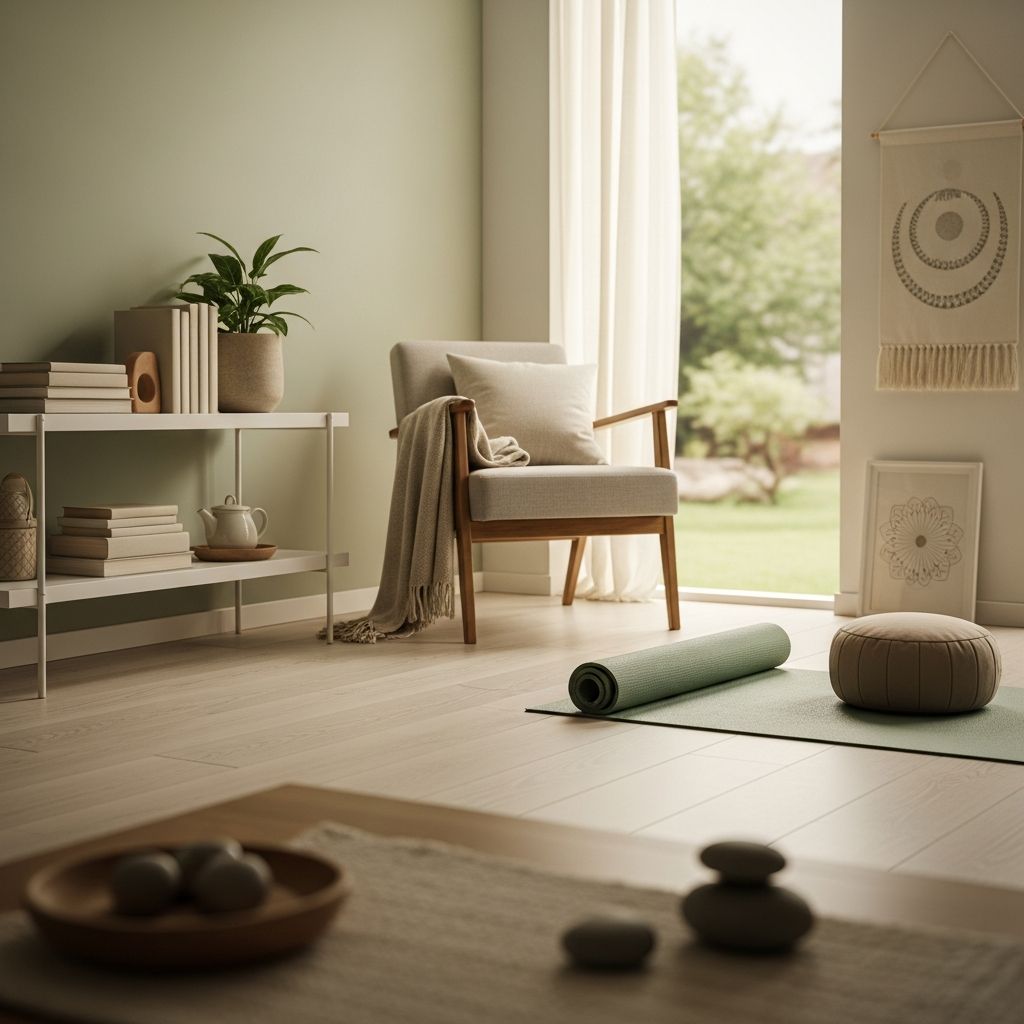
Understanding the Psychological Impact of Physical Disorder
Our living environments exert a profound influence on our mental and emotional states, often in ways we don’t consciously recognize. Research from Princeton University’s Neuroscience Institute demonstrates that physical disorder actively competes for our brain’s attention, creating a measurable drain on cognitive resources. When we inhabit spaces filled with unnecessary items and visual chaos, our minds struggle to maintain focus, even when we’re engaged in important tasks.
The connection between environmental chaos and mental strain operates at a neurological level. Studies reveal that individuals in disorganized spaces experience elevated stress hormones, reduced task performance, and heightened irritability compared to those in organized environments. This phenomenon isn’t merely about aesthetics—it’s rooted in how our brains process visual information and allocate mental energy.
The Stress-Reduction Benefits of Organized Living Spaces
One of the most immediate psychological benefits of decluttering emerges through stress reduction. A study by the University of Connecticut found that removing or controlling clutter directly reduces the stress that stems from disorganization, leading to decreased anxiety and increased confidence. When everything has its designated place, our minds experience a sense of control and order that translates into genuine emotional relief.
The relationship between clutter and stress operates through multiple pathways. Excessive possessions create visual overwhelm, triggering feelings of being trapped or constrained in one’s own space. Additionally, cluttered environments often generate anxiety about maintenance, organization, and the accumulation of more items. By systematically removing unnecessary belongings, individuals report experiencing tangible reductions in everyday stress and a restored sense of calm.
Cortisol Levels and Cognitive Load
Research indicates that cluttered environments can elevate cortisol levels—the primary stress hormone. This physiological response contributes directly to feelings of overwhelm and emotional exhaustion. Minimalist environments, by contrast, support lower cortisol production, allowing the body to remain in a more relaxed state. A comprehensive 2020 study found that adopting minimalist practices could decrease stress levels by up to 75%.
Enhancing Mental Clarity and Cognitive Performance
Beyond stress reduction, decluttering produces measurable improvements in cognitive function. When your physical surroundings are organized, your mind experiences less cognitive load—the mental effort required to process environmental information. This reduction in cognitive burden translates directly into improved focus, better decision-making, and enhanced problem-solving abilities.
The act of organizing creates what neuroscience researchers call “mental clarity.” With fewer visual distractions competing for attention, your brain can allocate more resources to the task at hand. Research from the Journal of Neuroscience confirms that physical clutter in your surroundings competes for your attention, leading to decreased performance and increased cognitive overload. Removing this competition allows for deeper concentration and more efficient work output.
Focus Enhancement Through Environmental Simplification
A decluttered space functions as a catalyst for sustained attention. When your surroundings are organized, you can quickly locate and access needed items without wasting time searching for misplaced belongings. This seemingly small advantage accumulates significantly over time, freeing mental resources for meaningful work and creative endeavors. The enhanced focus extends beyond work tasks—it improves your ability to engage fully in relationships, hobbies, and personal development.
Mood Elevation and Emotional Well-Being
The psychological benefits of decluttering extend into emotional terrain. The act of organizing and tidying up triggers the release of dopamine—the neurotransmitter associated with reward and motivation. This biochemical response creates a genuine sense of accomplishment and satisfaction, which accumulates with each completed organizational task.
Beyond the immediate gratification of organizing, living in a clean and visually pleasing space promotes sustained positivity. A well-ordered environment creates an atmosphere that naturally encourages relaxation and contentment. People report experiencing improved mood, reduced symptoms of depression, and enhanced overall well-being when they transition from cluttered to organized living spaces.
The Connection Between Minimalism and Happiness
A 2020 study highlighted that adopting minimalist principles improved life satisfaction by 80%. This substantial increase reflects more than temporary satisfaction—it indicates fundamental shifts in how individuals relate to their possessions and environments. By prioritizing experiences over material accumulation, people often discover deeper contentment and stronger connections with what truly matters in their lives.
Physical Activity and Mental Health During Decluttering
The decluttering process itself offers unexpected mental health benefits. Organizing requires physical movement—bending, lifting, sorting, and arranging—which engages the body while allowing the mind to process information more freely. This combination of physical activity and mental engagement can enhance creativity by allowing your mind to wander productively. The physical exertion also triggers the release of endorphins, further supporting mood elevation.
Many individuals report that the focused activity of decluttering serves as a form of moving meditation, allowing them to work through emotional challenges while accomplishing tangible results. The sense of visible progress—seeing spaces transform from cluttered to organized—provides psychological momentum that extends into other life areas.
Building Intentionality and Personal Values Alignment
Minimalism and decluttering extend beyond physical organization to encompass deeper life choices. The process of deciding what to keep and what to discard requires examining your values and identifying what truly matters to you. This intentional evaluation fosters mindfulness and helps align your living environment with your authentic priorities.
By removing items that no longer serve your goals or bring joy, you create space—both literal and psychological—for what genuinely enriches your life. This shift from unconscious consumption to deliberate ownership cultivates self-awareness and personal autonomy. People often discover that their true values align more with experiences and relationships than with material possessions.
Key Strategies for Achieving and Maintaining a Clutter-Free Environment
Transitioning to a clutter-free lifestyle requires practical approaches. Consider implementing these foundational strategies:
- Start with one area: Rather than attempting to reorganize your entire home simultaneously, focus on a single room or closet. This creates manageable goals and provides immediate visible results that motivate continued progress.
- Apply the “one-in, one-out” principle: When acquiring new items, remove something of similar category to prevent accumulation. This maintains equilibrium in your living space.
- Establish designated locations: Assign specific places for categories of items. When everything has a home, maintaining organization becomes significantly easier.
- Conduct regular reassessments: Schedule periodic reviews of your possessions to identify items no longer serving your current life. Seasonal evaluations work particularly well.
- Involve family members: When household members participate in organization efforts, everyone benefits from the improved environment and develops ownership of the system.
- Create donation systems: Establish easy processes for donating items. When contributing to others becomes simple, you’re more likely to part with possessions you’ve outgrown.
Overcoming Common Obstacles to Decluttering
Many people struggle with decluttering due to emotional attachments to possessions, uncertainty about future needs, or guilt about unused items. Recognizing these patterns as normal allows for compassionate self-management. The key is understanding that keeping something “just in case” often prevents genuine enjoyment of your living space. Reframing decluttering as creating room for what you actively use and love shifts the psychological dynamic from loss to gain.
Long-Term Psychological Benefits and Life Satisfaction
The advantages of maintaining a clutter-free environment extend far beyond initial organization efforts. Individuals who sustain organized living spaces report enduring improvements in stress levels, sustained focus, and long-term life satisfaction. The psychological benefits compound over time as organized environments become normalized, reducing the need for constant decision-making about physical items.
Research indicates that 80% of quantitative studies examining minimalism and happiness found positive relationships, while 85% of qualitative studies on well-being and voluntary simplicity reported significant improvements. These statistics reflect a consistent pattern: deliberately chosen simplicity enhances human flourishing across diverse populations and contexts.
Frequently Asked Questions
Q: How long does it typically take to see psychological benefits from decluttering?
A: Many individuals report immediate stress relief and mood improvements after organizing even a single room. More comprehensive benefits—including sustained focus improvements and lasting life satisfaction—typically emerge within 2-4 weeks of maintaining a decluttered environment. The timeline varies based on the extent of initial clutter and individual responsiveness.
Q: Can decluttering help with anxiety and depression?
A: Research from Current Psychology suggests that people who live in cluttered environments are more likely to experience depression and fatigue. By removing clutter, you create an environment that supports mental health. However, decluttering alone shouldn’t replace professional mental health treatment when needed. It works best as part of a comprehensive wellness approach.
Q: What’s the difference between decluttering and minimalism?
A: Decluttering is the action of removing unnecessary items from your space. Minimalism is a broader lifestyle philosophy emphasizing intentional living with fewer possessions. You can declutter without adopting full minimalism, though many people find that decluttering naturally leads toward minimalist principles.
Q: How can I maintain a clutter-free space over time?
A: Consistency matters more than perfection. Implement daily habits like returning items to designated locations and conducting weekly assessments. Establish a “one-in, one-out” system to prevent reaccumulation. Most importantly, regularly reconnect with your reasons for maintaining an organized space—this motivational clarity sustains long-term effort.
Q: Does living clutter-free require becoming a minimalist?
A: No. A clutter-free environment means having only items you use and value, but this doesn’t require extreme minimalism. You can maintain a comfortable, personalized home without excess clutter. The goal is alignment between your possessions and your actual lifestyle and values.
References
- 5 Ways Living in an Uncluttered Home can Boost Your Happiness — Rich In What Matters. 2024-07-20. https://richinwhatmatters.com/2024/07/20/5-ways-living-in-an-uncluttered-home-can-boost-your-happiness/
- The Psychological Benefits of Decluttering — SparkleMafia. https://sparklemafia.com/the-psychological-benefits-of-decluttering/
- The Mental Health Benefits of Decluttering — Utah State University Extension. https://extension.usu.edu/mentalhealth/articles/the-mental-benefits-of-decluttering
- Psychological Benefits of Living in a Clean and Organized Home — A Clean Vision. https://www.acleanvision.com/the-psychological-benefits-of-living-in-a-clean-and-organized-home/
- The Mental Health Benefits of Minimalism — Asteroid Health. https://www.asteroidhealth.com/blog/the-mental-health-benefits-of-minimalism

Medha Deb is an editor with a master's degree in Applied Linguistics from the University of Hyderabad. She believes that her qualification has helped her develop a deep understanding of language and its application in various contexts. Medha specializes in the areas of beauty, health, sports, and wellness and is committed to ensuring that the content on the website is…