
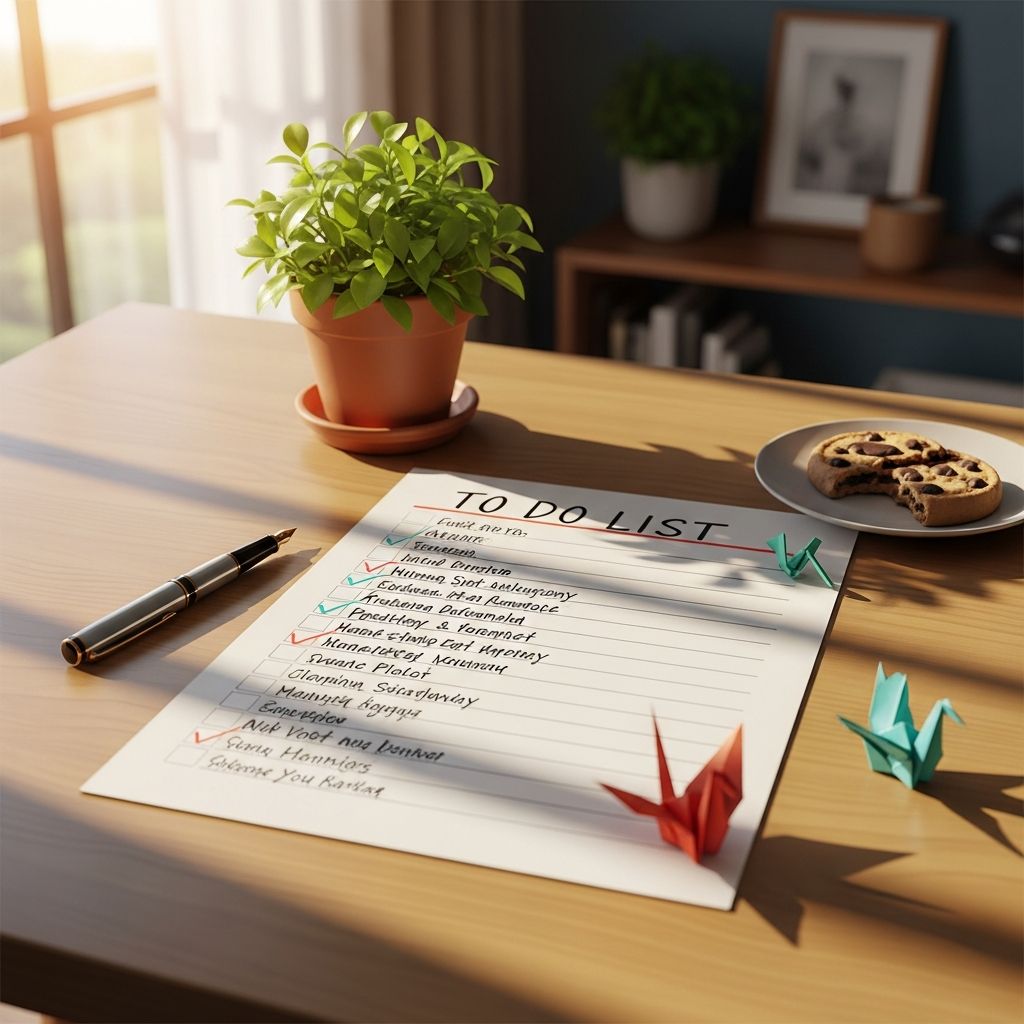
Effective task management begins with a to-do list that not only organizes your day but also sparks enthusiasm. Traditional lists often lead to frustration when they become endless sources of pressure. Instead, design lists that celebrate progress and align with your natural rhythms, turning routine chores into rewarding accomplishments.
Understanding the Psychology Behind Motivating Lists
Our brains respond better to tasks framed positively. Research shows that visualizing success and breaking work into achievable steps releases dopamine, the feel-good neurotransmitter that fuels motivation. By structuring lists to highlight wins, you create a positive feedback loop that encourages completion rather than dread.
Start by reflecting on past lists: What drained your energy? What felt satisfying? This self-awareness forms the foundation for a list that resonates personally, making productivity feel effortless and enjoyable.
Selecting the Perfect Tools for Your Workflow
Choose tools that match your lifestyle. Digital apps offer reminders and syncing across devices, while paper lists provide tactile satisfaction. Experiment with formats like Kanban boards for visual progress tracking or simple notebooks for quick brainstorming.
- Digital Options: Apps with multiple list capabilities allow separation of work, personal, and long-term goals.
- Analog Tools: Bullet journals with custom symbols for tasks, events, and notes add a creative, rewarding element.
- Hybrid Approach: Print digital lists for handwriting checkmarks, combining convenience with the joy of physical marking.
Key features to prioritize include easy task addition, prioritization tools, and progress visualization to keep momentum high.
Aligning Tasks with Clear, Achievable Goals
Begin every list by linking tasks to broader objectives. Define SMART goals—Specific, Measurable, Achievable, Relevant, Time-bound—to ensure relevance. For instance, instead of “get fit,” list “walk 30 minutes after lunch.”
This connection provides purpose, answering “why” for each item and sustaining drive through busy days.
Mastering Prioritization Techniques
Not all tasks deserve equal attention. Use proven methods to focus on what matters most.
| Method | Description | Best For |
|---|---|---|
| 1-3-5 Rule | 1 big task, 3 medium, 5 small per day | Balanced daily loads |
| Ivy Lee Method | List top 6 tasks nightly, tackle in order | End-of-day planning |
| Eisenhower Matrix | Sort by urgent/important quadrants | Decision-making clarity |
Apply the 1-3-5 rule to prevent overload: one high-impact task sets the tone, medium ones build progress, and small wins deliver quick dopamine hits.
Crafting Actionable, Verb-Driven Entries
Vague items like “emails” stall progress. Transform them into commands: “Reply to 5 client emails.” Starting with verbs like “call,” “draft,” or “review” propels immediate action, clarifying exactly what to do next.
This specificity reduces decision fatigue, making your list a launchpad for productivity rather than a nagging reminder.
Breaking Down Overwhelming Projects
Large goals intimidate; subdivide them into bite-sized steps. A project like “plan vacation” becomes: “research flights,” “book hotel,” “create itinerary.” Smaller steps lower barriers to entry and provide frequent sense of accomplishment.
Action step: Pick your biggest task today and split it into three micro-tasks for instant momentum.
Streamlining with the TACO Approach
Optimize your list using TACO: Terminate irrelevant items, Automate routines, Consolidate similar activities, Outsource non-essentials.
- Terminate: Eliminate tasks not advancing goals.
- Automate: Set recurring reminders for bills or backups.
- Consolidate: Group calls or errands.
- Outsource: Delegate to teams or services.
This method frees mental space for joyful, high-value work.
Harnessing Task Batching for Flow
Group similar tasks to minimize context-switching. Batch emails in one 30-minute block, creative work in another. This builds flow states, where immersion boosts efficiency and enjoyment.
Schedule batches around your energy peaks—analytical tasks for mornings, routine ones for afternoons.
Honoring Your Energy Cycles
Align tasks with your chronotype: early birds tackle complex work first, night owls save it for evenings. Categorize into high-energy (strategy), low-energy (admin), and creative (brainstorming) for a rhythm that feels natural.
Building in Rewards and Celebrations
Attach micro-rewards: coffee after the first task, a walk post-medium batch. Track streaks visually with apps or charts. These elements turn completion into a game, fostering habit and positivity.
Regular Reviews for Continuous Improvement
End each day or week reviewing: What worked? Migrate unfinished items thoughtfully. Weekly 30-minute audits adapt to changes, keeping lists dynamic and effective.
Action: Block time now for your next review.
Advanced Formats for Visual Thinkers
Kanban Boards: Columns for To Do, In Progress, Done visualize workflow.
Pomodoro Integration: Pair 25-minute sprints with breaks for sustained focus.
Weekly Templates: Separate daily, project, and personal lists in one app.
Frequently Asked Questions (FAQs)
What if my list feels too long?
Apply 1-3-5 or Ivy Lee to cap items realistically, focusing on high-impact ones first.
How do I stay motivated on off days?
Start with smallest tasks for quick wins, batch low-energy items, and include rewards.
Should I use apps or paper?
Choose based on preference—apps for collaboration, paper for mindfulness. Hybrids work best.
Can teams use joyful lists?
Yes, shareable apps enable delegation and progress tracking collaboratively.
How often should I review my list?
Daily end-of-day and weekly deep dives ensure alignment and adaptation.
Putting It All Together: Your Action Plan
1. Tonight, list top 6 tasks using Ivy Lee.
2. Tomorrow, apply 1-3-5 with verbs.
3. Batch and review end-of-day.
4. Weekly, TACO your list.
Consistent practice transforms dread into delight. Your joyful to-do list awaits—start crafting today for a more productive, smiling tomorrow.
References
- 12 Ways to Write Incredibly Effective To-Do Lists (+Template) — Lifehack Method. 2023-05-15. https://lifehackmethod.com/blog/effective-to-do-lists/
- 15 Tips to Make an Effective To-Do List [2025] — Asana. 2025-01-10. https://asana.com/resources/make-better-to-do-lists
- 9 tips for an effective to-do list format — Zapier. 2024-08-20. https://zapier.com/blog/effective-to-do-list-format/
- How To Make A Better Daily To-Do List — Workzone. 2023-11-12. https://www.workzone.com/blog/daily-to-do-list/

Medha Deb is an editor with a master's degree in Applied Linguistics from the University of Hyderabad. She believes that her qualification has helped her develop a deep understanding of language and its application in various contexts. Medha specializes in the areas of beauty, health, sports, and wellness and is committed to ensuring that the content on the website is…