
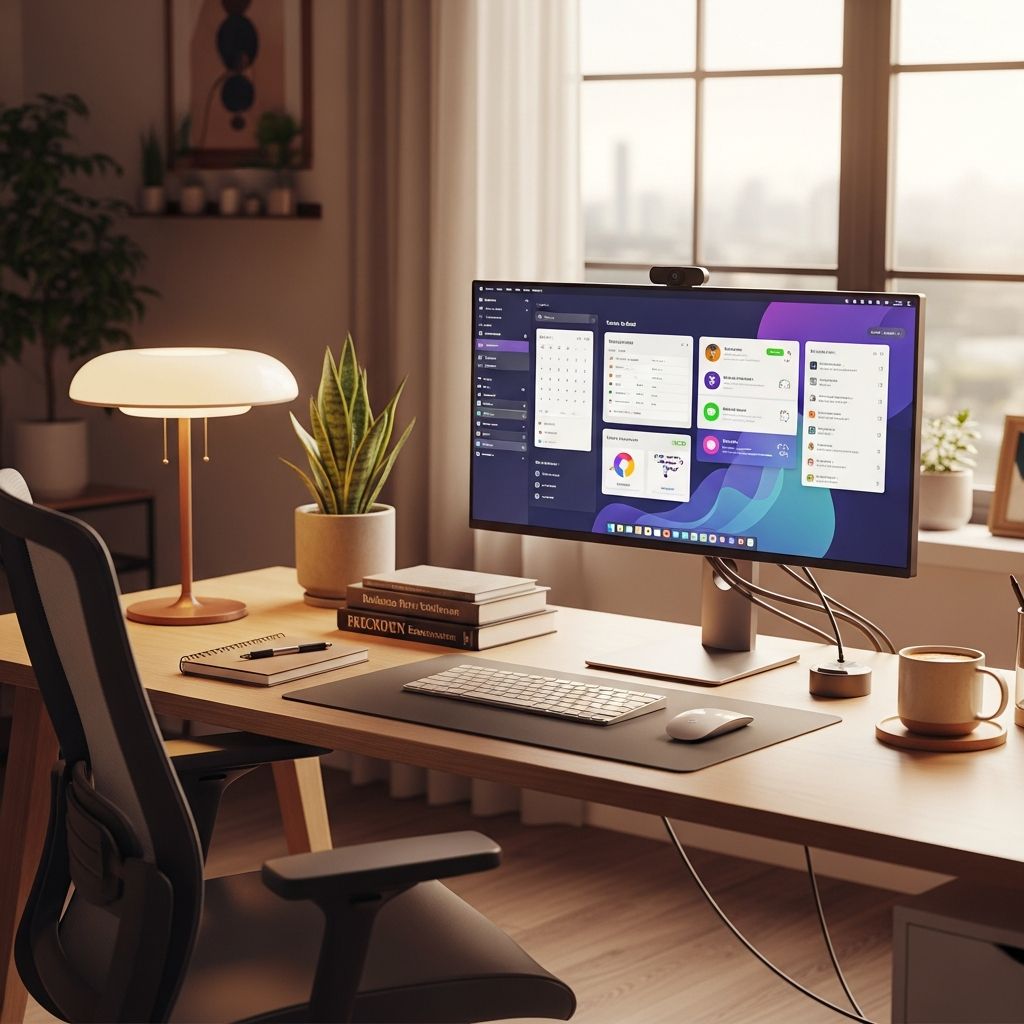
Your office is more than a place to clock in—it’s the foundation of daily performance, creativity, and team success. A well-designed workspace can increase output by fostering focus, reducing stress, and sparking innovation. Drawing from expert strategies, this guide explores practical ways to revamp your environment for maximum impact.
Establishing a Foundation of Clarity and Purpose
Productivity begins with clear direction. When team members understand expectations, they waste less time on ambiguity. Define specific, measurable objectives for individuals and teams, breaking large projects into actionable steps. This approach minimizes confusion and builds momentum.
Regular alignment sessions ensure everyone stays on track. Use visual tools like digital boards to display progress, making goals transparent and motivating. Managers should avoid micromanagement, instead offering autonomy once parameters are set. This trust empowers employees to own their work, leading to higher engagement and efficiency.
Ergonomic Excellence for Sustained Performance
Physical comfort directly influences mental sharpness. Invest in adjustable desks that allow switching between sitting and standing positions to combat fatigue and improve circulation. Pair these with supportive chairs featuring lumbar support to prevent back strain during long hours.
Optimize lighting to reduce eye strain—combine natural light sources with adjustable LED fixtures that mimic daylight. Position screens at eye level and about an arm’s length away. These adjustments can significantly cut down on discomfort-related distractions, allowing deeper concentration.
| Ergonomic Feature | Benefits | Implementation Tip |
|---|---|---|
| Height-Adjustable Desks | Reduces fatigue, boosts energy | Choose models with memory presets for quick changes |
| Ergonomic Chairs | Supports posture, prevents pain | Ensure breathable mesh for all-day comfort |
| Monitor Arms | Improves viewing angle, saves space | Pair with anti-glare screens |
Integrating Technology for Seamless Workflow
Modern tools streamline operations and eliminate bottlenecks. Adopt project management platforms to assign tasks, track deadlines, and visualize workflows. Communication apps keep remote and hybrid teams connected without endless email chains.
- Task trackers like those with Kanban boards help prioritize and monitor progress in real-time.
- Time-tracking software identifies inefficiencies, such as excessive app usage, without invasive monitoring.
- Automation for repetitive tasks—like report generation or scheduling—frees up hours for strategic work.
Provide comprehensive training to maximize adoption. Without it, even the best tech underperforms. Regular updates ensure compatibility and security, maintaining smooth operations.
Cultivating Zones for Every Work Style
Not all tasks suit the same setting. Design your office with varied zones to match different needs: quiet corners for deep focus, communal tables for brainstorming, and casual lounges for informal chats.
Implement noise-level gradients—position high-collaboration areas away from silent zones. Offer flexible seating like stools, couches, and standing tables to accommodate movement and prevent monotony. This variety keeps energy high and accommodates diverse preferences.
For remote workers, encourage dedicated home setups with similar principles: distinct workspaces, noise-cancelling tools, and ergonomic peripherals to replicate office benefits.
Fostering a Culture of Recognition and Connection
A supportive atmosphere amplifies output. Regular feedback loops—delivered constructively—highlight achievements and guide improvements. Start with positives to build confidence, then suggest actionable steps.
Organize team-building events, wellness initiatives, and casual Friday wrap-ups to strengthen bonds. Recognition programs, such as peer shout-outs or small rewards, motivate sustained effort. An open-door policy encourages sharing ideas, boosting morale and innovation.
Mastering Time and Distraction Management
Protect peak hours by scheduling high-priority tasks during natural energy highs. Techniques like time-blocking allocate specific slots for focused work, minimizing interruptions.
Cut unnecessary meetings by requiring agendas and opt-out options. Designate ‘focus hours’ office-wide where calendars block new invites. Encourage short breaks to recharge—using timers for 25-minute sprints followed by 5-minute pauses sustains attention.
Embracing Flexibility in Hybrid Models
Hybrid setups demand adaptive strategies. Offer flexible schedules to align with personal rhythms, enhancing output without burnout. Equip remote setups with robust tools for collaboration, ensuring inclusivity.
Monitor productivity through activity insights, not just hours logged, to respect work-life boundaries. This approach can yield up to 12% gains from happier, more focused teams.
Continuous Evaluation for Long-Term Gains
Productivity thrives on iteration. Conduct pulse surveys and one-on-ones to gauge satisfaction and spot issues early. Analyze tool data for trends, refining processes accordingly.
Delegate based on strengths to balance workloads and prevent overload. Celebrate milestones to maintain momentum. This ongoing cycle adapts to evolving needs, securing enduring results.
Frequently Asked Questions (FAQs)
What are the quickest wins for office productivity?
Start with clear goal-setting, ergonomic tweaks, and distraction-free zones. These yield immediate focus improvements without major overhauls.
How can remote teams match office productivity?
Use dedicated workspaces, flexible hours, and monitoring tools that track activity ethically. Communication platforms bridge the gap effectively.
What’s the role of breaks in boosting efficiency?
Structured breaks prevent burnout and restore energy. Techniques like Pomodoro (25 minutes work, 5 minutes rest) sharpen concentration over long days.
Should every office have standing desks?
Yes, for variety—alternate positions to improve circulation and alertness. Not mandatory for all, but options benefit most users.
How often should productivity be reviewed?
Weekly check-ins and monthly deep dives keep efforts aligned. Use data-driven insights for targeted adjustments.
References
- 6 Strategies for Boosting Employee Productivity — Terryberry. 2023-05-15. https://www.terryberry.com/blog/strategies-boosting-employee-productivity/
- How to Improve Productivity: 10 Strategies for a More Efficient Team — CurrentWare. 2024-02-20. https://www.currentware.com/blog/productivity-improvement-strategies/
- 10 Productivity Management Techniques to Boost Performance — ActivTrak. 2024-08-10. https://www.activtrak.com/blog/productivity-management-techniques/
- 8 Easy Ways To Improve Office Efficiency — Sling. 2023-11-05. https://getsling.com/blog/office-efficiency/
- 16 Tips For A Happy And Productive Office Environment — Bond Collective. 2023-07-12. https://www.bondcollective.com/blog/office-environment/
- 7 Productivity Improvement Strategies for Professional Service Firms — Accelo. 2024-01-18. https://www.accelo.com/post/productivity-improvement-strategies

- Integrated M.A. in Applied Linguistics, University of Hyderabad
- 5+ years in editorial, instructional, SEO, and research-based writing
Sneha is a relationships and lifestyle writer with a strong foundation in applied linguistics and certified training in relationship coaching. She brings over five years of writing experience to theskillvault, crafting thoughtful, research-driven content that empowers readers to build healthier relationships, boost emotional well-being, and embrace holistic living. Her writing and insights reflect the belief that beauty, happiness, and wellness…