
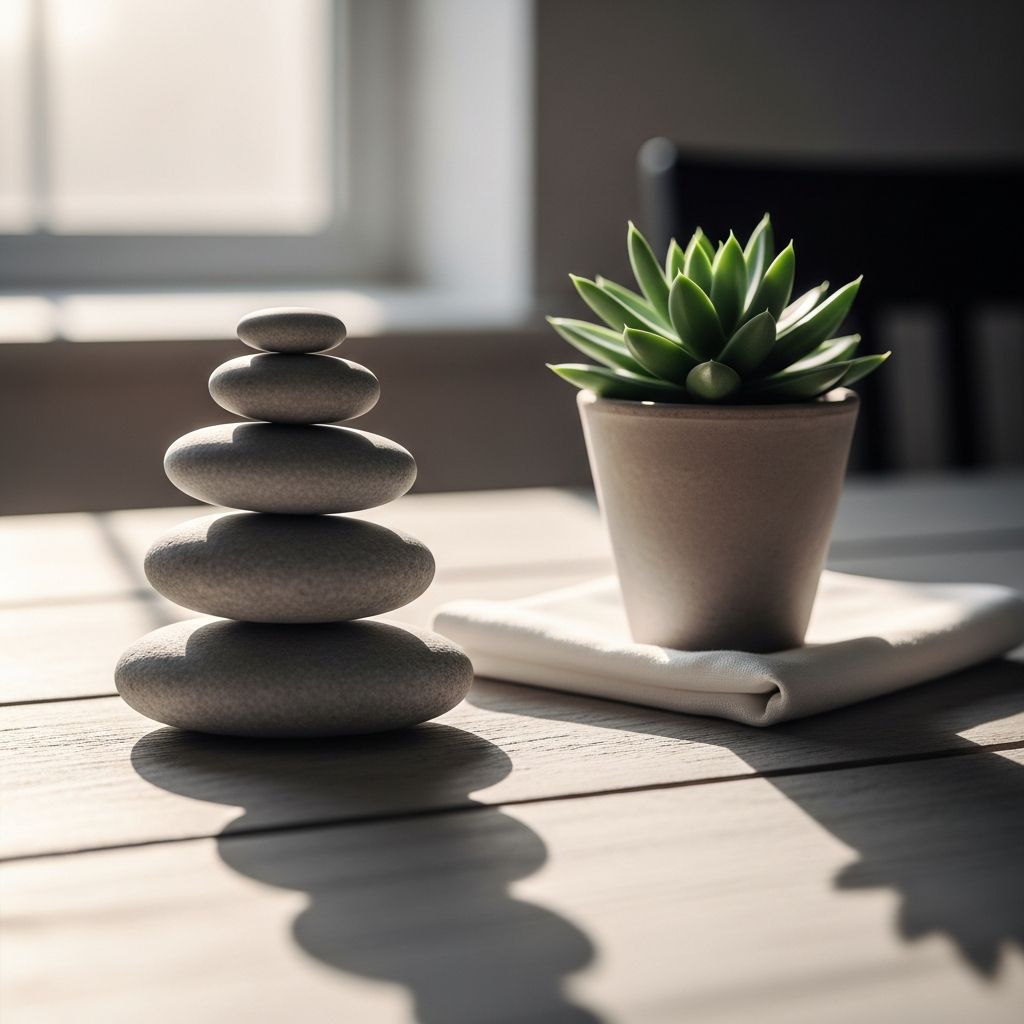
The modern world constantly encourages accumulation. We are bombarded with messages telling us that acquiring more possessions, filling our schedules to the brim, and staying connected through multiple devices will lead to happiness and fulfillment. Yet, many people find themselves feeling overwhelmed, stressed, and disconnected from what genuinely matters. This disconnect has sparked a growing movement toward simpler, more intentional living—a philosophy that challenges the assumption that more is always better.
Living an intentional lifestyle isn’t about deprivation or abandoning comfort. Rather, it’s a conscious choice to evaluate what adds genuine value to your life and to eliminate what doesn’t. Whether you’re seeking relief from financial pressure, hoping to improve your mental health, or simply wanting more time for relationships and personal growth, adopting a simpler approach to living can be transformative.
Understanding the Foundations of Intentional Living
At its core, intentional living is about making deliberate choices aligned with your values rather than defaulting to societal expectations or impulses. This philosophy extends far beyond owning fewer possessions—it encompasses how you spend your time, the commitments you make, the food you consume, and the relationships you cultivate.
The process begins with self-reflection. Before making any changes, consider what truly brings you joy and fulfillment. What activities make you lose track of time? Who are the people that matter most to you? What causes stress in your daily life? By answering these questions honestly, you create a foundation for meaningful change.
Intentional living requires patience and self-compassion. You cannot transform your entire existence overnight. Instead, small, consistent decisions accumulate into significant lifestyle shifts. The journey is as important as the destination, and each step forward represents progress toward a more authentic life.
The Financial Liberation That Comes With Conscious Consumption
One of the most immediate benefits of simplifying your lifestyle is financial freedom. Many people underestimate how much money they spend on items they don’t truly need. When you pause before purchasing and ask yourself whether something aligns with your values and serves a genuine purpose, you naturally spend less.
This shift in spending habits has cascading effects. With fewer expenses, you experience reduced financial stress. The constant anxiety about making enough money to support unnecessary consumption diminishes. This mental relief is profound and often unexpected. People report sleeping better, worrying less about debt, and feeling more secure in their financial situation.
Beyond immediate budget relief, conscious consumption builds long-term financial stability. Money that would have gone toward impulse purchases can be redirected toward savings, investments, or experiences that create lasting memories. This represents a fundamental shift in how you relate to money—from a tool for acquiring things to a resource for creating security and enabling meaningful choices.
Reclaiming Time and Mental Energy
One of the most precious resources in modern life is time. Paradoxically, having fewer possessions and commitments directly increases available time. Less clutter means less time spent cleaning, organizing, and managing your belongings. Simpler schedules mean fewer obligations pulling you in different directions.
This reclaimed time becomes available for activities that genuinely matter. You might pursue creative interests you’ve neglected, spend meaningful time with family, develop new skills, or simply rest. Rest, often undervalued in productivity-obsessed cultures, is essential for health and wellbeing.
Beyond just having more hours in the day, simplified living reduces decision fatigue. When your closet contains fewer clothes, choosing an outfit becomes quick and enjoyable rather than overwhelming. When your schedule has breathing room, making decisions about how to spend your time feels purposeful rather than reactive. This mental clarity extends to work and creative endeavors, allowing for deeper focus and better results.
Environmental Impact and Personal Responsibility
Choosing to own less directly reduces your environmental footprint. Each product requires resources to manufacture, package, and transport. By consuming less, you contribute to reducing waste and resource depletion. This isn’t about achieving perfection—it’s about making more mindful choices that reflect your values.
As you become more intentional about consumption, you naturally become more aware of a product’s impact. You might shift toward reusable items rather than disposables, choose quality over quantity, or support companies aligned with your environmental values. These individual choices, multiplied across a growing number of people, create meaningful collective impact.
Physical and Mental Health Transformations
Research demonstrates that cluttered physical spaces contribute to elevated stress levels and reduced mental clarity. The visual noise of disorganized surroundings continuously demands your attention, even subconsciously. Simplifying your physical environment creates calm, making it easier to relax and focus.
The stress reduction from intentional living produces measurable health benefits. Chronic stress is linked to numerous health problems including sleep disturbances, weakened immunity, and cardiovascular issues. By reducing sources of stress—financial pressure, decision overload, physical clutter—you support your body’s natural ability to heal and function optimally.
Sleep quality often improves significantly. Without the anxiety of financial obligations or the mental stimulation of excessive possessions and commitments, your mind enters rest more easily. Better sleep then enhances every other aspect of health, from immune function to emotional regulation.
Deepening Relationships and Community Connection
When you’re not consumed by managing possessions and obligations, you have genuine presence for relationships. The time and mental energy freed up by simplification naturally directs toward people who matter. Family members receive more attention, friendships deepen, and new connections form more easily.
Intentional living also shifts how you spend time together. Rather than using possessions as sources of entertainment or value, relationships themselves become the focus. You’re more likely to engage in conversations, shared experiences, and genuine connection. These relational investments create a support network that sustains wellbeing far more effectively than any possession could.
Additionally, simplified living often encourages community engagement. Whether through gardening clubs, skill-sharing groups, or neighborhood activities, people embracing intentional lifestyles frequently develop stronger community ties. These connections provide both practical support and the psychological benefit of belonging.
Practical Strategies for Beginning Your Simplification Journey
Starting the transition to intentional living feels manageable when broken into concrete steps:
- Begin with one area: Rather than attempting to overhaul your entire life simultaneously, focus on a single space or habit. Many people start with a closet, kitchen, or bedroom. Small wins build momentum and provide proof that change is possible.
- Use the evaluation question: For each item, ask: Do I use this? Does it bring joy? Does it serve my values? Items that don’t meet these criteria become candidates for removal.
- Address one commitment at a time: Examine your calendar and identify obligations that don’t align with your priorities. Gradually decline or complete these commitments, replacing them with space or activities that matter more.
- Transition gradually with purchases: Before buying something new, pause for at least 48 hours. This cooling-off period prevents impulse purchases and clarifies whether the item is truly wanted or needed.
- Build accountability and community: Share your intentions with supportive friends or join communities focused on intentional living. External accountability strengthens commitment, and shared experiences normalize the transition.
Overcoming Common Obstacles and Setbacks
The transition to simpler living isn’t always smooth. Several common challenges emerge:
Guilt about discarding items: Many people struggle with letting go of possessions, particularly gifts or items purchased with effort. Remember that an item’s worth isn’t determined by how much you paid for it or who gave it to you. Its value lies in whether it serves you now. Donating items allows them to benefit others, which often eases guilt.
Social pressure and judgment: Family members or friends might misunderstand your choices or pressure you to maintain previous habits. Stay grounded in your personal values and communicate your reasons calmly. Over time, people often come to respect and even adopt similar practices.
Backsliding into old patterns: After progress, people sometimes revert to previous habits. This is completely normal. Rather than viewing it as failure, recognize it as information. What triggered the return to old patterns? What support or strategies could prevent this in the future? Self-compassion through setbacks is essential for long-term success.
Creating Sustainable Systems That Support Simplicity
Once you’ve simplified, maintaining that simplified state requires intentional systems. These might include:
| System Element | Purpose | Example Implementation |
|---|---|---|
| Mindful purchasing rules | Prevent accumulation of unnecessary items | “One in, one out” policy or mandatory waiting periods before purchases |
| Regular evaluation cycles | Address items and commitments that no longer serve you | Quarterly reviews of closet contents or calendar commitments |
| Organization systems | Maintain order without excessive containers or complexity | Clear labeling, visible storage, and designated homes for items |
| Boundary-setting practices | Protect simplified living from external pressures | Learning to decline invitations, requests, and gifts gracefully |
Different Expressions of Intentional Living
Intentional living isn’t a one-size-fits-all approach. People express this philosophy differently based on their values and circumstances. Some embrace extreme minimalism with very few possessions. Others maintain more belongings but ensure each item has genuine purpose and brings joy. Some people focus primarily on time and commitment simplification rather than physical decluttering. Many emphasize environmental sustainability through self-sufficiency practices like growing food. The common thread across all variations is conscious choice rather than default behavior.
Frequently Asked Questions
Q: How long does it take to transition to a simpler lifestyle?
A: The timeline varies greatly depending on how much you’re changing and your approach. Some people notice significant benefits within weeks, while comprehensive lifestyle transformation typically takes several months to a year. Remember that the goal is sustainable change, not rapid overhaul.
Q: Does simple living mean I have to be minimalist?
A: No. While minimalism is one expression of intentional living, you can embrace simplicity without becoming a minimalist. The key is ensuring that what you own and do aligns with your values and brings genuine benefit to your life.
Q: Can families with children successfully simplify their lives?
A: Absolutely. Families often experience particular benefits from simplification, including improved relationships through more quality time together and better financial stability. The approach may look different than for individuals, but the core principles remain valid.
Q: What should I do with items I’m discarding?
A: Consider donating to charities, selling items in good condition, or gifting to friends and family. Proper disposal options prevent waste and allow items to benefit others, making the process feel purposeful rather than wasteful.
Q: How do I maintain simplicity when surrounded by people with different values?
A: Clear communication about your values, setting boundaries respectfully, and finding community with like-minded individuals all support maintaining your simplified lifestyle. You don’t need others to share your approach for it to work for you.
References
- The Many Benefits of Choosing to Live Simply — The Simplicity Habit. 2024. https://www.thesimplicityhabit.com/benefits-simple-living/
- 15 Advantages of Living a Slow and Simple Life — Erica Lucas. 2024. https://www.ericalucas.com/post/is-simple-living-better
- 13 Benefits of Simple Living — Be More with Less. 2024. https://bemorewithless.com/benefits-of-simple-living/
- Benefits of Simple Living – 10 Astonishing Benefits — YouTube. 2024. https://www.youtube.com/watch?v=NpyHYSiAFq0

- Integrated M.A. in Applied Linguistics, University of Hyderabad
- 5+ years in editorial, instructional, SEO, and research-based writing
Sneha is a relationships and lifestyle writer with a strong foundation in applied linguistics and certified training in relationship coaching. She brings over five years of writing experience to theskillvault, crafting thoughtful, research-driven content that empowers readers to build healthier relationships, boost emotional well-being, and embrace holistic living. Her writing and insights reflect the belief that beauty, happiness, and wellness…