
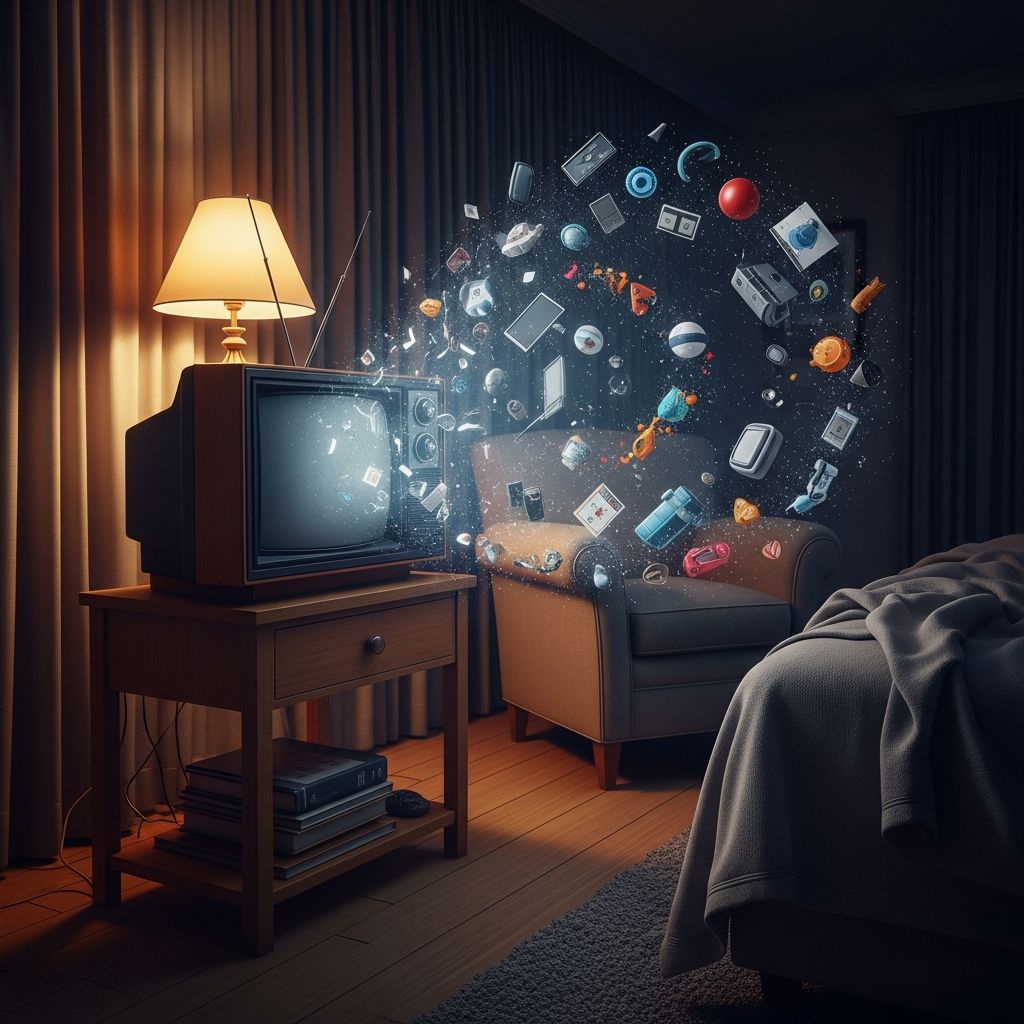
In our modern era, television has become an integral part of daily life for millions of people worldwide. What was once considered a simple form of entertainment has evolved into a sophisticated ecosystem of streaming services, on-demand programming, and binge-worthy content that keeps viewers engaged for hours at a time. However, beneath the surface of this entertainment revolution lies a growing body of scientific evidence suggesting that excessive television consumption carries significant health consequences. Understanding these impacts is crucial for anyone seeking to maintain optimal physical and mental well-being.
The Sedentary Lifestyle Problem
One of the most fundamental issues with excessive television watching is the sedentary nature of the activity itself. The human body evolved for movement and activity, not prolonged periods of immobility. When individuals spend extended hours sitting in front of a screen, they engage in one of the least physically demanding activities available, which triggers a cascade of negative physiological responses.
Sitting for prolonged periods slows the body’s metabolic rate significantly. This reduced metabolism means that fewer calories are burned, and the body begins to store energy as fat more efficiently. Additionally, muscles that would normally be engaged in daily activities remain inactive, leading to muscle atrophy and weakness over time. The cardiovascular system, which depends on regular movement to function optimally, begins to work less efficiently when subjected to continuous sedentary behavior.
Cardiovascular Health and Heart Disease Risk
Perhaps one of the most concerning findings from medical research is the link between excessive television viewing and cardiovascular disease. Studies have demonstrated that sedentary behavior significantly increases the risk of developing coronary heart disease. Research published in respected medical journals indicates that if individuals reduced their television consumption to less than one hour daily, approximately 11% of coronary heart disease cases could be prevented.
The mechanism behind this connection involves multiple factors. Prolonged sitting restricts blood flow, increases blood pressure, and allows cholesterol to accumulate in arteries. Furthermore, the stress hormones released during viewing of intense or violent content can strain the cardiovascular system. For individuals already at risk for heart disease due to family history or other factors, excessive television consumption compounds these existing vulnerabilities.
Weight Management and Obesity Concerns
The relationship between television viewing and obesity is multifaceted and deeply concerning. When metabolic rates decrease due to sedentary behavior, the body requires fewer calories to maintain basic functions. Simultaneously, viewers often engage in mindless eating and snacking while watching television, consuming additional calories without conscious awareness. Advertising during television programming frequently promotes calorie-dense, nutritionally poor food options, further influencing dietary choices in unhealthy directions.
The combination of reduced physical activity and increased caloric consumption creates an ideal environment for weight gain. For children especially, excessive television viewing during formative years can establish patterns of sedentary behavior and poor eating habits that persist into adulthood, setting the stage for lifelong weight management struggles.
Sleep Disruption and Its Cascading Effects
Television’s impact on sleep quality represents another significant health concern. The light emitted from television screens stimulates the brain while simultaneously suppressing melatonin production, the hormone responsible for regulating sleep-wake cycles. When individuals watch television in the evening, they interfere with their body’s natural preparation for sleep, leading to irregular sleep patterns and chronic fatigue.
Poor sleep quality triggers a domino effect of health problems. Inadequate sleep impairs cognitive function, weakens immune responses, increases appetite hormones that drive overeating, and elevates stress levels. Over time, chronic sleep disruption from evening television viewing contributes to the development of sleep disorders and increases susceptibility to various illnesses.
Metabolic Dysfunction and Diabetes Risk
Scientific research has established a clear connection between excessive television viewing and increased risk of developing type 2 diabetes. Studies have found that every two additional hours of daily television viewing increases diabetes risk by approximately 14%. This substantial increase stems from the combination of sedentary behavior, weight gain, and the metabolic changes that occur during prolonged sitting.
The body’s ability to regulate blood sugar declines with inactivity. Muscle tissues, which serve as primary sites for glucose uptake and utilization, become less responsive when underused. Combined with the weight gain frequently associated with excessive television consumption, this metabolic dysfunction creates conditions favorable for diabetes development.
Mental Health and Psychological Well-being
Beyond physical health, television consumption profoundly affects mental health and emotional well-being. Research has identified strong correlations between binge-watching and various mental health challenges, including depression, anxiety, stress, and feelings of loneliness. What many people perceive as a relaxing activity actually contributes to psychological distress when pursued excessively.
The isolation inherent in solitary television watching disconnects individuals from meaningful human interaction and social connection. Extended hours in front of a screen replace time that could be spent with family, friends, or engaging in community activities. This social isolation intensifies feelings of loneliness and emotional disconnection, particularly when coupled with content that triggers negative emotions or depicts violence and conflict.
Additionally, some viewers develop unhealthy relationships with television, experiencing withdrawal symptoms when unable to watch, becoming defensive or irritable when asked to reduce viewing time, and even engaging in deceptive behavior to maintain their viewing habits.
Cognitive Decline and Brain Health
Perhaps most alarming are recent findings regarding television’s impact on brain structure and cognitive function. Research from respected medical institutions has demonstrated that excessive television viewing correlates with reduced gray matter volume in the brain. Gray matter contains the neurons responsible for processing information, learning, and memory formation. Individuals who watched approximately 1.4 additional hours of television daily compared to their peers showed measurable reductions in brain volume by approximately 0.5%.
While this percentage might seem minimal, the implications are significant. Brain integrity is crucial for maintaining cognitive function and delaying age-related mental decline. The reduction in gray matter associated with television viewing cannot be offset simply by engaging in regular physical exercise, suggesting that television consumption has specific negative effects on brain health independent of overall activity levels.
Eye Strain and Vision Problems
Extended television viewing places considerable strain on the eyes and visual system. Watching television for extended periods, particularly in poorly lit environments, forces eyes to work harder to focus and process information. This eye fatigue can lead to temporary discomfort, blurred vision, and headaches. While these effects are typically temporary, chronic eye strain from excessive viewing may contribute to longer-term vision problems.
Proper lighting is essential for reducing eye strain during television viewing. Increasing ambient light in the room allows the iris to constrict slightly, reducing the light entering the eye and potentially decreasing fatigue. Taking regular breaks from screen time and practicing the 20-20-20 rule (looking at something 20 feet away for 20 seconds every 20 minutes) can help mitigate these effects.
Childhood Development and Neurological Concerns
Children represent a particularly vulnerable population regarding television’s negative effects. Research indicates that children under two years old gain no developmental benefits from television viewing and learn substantially more through direct human interaction. The American Academy of Pediatrics recommends that children over two years old watch no more than two hours of quality programming daily.
Extended television viewing during childhood has been linked to developmental delays, attention difficulties, and neurological concerns. The rapidly changing images and sounds characteristic of modern programming can overstimulate developing brains, making it difficult for children to concentrate and focus on other activities. Additionally, children who spend excessive time watching television are at increased risk for developing attention-related disorders and asthma, with research showing that children watching two or more hours daily experienced elevated asthma risk.
Respiratory Health and Asthma Development
An unexpected correlation exists between excessive television viewing and respiratory health problems. Research examining thousands of children found that those watching television for two or more hours daily demonstrated increased asthma risk. While the exact mechanism connecting television viewing to asthma development requires further investigation, several factors may contribute to this relationship, including reduced physical activity, indoor air quality issues in rooms where television is watched, and potential dietary effects related to mindless eating during viewing.
Behavioral and Social Development Issues
Television consumption significantly impacts behavioral development and social skill acquisition. Excessive viewing is associated with behavioral problems, impaired social skills, and difficulties in interpersonal relationships. Children who spend extended hours watching television miss crucial opportunities to develop communication skills, learn conflict resolution, and build meaningful relationships with peers.
The content consumed also matters substantially. Violent or disturbing television programs increase stress levels and can normalize aggressive behavior, while highly stimulating content may make normal social interactions seem boring by comparison, further discouraging healthy social engagement.
Posture Problems and Musculoskeletal Issues
Television watching typically occurs in positions that compromise spinal health and alignment. Many people adopt slouched or contorted postures while watching, placing excessive stress on the spine and supporting musculature. Over time, poor posture during television viewing can lead to chronic back pain, neck strain, and other musculoskeletal problems.
These postural issues can have long-lasting consequences, affecting overall quality of life and potentially requiring medical intervention. Maintaining proper spinal alignment requires conscious attention to posture, something easily forgotten during engaging programming.
Practical Strategies for Healthier Screen Time
Recognizing television’s negative effects does not necessarily require complete elimination of viewing. Rather, a more balanced approach involves conscious consumption and strategic limitations:
- Establish specific time limits for daily television viewing, gradually reducing consumption toward recommended levels
- Create television-free zones in your home, particularly bedrooms, to protect sleep quality
- Avoid television viewing at least one to two hours before bedtime to allow melatonin production
- Choose programming thoughtfully, selecting content that educates or genuinely entertains rather than defaulting to whatever appears first
- Maintain proper lighting in viewing areas to reduce eye strain
- Practice good posture while watching, using supportive seating and maintaining proper spinal alignment
- Replace television time with physical activity, social engagement, or intellectually stimulating pursuits
- Monitor children’s viewing carefully, adhering to age-appropriate guidelines and selecting quality content
- Use commercial breaks as opportunities to move around and engage in light physical activity
- Consider alternative entertainment options such as reading, outdoor activities, hobbies, or social gatherings
Frequently Asked Questions
Q: How much television is considered excessive?
A: Medical professionals generally recommend limiting television to one to two hours daily of quality programming. The American Academy of Pediatrics suggests no more than two hours for children over two years old, with no television for children under two.
Q: Can exercise offset the negative effects of excessive television viewing?
A: Research suggests that while regular exercise provides numerous health benefits, it does not fully compensate for the negative effects of excessive television viewing, particularly regarding brain health and cognitive function.
Q: Does the type of programming watched matter?
A: Yes, content selection matters significantly. Violent or disturbing programming increases stress and may harm mental health, while educational content has fewer negative effects. However, even quality programming poses health risks when viewed excessively.
Q: Is there a safe amount of television viewing?
A: Moderate television viewing—typically one to two hours daily of quality content—appears relatively safe for adults, particularly when combined with regular physical activity and proper sleep habits.
Q: How can I reduce television viewing gradually?
A: Start by identifying specific viewing habits and replacing them with alternative activities. Reduce viewing by 15-30 minutes weekly, use timers to maintain accountability, and engage family members in the process for mutual support.
Q: Does watching television before bed really affect sleep?
A: Yes, television viewing in the hours before sleep suppresses melatonin production and stimulates the brain, making it significantly harder to fall asleep and reducing sleep quality.
References
- 8 Health Hazards of Watching TV — Affinity Health. https://www.affinityhealth.co.za/8-health-hazards-of-watching-tv/
- Binge-Watching and Your Health — Northwestern Medicine. https://www.nm.org/healthbeat/healthy-tips/emotional-health/binge-watching
- New study suggests that too much TV really can rot your brain — Johns Hopkins Bloomberg School of Public Health. https://hub.jhu.edu/magazine/2021/winter/tv-brain-study/
- TV, Screen Time and Health — Minnesota Department of Health. https://www.health.state.mn.us/people/tvviewing/index.html
- Could the TV You Watch Be Affecting Your Mental Health? — Hartford HealthCare. https://hartfordhealthcare.org/about-us/news-press/news-detail?articleId=49823

- Integrated M.A. in Applied Linguistics, University of Hyderabad
- 5+ years in editorial, instructional, SEO, and research-based writing
Sneha is a relationships and lifestyle writer with a strong foundation in applied linguistics and certified training in relationship coaching. She brings over five years of writing experience to theskillvault, crafting thoughtful, research-driven content that empowers readers to build healthier relationships, boost emotional well-being, and embrace holistic living. Her writing and insights reflect the belief that beauty, happiness, and wellness…