
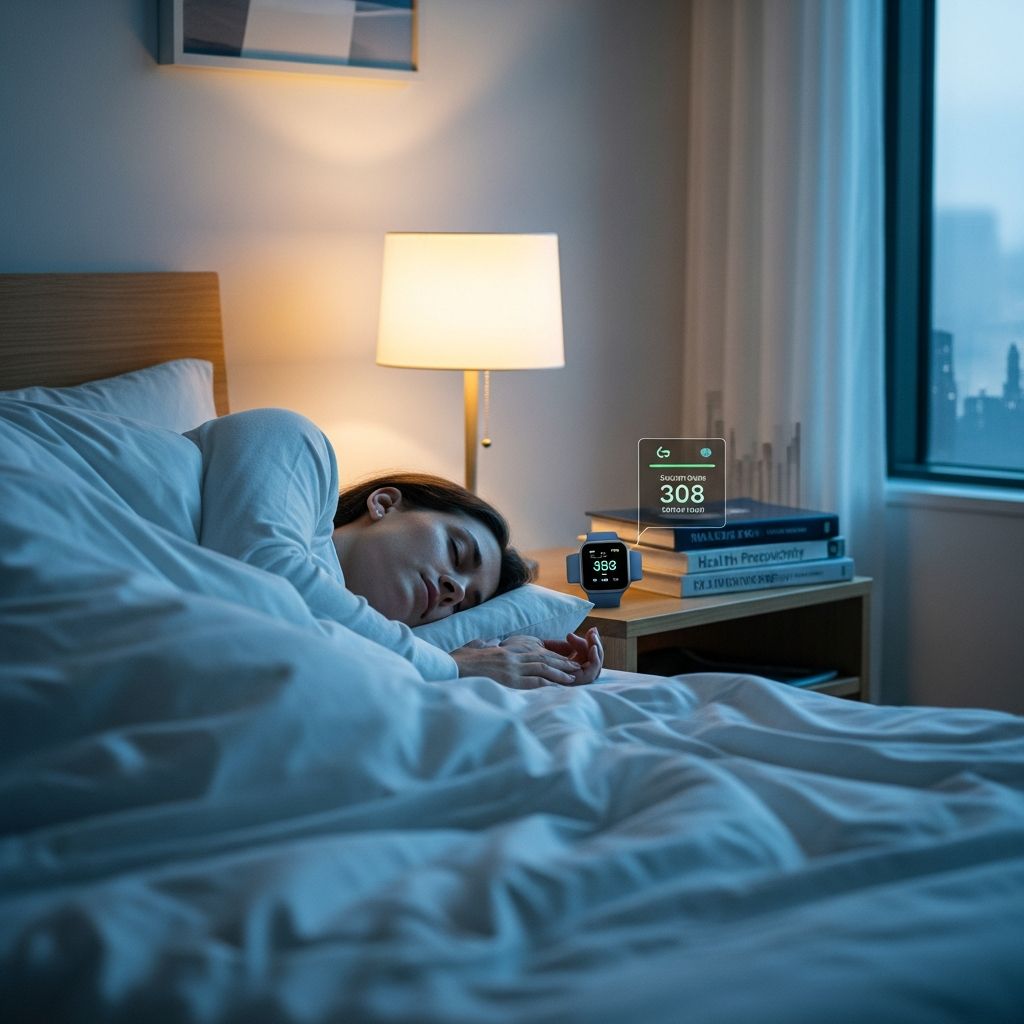
Understanding the Sleep-Success Connection
The relationship between sleep quality and professional achievement has moved beyond anecdotal observation into rigorous scientific validation. Research demonstrates that sleep is not a luxury or a sign of laziness, but rather a fundamental pillar of high performance. A 2019 study published in the journal Sleep found that individuals getting seven to nine hours of sleep showed significantly better problem-solving abilities and creativity compared to those sleeping fewer than six hours. This scientific backing has prompted many of the world’s most accomplished individuals to reassess their relationship with rest, recognizing that sleep deprivation ultimately undermines rather than advances their goals.
The mechanisms behind this connection involve multiple neurological and physiological systems. During sleep, the brain consolidates memories, processes emotional experiences, and clears metabolic waste that accumulates during waking hours. The prefrontal cortex, responsible for executive function, decision-making, and impulse control, becomes significantly less efficient when sleep-deprived. Leaders and innovators who understand this biological reality have begun structuring their lives around adequate rest rather than treating sleep as time stolen from productivity.
The Foundation: Establishing Consistent Sleep Patterns
One of the most consistent recommendations among sleep researchers and successful individuals alike is the importance of maintaining regular sleep and wake times. The body operates on circadian rhythms—internal biological clocks that regulate numerous physiological processes beyond just sleepiness. When sleep schedules remain inconsistent, these rhythms become disrupted, leading to decreased cognitive performance, mood disturbances, and reduced resilience.
A 2023 study in the Journal of Sleep Research revealed something particularly important: maintaining regular sleep patterns proved more crucial for cognitive performance than total sleep duration alone. This finding reshapes how we think about sleep optimization. Rather than obsessing over reaching an exact eight-hour target, the consistency with which someone approaches sleep and waking times may offer greater dividends. Successful individuals across various industries—from technology executives to athletes—prioritize establishing and protecting a regular bedtime routine, even when travel or demanding schedules create obstacles.
The Seven to Nine Hour Gold Standard
The National Institutes of Health recommends seven to nine hours of sleep for most adults, and this recommendation appears repeatedly in the habits of high achievers. However, the sleep patterns of successful people reveal considerable individual variation around this benchmark. Some accomplish remarkable things on six hours, while others prioritize pushing toward nine hours to maximize their competitive advantage.
Jeff Bezos, Amazon’s founder, has been particularly vocal about his eight-hour sleep commitment, arguing that insufficient sleep creates an illusion of productivity. He positions sleep not as downtime but as an investment in decision-making quality. Similarly, Satya Nadella, CEO of Microsoft, prioritizes eight hours nightly as a key health investment. These leaders understand that the work they might theoretically accomplish by sleeping less gets undermined by the impaired judgment, reduced creativity, and slower cognitive processing that sleep deprivation produces.
Yet the variation in sleep needs among successful individuals suggests that personalizing the sleep target within the seven to nine hour range matters. The objective becomes finding the amount of sleep that allows you to consistently perform at your best, then protecting that duration as non-negotiable.
Strategic Variations: The Diverse Approaches of High Achievers
Not all successful people follow the recommended sleep guidelines, which reveals an important nuance: those who sleep below recommendations often implement compensatory strategies or possess personality traits that interact differently with sleep needs. The following table illustrates the range of approaches taken by globally recognized leaders:
| Individual | Role | Sleep Duration | Sleep Window |
|---|---|---|---|
| Elon Musk | CEO of Tesla and SpaceX | 6 hours | 1 AM–7 AM |
| Bill Gates | Founder of Microsoft | 7 hours | 12 AM–7 AM |
| Oprah Winfrey | Media Mogul | 8 hours | 10 PM–6 AM |
| Richard Branson | Virgin Group Founder | 5–6 hours | 12 AM–5/6 AM |
| LeBron James | Professional Athlete | 8–9 hours plus naps | Varies |
| Serena Williams | Professional Athlete | 7 hours | 12 AM–7 AM |
This diversity illustrates that while eight hours represents the sweet spot for many, individual requirements and lifestyle demands create legitimate variation. Those sleeping significantly below recommendations often compensate through other mechanisms or possess unusually efficient sleep cycles. What remains consistent across all high performers is intentionality—they have made deliberate choices about their sleep rather than letting it happen haphazardly.
The Recovery Advantage: Why Athletes Excel at Sleep Optimization
Professional athletes have emerged as unexpected pioneers in sleep science application. LeBron James exemplifies this commitment, reportedly obtaining eight to nine hours of nightly sleep supplemented by regular naps, totaling up to twelve hours of sleep daily. For athletes, the equation is straightforward: sleep accelerates recovery, reduces injury risk, and enhances performance. This same physiology applies equally to executives, entrepreneurs, and creatives, yet those professions often lack the institutional support for prioritizing recovery that professional sports provides.
The athletic approach to sleep—treating it as essential training rather than lost productivity—offers a valuable template for other fields. Just as an athlete would never compromise on recovery protocols the day before competition, leaders in demanding fields would benefit from approaching sleep with similar strategic importance.
Creating a Sleep-Conducive Environment and Pre-Sleep Ritual
Beyond duration and timing, successful individuals invest considerable attention in the environmental and behavioral conditions surrounding sleep. A critical practice involves establishing boundaries between work and rest spaces. Keeping work materials, devices, and discussions out of the bedroom creates a psychological separation that signals to the mind and body that the bedroom serves a singular purpose.
The pre-sleep period deserves equal attention. Oprah Winfrey begins her mornings with meditation, but this mindfulness extends to evening routines as well. Creating transition activities between work and sleep—whether through reading, reflection, or relaxation practices—allows the nervous system to downshift from the heightened state required for daytime productivity. These rituals become anchors for consistency, signaling the body that sleep approaches.
Technology, Timing, and Sleep Quality
Unplugging from digital devices before bed emerges as a near-universal recommendation among sleep-conscious achievers. The blue light emitted by phones, tablets, and computers suppresses melatonin production, making it harder to fall asleep and reducing sleep depth. More insidiously, the mental stimulation of work emails, news feeds, and notifications activates the mind when it should be transitioning toward rest.
The practical implication involves establishing a technology-free period before bed, ideally extending for thirty minutes to an hour. For many successful professionals, this creates a genuine break in their day—a period where work cannot intrude and mental engagement with external demands ceases. This boundary proves especially valuable for those managing high-stress positions where the temptation to work extends into evening hours.
Gratitude and Emotional Resolution Before Sleep
Beyond physical environment and screen habits, the emotional and cognitive state entering sleep significantly impacts sleep quality. Arianna Huffington has championed the practice of acknowledging three things for which one feels grateful before sleeping. This practice serves multiple functions: it redirects the mind from work stress and concerns toward positive recognition, it activates neurological patterns associated with contentment and safety, and it bookends the day with intentionality.
When the mind enters sleep preoccupied with unresolved work conflicts, disappointing outcomes, or accumulated frustrations, sleep quality suffers. The practice of consciously shifting focus toward gratitude before sleep leverages a simple neurological reality: the mind cannot simultaneously hold worry and appreciation. By deliberately cultivating appreciation, successful individuals create the psychological conditions for restorative sleep.
Sleep as a Leadership Competency
Research examining the relationship between sleep improvement and workplace effectiveness reveals striking outcomes. Individuals who enhanced their sleep through cognitive behavioral therapy interventions subsequently reported increased self-control, improved mood, higher job satisfaction, and greater helpfulness toward colleagues. These gains extend beyond individual wellness to influence organizational culture and effectiveness.
Leaders who prioritize sleep modeling a different approach to success than the traditional ideal of the sleepless go-getter. By openly valuing rest, they grant permission to their teams to do the same. This shift toward sleep-conscious leadership may ultimately prove as important as the individual benefits, creating organizational cultures where peak performance derives from sustainable practices rather than unsustainable grinding.
Implementing Sleep Mastery: Practical Starting Points
For those seeking to adopt sleep habits aligned with successful achievers, certain foundational steps offer accessible entry points:
- Establish a consistent bedtime and wake time, maintaining this schedule even on weekends to stabilize circadian rhythms
- Eliminate screens from the bedroom and institute a technology-free period at least thirty minutes before sleep
- Create a pre-sleep ritual that signals to your nervous system that rest approaches—this might involve reading, journaling, meditation, or another calming practice
- Target seven to nine hours, then adjust within that range based on how you feel and perform
- Implement a morning practice that provides mental clarity and positive momentum for the day
- If full eight-hour nights prove challenging due to schedule constraints, prioritize consistency over total duration while exploring whether strategic napping might supplement nighttime rest
The Distinction Between Knowing and Doing
Perhaps the most significant distinction between those who successfully leverage sleep for achievement and those who struggle involves the gap between intellectual understanding and behavioral commitment. Most high performers could articulate that sleep matters; what differentiates them involves actual structural choices—saying no to evening meetings, protecting sleep time as non-negotiable, and maintaining these boundaries consistently even when pressures mount. This distinction between knowledge and practice often determines who experiences the performance benefits that sleep science promises.
Frequently Asked Questions
Q: If successful people have different sleep needs, how do I determine my optimal sleep duration?
A: Begin within the seven to nine hour range recommended by the National Institutes of Health. Track how you feel, your cognitive performance, and mood across several weeks. Your optimal duration becomes the amount at which you consistently perform at your best and maintain resilience under stress.
Q: Can I get by on less sleep if I’m naturally efficient?
A: While some individuals may function on six hours or less, research consistently shows that seven to nine hours maximizes problem-solving abilities and creativity. Even individuals who report feeling fine on reduced sleep often demonstrate measurable cognitive impairment that they’ve adapted to accepting as normal.
Q: How important is sleep consistency compared to total sleep hours?
A: A 2023 study found that maintaining regular sleep patterns proved more crucial for cognitive performance than total sleep duration alone. Consistency stabilizes circadian rhythms and produces more reliable performance benefits than irregular sleep totaling the same hours.
Q: What should I do if my schedule doesn’t allow eight continuous hours of sleep?
A: Prioritize consistency in your sleep and wake times within your constraints. Some research supports strategic napping to supplement nighttime sleep, as used by athletes like LeBron James. Ensure that any reduced nighttime sleep remains consistent rather than varying substantially day to day.
Q: How can I break the pattern of working into evening hours?
A: Establish a firm work cutoff time, remove work materials from your bedroom, and create a deliberate transition period before sleep. Many successful leaders protect this boundary as fiercely as they would protect a client meeting, recognizing that recovery time directly impacts decision-making quality the following day.
References
- The Most Important Nighttime Habits of Successful People — Good Housekeeping. Accessed 2026. https://www.goodhousekeeping.com/health/wellness/a69950615/nighttime-habits-successful-people/
- 10 Surprising Sleep Habits of Successful People (Backed by Science) — Sip2Sleep. Accessed 2026. https://sip2sleep.com/blogs/news/10-surprising-sleep-habits-of-successful-people-backed-by-science
- Sleep’s Impact on Productive Leadership & Sleep Habits of Successful Leaders — Sleep Cycle. Accessed 2026. https://sleepcycle.com/sleep-talk/successful-sleep-leadership
- Good Daily Habits During the Early Stages of Life Determine Success — National Center for Biotechnology Information (NCBI), U.S. National Library of Medicine. https://pmc.ncbi.nlm.nih.gov/articles/PMC5241625/
- Sleep Habits of the Rich and Famous — Ecosense Lighting. Accessed 2026. https://www.ecosenselighting.com/sleep-habits-of-the-rich-and-famous/

Medha Deb is an editor with a master's degree in Applied Linguistics from the University of Hyderabad. She believes that her qualification has helped her develop a deep understanding of language and its application in various contexts. Medha specializes in the areas of beauty, health, sports, and wellness and is committed to ensuring that the content on the website is…