
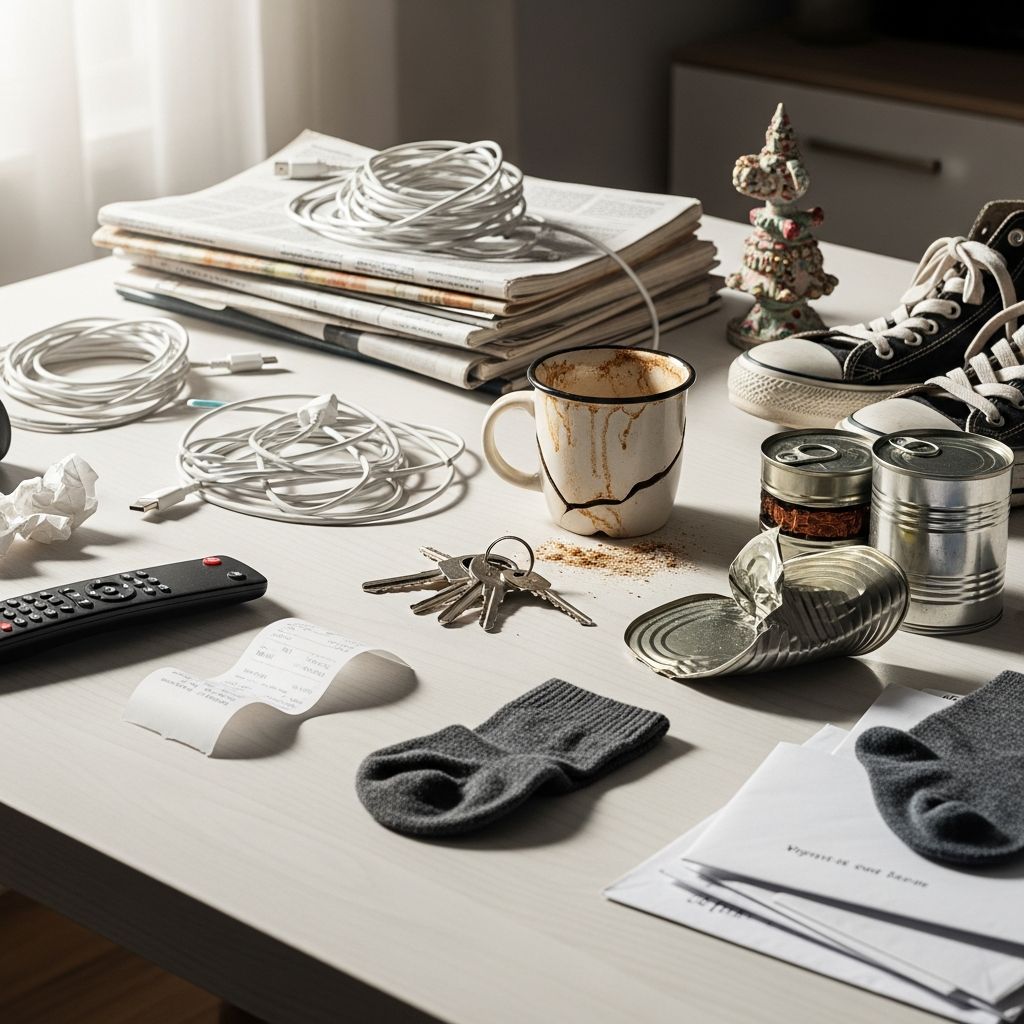
Reimagining Your Space: The Art of Intentional Decluttering
The accumulation of possessions happens gradually over time. What once felt like a comfortable home can eventually transform into a space burdened by items that no longer serve a purpose. Whether you’re preparing for a fresh start, seeking financial relief, or simply yearning for a more peaceful environment, the process of evaluating what truly deserves a place in your living space is both liberating and transformative.
Downsizing isn’t merely about moving to a smaller physical footprint—it’s about reclaiming your relationship with the objects surrounding you and the environment you inhabit daily. As research on living spaces indicates, decluttered homes promote psychological wellness and reduce daily stress by eliminating visual chaos that your brain constantly processes unconsciously. By strategically identifying items to release, you open the door to a more intentional, fulfilling lifestyle.
Furniture That Exceeds Your Current Needs
Oversized furniture pieces designed for expansive living rooms often become liabilities in smaller spaces. That sectional sofa inherited from a previous chapter of your life, the elaborate dining table that seats twelve, or the bulky entertainment center may occupy valuable real estate without delivering proportional utility. Modern furniture selection emphasizes multifunctional pieces that maximize usable space without sacrificing comfort.
Rather than keeping furniture out of obligation or nostalgia, evaluate each piece based on your current lifestyle. A coffee table with hidden storage, a dining set with extendable leaves, or a bed with built-in drawers delivers greater functionality in compact environments. Releasing oversized furniture that no longer fits your spatial reality allows you to breathe more freely within your home and creates opportunities for better traffic flow and movement through living areas.
Consider measuring your new space before finalizing what furniture to retain. This practical step ensures you’re making decisions based on actual dimensions rather than emotional attachment or assumption.
Duplicate Kitchenware and Redundant Appliances
Kitchen spaces often harbor multiple versions of identical items—three can openers, numerous mixing bowls, duplicate measuring cups, or small appliances gathering dust on countertops and in cabinets. Each duplicate item occupies storage space and creates decision fatigue when you’re searching for what you need during meal preparation.
Evaluate your cooking habits honestly. Do you actually use that breadmaker, rice cooker, or specialty espresso machine? Small appliances frequently purchased with enthusiasm but relegated to storage areas represent wasted space. Keep the tools and equipment that align with how you actually prepare food, not how you imagine you might cook.
Kitchen decluttering extends beyond appliances to serving pieces, specialty dishes, and gadgets designed for single purposes. Streamlining your kitchen inventory to essential, well-used items creates a more functional culinary workspace while freeing cabinet and counter space for items that genuinely enhance your daily cooking experience.
Clothing That No Longer Reflects Your Lifestyle
Wardrobes frequently contain garments representing different versions of yourself—clothing from previous careers, outdated styles, or items purchased in anticipation of lifestyle changes that never materialized. Retaining an oversized wardrobe consumes closet space and complicates the daily process of selecting what to wear.
A strategic approach involves keeping clothing that fits your current body, complements your existing lifestyle, and reflects your personal style preferences. Special occasion pieces, professional attire you no longer need, or trendy items that feel uncomfortable deserve release. This doesn’t mean limiting yourself to a capsule wardrobe, but rather ensuring every garment serves a genuine purpose.
The psychological benefit of wearing clothes you truly love in a closet uncluttered by unsuitable options significantly improves daily satisfaction and decision-making efficiency. When you open your closet and everything inside represents something you’d genuinely wear, getting dressed becomes a pleasure rather than a frustration.
Media Collections in Physical Form
Books, DVDs, CDs, and vinyl records once represented necessary formats for accessing entertainment and information. In an era of streaming services, audiobooks, and digital libraries, maintaining extensive physical media collections often reflects habit rather than functionality. While some individuals genuinely treasure print books or music collections, others retain these items primarily out of obligation or accumulated purchasing patterns.
Evaluate your actual media consumption. Are you genuinely rereading those books? Do you watch those DVDs? Do you listen to those CDs? For many people, the answer involves keeping special favorites while releasing the remainder to others who will value them. Libraries and digital platforms offer access to reading and entertainment material without requiring physical storage space in your home.
Releasing media collections creates significant spatial benefits while modern alternatives ensure you maintain access to beloved entertainment without environmental burden.
Excess Bedding and Linens
Linen closets traditionally store multiple sets of sheets, numerous towels, extra blankets, and decorative pillows that accumulate over years. While maintaining functional backup linens makes sense, most households retain far more than necessary. Excessive bedding creates crowded storage spaces and often includes items rarely used.
A practical approach involves keeping two to three sheet sets per bed, a reasonable quantity of towels reflecting actual household need, and one or two decorative blankets. This inventory ensures you have clean options during laundry cycles without overwhelming your storage capacity. Releasing damaged, worn, or surplus linens simplifies your household operations and reduces the mental load of managing textile inventory.
Collectibles Without Active Appreciation
Figurines, decorative plates, commemorative items, and collections accumulated over decades frequently sit undisplayed or stored out of sight. These items occupy space while providing no functional value or active enjoyment. Sentimental attachments to collections sometimes reflect past interests rather than current ones, or items inherited from family members despite lacking personal connection.
Downsizing decisions around collectibles involve distinguishing between items you actively appreciate and display versus those retained primarily from habit or guilt. Photographing meaningful pieces before release allows you to preserve memories without maintaining physical storage obligations. Releasing collectibles you don’t actively treasure frees valuable shelf and storage space while redirecting your home toward items that genuinely bring you joy today.
Expired and Unused Health and Beauty Products
Bathroom cabinets and drawers frequently harbor expired skincare products, unused cosmetics, hair care items that never worked as expected, and health products no longer needed. Many of these items accumulated through gift-giving, impulse purchases, or aspirational selections representing how we imagined ourselves using products.
Conduct an honest audit of your actual beauty and health product usage. If you haven’t used something in six months, you’re unlikely to begin. Expired products present safety concerns, while unused items simply occupy valuable bathroom storage space. Releasing products you don’t actually use creates physical space while refocusing your routine around items that genuinely improve your appearance and wellness.
Sports Equipment and Recreational Gear
Exercise bikes, camping equipment, sporting goods, and recreational items purchased with enthusiasm but used infrequently consume significant storage space. A yoga mat you never unroll, skis gathering dust in a garage corner, or exercise equipment serving as costly clothing hangers represent good intentions rather than actual lifestyle choices.
Before downsize, assess your genuine recreational interests and habits. Keep equipment for activities you actually pursue while releasing items related to abandoned hobbies or unfulfilled aspirations. This pragmatic approach ensures your storage space reflects your authentic lifestyle rather than an idealized version of yourself.
If you’re considering an activity seriously, rent or borrow equipment initially rather than purchasing and storing it. This approach allows you to determine genuine interest before making storage commitments.
Paperwork and Documents Without Ongoing Relevance
Accumulated papers, old bills, instruction manuals, and documentation consume file drawer space and create organizational burdens. While maintaining essential documents and financial records remains important, most accumulated paperwork can be digitized, discarded, or recycled.
Establish a system for retaining truly essential documents—birth certificates, property deeds, investment records—while digitally storing or discarding the remainder. Instruction manuals increasingly exist online, and utility bills no longer require physical storage once payments are documented. This single action frequently frees significant drawer and storage space while reducing paper clutter.
Furniture-Style Storage and Display Pieces
Decorative shelving units, display cabinets, bookcases, and storage furniture that primarily serve organizational purposes can paradoxically create visual clutter while consuming floor space. These pieces often become repositories for items you’re avoiding decisions about rather than solutions to genuine storage challenges.
Evaluate whether decorative storage pieces are genuinely necessary or whether built-in storage solutions and multifunctional furniture better serve your needs. Wall-mounted shelving, for example, creates vertical storage without consuming floor area. By reassessing your relationship with dedicated storage furniture, you may discover you require far fewer pieces than currently occupying your space.
Gifts and Inherited Items Retained From Obligation
Many people retain gifts and inherited possessions despite lacking genuine attachment or usefulness, motivated by guilt or perceived obligation to the gift-giver or deceased relative. These items burden your space while providing no authentic value to your daily life.
Releasing items given from obligation honors your space and mental peace more authentically than retaining objects that create subtle resentment or cluttered feelings. Honoring someone’s memory or a gift’s intention doesn’t require permanent physical possession. Photographing items before release, giving them to others who will value them, or donating them to meaningful organizations provides authentic tribute while liberating your living environment.
FAQ Section
Q: How do I decide what items are truly essential when downsizing?
A: Ask yourself whether each item serves a functional purpose, brings you genuine joy, or supports your current lifestyle. Items you haven’t used within six to twelve months are generally candidates for release unless they’re seasonal or essential emergency supplies.
Q: What are the primary benefits of downsizing my living space?
A: Downsizing typically reduces financial burdens through lower mortgage, property tax, and utility costs, decreases maintenance responsibilities, improves mental clarity by eliminating visual clutter, and can facilitate relocations or transitions to senior communities when needed. Additionally, many people report enhanced quality of life and greater psychological well-being in simplified spaces.
Q: How can I manage the emotional aspect of releasing possessions?
A: Approach downsizing gradually rather than attempting everything simultaneously. Photograph meaningful items before releasing them to preserve memories without physical possession. Consider donating items to causes that resonate with you, which provides satisfaction while helping others.
Q: Should I keep items “just in case” I might need them eventually?
A: The “just in case” mentality frequently drives clutter accumulation. Unless items address genuine, foreseeable needs, they’re better released to free space. Most “someday” items never actually get used. If you do eventually need something, replacing it typically costs less than maintaining years of storage space.
Q: How do I ensure my new space will accommodate remaining possessions?
A: Measure your new home before finalizing downsizing decisions. Understanding actual dimensions—doorways, closets, room sizes—enables informed choices about what furniture and items will genuinely fit comfortably in your new environment.
Q: Can downsizing improve my mental health?
A: Yes. Research indicates that cluttered environments create unconscious stress as your brain continuously processes visual chaos. Moving to a simplified, organized space promotes mental clarity, reduces anxiety, and allows you to focus on meaningful experiences rather than managing excess possessions.
Creating Your Path Forward
Downsizing represents far more than a practical decision to move to smaller quarters. It’s an opportunity to align your physical environment with your authentic current lifestyle, values, and genuine needs. By strategically evaluating and releasing items that no longer serve you—from oversized furniture and redundant kitchen equipment to collections without active appreciation—you reclaim control over your space and mental clarity.
The benefits extend beyond immediate financial savings or reduced maintenance burdens. A thoughtfully downsized living space becomes a sanctuary supporting your wellbeing, providing room for what truly matters, and eliminating the subtle stress of managing surplus possessions. Start with one category, move deliberately through your belongings, and allow yourself to embrace the liberation that comes with intentional, purposeful living in a space genuinely reflecting who you are today.
References
- 7 Surprising Benefits of Downsizing Your Home in Retirement — Life Enriching Communities. Accessed January 2026. https://lec.org/blog/health/7-surprising-benefits-of-downsizing-your-home-in-retirement/
- Ultimate Guide to Downsizing Your Home: Tips and Benefits — Dan Cohen Homes. Accessed January 2026. https://dancohenhomes.com/blog/ultimate-guide-to-downsizing-your-home-tips-and-benefits
- Less Space, More Life: The Unexpected Benefits of Downsizing for Seniors — Sincere Senior Living. Accessed January 2026. https://sinceriseniorliving.com/the-unexpected-benefits-of-downsizing-for-seniors/
- Tips for Downsizing and the Benefits of This Lifestyle Change — The Grove on Forest Lane. November 2023. https://thegroveonforestlane.com/2023/11/01/tips-for-downsizing/

- Integrated M.A. in Applied Linguistics, University of Hyderabad
- 5+ years in editorial, instructional, SEO, and research-based writing
Sneha is a relationships and lifestyle writer with a strong foundation in applied linguistics and certified training in relationship coaching. She brings over five years of writing experience to theskillvault, crafting thoughtful, research-driven content that empowers readers to build healthier relationships, boost emotional well-being, and embrace holistic living. Her writing and insights reflect the belief that beauty, happiness, and wellness…