
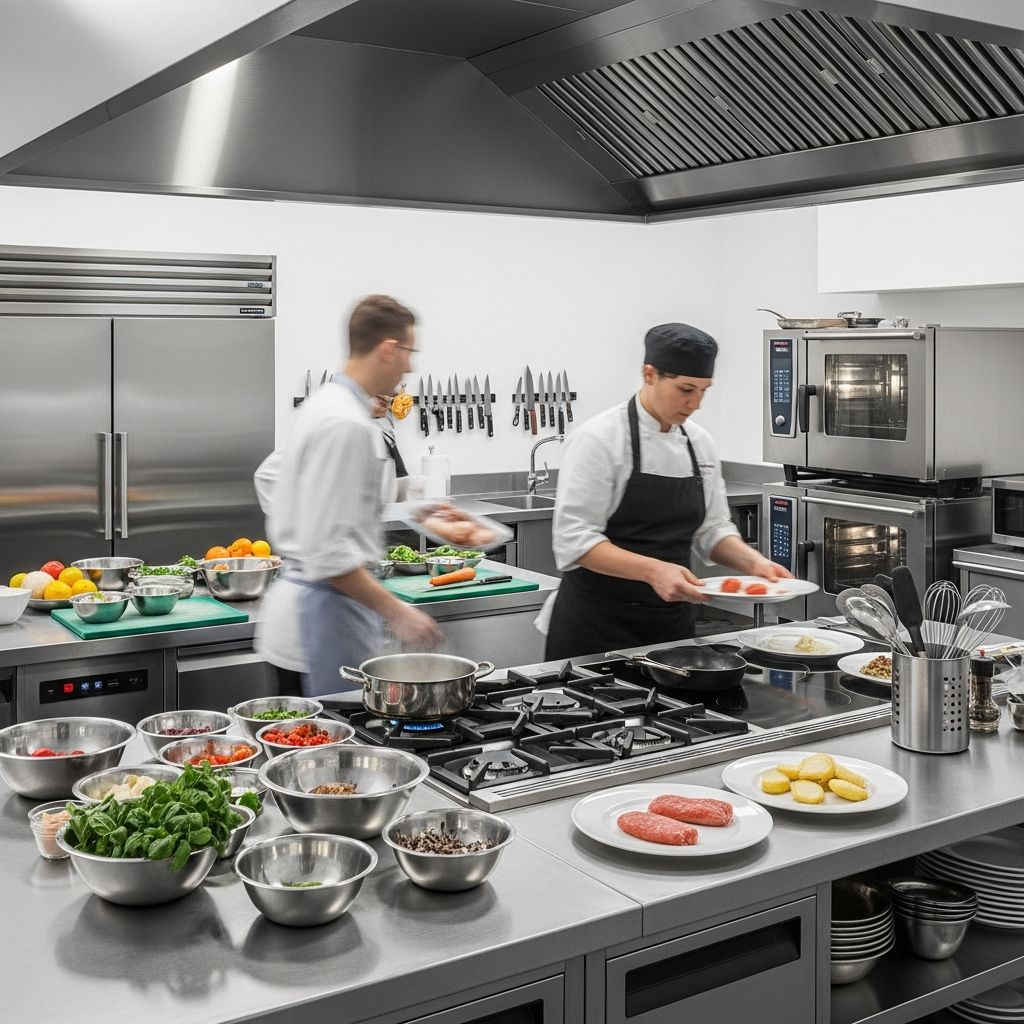
The kitchen represents one of the most time-intensive spaces in any household. Whether you are preparing meals for yourself or feeding a family, the hours spent planning, shopping, cooking, and cleaning can accumulate rapidly throughout the week. However, strategic approaches to kitchen management can dramatically reduce this burden while simultaneously improving meal quality and reducing household stress. By implementing thoughtful organizational systems and preparation methods, you can transform cooking from a chore into a more streamlined and enjoyable activity.
Strategic Meal Planning as Your Foundation
The cornerstone of kitchen efficiency begins long before you step into the cooking space. Thoughtful meal planning serves as the blueprint for reducing decision fatigue, minimizing food waste, and streamlining your shopping process. When you establish a weekly meal plan, you eliminate the daily uncertainty of deciding what to prepare for dinner, which often leads to inefficient last-minute decisions or reliance on processed convenience foods.
Begin by reviewing your calendar to identify which days might require simpler meals due to scheduling constraints. Match your meal selections to the ingredients you already have on hand, reducing unnecessary purchases. Create a comprehensive grocery list organized by store layout—produce, dairy, proteins, pantry items—to minimize navigation time and impulse purchases. This systematic approach not only saves money but also reduces the mental load associated with meal preparation, allowing you to focus your energy on efficient execution rather than constant decision-making.
Ingredient Preparation and Advance Portioning
One of the most impactful efficiency strategies involves dedicating a specific time block for ingredient preparation. Rather than preparing components as needed throughout the week, allocate two to three hours during a less busy period—typically a weekend afternoon or evening—to process and portion your ingredients in advance.
Wash and dry your produce thoroughly, then store it strategically in airtight containers. Chop vegetables that will feature in multiple meals, creating uniform cuts that cook consistently. For items like bell peppers, onions, and carrots that appear frequently in recipes, pre-cutting during your preparation session means you avoid repeating these time-consuming tasks daily. Additionally, cook grains and proteins in larger quantities than needed for a single meal, storing portions in clearly labeled containers for quick assembly throughout the week.
This batch preparation approach offers compound benefits: you use your cutting tools and equipment only once, generating minimal cleanup; you establish consistency in ingredient size, resulting in more predictable cooking times; and you dramatically reduce daily preparation friction when hunger demands immediate solutions.
Workspace Organization and Equipment Accessibility
An organized kitchen workspace functions like a well-designed workshop, with frequently used tools and ingredients positioned for maximum accessibility. Analyze your cooking patterns to identify items you reach for most often, then arrange them at convenient heights and distances from your primary work areas. Sharp knives deserve a dedicated space that protects both the blade and your hands—a magnetic strip or quality knife block positioned near your cutting area eliminates fumbling through drawers.
Similarly, arrange your cooking vessels based on frequency of use. Frequently employed pots and pans should occupy readily accessible cabinet space, while specialty cookware can occupy less convenient storage. Store your most-used utensils—spatulas, wooden spoons, tongs—in a container positioned directly on your countertop near the stove rather than buried in a deep drawer.
Before beginning meal preparation, assemble all equipment required for your intended recipes and position it strategically around your workspace. This practice, often called mise en place in culinary contexts, prevents mid-cooking searches for tools and allows you to work with continuous momentum. Additionally, consider prepping your workspace the evening before by positioning tomorrow’s cooking equipment, which provides psychological motivation and eliminates morning friction.
Leveraging Multi-Functional Appliances
Modern kitchen appliances have evolved to handle multiple preparation tasks simultaneously, offering tremendous time-saving potential. A quality food processor transforms hours of manual chopping into minutes, processing vegetables, nuts, herbs, and even dough with minimal effort. Electric pressure cookers and slow cookers enable hands-off cooking, where you combine ingredients and let the appliance handle the time-intensive cooking process while you attend to other responsibilities.
These appliances prove particularly valuable when you embrace batch cooking—preparing multiple portions or complete meals during a single cooking session. A slow cooker operating during your workday produces ready-to-eat dinners upon your arrival home, while a pressure cooker reduces cooking times by up to seventy percent for proteins and legumes. Investing in quality multi-functional equipment represents a strategic decision that compounds efficiency gains over months and years of use.
Intelligent Knife Skills and Tool Maintenance
Sharp knives form the foundation of efficient vegetable preparation and meat cutting. Dull blades require greater pressure, increasing fatigue and accident risk while simultaneously slowing your preparation speed. Maintaining sharp knives through regular honing and professional sharpening transforms your cutting experience from frustrating and time-consuming to quick and satisfying.
Beyond knife sharpness, developing efficient cutting techniques accelerates your preparation work significantly. Adopt the proper grip and cutting motions that professional chefs employ—holding your non-knife hand in a claw position to guide consistent cuts while keeping your fingertips protected. Practice rock-chopping motion for herbs and the simple up-and-down chop for vegetables, which proves faster than elaborate knife techniques for home cooking purposes.
Strategic Freezer Management
Your freezer represents a powerful tool for creating flexibility and reducing daily cooking demands. Establish a system for batch cooking where you prepare double or triple quantities of recipes that freeze well—soups, stews, casseroles, sauces, and cooked grains. Portion these items into individual or family-sized containers before freezing, clearly labeling with contents and preparation dates.
Beyond full meals, freeze prepared ingredients for quick assembly: cooked shredded chicken ready for salads and tacos, browned ground meat for quick pasta dishes, and blanched vegetables for soups and stir-fries. Herb pastes created by processing fresh herbs with olive oil and freezing in ice cube trays provide convenient flavor additions throughout seasons when fresh herbs are less abundant or expensive.
Pantry Architecture and Staple Stocking
A well-stocked pantry enables rapid meal assembly without constant shopping. Maintain a rotation of staple items that form the foundation of multiple recipes: quality oils, vinegars, canned tomatoes, beans, broth, pasta, rice, and grains. When your pantry contains these reliable foundations, combining them with fresh produce creates hundreds of possible meals without requiring specialized ingredients.
Organize your pantry by category and usage frequency, implementing a first-in-first-out rotation system. Items nearing expiration should be positioned more visibly, encouraging their use before waste occurs. Consider creating small containers or labeled sections for frequently used combinations—a collection of international seasonings grouped together, dried herbs organized by type, or baking ingredients consolidated in a dedicated zone.
Efficient Cleanup Integration
Cleanup represents the aspect of cooking that many find most tedious and time-consuming. Rather than allowing dirty dishes and equipment to accumulate into an overwhelming pile, integrate cleaning throughout your cooking process. Prepare a basin or sink section with hot soapy water where you immediately submerge used utensils, bowls, and cutting boards as you transition between tasks.
This continuous cleaning approach prevents baked-on residue that requires vigorous scrubbing, reduces post-meal cleanup time from potentially thirty minutes to five or ten minutes, and maintains your workspace in a functional condition throughout cooking. Equipment soaking in hot soapy water cleans itself through chemical action and heat, requiring minimal effort when you finally remove it for rinsing and drying.
Flavor Foundation Preparation
Many recipes begin with the same foundational aromatics—onions, garlic, and sometimes celery. Prepare larger quantities of these ingredients in advance and store them, either fresh or partially sautéed, in containers for quick use. Pre-mincing garlic saves considerable time during weekday cooking, though it oxidizes slightly faster than whole cloves. Creating custom spice blends for frequently prepared cuisines—Italian seasoning combinations, taco seasoning, curry powder blends—reduces decision-making and preparation time considerably.
Simultaneous Cooking on Multiple Burners
Most stovetops provide multiple burners that operate independently, yet many home cooks use only one or two during meal preparation. Maximize your burner availability by planning complementary components simultaneously. While your main protein sears on one burner, prepare vegetables on another and cook grains or starches on a third. This parallel cooking dramatically reduces total preparation time compared to sequential cooking where you complete one component before beginning another.
Similarly, utilize your oven while stovetop cooking progresses. Pre-heat your oven early in your cooking process so it reaches temperature while you manage other tasks, enabling seamless transition to baking or roasting components. Planning recipes with this parallel execution approach reduces total meal preparation time by thirty to fifty percent compared to traditional sequential methods.
Defrosting and Protein Preparation Strategies
Planning ahead for protein preparation significantly impacts efficiency. Defrost proteins in your refrigerator rather than at room temperature, which requires advance planning but produces superior texture and food safety. For instances requiring faster defrosting, submerge vacuum-sealed proteins in cold water, changing the water every thirty minutes to accelerate the process safely.
Prepare larger quantities of proteins when cooking—marinate multiple chicken breasts for different meals, cook a large salmon fillet and portion for various preparations, or brown a substantial quantity of ground meat for multiple recipes. This batch approach uses your equipment and attention once while providing components for numerous meals throughout the week.
Leftovers and Repurposing Systems
Strategic leftover planning transforms cooking efficiency dramatically. Prepare ingredients and components specifically designed for multiple purposes—roasted vegetables work in salads, grain bowls, or as side dishes; cooked grains combine with proteins and vegetables for quick salads or casseroles; prepared proteins feature in sandwiches, salads, and composed plates.
Establish a clear labeling and storage system for leftovers, ensuring they remain visible and usable within optimal timeframes. Include preparation dates and suggested uses to spark meal ideas when opening your refrigerator. This system prevents both food waste and the mental burden of forgetting what prepared components you have available.
Time-Saving Cooking Techniques
Certain cooking methods accelerate meal preparation inherently. High-heat searing creates flavorful crusts quickly, while steaming and boiling reduce cooking time for vegetables compared to roasting. Stir-frying concentrates vegetables and proteins into complete meals in fifteen to twenty minutes. Understanding which techniques suit particular ingredients and your time constraints enables rapid decision-making about cooking methods.
Shopping List Organization
Organizing your shopping list by store layout rather than alphabetically or by meal component reduces navigational time and decision fatigue. Your brain processes location-based information more efficiently than category-based information, enabling faster shopping when items appear in a logical sequence matching the store’s organization. Digital grocery applications that remember your preferred items and sort by location streamline this process further.
Frequently Asked Questions
Q: How much time should I allocate for weekly ingredient preparation?
A: Most households benefit from dedicating two to three hours during a weekend period for washing, cutting, cooking, and portioning ingredients. This initial investment typically reduces daily cooking time by ten to fifteen minutes throughout the week.
Q: What proteins freeze best for long-term storage?
A: Cooked ground meat, shredded poultry, and portions of seared fish freeze excellently for three to four months. Raw proteins also freeze well but require proper thawing. Prepared sauces and cooked grains freeze for similar timeframes.
Q: Which kitchen appliances provide the best efficiency return on investment?
A: A quality chef’s knife and cutting board provide immediate efficiency gains. Beyond these essentials, electric pressure cookers and food processors offer substantial time-saving benefits for those preparing meals regularly.
Q: How can I maintain kitchen organization with limited storage space?
A: Prioritize storing frequently used items in easily accessible locations, utilizing vertical space with shelving or magnetic strips. Consolidate similar items into clear containers and label everything to maximize clarity and minimize wasted searching time.
Q: What is the best approach to handling meal preparation during busy work weeks?
A: Combine weekend batch cooking with strategic mid-week preparation. Freeze prepared components during less busy periods, then combine with fresh ingredients during demanding weeks. Additionally, embrace simpler one-pot or sheet-pan meals on nights when time is most limited.
References
- 30 Tips for Saving Time in the Kitchen — Foodal. 2024. https://foodal.com/knowledge/how-to/30-time-saving-kitchen-hacks/
- 13 Brilliant Hacks That Will Save You Time In The Kitchen — One Good Thing by Jillee. 2024. https://www.onegoodthingbyjillee.com/13-time-saving-kitchen-hacks/
- Cooking Tips for Productivity — The Little Kitchen. 2024. https://www.thelittlekitchen.net/cooking-tips/
- Kitchen Productivity Tips to Make Your Life Easier — The Seana Method. August 2024. https://theseanamethod.com/2024/08/kitchen-productivity-tips-to-make-your-life-easier/
- 8 Productivity Hacks For Busy Dad Cooks — Mister Branzino. 2024. https://misterbranzino.substack.com/p/8-productivity-hacks-for-busy-dad

Medha Deb is an editor with a master's degree in Applied Linguistics from the University of Hyderabad. She believes that her qualification has helped her develop a deep understanding of language and its application in various contexts. Medha specializes in the areas of beauty, health, sports, and wellness and is committed to ensuring that the content on the website is…