
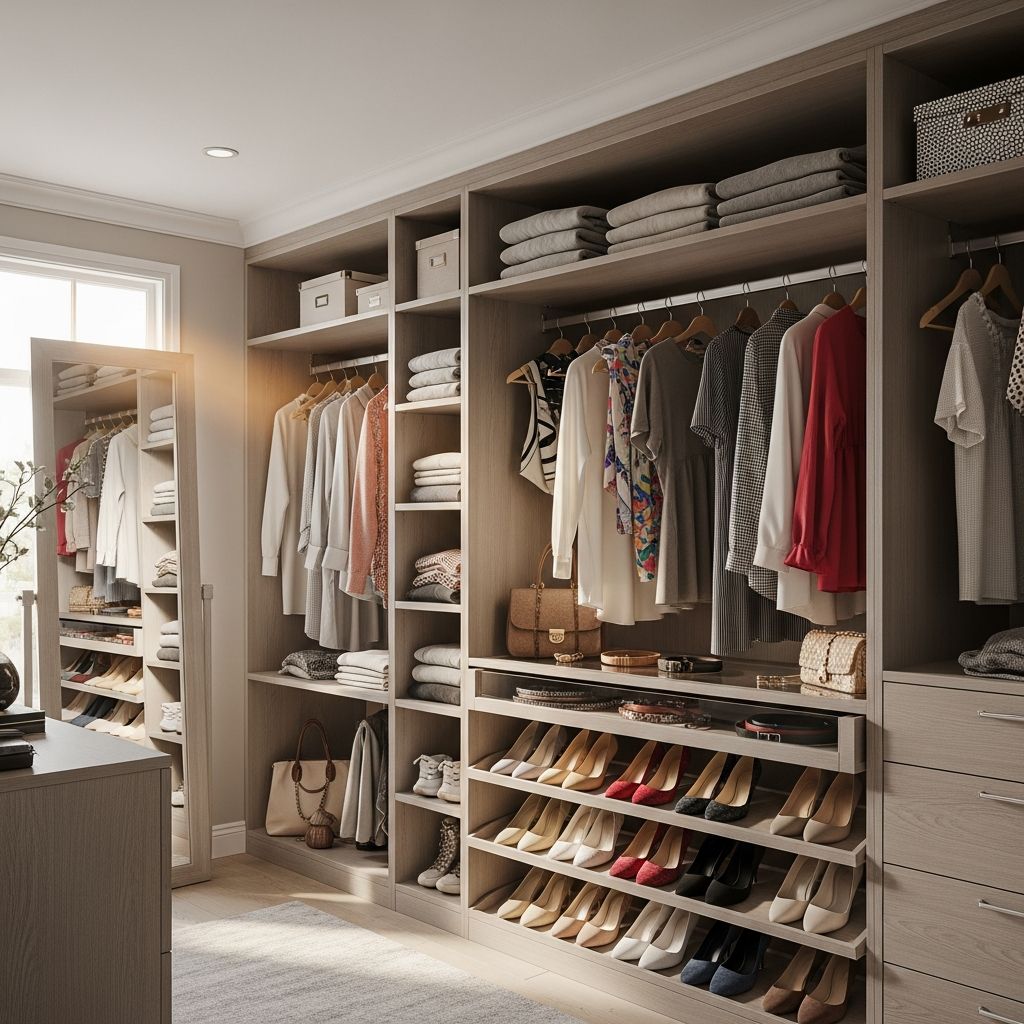
A cluttered closet represents far more than a disorganized collection of garments. It embodies decision fatigue, wasted time, forgotten resources, and psychological heaviness that extends well beyond the bedroom door. When we commit to organizing our wardrobe—truly understanding what we own and arranging it intentionally—we initiate a cascade of positive changes that touch nearly every aspect of our lives. This transformation begins with fabric and hangers but ripples outward to influence our mental clarity, emotional resilience, daily productivity, and self-perception.
The Hidden Psychological Weight of Wardrobe Chaos
Our physical surroundings wield extraordinary influence over our mental state. Research from Princeton University demonstrates that our environment significantly impacts our ability to complete tasks and maintain mental wellness. When your closet overflows with unworn garments, yesterday’s trends, impulse purchases, and items that no longer fit, your brain processes this disarray as unfinished business. Each glance at an overstuffed closet triggers a subtle stress response.
Studies reveal that cluttered environments elevate cortisol production, the primary stress hormone in our bodies. This elevation isn’t a temporary spike; it persists throughout the day, keeping your nervous system in a low-level alert state. Worse, this chronic stress accumulation can contribute to anxiety, depression, and an overwhelming sense of being out of control. The University of Connecticut confirmed that by removing or managing clutter, individuals directly reduce stress stemming from the mess, leading to enhanced happiness and diminished anxiety.
Your wardrobe occupies a unique position in your daily life. Unlike a cluttered garage or junk drawer that you might ignore for weeks, you interact with your closet every single morning. This repeated exposure to disorganization creates a consistent emotional drain that many people accept as normal until they experience the alternative.
Mental Clarity and Decision-Making Efficiency
Decision fatigue is a genuine cognitive phenomenon. Each day, humans make thousands of decisions, from significant life choices to minute-by-minute selections. By the time you reach your wardrobe in the morning, your decision-making capacity may already be partially depleted. A cluttered closet multiplies this burden exponentially.
When choosing an outfit means rifling through twenty similar items, examining garments shoved into back corners, or negotiating around items that no longer fit, you’re burning precious cognitive resources on a task that should require minimal mental effort. An organized wardrobe eliminates this friction. Clear categories, visible options, and removed non-viable pieces mean your morning selection takes seconds rather than minutes.
This efficiency extends beyond clothing selection. Research indicates that clutter makes it difficult to focus on essential tasks because visual disorder demands constant mental sorting. Once you declutter your wardrobe, you experience heightened concentration in other areas of your life. Your brain isn’t struggling to filter through visual noise; it can direct full attention toward meaningful work and important relationships.
Building Confidence Through Intentional Selection
A purposefully organized wardrobe comprises only items you genuinely enjoy wearing and that actually fit your current body and lifestyle. This fundamental principle transforms the confidence you carry into each day. When every garment in your closet represents a conscious choice, you eliminate the daily disappointment of grabbing something that’s tight, faded, outdated, or simply wrong for the occasion.
The process of organizing itself builds self-esteem. Decluttering requires making numerous decisions about what deserves space in your life. As you practice these decisions and witness tangible results, you develop a stronger sense of competence and self-direction. Completing your wardrobe organization project creates a substantial sense of accomplishment, which serves as a foundation for pursuing other personal goals.
Moreover, knowing you have curated options available increases morning confidence. You’re not scrambling or settling; you’re choosing from pieces you love. This positive experience extends into your day, affecting your posture, interactions, and overall self-perception. Studies show that people who feel organized experience higher self-esteem and improved emotional regulation.
Productivity Gains Beyond the Closet
The productivity benefits of wardrobe organization appear deceptively simple but prove surprisingly profound. A WebMD analysis found that tidier spaces correlate with healthier overall choices and improved productivity. When you spend less time selecting an outfit, you reclaim mental energy and actual minutes for more meaningful activities.
Additionally, the accomplishment and momentum generated by completing a major organizational project catalyzes broader life improvements. Many people who organize their wardrobe report increased motivation to tackle other neglected areas, establish new routines, and pursue postponed goals. This momentum represents a psychological breakthrough where you transform from a person who accepts disorder to one who actively creates positive change.
The physical activity involved in wardrobe organization itself provides cognitive benefits. While sorting, folding, and arranging, your mind can wander in a relaxed manner while your body remains active. This combination enhances creativity and releases endorphins, naturally elevating your mood while accomplishing something tangible.
Sleep Quality and Evening Relaxation
Your bedroom should be a sanctuary for rest and rejuvenation. A closet overflowing with clothes creates visual chaos that contradicts this purpose. The bedroom’s role in supporting quality sleep is well-documented, and environmental cleanliness significantly impacts sleep quality.
When your bedroom features an organized closet instead of piles of garments, you enter a space designed for relaxation rather than task management. The absence of visual reminders of unfinished organization work allows your mind to genuinely unwind. People report sleeping better in neat rooms with organized spaces, partly because the environment supports mental relaxation.
Financial Awareness and Intentional Consumption
Organizing your wardrobe requires a comprehensive inventory of what you actually own. In this process, most people discover forgotten items, duplicates they’d purchased without realizing, and garments with tags still attached. This visibility creates accountability for future purchases. You’re more likely to make deliberate clothing decisions when you understand your existing inventory and can visualize how new items fit into your wardrobe structure.
Additionally, recognizing what you already own often eliminates impulse purchases, saving significant money. When you can see your available options organized clearly, you’re less tempted to buy similar items or fill perceived gaps that you later discover weren’t genuine. This financial consciousness extends beyond clothing to influence purchasing decisions across other categories.
Strengthened Personal Relationships
The benefits of an organized wardrobe extend to your relationships with others. A tidy, organized bedroom and closet make you more comfortable inviting friends and romantic partners into your personal space. The confidence and pride that accompany an organized environment translate into more relaxed social interactions within your home.
For people sharing living spaces, a well-organized closet reduces friction and conflict. When closet space is thoughtfully allocated and garments are properly stored, there’s less likelihood of roommates or family members feeling frustrated by the shared or adjacent space. This small organizational change can meaningfully improve household dynamics and reduce daily tension.
Enhanced Control in an Unpredictable World
We face numerous aspects of life beyond our control—weather patterns, economic fluctuations, global events, and circumstances we cannot predict or influence. This lack of control over major life factors can generate anxiety and feelings of helplessness. Organizing your wardrobe provides a powerful counterbalance by offering a sphere where you exercise complete control and agency.
The decisions you make during wardrobe organization are entirely yours. You establish the organizational system, determine which items deserve retention, and create a personal space that reflects your preferences and lifestyle. This autonomy satisfies a fundamental human need for control and generates a sense of serenity and competence.
Health Benefits Beyond Mental Wellness
The advantages of wardrobe organization encompass physical health dimensions as well. A decluttered closet is significantly easier to clean thoroughly. Removing excess items eliminates surfaces where dust, mold, and mildew accumulate. This environmental improvement reduces triggers for asthma and allergies, particularly beneficial for people with respiratory sensitivities.
Furthermore, an organized living space encourages healthier lifestyle choices. A neat bedroom supports better sleep; a clear closet means efficient morning routines; and reduced environmental stress correlates with better dietary choices and increased exercise participation.
Practical Framework for Sustainable Wardrobe Organization
Achieving lasting wardrobe organization requires more than a single cleaning session. Effective strategies include:
- Assess and purge—Examine each item honestly. Does it fit properly? Do you wear it regularly? Does it align with your current lifestyle and aesthetic preferences? Remove items that fail these criteria.
- Categorize strategically—Organize by type (shirts, pants, dresses) or by frequency of wear, creating a system that matches how you actually select clothing.
- Create visibility—Store items so you can see options at a glance. Avoid deep stacks or hidden shelves where garments become forgotten.
- Establish boundaries—Decide how much closet space each category receives, preventing future overcrowding.
- Maintain consistency—Return items to their designated locations after wearing them, preventing gradual re-accumulation of chaos.
- Conduct seasonal reviews—Periodically reassess what serves your current life, removing items that no longer align with your needs or preferences.
Frequently Asked Questions
Q: How much time should I dedicate to organizing my wardrobe?
A: Initial organization typically requires 3-6 hours depending on wardrobe size. Rather than attempting everything at once, consider breaking the project into sections completed over several days or weekends.
Q: What should I do with items I’m removing from my closet?
A: Donate wearable items to charitable organizations, sell quality pieces through consignment apps or local marketplaces, or repurpose items creatively. Recycling or proper disposal applies to damaged garments.
Q: How do I prevent my closet from becoming disorganized again?
A: Establish a consistent system for returning items after wearing them. Conduct brief monthly check-ins to address accumulating clutter before it becomes overwhelming. Review seasonal transitions to remove items no longer needed.
Q: Will wardrobe organization really improve my mood and stress levels?
A: Research consistently demonstrates that organized environments reduce stress hormones and improve mental health outcomes. Most people report noticeable mood improvements within days of completing wardrobe organization.
Q: What if I share closet space with a partner or roommate?
A: Communicate about organizational preferences and establish clear boundaries for each person’s space. Compromise on shared storage areas to prevent conflict while respecting individual needs.
References
- 5 Mental Health Benefits of Decluttering — Hackensack Meridian Health. December 12, 2023. https://www.hackensackmeridianhealth.org/en/healthu/2023/12/12/5-mental-health-benefits-of-decluttering
- Mental Health Benefits of Decluttering — WebMD. https://www.webmd.com/mental-health/mental-health-benefits-of-decluttering
- The Mental Health Benefits of Decluttering — Utah State University Extension. https://extension.usu.edu/mentalhealth/articles/the-mental-benefits-of-decluttering
- 6 Powerful Emotional and Spiritual Benefits of Decluttering — Maximum Gratitude Minimal Stuff. April 2025. https://www.maximumgratitudeminimalstuff.com/2025/04/6-emotional-and-spiritual-benefits-of-decluttering.html
- 5 Personal Benefits of Eliminating Clutter in Your Home — Glacial Ridge. https://glacialridge.org/5-benefits-eliminating-clutter-home/
- The Mental Health Benefits of Staying Organized — GVMA. April 8, 2025. https://gvma.net/2025/04/08/the-mental-health-benefits-of-staying-organized/

Medha Deb is an editor with a master's degree in Applied Linguistics from the University of Hyderabad. She believes that her qualification has helped her develop a deep understanding of language and its application in various contexts. Medha specializes in the areas of beauty, health, sports, and wellness and is committed to ensuring that the content on the website is…