
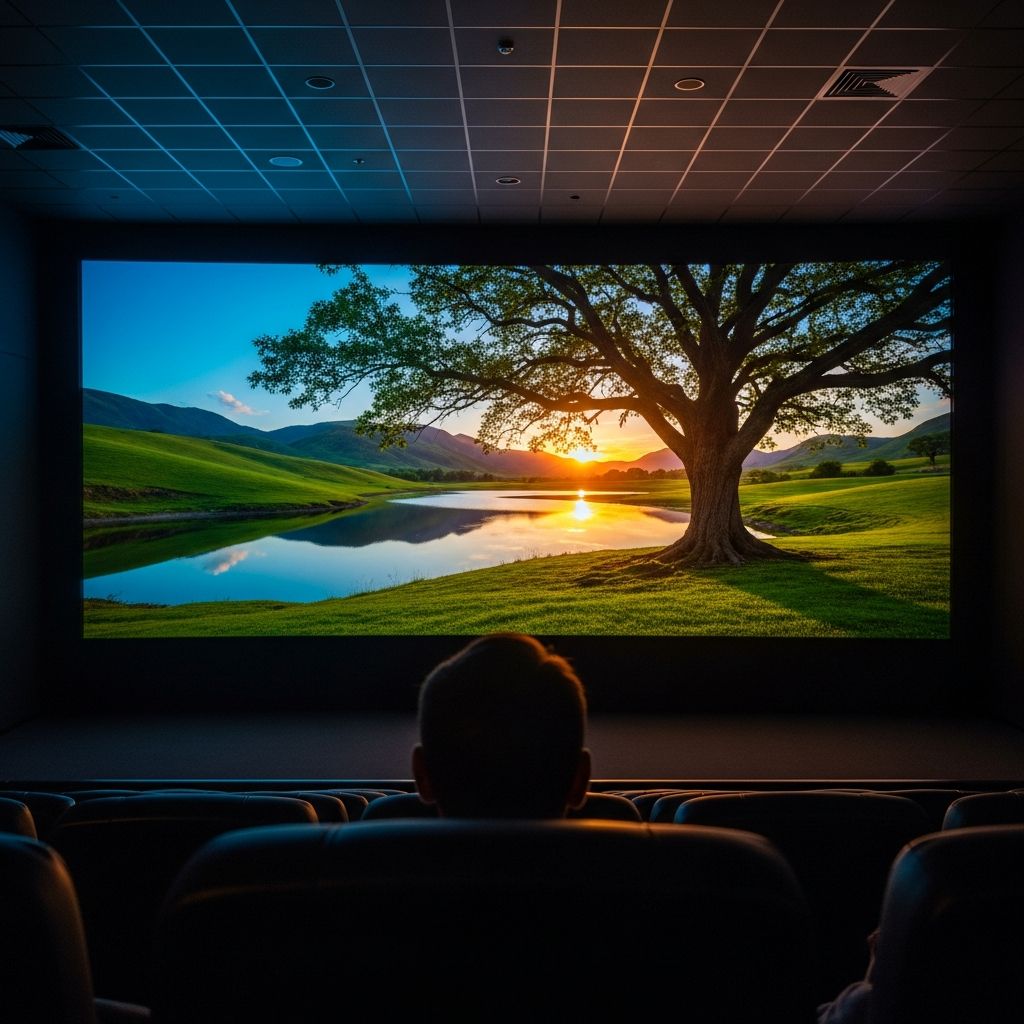
The Science Behind Film’s Therapeutic Impact on Mental Wellbeing
In an era where stress and anxiety plague millions, finding accessible wellness tools has become increasingly important. One surprisingly effective method sits quietly in living rooms worldwide: the humble movie. Scientific research has established that films represent one of the most powerful mood induction methods available, rivaling traditional therapeutic interventions in their capacity to shift emotional states. Unlike pharmaceutical approaches or intensive therapy sessions, cinema offers an immediate, affordable, and widely accessible pathway to emotional transformation.
The therapeutic power of films operates through multiple psychological channels simultaneously. When we watch compelling narratives, our brains become engaged in what researchers call “focused attention,” which naturally redirects our neural resources away from anxiety-inducing thought patterns. This cognitive redirection creates a temporary refuge from stress while simultaneously building our emotional intelligence through exposure to diverse human experiences and emotional landscapes.
Understanding How Movies Reshape Your Emotional Landscape
Movies function as emotional laboratories where we safely experience feelings that might be too overwhelming in real life. Research demonstrates that film clips effectively induce both positive and negative emotional states, with remarkable consistency and measurable intensity. When carefully selected, films can guide viewers from their current emotional baseline toward desired psychological states, whether that means energizing a sluggish afternoon or calming an overwhelmed nervous system.
The mechanism operates through narrative immersion. As viewers become absorbed in a story, they develop parasocial relationships with characters—meaningful connections that feel authentic even though they occur through a screen. These connections activate reward pathways in the brain, releasing dopamine and other neurochemicals associated with pleasure and satisfaction. The familiarity of rewatching beloved films amplifies these effects, as anticipated favorite scenes trigger additional dopamine release before they even occur.
Neurobiological Pathways: How Your Brain Responds to Cinema
Modern neuroscience has illuminated the biological foundation underlying cinema’s emotional effects. Films activate multiple brain regions simultaneously, engaging areas responsible for emotion processing, memory formation, facial recognition, and social cognition. Studies measuring physiological responses—including heart rate, skin conductance, and facial muscle activation—reveal that emotionally powerful films produce measurable biological changes comparable to real-world emotional experiences.
When watching moving or emotionally engaging films, viewers show increased corrugator muscle activity (associated with emotional response) and elevated skin conductance levels, indicating heightened sympathetic nervous system activation. Simultaneously, the focused attention required for movie watching reduces cognitive load associated with worry and rumination, effectively downregulating the brain’s threat detection systems. This dual mechanism—simultaneous emotional engagement and worry reduction—explains why films prove so effective for mental health improvement.
Clinical Evidence Supporting Film Therapy
Research specifically examining therapeutic movie watching demonstrates statistically significant reductions in depression, anxiety, and stress levels. One clinical study found that watching comedy films produced measurable decreases in depression, anxiety, and stress scores in test participants compared to control groups. These results suggest that cinema functions not merely as entertainment distraction but as a legitimate therapeutic intervention worthy of inclusion in comprehensive mental health strategies.
The concept of movie therapy gained formal recognition through pioneering work by therapeutic practitioners who recognized cinema’s potential for psychological healing. Unlike passive entertainment consumption, therapeutic movie watching involves intentional selection and mindful engagement with film content specifically chosen to address current emotional needs or psychological challenges. This deliberate approach transforms casual viewing into purposeful self-care.
Selecting Films for Maximum Emotional Impact
Not all movies deliver equivalent therapeutic benefits. Effective mood-boosting cinema requires understanding how different film genres and narratives affect specific emotional states. Consider these key selection principles:
- Comedy and Uplifting Narratives: Films featuring humor and positive resolutions activate reward systems and promote genuinely elevated mood states. Comedy provides particularly strong effects for individuals managing depression or low energy.
- Inspirational Stories: Narratives depicting human triumph, perseverance, and growth activate motivation centers in the brain, particularly beneficial when facing challenges or decision fatigue.
- Emotionally Moving Cinema: Films designed to evoke the specific emotion of being moved—distinct from simple happiness—produce unique physiological responses and create profound feelings of meaning and connection.
- Familiar Favorites: Rewatching beloved films provides unique advantages, including reduced cognitive processing demands, enhanced enjoyment through anticipated favorite scenes, and strengthened emotional bonds with characters.
- Visually Beautiful Productions: Cinematically rich films with stunning visuals and artistic merit engage aesthetic appreciation centers, promoting calm and wonder.
Timing Matters: Matching Films to Your Current State
Strategic film selection requires honest assessment of your emotional baseline. Someone experiencing acute anxiety may benefit differently from someone managing low motivation or grief. During high-stress periods, visually calming films with slower pacing and gentle narratives prevent additional overstimulation. Conversely, when energy slumps, faster-paced comedies or action-adventure narratives with uplifting themes provide necessary stimulation and momentum.
The timing of movie watching also influences outcomes. Watching films during afternoon energy dips can reverse sluggishness through engaging narratives. Evening viewing can provide transition time between work stress and home relaxation. Weekend film sessions create opportunities for extended immersion and deeper emotional processing. Matching film intensity and pacing to circadian rhythms and daily energy patterns optimizes therapeutic outcomes.
Building Your Personal Cinema Wellness Collection
Developing a curated selection of personally meaningful films creates an accessible mental health toolkit. This collection should include diverse options serving different emotional needs:
- Three to five comedy films that consistently make you laugh genuinely and feel lighter afterward
- Two to three inspirational narratives that reinvigorate your sense of purpose and possibility
- At least one deeply moving film that creates meaningful emotional catharsis
- Several visually beautiful productions for moments requiring calm and aesthetic engagement
- Your personal favorite comfort films for times needing emotional safety and familiarity
This intentional collection transforms your viewing habits from passive consumption into active mental health management. When overwhelmed or struggling emotionally, having pre-selected films eliminates decision fatigue and ensures you reach for genuinely helpful content rather than potentially harmful alternatives.
Creating Optimal Viewing Conditions for Maximum Benefit
Environment significantly influences cinema’s therapeutic effectiveness. Minimize distractions by silencing phones, closing unnecessary tabs, and creating dedicated viewing space. The quality of audio-visual experience matters—good sound design and clear visuals enhance emotional immersion. Watching with a trusted companion can deepen the experience through shared emotional response, though solo viewing sometimes proves more beneficial for processing personal challenges.
Consider lighting, comfort level, and timing to optimize your viewing experience. Dimmed lighting enhances focus and emotional engagement. Physical comfort through seating and temperature control removes distraction sources. Scheduling films during periods when you can remain present rather than rushing between obligations ensures adequate engagement and emotional processing.
Beyond Entertainment: Practical Integration Into Daily Wellness
Treating cinema as a legitimate wellness practice requires integrating it into your regular self-care routine rather than viewing it as occasional entertainment. This might mean scheduling weekly film nights, incorporating movie watching into mental health days, or strategically deploying therapeutic films during particularly challenging periods. Research confirms that intentional movie watching reduces anxiety and depression comparable to other established therapeutic interventions.
Consider supplementing film watching with reflective practices. Journaling about emotional responses, discussing films with others, or simply sitting quietly afterward to process feelings deepens the therapeutic impact. Some people benefit from pairing film viewing with physical comfort activities like tea drinking or gentle stretching, creating multisensory wellness experiences.
Frequently Asked Questions
Q: Can watching movies actually reduce clinical anxiety and depression?
A: Yes, research demonstrates that strategic movie watching produces statistically significant reductions in depression, anxiety, and stress levels, particularly with comedy films and emotionally engaging narratives. However, film should complement rather than replace professional mental health treatment for serious conditions.
Q: How does rewatching favorite movies differ from watching new films?
A: Rewatching beloved films activates additional dopamine through anticipation of favorite scenes, reduces cognitive processing demands, and strengthens emotional connections with characters. This creates a unique wellness experience distinct from the cognitive novelty of new films.
Q: What film genres prove most effective for mood improvement?
A: Comedy films consistently produce the strongest mood elevation effects, while inspirational narratives boost motivation, and emotionally moving films create meaningful connection and catharsis. The best choice depends on your current emotional state and specific needs.
Q: How long should therapeutic viewing sessions last?
A: Most feature films provide sufficient duration for emotional engagement and processing, typically 90-120 minutes. Duration matters less than genuine engagement and emotional immersion in the narrative.
Q: Can movie therapy help during acute stress or crisis?
A: Movies can provide temporary emotional regulation and cognitive redirection during stress, but acute mental health crises require professional intervention. Films function best as part of comprehensive wellness strategies rather than standalone crisis management.
Q: Is watching movies alone or with others more therapeutic?
A: Both approaches offer distinct benefits. Solo viewing allows personal emotional processing and undivided attention, while group viewing strengthens social bonds and creates shared emotional experiences. Choose based on your specific wellness needs.
References
- How effective are films in inducing positive and negative emotional responses? A meta-analytic review — National Center for Biotechnology Information (NCBI). 2019. https://pmc.ncbi.nlm.nih.gov/articles/PMC6872151/
- The power of movies to transform your mood — Moveme. 2024. https://moveme.tv/blog/movies-transform-mood
- The Effect of Movie-Watching on Depression, Anxiety and Stress in COVID-19 Patients — European Journal of Molecular & Clinical Medicine. 2021. https://jag.journalagent.com/z4/download_fulltext.asp
- Reap the Benefits of Rewatching Your Favorite Movies — Fielding Graduate University. 2024. https://www.fielding.edu/reap-the-benefits-of-rewatching-your-favorite-movies/
- Self-care at the movies — California State University, Northridge, Eisner Education. 2023. https://www.csun.edu/eisner-education/self-care/news/self-care-movies
- Emotional State of Being Moved Elicited by Films — Frontiers in Psychology. 2019. https://www.frontiersin.org/journals/psychology/articles/10.3389/fpsyg.2019.01935/full

- Integrated M.A. in Applied Linguistics, University of Hyderabad
- 5+ years in editorial, instructional, SEO, and research-based writing
Sneha is a relationships and lifestyle writer with a strong foundation in applied linguistics and certified training in relationship coaching. She brings over five years of writing experience to theskillvault, crafting thoughtful, research-driven content that empowers readers to build healthier relationships, boost emotional well-being, and embrace holistic living. Her writing and insights reflect the belief that beauty, happiness, and wellness…