
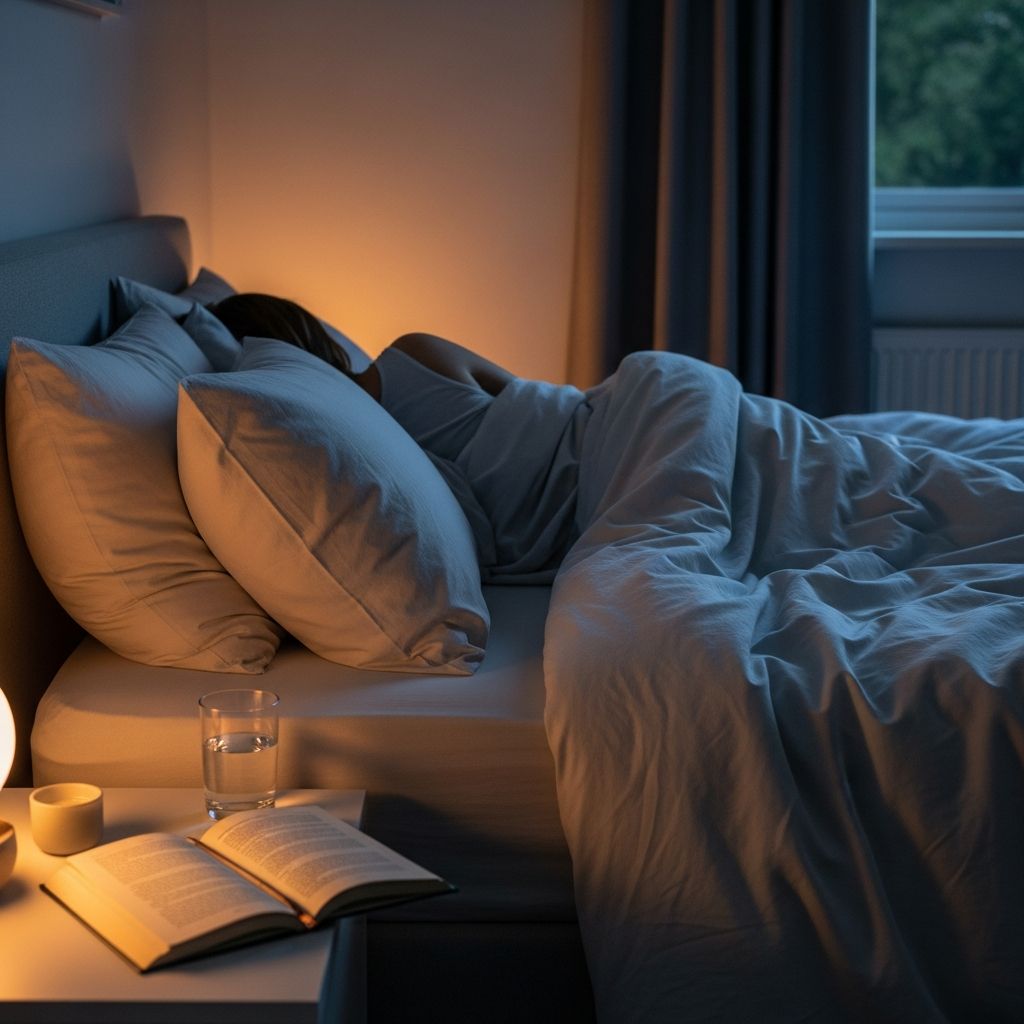
Neurological Pathways to Rapid Sleep Onset
Falling asleep quickly is not merely a matter of closing your eyes and hoping for the best. Modern neuroscience has unveiled specific mechanisms within the brain that facilitate the transition from wakefulness to sleep, and understanding these pathways can significantly enhance your ability to rest. The amygdala, a small almond-shaped structure deep within the brain, plays a crucial role in regulating emotional responses and fear reactions. When this region becomes overactive due to stress or anxiety, it can perpetuate wakefulness and make sleep seem impossibly distant. Researchers have identified that certain physical movements and breathing patterns can effectively calm the amygdala, creating a neurological environment conducive to sleep. By leveraging these insights, individuals can work with their brain’s natural systems rather than fighting against them.
The Eye Movement Technique: A Neuroscientist’s Perspective
One of the most intriguing discoveries in sleep science involves the relationship between eye movements and the amygdala’s activity levels. Neuroscience researchers have determined that when you move your eyes horizontally from side to side while keeping them closed, this specific motion can suppress amygdala activation and promote feelings of calmness and security. This technique works because, from an evolutionary standpoint, our brains have developed sophisticated threat-detection systems. When humans move forward through an environment, their eyes naturally scan from side to side to assess potential dangers in the terrain. This horizontal eye movement signals to the amygdala that you are safely surveying your surroundings, which paradoxically triggers a relaxation response.
To practice this method, lie in bed with your eyes closed and deliberately move your eyes back and forth as if you were watching an invisible object traverse a landscape before you. Continue this motion for 10 to 30 seconds, breathing naturally throughout the process. The beauty of this technique lies in its simplicity and the minimal time commitment required. Many individuals report experiencing noticeable relaxation within this brief window, often accompanied by drowsiness that facilitates the transition to sleep.
Breath Control: The Foundation of Relaxation
Breathing serves as the bridge between your conscious mind and your autonomic nervous system. Unlike many bodily functions that operate automatically, breathing can be deliberately controlled, making it an accessible tool for inducing relaxation. When you consciously extend your exhalations beyond your inhalations, you activate the parasympathetic nervous system—the body’s natural relaxation response. This physiological shift reduces heart rate, lowers blood pressure, and signals to your brain that the environment is safe, thereby facilitating sleep onset.
Extended exhalation breathing can be performed anywhere, anytime, requiring no special equipment or preparation. The mechanism is straightforward: take a long, deep breath in through your nose, then exhale slowly through your mouth, extending the exhale to last longer than the inhale. Repeat this pattern for several minutes. This technique proves particularly valuable when you wake during the night and struggle to return to sleep, as it requires minimal movement and can be performed without leaving bed.
The 4-7-8 Breathing Protocol for Deep Relaxation
Developed by integrative medicine specialist Dr. Andrew Weil, the 4-7-8 breathing technique represents a structured approach to breathwork rooted in ancient pranayama yoga practices. This method provides a precise framework that guides your nervous system toward relaxation through deliberate pacing. The technique involves four phases: inhale for a count of four, hold your breath for a count of seven, and exhale for a count of eight. This specific ratio has been designed to maximize the calming effect on your nervous system.
To execute this technique effectively, sit or lie comfortably with your spine straight. Close your mouth and inhale quietly through your nose for four counts. Hold your breath for seven counts, maintaining a steady mental count. Then exhale completely through your mouth for eight counts, which should take twice as long as your inhalation. The extended exhale is crucial, as it directly activates your parasympathetic nervous system. Repeat this cycle four to eight times. The more consistently you practice this technique, the more pronounced its effectiveness becomes, as your body learns to recognize this breathing pattern as a signal to enter a relaxed state.
It is important to note that individuals with respiratory conditions such as asthma or COPD should consult with a healthcare provider before beginning this practice, as the breath-holding phase may potentially exacerbate certain breathing difficulties.
Progressive Muscle Relaxation: Releasing Physical Tension
Physical tension often accompanies mental stress, creating a feedback loop that perpetuates wakefulness. Progressive muscle relaxation (PMR) addresses this challenge by systematically releasing muscle tension throughout your body, thereby promoting overall physical relaxation conducive to sleep. This technique works by deliberately tensing specific muscle groups and then consciously releasing that tension, allowing you to recognize the difference between tension and relaxation.
Begin by lying in bed or on a comfortable surface. Starting with your facial muscles, tense these muscles deliberately for approximately ten seconds without straining excessively. Pay attention to how tension feels. Then release the tension completely and take several deep breaths, observing how relaxation feels in contrast. Progress systematically through your body: move from your face to your shoulders, then your arms, chest, abdomen, legs, and finally your feet. Maintain awareness throughout this process, focusing on how your body becomes progressively heavier and more relaxed with each muscle group.
The psychological benefit of PMR extends beyond simple muscle relaxation. By actively participating in releasing tension, you shift from a passive state of frustration about wakefulness to an active state of purposeful relaxation. This psychological shift can be just as important as the physical relaxation itself.
Environmental Optimization for Sleep Readiness
While techniques matter enormously, environmental factors establish the foundation upon which these practices operate. Your sleep environment should support rather than sabotage your efforts to fall asleep quickly. Temperature regulation proves particularly critical; research consistently demonstrates that a cool bedroom facilitates faster sleep onset. Most sleep specialists recommend a bedroom temperature between 60 and 67 degrees Fahrenheit (15-19 degrees Celsius).
Darkness is equally important, as light exposure suppresses melatonin production—the hormone that drives sleepiness. Eliminate sources of artificial light by using blackout curtains, removing electronic devices that emit light, or wearing an eye mask. Sound pollution should also be minimized; if external noise is unavoidable, consider using white noise machines or earplugs to mask disruptive sounds.
Your bedroom should be reserved primarily for sleep and intimate activities, not for work, eating, or entertainment. This psychological association strengthens the connection between your bedroom and sleep, making your brain more readily shift into sleep mode upon entering.
Strategic Wind-Down Routines: Preparing Your System
The hour preceding your intended sleep time establishes the trajectory for how readily you will fall asleep. A structured wind-down routine signals to your entire system that sleep is approaching, allowing your body to prepare physiologically. Begin approximately 60 minutes before bed by dimming your environment’s lighting. This reduction in light exposure stimulates melatonin production, your body’s natural sleep hormone.
Around 45 minutes before bed, engage in calming activities that do not overstimulate your mind. Reading physical books, listening to soothing music, or listening to calm podcasts can quiet racing thoughts and prepare your mind for sleep. Avoid screens during this period, as blue light from phones, tablets, and computers can suppress melatonin production and perpetuate wakefulness.
Approximately 15 minutes before your target sleep time, transition to active relaxation practices. This window is ideal for implementing deep breathing exercises, mindfulness meditation, or gentle stretching. By maintaining consistency in this routine, your body develops expectations about sleep timing, which strengthens your natural circadian rhythm and facilitates faster sleep onset.
Circadian Rhythm Alignment Through Daily Practices
Your body operates on a 24-hour biological clock that influences sleep-wake cycles, hormone production, and body temperature regulation. Aligning your daily activities with your natural circadian rhythm dramatically improves your ability to fall asleep quickly at night. Consistency proves essential; going to bed and waking at the same time each day, even on weekends, reinforces your circadian rhythm and makes sleep onset more predictable.
Morning sunlight exposure provides a crucial signal to your internal clock. Within the first hour of waking, spending 10 to 30 minutes in natural daylight helps set your circadian rhythm and improves nighttime sleep quality. Individuals struggling with delayed sleep patterns may benefit from scheduling 45 minutes of light exercise, such as a brisk walk, during morning hours, which can help regulate circadian rhythms even more effectively.
Conversely, caffeine consumption after early afternoon can significantly interfere with sleep onset, as caffeine remains in your system for several hours after consumption. By restricting caffeine intake to morning hours, you avoid chemical interference with your evening sleep drive.
Mental Visualization and Imagery Distraction
When racing thoughts prevent sleep, redirecting your attention through guided imagery can prove remarkably effective. Research from the University of Oxford demonstrated that individuals who engaged in detailed visualization of calming scenes fell asleep significantly faster than those employing other distraction techniques or those receiving no specific instructions. This finding suggests that engaging your imagination constructively can be more effective than passive distraction methods.
To practice imagery distraction, visualize a location that evokes feelings of safety, peace, and comfort for you personally. This might be a beach, forest, mountain meadow, or any environment that resonates with your sense of tranquility. Engage all your senses in this visualization: notice colors, textures, sounds, scents, and the physical sensation of being in this space. The detailed sensory engagement occupies your conscious mind sufficiently to interrupt anxious thought patterns while naturally inducing relaxation.
Acupressure Points for Sleep Enhancement
Traditional Chinese medicine identifies specific pressure points on the body believed to influence sleep quality and onset speed. Research indicates that acupressure may modestly reduce the time required to fall asleep and potentially improve overall sleep efficiency and duration. While the evidence base remains limited compared to other techniques, acupressure represents a low-risk supplementary approach that some individuals find helpful.
Three pressure points deserve particular attention for sleep purposes:
- Spirit Gate: Located on the wrist crease on the pinky side of the hand, this point is believed to calm the spirit and reduce anxiety.
- Inner Frontier Gate: Found on the inner forearm between two tendons, approximately two finger-widths below the wrist crease, this point may promote emotional balance.
- Wind Pool: Situated at the base of the skull where the neck muscles attach, this point may help release tension and promote relaxation.
To stimulate these points, apply gentle but firm pressure using your thumb or finger, maintaining pressure for one to two minutes while breathing deeply. The goal is therapeutic stimulation rather than pain.
The Military Sleep Method: Structured Relaxation Protocol
Originally developed for military personnel who needed to sleep quickly in challenging environments, the military sleep method combines muscle relaxation, breathing techniques, and visualization into a structured protocol. While scientific evidence supporting the specific effectiveness of this method remains limited, the underlying principles of progressive muscle relaxation and controlled breathing are well-established sleep promotion strategies.
The method requires consistent practice over approximately two weeks before achieving optimal effectiveness. The theory suggests that by systematically relaxing your face, shoulders, arms, chest, and legs while simultaneously visualizing a calming scene, you can facilitate sleep onset. Although some sources claim a 96% success rate after proper training, this should be understood as an aspirational goal rather than guaranteed outcome, as individual responses vary considerably.
Mindfulness Meditation for Sleep Preparation
Mindfulness meditation, which emphasizes present-moment awareness without judgment, has demonstrated promising results for sleep improvement. When practiced at bedtime, mindfulness meditation can reduce anxiety and help release negative thought patterns that often interfere with sleep onset. The technique involves focusing your attention on your breath, bodily sensations, or a specific focal point while observing any thoughts that arise without engaging with or judging them.
Unlike other meditation practices that may require extended periods, brief mindfulness sessions of 10 to 15 minutes can produce meaningful relaxation benefits. This accessibility makes it an ideal bedtime practice for individuals with limited time or attention spans.
Troubleshooting Persistent Sleep Difficulties
Despite implementing these techniques effectively, some individuals continue experiencing sleep onset difficulties. This persistence may indicate underlying conditions requiring professional evaluation. Attention deficit hyperactivity disorder (ADHD), anxiety disorders, and other medical conditions can significantly interfere with sleep regardless of technique implementation. If you have consistently struggled with sleep for more than a few weeks despite practicing these evidence-based methods, consulting with a healthcare provider becomes advisable to identify any underlying medical factors.
Additionally, certain medications and caffeine sensitivity can prevent rapid sleep onset. Your healthcare provider can assess whether your specific medications or habits might be interfering with your sleep drive.
Frequently Asked Questions
Q: How long do these techniques typically take to become effective?
A: Some techniques like extended exhalation breathing may produce noticeable relaxation effects within 5-10 minutes. Other methods like progressive muscle relaxation typically require 15-20 minutes. The military method and structured routines may require 2-3 weeks of consistent practice before achieving optimal effectiveness.
Q: Can these techniques be used if I wake during the night?
A: Yes, several techniques work particularly well for mid-night wakefulness. Extended exhalation breathing and eye movement techniques can be performed without leaving bed and may help you return to sleep quickly.
Q: Is it normal if a technique doesn’t work immediately?
A: Yes, individual responses vary significantly. What works quickly for one person may require more practice for another. Consistency matters more than perfection; continuing with a technique over several nights often produces better results than expecting immediate effectiveness.
Q: Should I avoid these techniques if I have respiratory conditions?
A: Some techniques like 4-7-8 breathing involve breath-holding, which may exacerbate asthma or COPD. Consult with your healthcare provider before beginning any breathing-focused technique if you have respiratory conditions. You can still benefit from progressive muscle relaxation, visualization, and environmental optimization.
Q: How does light exposure affect sleep onset?
A: Blue light from screens suppresses melatonin production and can delay sleep onset by 30-60 minutes. Dimming your environment 60 minutes before bed and avoiding screens during this period promotes natural melatonin production and accelerates sleep readiness.
Q: Can I combine multiple techniques for better results?
A: Absolutely. Combining environmental optimization with breathing techniques and guided imagery often produces more pronounced effects than any single technique alone. Experiment with different combinations to identify your personal optimal approach.
References
- How to fall asleep fast according to a neuroscientist — Upworthy. 2024. https://www.upworthy.com/neuroscientist-andrew-huberman-shares-really-weird-trick-to-fall-asleep-in-five-minutes
- How to Fall Asleep Fast in 10, 60, or 120 Seconds — Healthline. 2024. https://www.healthline.com/health/healthy-sleep/fall-asleep-fast
- How to Fall Asleep Faster: Tips Backed by Science — Sleep Cycle. 2024. https://sleepcycle.com/sleep-talk/how-to-fall-asleep-faster-tips-backed-by-science
- 10 Tips To Help You Fall Asleep Fast — Cleveland Clinic. 2024. https://health.clevelandclinic.org/how-to-fall-asleep-fast
- How to Fall Asleep Fast: Expert-Backed Strategies — Sleep Foundation. 2024. https://www.sleepfoundation.org/sleep-hygiene/how-to-fall-asleep-fast

- Integrated M.A. in Applied Linguistics, University of Hyderabad
- 5+ years in editorial, instructional, SEO, and research-based writing
Sneha is a relationships and lifestyle writer with a strong foundation in applied linguistics and certified training in relationship coaching. She brings over five years of writing experience to theskillvault, crafting thoughtful, research-driven content that empowers readers to build healthier relationships, boost emotional well-being, and embrace holistic living. Her writing and insights reflect the belief that beauty, happiness, and wellness…