
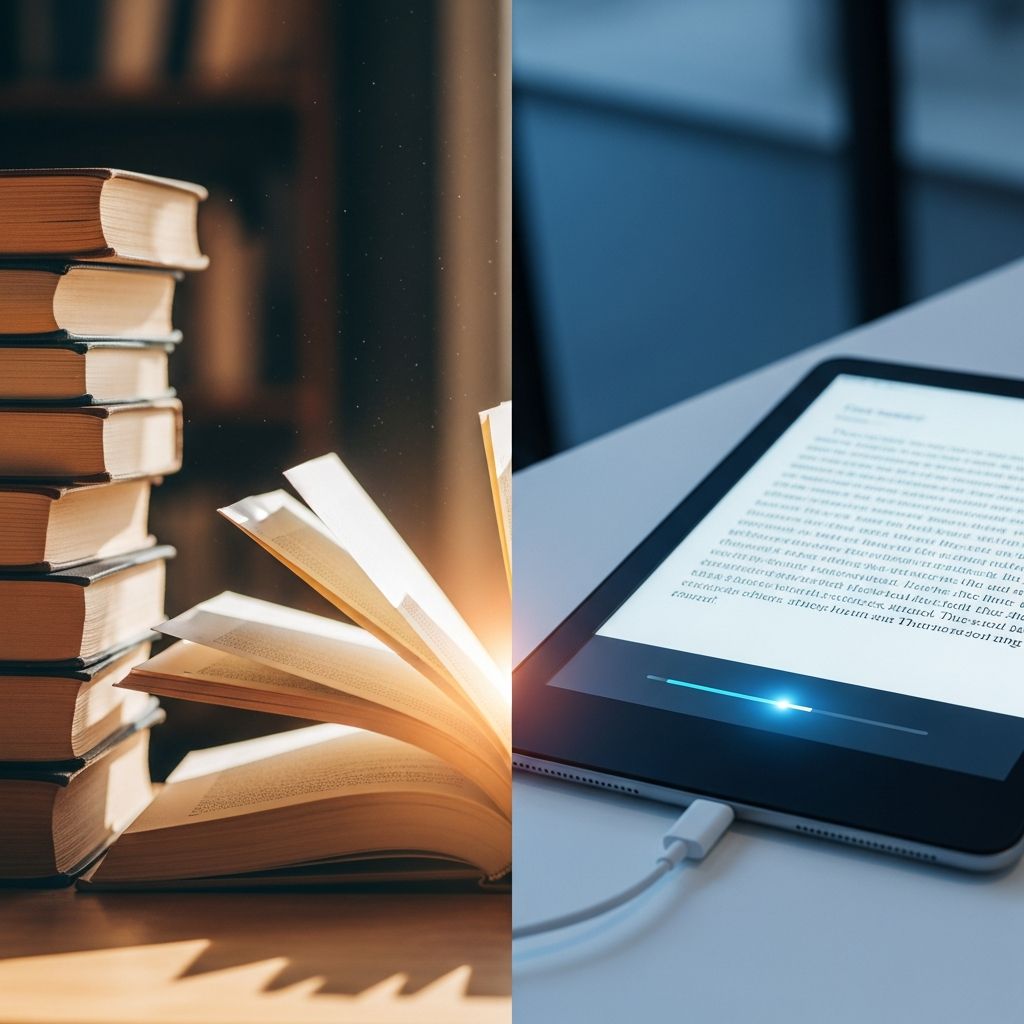
Paper books and ebooks represent two distinct eras of reading, each with compelling strengths that prevent one from fully supplanting the other. While ebooks offer unmatched portability and interactivity, paper books deliver superior comprehension and sensory satisfaction, as supported by recent studies and market data.
Key Advantages of Ebooks in Modern Reading
Ebooks have transformed accessibility, allowing readers to carry vast libraries in slim devices. This portability stands out as a primary draw, especially for frequent travelers or avid collectors.
- Thousands of titles fit on one device, eliminating bulky shelves.
- Instant downloads bypass store visits or shipping delays.
- Adjustable fonts and themes cater to individual preferences, aiding those with visual impairments.
Beyond convenience, ebooks integrate multimedia like videos and audio, enriching educational content. Cloud-based updates ensure freshness without reprinting, ideal for textbooks or technical guides. Environmentally, they cut paper usage and shipping emissions, appealing to eco-conscious users.
Strengths That Keep Paper Books Relevant
Despite digital gains, paper books dominate sales and reader loyalty. Statistics reveal print as the top format, generating the most revenue for publishers. A key factor is enhanced comprehension: research indicates readers understand and retain material six to eight times better from physical pages than screens.
The tactile experience fosters deeper engagement. Turning pages, feeling paper texture, and smelling ink create emotional bonds absent in digital formats. No batteries or internet needed means reliability in any setting, from remote hikes to power outages.
| Aspect | Ebooks | Paper Books |
|---|---|---|
| Portability | Entire library on one device | Single book at a time, heavier |
| Comprehension | Lower retention per studies | 6-8x better understanding |
| Cost (New Bestsellers) | $13.30 average | $15.40 average, $2.07 gap |
| Environmental Impact | No paper waste | Requires trees and printing |
| Sensory Experience | Screen-based, adjustable | Tactile, nostalgic appeal |
Market Statistics: Print’s Surprising Dominance
Print books outsell ebooks consistently. In 2024 data, physical formats led revenue despite ebook growth. Only 4% of children’s fiction appeared digitally in 2021, underscoring print’s hold on young readers.
Price gaps have narrowed: hardcovers averaged $15.40 versus ebooks at $13.30, a mere $2.07 difference—down 47.5% since 2021. This shifts decisions toward preference over savings. Post-pandemic, ebook sales rose to 55% for some authors, yet print retains 18% share. Younger readers under 45 favor ebooks, but overall, 66% deem print more fulfilling.
Comprehension and Cognitive Impacts
Deep reading thrives on paper. Screens invite distractions like notifications, fragmenting focus. College students report better retention from print, vital for learning. Pre-bed ebook reading strains eyes and disrupts sleep via blue light.
Physical markers—dog-ears, notes—aid memory spatially, unlike scrolling interfaces. This explains print’s edge in academic settings, where true ownership feels tangible.
Ebooks’ Technological Edge and Interactivity
Digital formats shine in features: built-in dictionaries, search functions, and recommendations personalize experiences. Augmented reality and read-aloud options boost engagement, especially for non-native speakers or children.
Sharing is seamless across devices, and offline downloads ensure access anywhere. For professionals, searchable text accelerates research, outpacing index flipping.
Environmental and Economic Considerations
Ebooks reduce deforestation and transport emissions, a green advantage. Long-term, they save via lower prices on backlist titles—classics often under $5. However, device production and e-waste offset some gains.
Print demands resources but supports local printing jobs. Resale value persists; used bookstores thrive on physical copies, unlike DRM-locked ebooks.
The Role of Demographics in Format Choice
Preferences vary by age and lifestyle. Younger users embrace ebooks for space-saving and tech integration. Older readers cherish print’s familiarity and eye comfort. Parents favor paper for kids, prioritizing comprehension over gadgets.
Hybrid habits emerge: many own both, switching by context—ebooks for commutes, paper for home immersion.
Future Trends: Coexistence Over Replacement
By 2026, neither format yields. Ebooks evolve with AI personalization, yet print adapts via sustainable paper and print-on-demand. Sales data predicts balanced markets, with audiobooks rising as a third pillar.
Innovations like scented digital pages or haptic feedback may bridge gaps, but paper’s cultural role—in libraries, gifts, heirlooms—endures.
Evolving Reading Habits in a Digital Age
Modern life demands flexibility. Ebooks fit busy schedules with one-tap access, while paper anchors mindful reading sessions. Libraries digitize collections yet stock print heavily, reflecting dual demand.
Frequently Asked Questions (FAQs)
Will ebooks fully replace paper books soon?
No, statistics show print leading sales and comprehension studies favor physical formats, ensuring coexistence.
Are ebooks cheaper than paper books?
For bestsellers, the gap is small ($2.07), but ebooks excel on older titles under $5.
Do paper books improve learning?
Yes, research confirms 6-8x better comprehension and retention compared to screens.
Are ebooks better for the environment?
They save paper and shipping but involve device manufacturing impacts.
Can I read ebooks offline?
Yes, most platforms support downloads for uninterrupted access.
Which is better for eye health?
Paper avoids screen strain and blue light, especially before bed.
References
- Top 10 Advantages of eBooks Over Printed Books in 2025 — Kitaboo. 2025. https://kitaboo.com/top-10-advantages-of-ebooks-over-printed-books/
- Printed Books vs eBooks Statistics, Trends and Facts [2024] — Toner Buzz. 2024. https://www.tonerbuzz.com/blog/paper-books-vs-ebooks-statistics/
- Can eBooks Replace Printed Books in the Future? — Hemingway Publishers. N/A. https://hemingwaypublishers.com/blogs/can-ebooks-replace-printed-books-in-the-future/
- The Case for Paper: Books vs. E-Readers — Psychology Today. 2024-02. https://www.psychologytoday.com/us/blog/well-read/202402/the-case-for-paper-books-vs-e-readers
- Ebooks vs Print Books in 2025, Part II: Can Ebooks Save You Space and Culture? — Technica Editorial. 2025. https://technicaeditorial.com/ebooks-vs-print-books-in-2025-part-ii-can-ebooks-save-you-space-and-culture/

- Integrated M.A. in Applied Linguistics, University of Hyderabad
- 5+ years in editorial, instructional, SEO, and research-based writing
Sneha is a relationships and lifestyle writer with a strong foundation in applied linguistics and certified training in relationship coaching. She brings over five years of writing experience to theskillvault, crafting thoughtful, research-driven content that empowers readers to build healthier relationships, boost emotional well-being, and embrace holistic living. Her writing and insights reflect the belief that beauty, happiness, and wellness…