
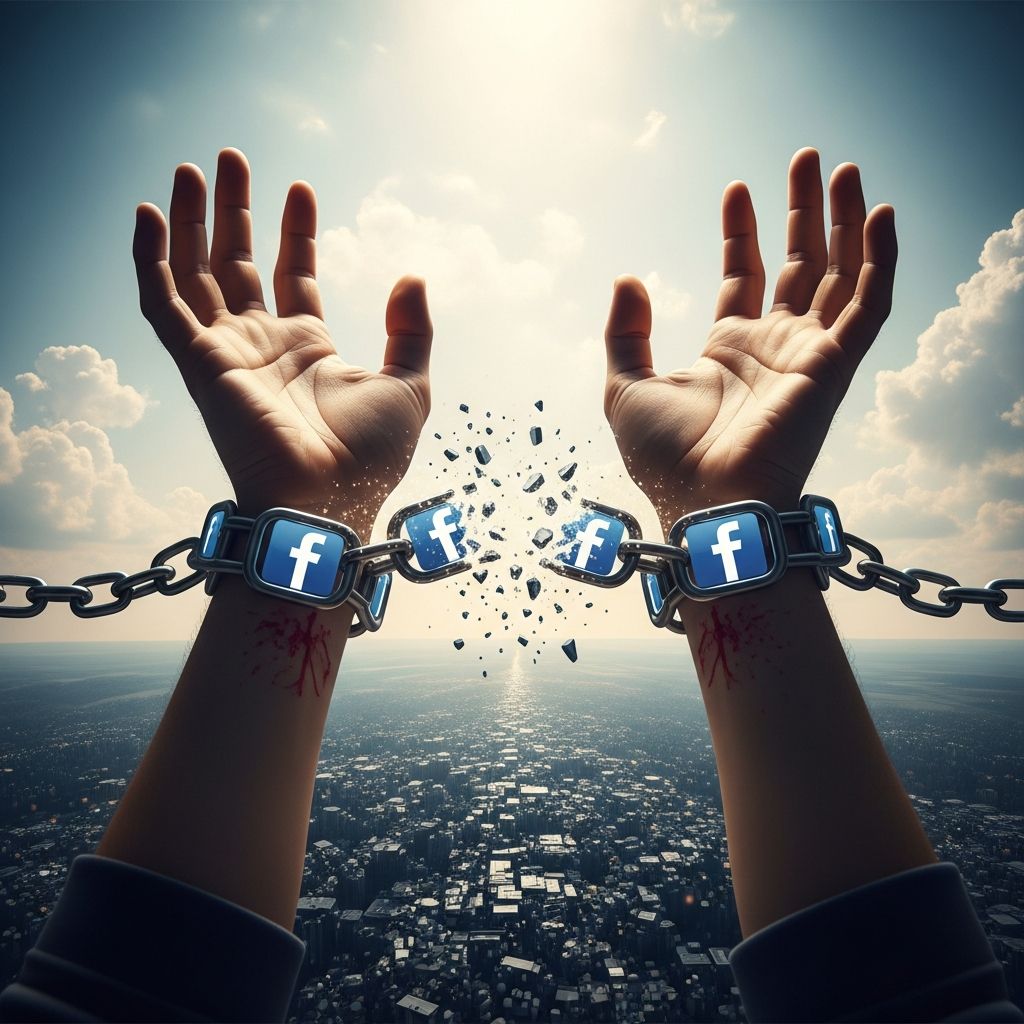
In today’s hyperconnected world, social media platforms have become deeply embedded in our daily routines. Facebook, in particular, has cultivated a user base of billions who check the platform multiple times per day without giving much thought to the impact this behavior might have on their lives. However, a growing body of research and personal testimonies suggest that stepping away from Facebook can unlock significant improvements in mental health, productivity, relationships, and overall life satisfaction. This article explores the multifaceted benefits of abandoning this social media giant and reclaiming control over your time and attention.
The Hidden Costs of Constant Connectivity
The architecture of Facebook and similar platforms is deliberately designed to keep users engaged for as long as possible. Features like the infinite scroll mechanism automatically load new content without requiring users to reach an endpoint, creating a continuous stream that encourages endless browsing. This design leverages fundamental aspects of human psychology, particularly our innate curiosity about what comes next.
When users engage with content on Facebook, the platform’s algorithm triggers dopamine release in the brain—the same neurochemical associated with reward and pleasure. This creates a powerful feedback loop that mirrors addictive behaviors. Research indicates that smartphone users check Facebook an average of 14 times daily, with approximately 65% of adults accessing the platform every single day. For many, this compulsive checking happens automatically, driven by habit rather than intentional choice.
The consequences of this constant connectivity extend beyond simple time wastage. Studies show that excessive social media use depletes cognitive and emotional resources, making it increasingly difficult to maintain work-life balance and achieve personal goals. As individuals become more absorbed in their digital lives, the time and energy available for meaningful activities, professional responsibilities, and family relationships diminish significantly.
Reclaiming Mental Clarity and Cognitive Function
One of the most immediate benefits of leaving Facebook is the restoration of cognitive function. Excessive social media use has been scientifically shown to reduce attention span and impair the brain’s ability to focus on tasks requiring sustained concentration. The constant digital stimulation from social media feeds trains the brain to seek immediate gratification rather than engaging in deep, meaningful work.
When you disconnect from Facebook, your brain gradually recalibrates. The constant context-switching—jumping between notifications, messages, and feed updates—ceases, allowing your mind to achieve the state of flow necessary for meaningful work and learning. This cognitive recovery often manifests within days of stepping away from the platform. Users report experiencing clarity of thought, improved memory retention, and an enhanced ability to engage with complex tasks that previously felt overwhelming.
Students and professionals particularly benefit from this mental reset. Without the distraction of Facebook, individuals can dedicate their full cognitive resources to studying, creative projects, and professional development. Research from studies conducted on productivity across various professions demonstrates that those who heavily use social media tend to struggle with focus, miss deadlines, and experience difficulty with decision-making processes. Removing this cognitive burden opens pathways to genuine achievement and intellectual growth.
Alleviating Stress and Emotional Exhaustion
Facebook’s social nature creates a paradoxical situation: while the platform promises connection, it frequently generates emotional distress. Users are exposed to curated highlight reels of others’ lives, triggering comparison and inadequacy. Additionally, engagement with controversial posts from acquaintances can provoke strong emotional reactions that deplete emotional resources and increase stress levels.
Research examining social media’s psychological impact reveals a clear pattern: social media addiction is positively correlated with job stress and negatively associated with happiness and well-being. When employees or students immerse themselves in Facebook throughout their day, they experience elevated stress hormones including cortisol and adrenaline, particularly when encountering content that triggers anger or anxiety.
By abandoning Facebook, individuals eliminate a significant source of emotional turbulence. Without the constant exposure to triggering content and social comparison, stress levels naturally decrease. This reduction in emotional reactivity creates space for genuine relaxation, better sleep quality, and improved overall mental health. Users frequently report feeling lighter and more optimistic after disconnecting, as the psychological burden of maintaining a social media presence dissolves.
Enhancing Sleep Quality and Physical Health
The relationship between social media use and sleep quality is well-established in scientific literature. Heavy Facebook users often experience sleep deprivation, not only due to time spent scrolling late into the evening but also because of the neurochemical stimulation the platform provides. The dopamine hits from likes and comments trigger a state of mental activation that conflicts with the relaxation necessary for quality sleep.
Additionally, the blue light emitted by screens suppresses melatonin production, further disrupting the body’s natural sleep-wake cycle. Heavy social media users frequently report suffering from physical ailments associated with extended screen time, including back pain, eye strain, and tension headaches.
Leaving Facebook allows the body to return to its natural rhythms. Without late-night scrolling sessions, sleep duration and quality improve substantially. Better sleep cascades into numerous health benefits: enhanced immune function, improved metabolism, better emotional regulation, and increased energy throughout the day. Many individuals report that simply removing Facebook from their devices transforms their sleep quality within a matter of weeks.
Strengthening Authentic Relationships
Paradoxically, a platform designed to connect us often diminishes the quality of our actual relationships. Facebook interactions frequently substitute for genuine, in-person connection. People may feel socially satisfied from exchanging comments and likes while neglecting the deeper relationships that require time, presence, and vulnerability.
When individuals leave Facebook, they often redirect their social energy toward real-world relationships. Phone calls replace status updates. In-person meetings replace comment threads. These authentic interactions build stronger bonds, create more meaningful memories, and provide genuine emotional support. The time previously spent scrolling becomes available for activities with loved ones—activities that don’t involve screens and documented for an audience.
Furthermore, stepping away from Facebook eliminates the anxiety of social performace. Users no longer need to curate their lives for public consumption or worry about how their posts will be received. This authenticity, experienced both in how one presents themselves online (by not presenting at all) and in relationships, fosters deeper human connection.
Boosting Productivity and Professional Performance
The impact of Facebook addiction on work performance is substantial and measurable. Employees addicted to social media experience decreased job performance due to constant distractions, depleted emotional resources, and compromised work-life balance. The time spent checking Facebook—even for brief moments—fragments attention and reduces the quality of work output.
Job burnout, frequently observed in heavy social media users, creates a vicious cycle: as individuals feel more stressed and burned out, they turn to Facebook for escape, which further depletes their resources and worsens performance. Breaking this cycle requires removing the escape valve altogether.
Professionals who quit Facebook report significant improvements in work output, deadline achievement, and career satisfaction. Without the constant mental drain of social media addiction, employees can dedicate their full cognitive and emotional capacity to their roles. This often translates into promotions, salary increases, and genuine career advancement. The time saved alone—hours per week that previously disappeared into the Facebook feed—becomes available for skill development, strategic thinking, and meaningful professional growth.
Reclaiming Personal Time and Freedom
Perhaps the most fundamental benefit of leaving Facebook is the reclamation of personal autonomy. Social media addiction, like all addictions, represents a loss of control. Users often find themselves checking Facebook compulsively, unable to stop despite intentions to limit usage. This loss of agency creates a subtle but pervasive sense of powerlessness.
By stepping away from Facebook, individuals reassert control over their time and attention. They make conscious choices about how to spend their hours rather than surrendering them to algorithmic feeds. This renewed agency extends beyond the digital realm—when people reclaim control of their media consumption, they often apply the same intentionality to other life areas, resulting in better overall decision-making and life satisfaction.
The time previously devoted to Facebook—hours that accumulate into days over the course of a year—becomes available for pursuits that align with personal values and goals. Whether that’s learning new skills, developing hobbies, spending time with family, or engaging in physical activity, the freedom to choose becomes a profound gift once the constant pull of social media is removed.
Frequently Asked Questions
Q: Will I lose touch with important friends and family by leaving Facebook?
A: While Facebook facilitates loose connections, genuine relationships typically involve alternative communication methods. Important friends and family members will contact you through direct messages, phone calls, or in-person visits. Many people find their core relationships actually strengthen after stepping away from Facebook because they require intentional effort rather than passive scrolling.
Q: How can I maintain professional networking without Facebook?
A: LinkedIn serves as a dedicated professional networking platform that’s more appropriate for career connections. Email, direct messaging, and traditional networking events also provide effective alternatives for maintaining professional relationships without the distraction of a general social media platform.
Q: What should I do with the time I previously spent on Facebook?
A: The average person spends several hours weekly on Facebook. This time can be redirected toward exercise, reading, creative pursuits, learning new skills, spending quality time with loved ones, or working toward personal goals. Many people find this transition naturally leads them toward more fulfilling activities.
Q: Is deleting Facebook completely necessary, or can I just limit my usage?
A: While some people successfully moderate their usage through app deletion or time restrictions, research on addictive behaviors suggests that complete elimination is often more effective than attempted moderation. The platform is specifically designed to be difficult to resist, so complete disconnection removes the willpower requirement entirely.
Q: How long does it take to feel the benefits of quitting Facebook?
A: Many benefits appear within days—improved sleep and reduced anxiety typically surface within the first week. Cognitive improvements and relationship strengthening usually become noticeable within 2-4 weeks. Long-term benefits to career performance and overall well-being continue to compound over months.
References
- Social Media Addiction & Work-Life Balance — Keller Center for Research, Baylor University. 2020. https://kellercenter.hankamer.baylor.edu/news/story/2020/social-media-addiction-work-life-balance
- How Social Media Affects Student Productivity — St. Cloud Technical and Community College. 2020. https://sctcc.edu/news/10-20-2020/how-social-media-affects-student-productivity
- Understanding Social Media Addiction: A Deep Dive — National Center for Biotechnology Information, National Institutes of Health. https://pmc.ncbi.nlm.nih.gov/articles/PMC11594359/
- Social Media Addiction and Its Impact on Employee Performance — Enrichment: International Journal of Enrichment, International Organization for Convergence Studies Publication. https://enrichment.iocspublisher.org/index.php/enrichment/article/view/874

Medha Deb is an editor with a master's degree in Applied Linguistics from the University of Hyderabad. She believes that her qualification has helped her develop a deep understanding of language and its application in various contexts. Medha specializes in the areas of beauty, health, sports, and wellness and is committed to ensuring that the content on the website is…