
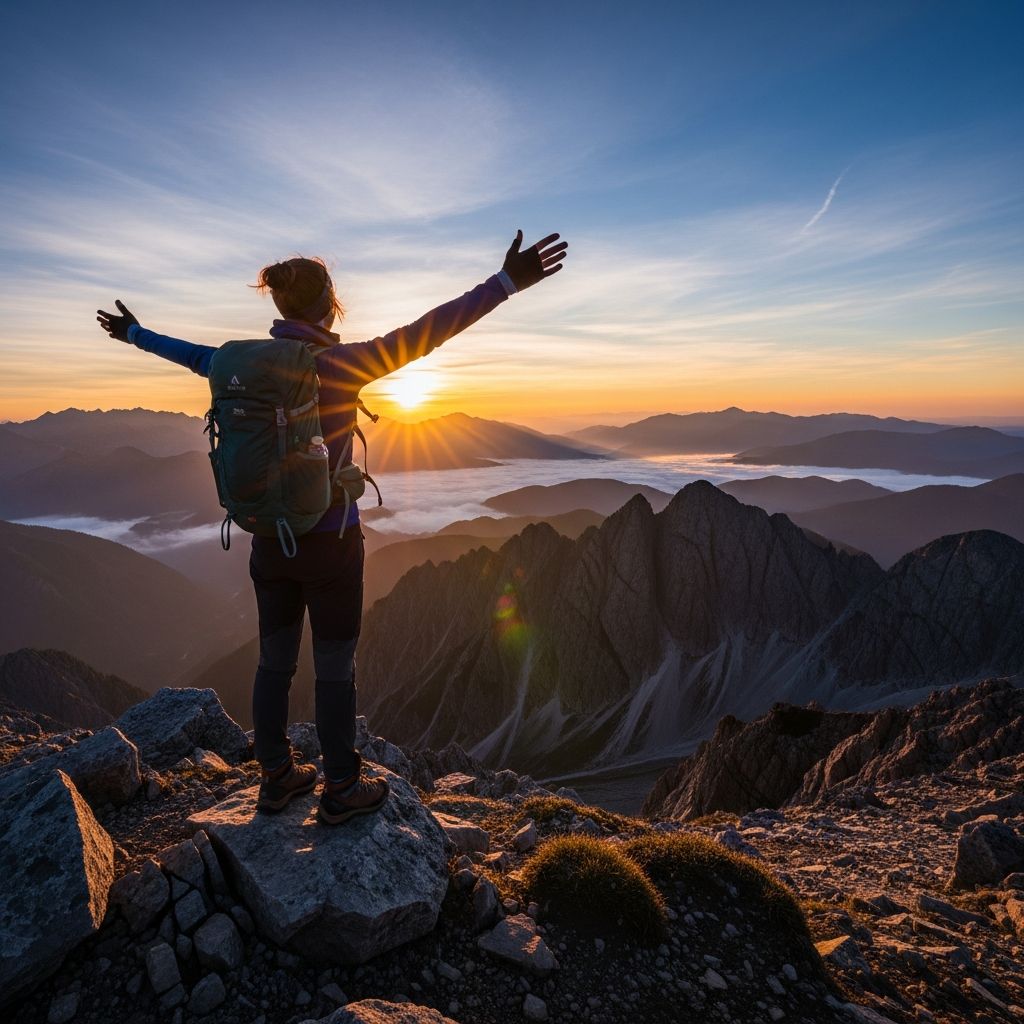
Regular hikers often exhibit qualities that align closely with those of successful entrepreneurs, leaders, and innovators. By embracing the challenges of the trail, they develop a unique blend of physical stamina, mental sharpness, and emotional fortitude that translates seamlessly into high-performance environments. This article delves into 10 transformative ways hiking shapes individuals into more effective, resilient achievers.
1. Mastering Stress for Peak Performance
High-pressure situations are inevitable in ambitious pursuits, but hikers excel at managing them. Exposure to nature during hikes significantly lowers cortisol levels, the hormone responsible for stress responses. A study from Stanford University revealed that just 90 minutes in natural settings reduces activity in the brain’s subgenual prefrontal cortex, a region linked to rumination and negative thought patterns. This biological reset allows hikers to approach challenges with composure, much like executives navigating boardroom crises.
Unlike gym workouts, hiking’s immersive environment—rustling leaves, flowing streams—provides a multisensory distraction that quiets the mind. Over time, this builds a ‘stress inoculation,’ enabling hikers to maintain productivity under deadlines or uncertainty.
2. Building Unbreakable Endurance
Success demands pushing beyond comfort zones, and hiking trains this relentlessly. Ascending steep inclines with a loaded pack strengthens not just muscles but the willpower to persist. Research in the Journal of Applied Physiology shows high-altitude hiking enhances oxygen efficiency, delaying fatigue by up to 35% compared to sea-level training.
This endurance extends mentally: Hikers learn to break daunting trails into manageable segments, a tactic mirrored in goal-setting frameworks like those used by elite athletes and CEOs. The result? A capacity to sustain effort through marathons of work or life transitions.
3. Optimizing Physical Vitality
Peak success requires a robust body as the foundation. Hiking delivers comprehensive fitness: cardiovascular gains from sustained aerobic effort, muscle reinforcement from uneven terrain, and bone density improvements from weight-bearing activity. Austrian research highlights how varied hiking paces influence blood sugar and fat metabolism, aiding metabolic health.
Additionally, trails above 4,000 feet adapt the body to low-oxygen conditions, boosting red blood cell production for superior energy delivery. Hikers thus arrive at their goals energized, not depleted, embodying the vitality of high achievers who prioritize movement.
| Health Metric | Hiking Benefit | Success Impact |
|---|---|---|
| Cardiovascular | Improved heart oxygenation | Sustained energy for long hours |
| Metabolic | Better fat/sugar regulation | Stable focus without crashes |
| Muscular | Core and stabilizer strength | Balance in high-stakes decisions |
4. Sustaining High Energy Levels
Aerobic pursuits like hiking flood tissues with oxygen and nutrients, amplifying alertness and agility. This isn’t fleeting; consistent trail time enhances lung capacity and mitochondrial efficiency, providing a steady energy reservoir. Hikers report heightened vitality that combats afternoon slumps, crucial for innovators iterating late into evenings.
5. Sharpening Laser Focus
In a world of pings and notifications, focus is a superpower. Hiking strips away digital noise, allowing the brain to consolidate attention. Greater Good Science Center notes hiking outperforms indoor cardio for cognitive sharpness, likely due to nature’s restorative effects. Trails demand vigilant navigation—spotting roots, gauging distances—which hones selective attention transferable to deep work sessions.
Hikers return with decluttered minds, primed for strategic planning or creative breakthroughs.
6. Cultivating Self-Reliance
Trails teach independence: No cell service, unfamiliar paths force self-navigation and problem-solving. This mirrors career metaphors in medical literature, where long-distance hikes symbolize plotting professional trajectories amid obstacles. Hikers pack wisely, anticipate weather, fostering resilience that empowers solo ventures or leadership roles.
7. Unlocking Creative Potential
Nature sparks innovation. A study found backpackers’ creativity scores surged 50% after four days offline. By relaxing rigid thought patterns, hiking restores ‘diffuse attention,’ ideal for idea generation. Corporate teams leverage this via treks, noting boosted innovation from shared outdoor challenges. High achievers harness this for novel solutions.
- Disconnect to Reconnect: No screens = mental whitespace for insights.
- Sensory Stimulation: Varied landscapes inspire metaphorical thinking.
- Group Dynamics: Trail talks yield unexpected collaborations.
8. Enhancing Memory and Cognition
Daily multitasking erodes recall, but hiking counters this. Nature immersion triggers brain changes boosting memory consolidation and cognitive flexibility. WTA research links trail time to expanded attention spans and problem-solving prowess. Successful professionals, like hikers, retain details amid complexity, turning experiences into actionable wisdom.
9. Fostering Team Synergy
Group hikes build unbreakable bonds. Navigating obstacles demands clear communication and mutual reliance, directly improving workplace trust. Unlike office retreats, trails reveal true dynamics—leaders emerge, support networks solidify—translating to cohesive teams driving results.
10. Embracing Gratitude and Perspective
Hikers cherish basics: a summit view, a shared meal. This grounds ambition, preventing burnout. U.S. National Park Service affirms nature time curbs depression risk via awe. Achievers who hike balance hustle with appreciation, sustaining long-term motivation.
Practical Strategies to Hike Your Way to Success
Integrate hiking deliberately:
- Weekly Trails: 3-5 hours builds habits without overwhelm.
- Progression: Start flat, advance to peaks for endurance gains.
- Mindful Pace: Use hikes for reflection or podcasts on goals.
- Group or Solo: Alternate for social/individual growth.
- Track Metrics: Log mood, energy post-hike to quantify wins.
Pair with nutrition: Hydrate, fuel with complex carbs for maximal benefits.
Frequently Asked Questions (FAQs)
Can beginners start hiking for success benefits?
Absolutely. Begin with short, easy trails to build confidence and reap cognitive perks immediately.
How does hiking differ from gym workouts for success traits?
Hiking adds nature’s mental boost and variable terrain for holistic gains beyond cardio.
Is group hiking better for career networking?
Yes, it fosters authentic bonds and communication superior to meetings.
How soon do benefits like focus improvement appear?
Studies show mood and attention lifts after one session, compounding weekly.
What’s the ideal hike duration for high achievers?
90 minutes to 4 hours; longer for creativity surges.
Conclusion: Step Onto the Trail to Success
Hiking equips you with the full spectrum of success tools—from fortified body and mind to inspired vision. High achievers intuitively adopt this practice; now it’s your turn to lace up and transform.
References
- 10 Reasons Why Hikers Are More Likely to Be Successful — LifeHack. 2016. https://www.lifehack.org/articles/productivity/10-reasons-why-hikers-are-more-likely-successful.html
- Why Hiking and Trekking Are Perfect for Corporate Team Building — ECC Adventures. Accessed 2026. https://eccadventures.com/why-hiking-and-trekking-are-perfect-for-corporate-team-building/
- Five Ways Hiking Is Good for You — Greater Good Magazine, UC Berkeley. 2016-04-27. https://greatergood.berkeley.edu/article/item/five_ways_hiking_is_good_for_you
- Mind & Body: What Hiking Does for Your Mental and Physical Health — Washington Trails Association. Accessed 2026. https://www.wta.org/go-outside/new-to-hiking/mind-body-what-hiking-does-for-your-mental-and-physical-health
- Career Development as a Long-distance Hike — PMC/NIH. 2008. https://pmc.ncbi.nlm.nih.gov/articles/PMC2607504/
- Benefits of Hiking — U.S. National Park Service (.gov). Accessed 2026. https://www.nps.gov/subjects/trails/benefits-of-hiking.htm

- Integrated M.A. in Applied Linguistics, University of Hyderabad
- 5+ years in editorial, instructional, SEO, and research-based writing
Sneha is a relationships and lifestyle writer with a strong foundation in applied linguistics and certified training in relationship coaching. She brings over five years of writing experience to theskillvault, crafting thoughtful, research-driven content that empowers readers to build healthier relationships, boost emotional well-being, and embrace holistic living. Her writing and insights reflect the belief that beauty, happiness, and wellness…