
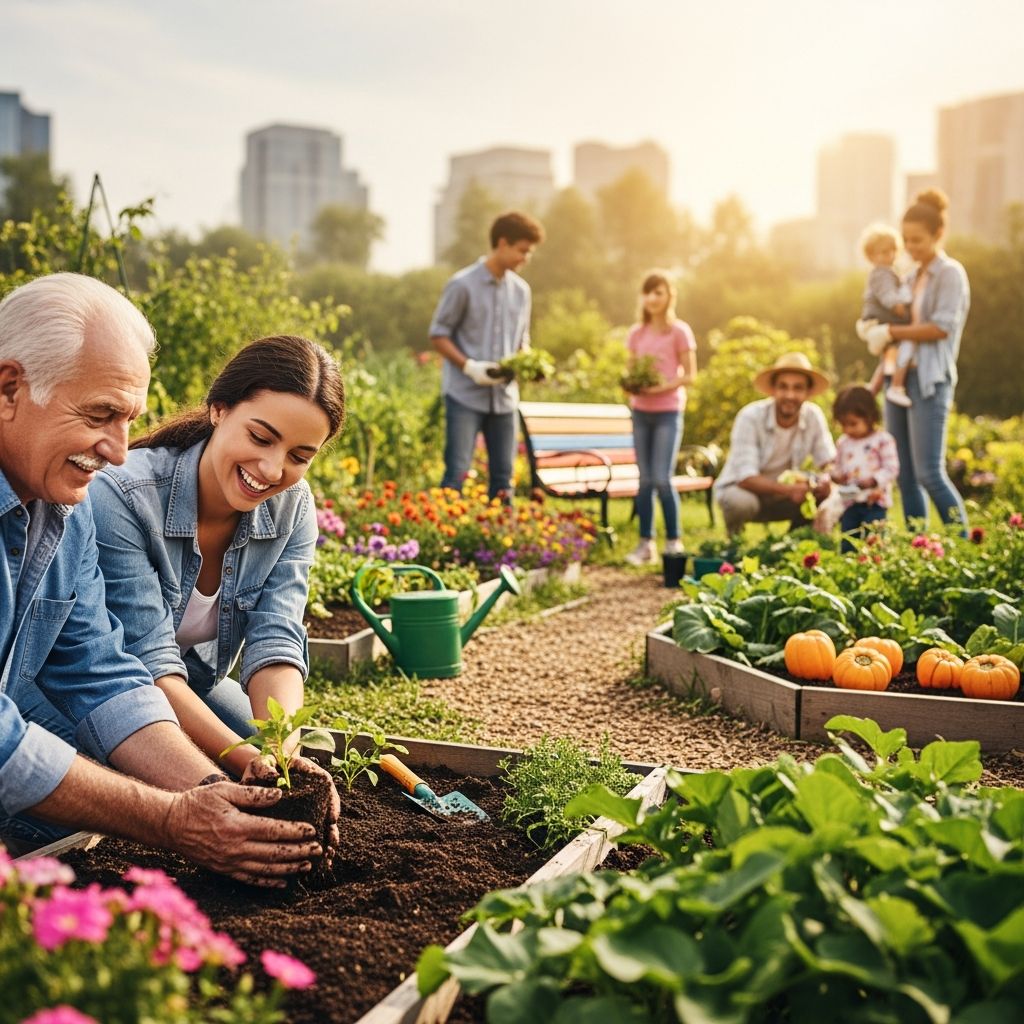
The decision to contribute your time and energy to causes beyond yourself represents one of the most powerful investments you can make in your future. While many people associate volunteering primarily with helping others, research increasingly demonstrates that service work creates a reciprocal benefit—those who give freely often experience the most profound personal transformations. Whether you’re navigating a career transition, seeking deeper connections, or hoping to enhance your overall quality of life, volunteering offers a multifaceted pathway to achieving these goals.
Strengthening Your Physical and Mental Foundation
One of the most compelling reasons to embrace volunteer work involves the measurable health improvements that consistently emerge from research studies. Individuals who dedicate themselves to service activities demonstrate remarkable improvements across multiple health markers compared to their non-volunteering counterparts. The relationship between volunteering and wellness extends beyond temporary mood boosts—it represents a fundamental shift in how your body and mind function.
The physical benefits stem partly from the inherent activity involved in most volunteer roles. Whether you’re building homes, organizing community events, or providing direct care, volunteer work naturally incorporates movement and physical engagement. Beyond the exercise component, research from Carnegie Mellon University reveals that older adults who volunteer for at least 200 hours annually decrease their risk of high blood pressure by 40 percent, substantially lowering their vulnerability to heart disease and stroke.
Mental health improvements represent equally significant advantages. Volunteers experience substantially lower rates of depression and anxiety compared to non-volunteers, with particularly pronounced benefits for adults aged 65 and older. The mechanism behind this improvement involves multiple factors working in concert. Volunteering reduces stress by releasing dopamine—the neurotransmitter associated with pleasure and reward—creating a tangible sense of meaning and appreciation. This stress reduction cascades into broader health protections, reducing vulnerability to various physical and mental health conditions.
Research demonstrates that volunteers report higher self-esteem, greater life satisfaction, and enhanced overall happiness compared to those who don’t engage in service work. The improvement isn’t merely temporary; longitudinal studies tracking individuals over decades reveal that happiness levels actually increase the longer someone maintains a volunteering practice.
Protecting and Enhancing Cognitive Health
As people age, maintaining cognitive function becomes increasingly important for independence and quality of life. Volunteering emerges as a powerful intervention for preserving mental acuity and protecting against age-related cognitive decline. Research presented at the 2023 Alzheimer’s Association International Conference indicates that volunteering may help preserve cognitive function and guard against dementia.
The cognitive benefits arise from multiple dimensions of volunteer work. First, volunteering typically maintains or increases physical activity levels, which directly benefits brain health. Second, service work reduces social isolation—a significant risk factor for cognitive decline—by connecting individuals with communities and fellow volunteers. Third, volunteer roles consistently provide cognitive stimulation through learning new information, solving problems, and engaging with novel situations.
When you volunteer, you’re actively engaged in the learning process. You acquire knowledge about organizations, causes, and the people you serve. You often share this knowledge with others, reinforcing your own learning while teaching others. This continuous engagement of memory and critical thinking skills exercises your brain in ways that prevent deterioration and support long-term cognitive health. Mental engagement through volunteering essentially functions as preventative medicine for age-related cognitive decline.
Discovering Profound Purpose and Direction
Many people experience a pervasive sense of disconnection from meaningful purpose, particularly during transitions or challenging life periods. Volunteering provides a powerful antidote to this existential drift by offering tangible, visible ways to contribute to something larger than yourself. The Mayo Clinic reports that volunteers who feel a genuine connection to their work experience a distinct sense of purpose, especially when contributing in areas they find personally meaningful.
The impact of purpose on overall life satisfaction proves particularly pronounced for older adults. Those who volunteer experience significantly greater increases in life satisfaction and self-esteem compared to peers who don’t engage in service work. This sense of purpose extends beyond emotional satisfaction—it fundamentally influences how people perceive their value and contribution to the world.
Purpose derived from volunteering differs qualitatively from many other sources of meaning. It’s grounded in direct action, concrete outcomes, and the knowledge that your efforts genuinely matter to real people and communities. This tangible connection between effort and impact creates psychological reinforcement that sustains motivation and deepens commitment over time.
Cultivating a Stronger Sense of Community Connection
Modern life often fragments our connections, creating isolated individuals who rarely encounter genuine community. Volunteering reverses this trend by positioning you within networks of similarly committed individuals united by shared values. Through volunteer work, you develop relationships with fellow volunteers and become integrated into community structures that extend far beyond the specific service activity.
These connections create cascading benefits. Research demonstrates that volunteering increases social support from both other volunteers and from friends and neighbors. This expanded social network produces knock-on effects—an increased number of friendships actually increases social integration and strengthens social connectedness, which in turn increases motivations for continued engagement. You’re not just volunteering; you’re joining a community of purpose.
For individuals experiencing social isolation or loneliness, volunteering provides a particularly valuable pathway to meaningful connection. The reciprocal nature of volunteer relationships—where volunteers are valued partners rather than passive recipients of help—creates a foundation for genuine connection that often proves more satisfying than relationships built through conventional social mechanisms.
Building and Advancing Professional Competencies
Beyond personal fulfillment, volunteer work functions as a sophisticated professional development tool. Skills-based volunteering—contributing using specialized knowledge, talents, or professional expertise—strengthens existing capabilities while facilitating development of new competencies. This dimension of volunteering proves particularly valuable for early-career professionals seeking to expand their capabilities or for those transitioning between career stages.
Volunteering enhances what employers term “soft skills”—communication, problem-solving, leadership, and teamwork—all critical for career advancement regardless of industry. These skills develop naturally through volunteer roles as you navigate complex situations, coordinate with diverse individuals, and tackle real-world challenges. Unlike classroom-based training, these skills develop through authentic practice in meaningful contexts.
The workplace benefits extend beyond individual skill development. Millennials who volunteer through company-sponsored programs demonstrate greater pride, loyalty, and satisfaction with their employers. Frequent volunteers are twice as likely to rate themselves as “very satisfied” with career progression and two times more likely to perceive their company culture as “very positive” compared with those who rarely volunteer. For individuals navigating career challenges or seeking greater workplace fulfillment, volunteering—particularly when aligned with company values—can meaningfully enhance career trajectory and satisfaction.
Enhancing Your Appeal to Future Employers
Hiring managers increasingly recognize volunteering as an indicator of character and capability. Volunteers may be viewed more favorably as job candidates, as they demonstrate commitment to causes beyond self-interest and possess stronger soft skills essential for effective workplace performance. Your volunteer experience becomes a concrete demonstration of your values and capabilities.
For those facing employment gaps, career transitions, or seeking to differentiate themselves in competitive job markets, volunteer experience provides valuable portfolio-building opportunities. You’re not simply passing time—you’re actively developing capabilities, expanding networks, and building a narrative of purposeful action that resonates with sophisticated employers.
Expanding Your Social and Romantic Connections
An often-overlooked dimension of volunteering involves its potential to expand your social circle and create opportunities for meaningful relationships, including romantic connections. Research from the Leukemia and Lymphoma Society reveals that more than 80 percent of people would feel more comfortable dating someone they met through volunteering than through online dating platforms. This preference reflects the shared values, demonstrated character, and collaborative context that volunteering provides.
Additionally, one in ten people surveyed found a new romantic interest through volunteering. While finding love may not be your primary volunteering motivation, the natural connection between shared purpose, authentic interaction, and genuine character assessment creates an environment where meaningful relationships naturally develop. You meet people united by common values, already engaged in purposeful action together.
Boosting Children’s and Young Adults’ Development
The benefits of volunteering extend powerfully to younger populations. Research published in JAMA Network demonstrates that children who volunteer within a year exhibit better physical and mental health, along with a more positive outlook, compared to non-volunteering peers. Young volunteers also demonstrate significantly lower rates of depression, anxiety, and behavioral problems.
Youth who participate in mentoring and volunteer programs show remarkable protective effects against substance abuse and violence. High school students who volunteer are 46 percent less likely to initiate drug use during the study period, while minority students demonstrate even more dramatic reductions of 70 percent. These young people skip fewer school days and demonstrate improved academic achievement compared to non-volunteers.
For parents seeking to instill values and help children develop resilience, confidence, and compassion, introducing youth to volunteer opportunities provides experiential learning that classroom instruction cannot replicate. Children develop competence through authentic contribution, build networks with positive role models, and internalize the rewards of service.
Experiencing Sustained Happiness and Life Satisfaction
Perhaps the most fundamental benefit of volunteering involves the lasting happiness improvements that accompany sustained service. Research published in the Journal of Happiness Studies demonstrates that volunteers become happier over time, with individuals starting volunteering during periods of low happiness experiencing the most significant happiness boosts. This improvement isn’t temporary or superficial—it reflects genuine shifts in how people experience their lives.
The happiness mechanism operates through multiple pathways. Volunteers report a “helper’s high”—temporary elation following service activities—but benefits extend far beyond this immediate reward. Volunteering for just 1-2 hours weekly correlates with improved mood and higher happiness levels that persist over time. Longitudinal studies tracking individuals for two decades reveal that volunteers weren’t merely happier at baseline; their happiness actually increased the longer they volunteered.
This sustained happiness improvement suggests that volunteering creates upward spirals where initial satisfaction encourages continued engagement, deeper relationship development, and increasing sense of purpose—all factors that compound happiness over time. You’re not simply feeling temporarily good; you’re participating in a practice that systematically enhances your capacity for happiness and life satisfaction.
Starting Your Volunteer Journey
The evidence supporting volunteering is overwhelming and multifaceted. Whether your primary motivation involves health improvement, career advancement, community connection, or personal fulfillment, volunteer work offers pathways toward meaningful change. The question isn’t whether volunteering might help you—research consistently confirms it will—but rather which causes align with your values and where you might direct your distinctive capabilities.
Begin by identifying organizations or causes that genuinely resonate with you. Your commitment will prove more sustainable when grounded in authentic passion rather than obligation. Consider starting with modest time commitments—research suggests even 1-2 hours weekly produces measurable benefits. Connect with local volunteer centers, nonprofit organizations, or community groups aligned with your interests.
Remember that volunteering is fundamentally reciprocal. While you contribute valuable time and energy, you simultaneously receive substantial returns through improved health, expanded connections, enhanced skills, and deepened purpose. This isn’t altruism that requires self-sacrifice; it’s an exchange where both parties emerge enriched.
Frequently Asked Questions
Q: How much time do I need to volunteer to experience health benefits?
A: Research indicates that volunteering for 1-2 hours weekly correlates with improved mood and happiness. For more substantial health benefits like blood pressure reduction, 200 annual hours appears to be a meaningful threshold. However, even smaller time commitments produce measurable improvements in mental health and life satisfaction.
Q: Is volunteering beneficial for people of all ages?
A: Yes, research documents benefits across all age groups. Children show improved physical and mental health, working-age adults experience career benefits and community connection, and older adults show particularly pronounced improvements in physical health, cognitive function, and life satisfaction.
Q: Can volunteering really help prevent dementia?
A: Research presented at the 2023 Alzheimer’s Association International Conference suggests volunteering may help preserve cognitive function and guard against dementia through multiple mechanisms: maintaining physical activity, reducing social isolation, and providing cognitive stimulation.
Q: How does volunteering improve career prospects?
A: Volunteering develops soft skills like communication and problem-solving, provides tangible portfolio-building experience, and demonstrates character and commitment to values that employers value. Volunteers are often perceived as more employable candidates.
Q: What if I’m too busy to volunteer?
A: Start small. Research shows that even 1-2 hours weekly produces measurable benefits. Many organizations offer flexible scheduling to accommodate busy professionals. The health and happiness improvements from volunteering often create time benefits by reducing stress and improving overall functioning.
Q: Can volunteering really help me meet romantic partners?
A: While meeting romantic partners shouldn’t be your primary motivation, research shows that more than 80 percent of people would prefer dating someone met through volunteering versus online dating platforms, and one in ten survey respondents found romantic partners through volunteering.
References
- 10 Scientifically Backed Benefits of Volunteering — AARP Create the Good. 2025. https://createthegood.aarp.org/volunteer-ideas/make-your-year-better.html
- Exploring the Effects of Volunteering on the Social, Mental, and Physical Health of Older Adults — PubMed Central, National Institute of Health. 2023. https://pmc.ncbi.nlm.nih.gov/articles/PMC10159229/
- The Benefits of Volunteering — New York Cares. 2025. https://www.newyorkcares.org/benefits-volunteering
- Volunteering Is Good for Your Health — Community Mental Health Centers. 2024. https://www.mycmh.org/news-articles/2024/april/volunteering-is-good-for-your-health/
- Helping People, Changing Lives: 3 Health Benefits of Volunteering — Mayo Clinic Health System. 2025. https://www.mayoclinichealthsystem.org/hometown-health/speaking-of-health/3-health-benefits-of-volunteering
- Why Volunteering? — Volunteer Iowa. 2025. https://volunteer.iowa.gov/volunteering/individuals/benefits-volunteering
- The Health Benefits of Volunteerism — VolunteerHub. 2025. https://volunteerhub.com/blog/the-health-benefits-of-volunteerism

- Integrated M.A. in Applied Linguistics, University of Hyderabad
- 5+ years in editorial, instructional, SEO, and research-based writing
Sneha is a relationships and lifestyle writer with a strong foundation in applied linguistics and certified training in relationship coaching. She brings over five years of writing experience to theskillvault, crafting thoughtful, research-driven content that empowers readers to build healthier relationships, boost emotional well-being, and embrace holistic living. Her writing and insights reflect the belief that beauty, happiness, and wellness…