
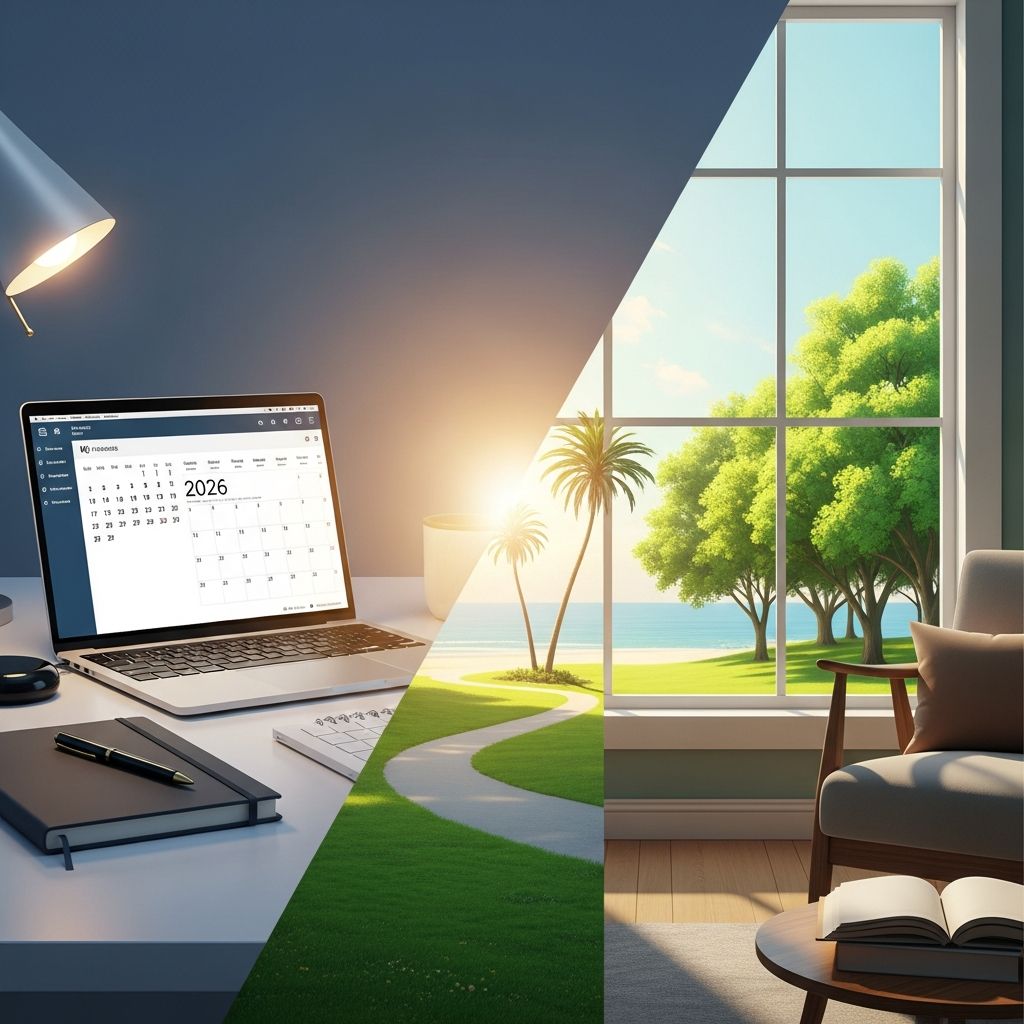
Understanding Modern Work-Life Equilibrium
The concept of work-life balance has undergone significant transformation over the past several years. What once meant rigidly adhering to a 9-to-5 schedule has evolved into a more nuanced understanding of how professionals can integrate their career aspirations with personal fulfillment. In today’s hybrid and remote-work landscape, the traditional separation between office hours and personal time has become increasingly blurred, requiring a fresh perspective on how we approach professional and personal responsibilities.
Rather than viewing work and life as opposing forces competing for your attention, modern equilibrium emphasizes integration and intentionality. This shift reflects changing employee expectations and the recognition that sustainable productivity comes from allowing individuals to work in ways that align with their unique circumstances, energy levels, and priorities. Organizations that embrace this philosophy report stronger employee engagement, reduced turnover, and enhanced innovation.
Establishing Firm Boundaries Without Rigidity
One of the most fundamental steps toward achieving equilibrium is creating clear boundaries between professional and personal time. However, this doesn’t necessarily mean maintaining a strict 9-to-5 schedule or completely disconnecting from work outside designated hours.
Begin by defining your working hours explicitly and communicating them to colleagues, clients, and supervisors. If you work in a field with billable hours or client expectations, this conversation becomes even more critical. Document your working hours in your email signature, voicemail greeting, and calendar to reinforce these boundaries consistently.
Consider these boundary-setting approaches:
- Email management: Disable email notifications after your designated work hours and avoid checking messages during personal time. Establish a specific window each morning and evening for email processing.
- Scheduled communication: Decline unscheduled calls and meetings that fall outside your working hours unless they represent genuine emergencies.
- Physical separation: If working remotely, create a dedicated workspace that you can physically leave at the end of your workday, signaling a mental transition to personal time.
- Technology boundaries: Use “Do Not Disturb” features on your devices and remove work applications from your personal phone if possible.
Optimizing Your Schedule Through Strategic Time-Blocking
Rather than allowing your day to unfold reactively, deliberately allocate specific time blocks for different categories of activities. This approach recognizes that you already block time for meetings and appointments, so why not extend this principle to protect time for personal well-being?
Time-blocking involves analyzing your natural productivity patterns and structuring your schedule accordingly. If you perform your most complex work in the morning hours, reserve that block for high-priority tasks requiring deep focus. If you experience an afternoon energy dip, schedule lighter administrative work, exercise, or a brief walk away from your desk during that period.
Practical time-blocking strategies include:
- Identifying your peak performance windows and scheduling demanding work during these periods
- Reserving specific blocks for deep work without interruptions or meetings
- Scheduling regular breaks, meals, and physical activity as non-negotiable calendar items
- Allocating time blocks for personal goals and hobbies weekly rather than daily
- Creating transition time between different types of activities to reset mentally
This structured approach allows you to accomplish professional objectives while ensuring personal activities receive dedicated attention and resources.
Prioritizing Your Health and Well-Being
Your physical, emotional, and mental health form the foundation for sustainable productivity and genuine equilibrium. When health deteriorates, work performance inevitably suffers, creating a counterproductive cycle that undermines your balance objectives.
Establish non-negotiable health practices as core components of your routine:
- Physical wellness: Dedicate at least 30 minutes daily to activities promoting physical health, including exercise, outdoor time, or recreational activities you enjoy.
- Mental health: Implement daily practices such as meditation, mindfulness exercises, journaling, or gratitude reflection to support psychological well-being.
- Emotional connection: Maintain relationships with family and friends through regular communication and in-person interaction, even when schedules feel constrained.
- Sleep quality: Protect adequate sleep by establishing consistent bedtime routines and avoiding work-related activities before sleep.
- Nutrition: Prioritize balanced meals and hydration rather than skipping meals or relying on quick, nutrient-poor options during busy periods.
These investments in your health directly enhance your capacity to manage professional demands while maintaining personal satisfaction.
Mastering the Art of Strategic Refusal
Achieving equilibrium requires developing the ability to decline requests and opportunities that don’t align with your priorities or capacity. Many professionals struggle with saying “no” due to fear of missing out, concern about disappointing others, or worries about career implications.
However, accepting every request inevitably leads to overcommitment, stress, and the deterioration of both work quality and personal life. Instead, evaluate opportunities against your established priorities and current capacity. A thoughtful refusal protects your energy for high-impact work and personal commitments.
When declining requests, offer a brief explanation and, when appropriate, suggest alternatives or resources that could help fulfill the need. This approach demonstrates professionalism and thoughtfulness while honoring your boundaries.
Maximizing Break Quality and Frequency
Research demonstrates that people are not designed to work continuously without interruption. Counterintuitively, regular breaks actually increase productivity rather than diminish it. Studies indicate that the most productive employees take approximately 17-minute breaks following every 52 minutes of focused work.
However, the quality of your breaks matters significantly. Using break time to check work emails or scroll through industry news provides minimal restoration and fails to interrupt the work cycle. Instead, use breaks intentionally to genuinely disconnect and rejuvenate:
- Take brief walks outside to gain fresh air and natural light exposure
- Practice quick stretching or movement exercises to reduce physical tension
- Engage in a brief meditation or breathing exercise
- Have a meaningful conversation with a colleague unrelated to work
- Enjoy a nutritious snack or beverage mindfully
- Step away from screens entirely for your break duration
By using breaks for genuine restoration, you return to work with renewed focus and energy, ultimately enhancing both productivity and well-being.
Designing a Realistic and Flexible Schedule
The idealized 8-8-8 schedule—eight hours working, eight hours with family and hobbies, eight hours sleeping—rarely reflects real life. Life is inherently unpredictable, and some weeks will demand more time for work while others require greater focus on personal matters.
Rather than attempting to maintain identical schedules daily, establish a more flexible framework. Define your major personal and professional goals for the week, then work toward them with realistic time allocations. For example, if you want to dedicate significant time to a personal project, outline the total weekly hours needed and identify when you can reasonably accomplish this, then adjust other commitments accordingly.
This approach acknowledges life’s variability while maintaining commitment to your important goals. If you skip a workout one day due to work demands, you can compensate during another day rather than abandoning the goal entirely.
Leveraging Flexibility in Modern Work Environments
The evolution toward flexible work arrangements represents one of the most significant shifts in how organizations structure employment. Flexible scheduling, remote work options, and asynchronous collaboration enable employees to align their work with personal rhythms rather than forcing personal life to conform to arbitrary scheduling.
If your organization offers flexibility, take full advantage by crafting a schedule that genuinely serves your needs. This might involve starting work early if you’re a morning person, taking a longer midday break for personal appointments, or working from a location that minimizes commute time.
Communicate with supervisors about your flexibility needs and how your proposed arrangement maintains or enhances your productivity and deliverables. When framed around outcomes rather than presence, most managers recognize the mutual benefits of customized scheduling.
Building a Personal Balance Blueprint
There is no universal formula for equilibrium; what works optimally for one person may be entirely unsuitable for another. Your effective balance blueprint should reflect your personal values, life stage, career aspirations, and individual circumstances.
Consider these factors when developing your personalized approach:
- Your natural productivity patterns and preferred work style
- Family responsibilities and time commitments
- Health and wellness priorities
- Career development objectives and required time investment
- Hobbies and activities that bring personal fulfillment
- Financial goals and required income levels
- Relationship maintenance and social connection needs
Write your balance blueprint explicitly, documenting how you intend to allocate time across these categories and what success looks like for you. Review and adjust this blueprint periodically as circumstances change.
Communicating Your Needs to Leadership
Many professionals assume their organization won’t support work-life balance improvements without explicitly raising the discussion. In reality, most employers recognize that supporting employee well-being directly impacts retention, productivity, and organizational performance.
Approach conversations about balance needs professionally and solution-oriented. Rather than complaining about overwork, propose specific arrangements that would improve your performance and well-being. Emphasize how the proposed changes would benefit both you and the organization.
Potential arrangements to discuss include compressed workweeks, flexible scheduling, remote work options, job sharing, or adjusted responsibilities that better align with your capacity. Frame these requests around outcomes and performance rather than personal preferences.
Creating Sustainable Performance Culture
From an organizational perspective, work-life balance has evolved from a nice-to-have benefit into a strategic imperative for sustainable performance. Companies that systematically build balance into their culture through clear expectations, predictable work, adequate resources for regeneration, and psychologically safe environments experience better employee retention and performance.
Forward-thinking organizations are implementing:
- Outcome-based performance management rather than hour-based evaluation
- Comprehensive mental health resources and stress management support
- Flexible work arrangements across all levels and departments
- Clear communication about workload expectations and deadlines
- Regular assessment of employee well-being through surveys and feedback
- Leadership modeling of sustainable work practices and boundary-setting
- Professional development in time management and stress reduction techniques
The Integration Model: Beyond Traditional Balance
Emerging research suggests that the future of work-life harmony involves integration rather than strict separation. Instead of compartmentalizing work and personal life as completely separate domains, many professionals increasingly expect their work to align with their values and support their overall life goals.
This integration approach acknowledges that work is part of life, not something to be endured before “real life” begins. When professional activities contribute to your sense of purpose and allow you to support your family while pursuing meaningful work, the artificial boundary between “work life” and “personal life” becomes less relevant.
Organizations fostering this integration—where employees can bring their whole selves to work, where company values align with employee values, and where the mission contributes to broader social good—find that employees report greater satisfaction and commitment.
Technology as a Tool for Balance, Not an Obstacle
Digital tools can either support or undermine work-life equilibrium depending on how you deploy them. Email, messaging apps, and collaboration platforms enable flexibility but can also create an “always-on” expectation if not managed intentionally.
Use technology strategically to enhance balance:
- Leverage automation to eliminate repetitive administrative tasks
- Implement scheduling tools that streamline meeting coordination
- Use project management systems to clarify expectations and reduce redundant communication
- Set up filters and rules to reduce information overload
- Utilize “focus” or “do not disturb” modes to protect deep work periods
- Employ time-tracking tools to understand where your time actually goes
Conversely, be intentional about disconnecting from technology during personal time. The same devices that enable flexibility should not become chains that prevent genuine disconnection.
Frequently Asked Questions
Q: Is work-life balance the same as work-life integration?
A: Not entirely. Balance suggests maintaining clear separation between work and personal domains, while integration acknowledges that work and life are intertwined and seeks to align them meaningfully. Many professionals today prefer integration, where work supports their overall life goals and values, rather than strict compartmentalization.
Q: How do I set boundaries when working in a client-facing or billable-hours profession?
A: Even in demanding fields, boundaries are essential for sustainability. Communicate your working hours clearly to clients, include them in your email signature and voicemail, and schedule dedicated times for client communication rather than being available 24/7. Many high-performing professionals in these fields find that reliable availability during stated hours actually builds client trust more effectively than constant accessibility.
Q: What should I do if my organization doesn’t support flexible work arrangements?
A: First, have a conversation with your manager about how specific accommodations could improve your performance and retention. If your organization resists flexibility despite demonstrated benefits, evaluate whether this cultural misalignment is sustainable for your long-term well-being. Many organizations are evolving their policies, and exploring roles in more progressive companies may ultimately serve your equilibrium better.
Q: How can I achieve balance when my industry has unpredictable demands?
A: Focus on creating balance over longer timeframes—weekly or monthly—rather than daily. During intensive project periods, accept that balance will shift toward work, but plan recovery time immediately following these periods. Maintain non-negotiable health practices even during demanding seasons, as these become more important when stressed. Communicate with your organization about realistic capacity to prevent chronic overload.
Q: Should I check work emails during personal time?
A: Establishing a discipline of not checking work communications during personal hours is crucial for genuine disconnection and recovery. If emergencies are genuinely rare in your field, protecting evenings and weekends from email will likely improve your well-being and productivity without negatively impacting work outcomes.
References
- Work-Life Balance Is Evolving: What It Will Look Like in 2026 and Beyond — Mondo. 2026. https://mondo.com/insights/work-life-balance-is-evolving-what-it-will-look-like-in-2026-and-beyond/
- Get it Together: Work-Life Balance in 2026 — Pennsylvania Bar Institute. 2026. https://www.pbi.org/blog/get-it-together-work-life-balance-in-2026/
- 6 Guaranteed Ways to Improve Work-Life Balance in 2026 — NovoResume. 2026. https://novoresume.com/career-blog/work-life-balance
- Rethinking Work-Life Balance: What You Need to Know — WorldatWork. https://worldatwork.org/publications/workspan-daily/rethinking-work-life-balance-what-you-need-to-know
- Work-life balance in 2026: a strategic topic for HR and CEO — We Are for Humans. 2026. https://www.weareforhumans.com/en/blog/work-life-balance-in-2026/

- Integrated M.A. in Applied Linguistics, University of Hyderabad
- 5+ years in editorial, instructional, SEO, and research-based writing
Sneha is a relationships and lifestyle writer with a strong foundation in applied linguistics and certified training in relationship coaching. She brings over five years of writing experience to theskillvault, crafting thoughtful, research-driven content that empowers readers to build healthier relationships, boost emotional well-being, and embrace holistic living. Her writing and insights reflect the belief that beauty, happiness, and wellness…