
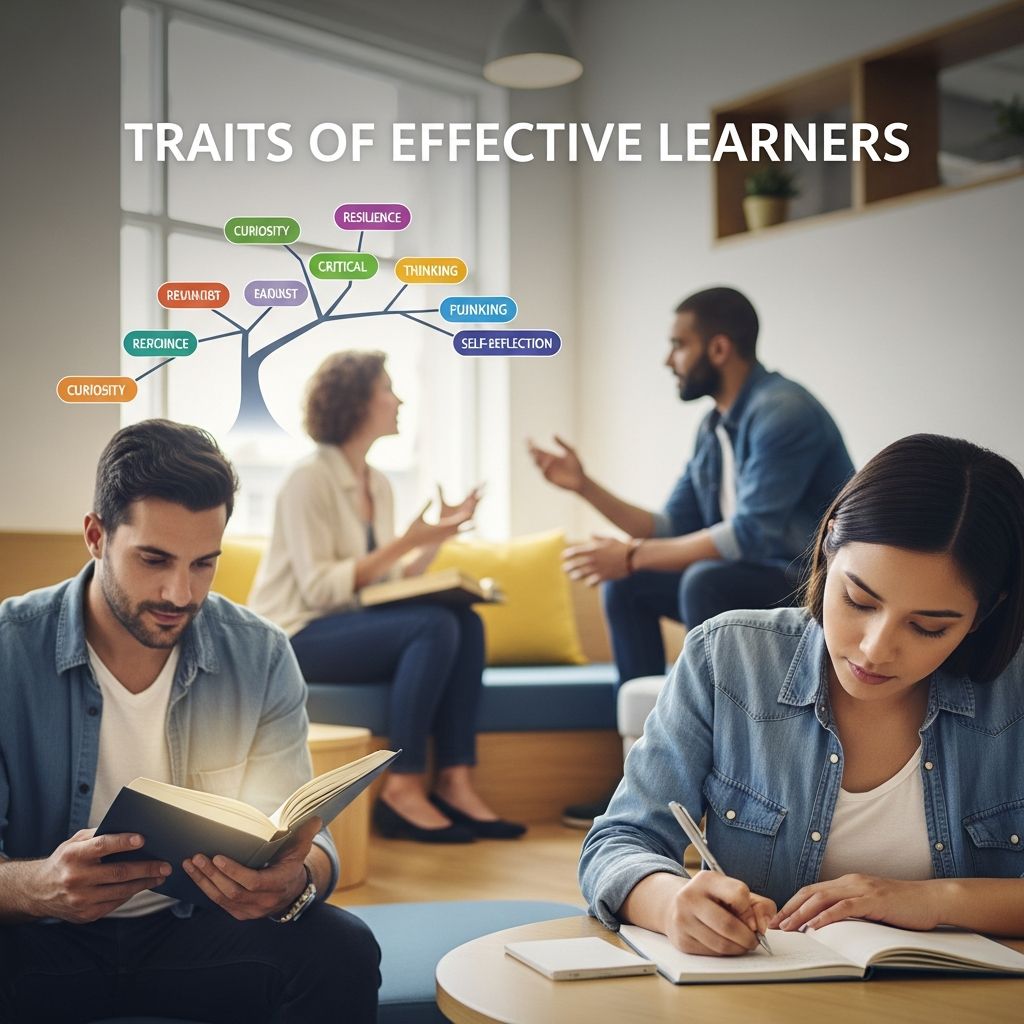
Effective learners consistently achieve their educational goals through a combination of mindset, habits, and behaviors that enable them to navigate challenges and maximize opportunities. These individuals stand out by demonstrating proactive engagement with knowledge, adaptability in dynamic environments, and a commitment to personal growth that extends beyond formal schooling.
Building a Foundation of Intrinsic Drive
At the heart of effective learning lies intrinsic motivation, a powerful internal force that propels students to pursue knowledge for its own sake rather than external rewards. Research on student characteristics shows that those with high intrinsic goal orientation perceive learning activities as inherently valuable, leading to deeper engagement and better outcomes in interactive sessions. This drive manifests as a passion for discovery, where learners actively seek out topics that spark curiosity, fueling sustained effort even without supervision.
Self-discipline complements this motivation by enabling learners to maintain focus amid distractions. Students who cultivate self-discipline minimize interruptions, adhere to structured routines, and take ownership of their progress, bouncing back from setbacks with renewed determination. For instance, disciplined learners prioritize study schedules, resist procrastination, and consistently apply effort regulation strategies to complete tasks efficiently.
- Identify personal interests to harness natural enthusiasm.
- Establish daily rituals that reinforce productive behaviors.
- Track progress to build momentum and accountability.
Cultivating Curiosity and Critical Thinking
Curiosity drives effective learners to question assumptions and explore beyond surface-level understanding. They engage deeply with their surroundings, challenging conventional ideas and thinking independently to form original insights. This trait encourages relentless inquiry, turning passive reception into active exploration.
Critical thinking builds on curiosity, empowering learners to analyze information objectively, evaluate evidence, and make informed decisions. Goal-oriented students, in particular, channel this skill to break down complex objectives into actionable steps, ensuring steady advancement toward meaningful achievements.
| Trait | Benefit | Example Application |
|---|---|---|
| Curiosity | Promotes deeper understanding | Researching unanswered questions independently |
| Critical Thinking | Enhances problem-solving | Analyzing multiple viewpoints before concluding |
| Objectivity | Reduces bias in learning | Setting clear, measurable goals |
Mastering Time and Organization Skills
Punctuality and organization are hallmarks of effective learners, allowing them to optimize productivity and meet deadlines reliably. Time management skills transform chaotic schedules into efficient workflows, enabling students to balance academics, extracurriculars, and rest. Organized individuals use tools like planners and digital apps to prioritize tasks, preventing overload and ensuring consistent performance.
Resourcefulness further amplifies these skills, as learners adeptly leverage available tools, networks, and digital resources to overcome obstacles. Adult learners, for example, excel by tapping into community connections for projects or internships, demonstrating how awareness of surroundings leads to practical solutions.
- Assess weekly commitments to allocate time blocks effectively.
- Maintain a centralized system for notes, assignments, and deadlines.
- Regularly review and adjust plans to adapt to changes.
Embracing Resilience and Perseverance
Resilience equips learners to persist through difficulties, viewing failures as valuable lessons rather than defeats. Successful students push past challenges with determination, maintaining effort even when initial attempts falter. This tenacity is evident in their willingness to take calculated risks, learn from missteps, and iterate toward improvement.
Hard work and perseverance form the backbone of this trait, as achievements demand sustained diligence over sporadic bursts. Students who embody these qualities avoid shortcuts, embracing the grind that leads to mastery and long-term success.
Optimism and patience reinforce resilience, helping learners manage frustration and maintain a positive outlook. An optimistic mindset converts obstacles into growth opportunities, while patience fosters tolerance for the iterative nature of learning.
Enhancing Interpersonal and Listening Abilities
Active listening distinguishes effective learners by enabling them to absorb lectures, peer insights, and feedback comprehensively. This soft skill sharpens comprehension and collaboration, contributing to both academic and professional triumphs. Attentive students concentrate fully during sessions, retaining key details without the need for redundant review.
Respectfulness and open-mindedness facilitate positive interactions, as learners value diverse perspectives and adapt to new ideas. Adult learners particularly shine here, having honed interpersonal skills that promote receptivity and teamwork in educational settings.
- Practice paraphrasing to confirm understanding.
- Seek feedback actively to refine approaches.
- Engage in group discussions to broaden viewpoints.
Fostering Physical and Mental Well-Being
Effective learners prioritize holistic health, exercising both mind and body to sustain peak performance. Regular physical activity boosts cognitive function, reduces stress, and enhances focus, creating a virtuous cycle of vitality and productivity.
Mental habits like mindfulness and positive character traits—such as integrity, responsibility, and courage—support emotional stability. Trustworthy learners uphold honesty and accountability, building a reliable foundation for personal and communal success.
Strategic Use of Support and Leadership
Recognizing limits, effective learners seek help judiciously, viewing it as a strength rather than weakness. They discern when to consult mentors, peers, or resources, accelerating progress without dependency.
Leadership in learning emerges as students take ownership, guiding their educational journey with clear goals and results-oriented focus. Passionate about their paths, they align efforts with aspirations, driving purposeful advancement.
Practical Strategies for Developing These Traits
To embody these qualities, learners can implement targeted practices:
- Set specific, achievable goals to channel motivation.
- Practice daily reflection to build self-awareness.
- Incorporate breaks for physical activity and recovery.
- Experiment with new study techniques to foster adaptability.
- Celebrate small wins to sustain optimism.
Results-oriented habits ensure relevance, as learners select pursuits that align with broader objectives, maximizing impact.
Frequently Asked Questions (FAQs)
What is the most important trait for effective learners?
Intrinsic motivation ranks highest, as it sustains long-term engagement and resilience, according to studies on student perceptions in active learning.
How can students improve self-discipline?
Start with small, consistent routines like fixed study times, gradually building habits that minimize distractions and promote accountability.
Why is resilience crucial for learning success?
Resilience allows learners to recover from failures, persist through challenges, and view setbacks as opportunities for growth.
Do adult learners have an advantage in these traits?
Yes, many exhibit stronger resourcefulness, listening skills, and goal orientation due to life experiences.
How does active listening aid academic performance?
It enhances comprehension, facilitates collaboration, and supports retention of complex material.
References
- 12 Characteristics of Successful Learners — Oak Meadow. 2023-05-15. https://www.oakmeadow.com/12-characteristics-of-successful-learners/
- 15 Qualities of a Good Student: Traits for Lifelong Success — 21K School. 2024-02-10. https://www.21kschool.com/us/blog/qualities-of-a-good-student/
- 9 Characteristics of Successful Adult Learners — MSU Denver. 2023-11-20. https://www.msudenver.edu/9-characteristics-of-successful-adult-learners/
- Understanding Student Characteristics in the Development of Active Learning Exercises — PMC (National Library of Medicine). 2022-06-28. https://pmc.ncbi.nlm.nih.gov/articles/PMC9270552/
- 6 Traits of a Successful Student — Huntington Learning Center. 2023-08-05. https://huntingtonhelps.com/blog/6-traits-of-a-successful-student/
- Positive Character Traits Education — Texas Education Agency. 2024-01-12. https://tea.texas.gov/academics/learning-support-and-programs/positive-character-traits-education

- Integrated M.A. in Applied Linguistics, University of Hyderabad
- 5+ years in editorial, instructional, SEO, and research-based writing
Sneha is a relationships and lifestyle writer with a strong foundation in applied linguistics and certified training in relationship coaching. She brings over five years of writing experience to theskillvault, crafting thoughtful, research-driven content that empowers readers to build healthier relationships, boost emotional well-being, and embrace holistic living. Her writing and insights reflect the belief that beauty, happiness, and wellness…