
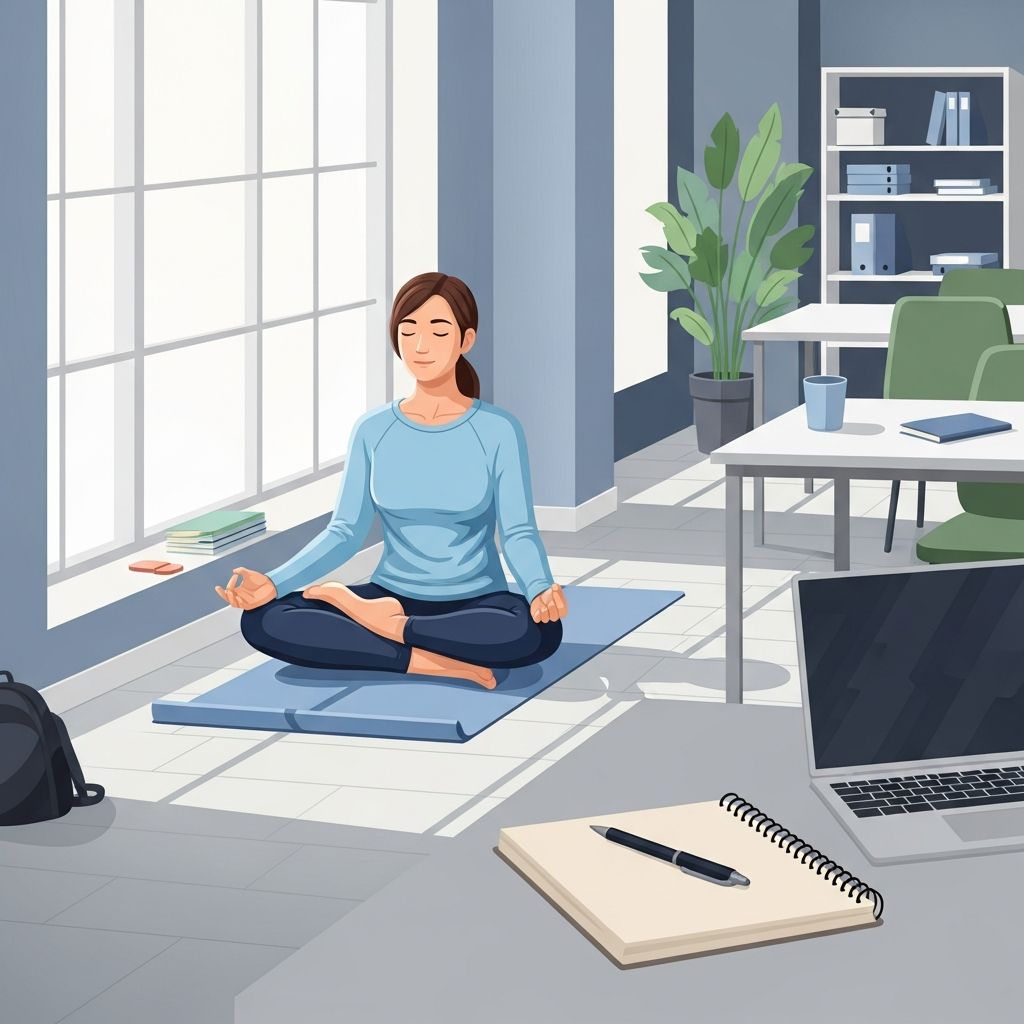
Workplace stress affects millions, leading to burnout, reduced productivity, and health issues. Implementing targeted strategies can transform your professional life, fostering resilience and focus.
Understanding the Roots of Job-Related Tension
Stress at work often stems from heavy workloads, tight deadlines, poor work-life balance, or interpersonal conflicts. Recognizing these triggers is the foundation of effective management. Start by tracking daily stressors in a journal to pinpoint patterns, such as overwhelming meetings or unclear tasks. According to health experts, identifying what frustrates or tenses you allows proactive intervention before tension escalates.
Common culprits include multitasking demands and unrealistic expectations. Research shows that chronic exposure to these factors elevates cortisol levels, impairing concentration and decision-making. By addressing root causes early, employees can prevent minor irritations from becoming major obstacles.
Building a Solid Daily Routine for Calm
A structured morning ritual sets a positive tone. Begin with a prioritized to-do list, distinguishing must-dos from nice-to-haves, to avoid overload. Nourish yourself with a balanced meal and incorporate light exercise like stretching to energize your body and mind.
- Write 3-5 key tasks for the day to maintain focus.
- Practice 5 minutes of deep breathing to center yourself.
- Hydrate and eat nutrient-rich foods to sustain energy.
End-of-day habits are equally vital. Tidy your workspace, review accomplishments, and plan tomorrow to create mental closure, easing the transition to personal time. This disconnection prevents work from invading evenings, promoting better recovery.[10]
Mastering Time and Task Efficiency
Effective time management slashes stress by creating breathing room. Prioritize tasks using the Eisenhower matrix: urgent-important quadrants guide what to tackle first.
| Quadrant | Description | Action |
|---|---|---|
| Urgent & Important | Deadlines, crises | Do immediately |
| Important, Not Urgent | Planning, development | Schedule |
| Urgent, Not Important | Interruptions, some meetings | Delegate |
| Not Urgent, Not Important | Distractions, busywork | Eliminate |
Embrace single-tasking over multitasking; studies confirm it enhances efficiency and reduces cognitive strain. Break large projects into small, actionable steps to make them less daunting. Learn to say no assertively to overcommitment, protecting your bandwidth.
Harnessing the Power of Physical Relaxation
Physical techniques directly counter stress responses. Progressive muscle relaxation involves tensing and releasing muscle groups sequentially, starting from the face downward.
- Sit comfortably and close eyes.
- Tense facial muscles for 5 seconds, then release.
- Move to shoulders, arms, torso, legs, and feet.
- Breathe deeply throughout for amplified calm.
Deep breathing exercises activate the parasympathetic nervous system. Try the 4-7-8 method: inhale for 4 counts, hold for 7, exhale for 8. Repeat 4-10 times during breaks. These practices lower heart rate and blood pressure swiftly.
Boosting Mental Resilience Through Mindfulness
Mindfulness reframes negative thoughts and anchors you in the present. When anxious, pause and challenge distortions: ‘Is this thought factual or fear-based?’ Visualization aids too—picture successful outcomes to build confidence.
Short daily meditation, even 5 minutes, cultivates clarity. Apps or guided sessions focusing on breath or body scans reduce reactivity to stressors. Pair with positive self-talk, repeating affirmations like ‘I handle challenges effectively’ to rewire mindset.
Fostering Movement and Nutritional Wellness
Regular activity combats stress hormones. Aim for 30 minutes of aerobic exercise daily, such as brisk walking or yoga, which also improves sleep quality. Workplace micro-breaks—stretching shoulders or walking—provide immediate relief.
Diet plays a key role: prioritize whole foods, fruits, vegetables, and lean proteins while limiting caffeine and sugar, which exacerbate tension. Hydration supports cognitive function; dehydration mimics stress symptoms.
- Snack on nuts or yogurt for steady energy.
- Walk during lunch for dual stress and activity benefits.
- Incorporate desk yoga poses for quick resets.
Cultivating Supportive Connections at Work
Social bonds buffer stress. Engage in team-building like group walks or virtual coffee chats to foster camaraderie. Open dialogues with supervisors about workloads signal needs without vulnerability overload.
Employers can aid by offering flexible leave and mental health resources; data shows 50% of workers link PTO access to lower stress. Personally, limit time with toxic colleagues and nurture non-work relationships for perspective.
Prioritizing Restorative Sleep Patterns
Quality sleep is non-negotiable for stress resilience. Aim for 7-9 hours with a consistent schedule, avoiding screens pre-bedtime. Wind down with reading or herbal tea to signal rest.
Poor sleep amplifies emotional reactivity; routines like dim lights and cool rooms optimize recovery. Naps under 30 minutes can recharge without grogginess if needed.
Long-Term Habits for Sustained Well-Being
Integrate hobbies and boundaries for balance. Schedule non-work pursuits weekly to recharge. Delegate tasks to avoid solo burdens and maintain humor—laughter releases endorphins.
Professional support via therapists provides tailored tools if stress persists. Track progress weekly to refine approaches, ensuring ongoing adaptation.
Frequently Asked Questions (FAQs)
What are quick ways to de-stress during a busy workday?
Take deep breaths, stretch, or step outside for 5 minutes. These reset your nervous system instantly.
How does exercise help with work stress?
It lowers cortisol, boosts mood via endorphins, and enhances sleep, creating a positive cycle.
Should I talk to my boss about stress?
Yes, constructively discussing workloads can lead to support and adjustments.
Can multitasking reduce stress?
No, it increases errors and fatigue; focus on one task for better results.
How much sleep do I need to manage stress?
7-9 hours nightly supports mental clarity and emotional regulation.
References
- 10 stress management tips to stay focused at work — Vanderbilt University News. 2024-07-15. https://news.vanderbilt.edu/2024/07/15/10-stress-management-tips-to-stay-focused-at-work/
- Managing Work-Related Stress — UR Medicine (University of Rochester Medical Center). Accessed 2026. https://www.urmc.rochester.edu/encyclopedia/Content?contentTypeID=1&ContentID=2882
- Workplace Stress – Guidance and Tips for Employers — OSHA (U.S. Department of Labor). Accessed 2026. http://www.osha.gov/workplace-stress/employer-guidance
- Work and stress | How to be mentally healthy at work — Mind. Accessed 2026. https://www.mind.org.uk/information-support/tips-for-everyday-living/how-to-be-mentally-healthy-at-work/work-and-stress/
- Stress Management: Strategies to Deal with Stress — HelpGuide.org. Accessed 2026. https://www.helpguide.org/mental-health/stress/stress-management
- Coping with stress at work — American Psychological Association. Accessed 2026. https://www.apa.org/topics/healthy-workplaces/work-stress

- Integrated M.A. in Applied Linguistics, University of Hyderabad
- 5+ years in editorial, instructional, SEO, and research-based writing
Sneha is a relationships and lifestyle writer with a strong foundation in applied linguistics and certified training in relationship coaching. She brings over five years of writing experience to theskillvault, crafting thoughtful, research-driven content that empowers readers to build healthier relationships, boost emotional well-being, and embrace holistic living. Her writing and insights reflect the belief that beauty, happiness, and wellness…