
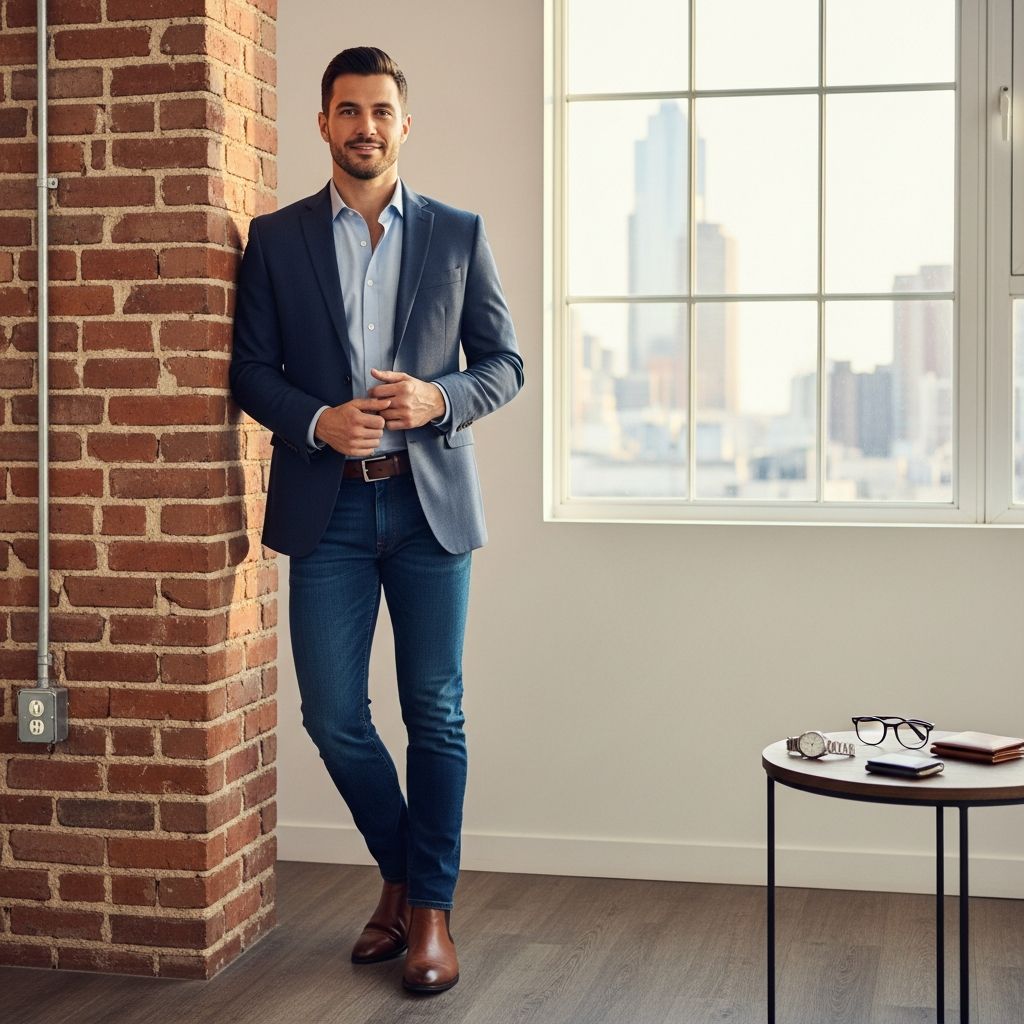
Many adult men struggle with fashion because they view it as unnecessarily complicated or outside their interests. However, developing a functional personal style doesn’t require extensive fashion knowledge or excessive time investment. Instead, it demands understanding a few foundational principles and making intentional choices about clothing selections. This guide provides practical strategies that any man can implement immediately to elevate his appearance and build confidence in how he presents himself to the world.
Understanding the Foundation of Personal Style
The cornerstone of any successful wardrobe begins with recognizing that proper fit serves as the most critical element of your appearance. A perfectly tailored affordable garment outperforms an expensive piece that doesn’t fit correctly. When clothing fits well, it automatically makes you appear more intentional, put-together, and professional—regardless of the actual cost of individual items.
Beyond fit, prioritizing comfort creates the necessary foundation for sustainable style decisions. Men are more likely to wear pieces that feel good against their skin and allow free movement. This means seeking out soft, breathable fabrics with subtle stretch properties that accommodate natural body movement. When you’re comfortable in what you’re wearing, that confidence visibly translates to how you carry yourself.
The intersection of comfort and style reveals an important truth: these qualities aren’t mutually exclusive. Modern menswear increasingly offers options that deliver both benefits simultaneously. Athletic fits, breathable materials, and tailored silhouettes have become mainstream offerings rather than luxury exceptions.
Building Your Color Foundation with Neutrals
One of the simplest yet most transformative decisions involves establishing a neutral color palette as your foundation. Neutral colors—including black, white, navy, gray, olive, and brown—automatically work together harmoniously, eliminating the guesswork from coordinating outfits.
This approach offers several advantages:
- Creates a cohesive wardrobe where pieces genuinely mix and match
- Projects professionalism and maturity through refined simplicity
- Makes dressing faster by removing color-coordination decisions
- Provides an excellent backdrop for intentional color accents when you’re ready to introduce them
- Ensures nothing looks jarring or immature when worn together
When implementing this principle, avoid the temptation to incorporate vibrant colors throughout your entire wardrobe. Bright hues can easily dominate an outfit and create a less sophisticated appearance, particularly when used inconsistently across multiple pieces. Reserve bold colors for strategic accents or intentional statement pieces rather than wardrobe staples.
The Impact of Minimizing Visual Clutter
A significant style upgrade emerges from simply reducing graphic designs, logos, and excessive patterns on your clothing. Solid-colored pieces in neutral tones automatically convey maturity and refinement. This doesn’t mean your wardrobe must be monotonous—instead, it means achieving visual interest through quality fabrics, proper layering, and fit rather than bold prints.
Consider this practical application: if your current closet contains numerous graphic t-shirts, replace them gradually with plain versions in similar neutral tones. This single shift creates a noticeably more polished appearance without requiring a complete wardrobe overhaul. The transition happens incrementally through normal replacement cycles.
When patterns do appear in your wardrobe, employ the simple rule of restraint: include one pattern maximum per outfit. This prevents visual overwhelm and maintains a sophisticated appearance. Classic patterns like checks, subtle plaids, and small-scale textures work better than large, bold designs.
Establishing Your Essential Basics Collection
Every functional men’s wardrobe requires certain fundamental pieces that serve as building blocks for countless outfit combinations. Rather than viewing basics as boring necessities, recognize them as versatile style chameleons that form the backbone of your personal style.
The White T-Shirt
This single piece represents the most universally useful item in any man’s closet. A quality white t-shirt transitions effortlessly from casual weekend wear to smart casual settings when layered strategically. Invest in versions made from soft, durable materials like Pima cotton that maintain their shape and appearance through regular washing. The fabric should be substantial enough to avoid transparency but not so heavy that it feels stiff or uncomfortable.
The Oxford Cloth Button-Down
The Oxford shirt functions as a bridge between casual and dressier occasions. This versatile piece works worn alone over a t-shirt, beneath a blazer, or layered under sweaters. Having at least one Oxford shirt in white or light blue provides tremendous outfit-building flexibility across different contexts and seasons.
Core Trouser Collection
Rather than accumulating numerous pairs of pants, focus on acquiring quality basics in three essential colors: black, navy, and a neutral like gray or khaki. These three versatile options combine with nearly any top in your wardrobe. For fit, prefer straight or straight-slim cuts that balance comfort with visual appeal. Overly tapered or excessively loose options typically date quickly and limit your options.
When selecting denim specifically, prioritize construction quality and fit over brand prestige. Denim with subtle stretch provides comfort through extended wear while maintaining the structured appearance of traditional styles. Straight and straight-slim fits work across more body types and settings than extreme silhouettes.
Layering Essentials
Sweaters and layering pieces exponentially increase outfit combinations from your existing wardrobe. A quality crewneck sweater in neutral tones works over t-shirts or button-downs, functioning as a comfortable alternative to jackets in moderate temperatures. Machine-washable merino wool options eliminate dry-cleaning concerns while providing temperature regulation benefits.
The Role of Proper Outerwear
Even men in warm climates benefit from quality outerwear because interior air conditioning creates temperature fluctuations throughout daily life. A structured blazer serves professional and semi-formal occasions, while a casual overshirt provides layering versatility for everyday wear. Both pieces should coordinate with your neutral color foundation and accommodate comfortable movement beneath them.
Outerwear represents an investment category where quality genuinely matters. Well-constructed pieces last through seasons of regular wear and maintain their appearance better than budget alternatives. Consider this category a long-term investment rather than an impulse purchase.
Strategic Wardrobe Building Through Versatility
The concept of building an interchangeable wardrobe provides unlimited outfit options without overwhelming your closet space. This approach prioritizes quality and versatility over quantity. Instead of acquiring numerous specialized pieces for specific occasions, focus on items that combine together in multiple ways.
A practical starting framework includes:
- Four pairs of pants with slight stretch in neutral colors
- Six shirts combining casual and dressier options in compatible tones
- Three sweaters or layering pieces for temperature transitions
- Two outerwear options covering professional and casual settings
This modest collection of approximately twenty-one pieces creates dozens of outfit combinations across different contexts and seasons. The key involves ensuring every piece coordinates with multiple others rather than existing as standalone items.
Exploring Your Personal Style Categories
Once you’ve established these foundational basics, you can explore different style directions that align with your personality and lifestyle requirements. Understanding various style approaches helps clarify what genuinely resonates with you versus what you’ve chosen by default.
Classic and Professional
This timeless approach emphasizes fitted suits, crisp shirts, and refined simplicity. This direction suits men in professional environments who appreciate understated confidence and traditional aesthetics. Quality fabrics and proper tailoring drive this style’s impact rather than trendy elements.
Smart Casual and Approachable
This category bridges formal and completely relaxed, combining elements that work across professional and social settings. Oxford shirts, well-fitted chinos, layered pieces, and neutral footwear create this balanced approach.
Utility-Inspired and Functional
Drawing inspiration from workwear and military aesthetics, this direction emphasizes durability and practical features like multiple pockets and weather resistance. Structured jackets, cargo elements, and sturdy footwear characterize this approach.
Minimalist and Streamlined
This philosophy focuses on clean lines, essential pieces, and high-quality basics that eliminate unnecessary details. Men preferring understated looks and easy mix-and-match flexibility gravitate toward this direction.
Understanding Fashion Rules and Flexibility
Several practical guidelines help navigate outfit construction consistently:
| Guideline | Purpose | Application |
|---|---|---|
| Maximum three colors per outfit | Prevents visual chaos and maintains sophistication | Combine primary neutral, secondary neutral, and optional accent |
| One pattern maximum per outfit | Avoids overwhelming visual stimulation | If wearing patterned top, keep bottom solid; pair patterned bottom with solid top |
| Avoid mixing warm and cold weather items | Maintains seasonal appropriateness and visual coherence | Don’t combine heavy sweaters with linen shorts or summer fabrics with winter coats |
| Ensure proper fit throughout | Creates polished, intentional appearance | Consider tailoring even basics—fit matters more than price point |
These guidelines provide structure without demanding rigid adherence. As you develop style confidence, you can make intentional departures that work for your specific context and aesthetic.
The Psychological Benefits of Intentional Dressing
Developing personal style extends beyond appearance into genuine psychological benefits. Beginning with a single complete outfit using these principles creates a quick confidence win. Experiencing how intentional choices translate to actual positive feedback builds momentum for continued effort.
This process involves recognizing that amazing style genuinely is easier than many men assume. It requires decision-making discipline rather than innate talent or excessive time investment. The confidence gained from looking and feeling put-together creates a positive feedback loop encouraging continued refinement.
Implementing Your Style Transformation
Start today by shifting shopping habits toward classic, timeless pieces. Immediately replace graphic tees with solid neutral versions in similar colors. Identify one neutral-colored outfit using pieces you already own, then wear it with intention. Pay attention to feedback you receive and how you feel throughout the day.
Rather than overhauling your entire wardrobe immediately, approach this as a gradual evolution where each purchase considers how it coordinates with existing pieces. This sustainable approach prevents decision fatigue and allows natural replacement cycles to work in your favor.
Focus on acquiring pieces that genuinely serve multiple purposes rather than specialized items for single occasions. This philosophy ensures your wardrobe grows more useful with each addition rather than becoming increasingly cluttered.
Frequently Asked Questions
Q: How much should I invest in quality basics versus trendy pieces?
A: Prioritize investment in fundamentals like neutral trousers, quality shirts, and proper-fitting basics. These pieces form the foundation and work for years. Trendy items serve as optional accents after establishing strong basics, not as wardrobe priorities.
Q: Can I introduce color into a neutral wardrobe gradually?
A: Absolutely. Once your neutral foundation feels comfortable and automatic, strategically introduce colors through accessories, layering pieces, or secondary items. This measured approach prevents overwhelming yourself while expanding possibilities.
Q: How do I know if something fits properly?
A: Properly fitting clothing allows comfortable arm movement, sits at your natural waist without bunching or gapping, and moves with your body rather than against it. When in doubt, professional tailoring ensures perfect fit for important pieces.
Q: Is investing in tailoring worth the cost?
A: Yes. Tailoring transforms even affordable pieces into polished staples. Simple adjustments to length and fit provide disproportionate impact on your overall appearance and confidence.
Q: How many basics should I own before considering style expansion?
A: Begin with the foundational collection outlined here: quality basics in neutral colors that genuinely coordinate together. Once you’ve worn this foundation comfortably and consistently, you’ll intuitively recognize what additional pieces would genuinely enhance your wardrobe rather than clutter it.
References
- Fashion for the Guys: How to Build a Comfortable & Versatile Men’s Wardrobe — The Wardrobe Consultant. Accessed January 2026. https://www.thewardrobeconsultant.com/blog/fashion-for-the-guys-mens-style-guide
- A Beginner’s Guide: 16 Essential Style Tips For Guys Who Want to Look Good — The Essential Man. Accessed January 2026. https://www.theessentialman.com/blog/mens-style-beginners
- Men’s Fashion Styles: Guide for Different Clothing Styles — CU Independent. Accessed January 2026. https://www.cuindependent.com/mens-fashion-styles-guide-for-different-clothing-styles/
- The Foundation: 10 Basic Clothes Every Man Needs — Pivot Image. Accessed January 2026. https://www.pivotimage.com/blog/basic-clothes-for-men
- Men’s Fashion 101: A Simple Guide for Guys Tired of Looking Like a Dork — Corey. Accessed January 2026. https://www.corey.co/blog/fashion

- Integrated M.A. in Applied Linguistics, University of Hyderabad
- 5+ years in editorial, instructional, SEO, and research-based writing
Sneha is a relationships and lifestyle writer with a strong foundation in applied linguistics and certified training in relationship coaching. She brings over five years of writing experience to theskillvault, crafting thoughtful, research-driven content that empowers readers to build healthier relationships, boost emotional well-being, and embrace holistic living. Her writing and insights reflect the belief that beauty, happiness, and wellness…