
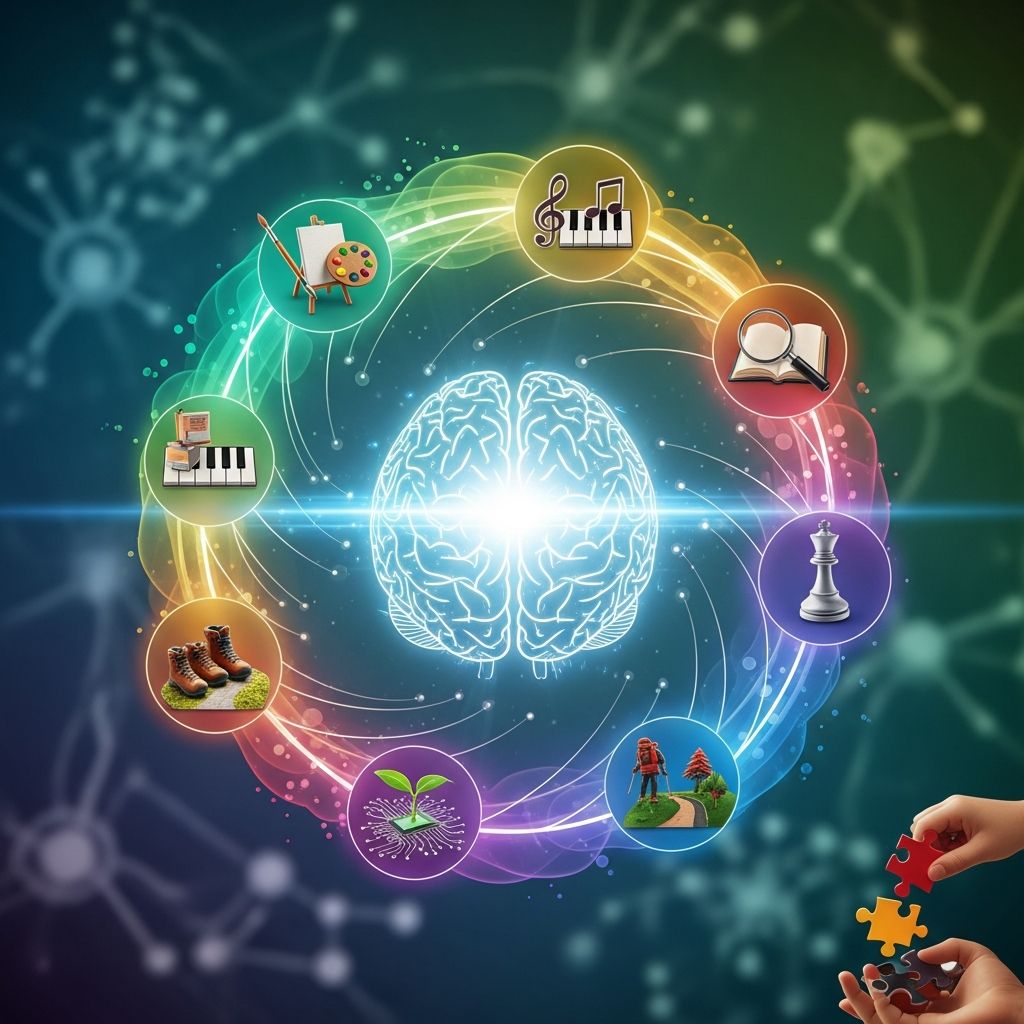
Engaging in purposeful leisure activities can transform brain health by fostering new neural connections, reducing stress, and lowering risks of cognitive decline. Research from institutions like UCLA Health and peer-reviewed journals shows that specific hobbies enhance memory, attention, and processing speed while promoting overall well-being.
Why Hobbies Matter for Your Brain
Hobbies provide more than relaxation; they actively stimulate the brain’s neuroplasticity—the ability to form new pathways that support learning and adaptability. A Japanese study of over 50,000 older adults found that each additional hobby correlates with decreased dementia risk, with mentally stimulating or physical pursuits offering the strongest protection. Similarly, creative endeavors lower cortisol levels, improving cardiometabolic health and mental resilience.
Across age groups, these activities combat depression, anxiety, and cognitive impairment. For instance, older adults with hobbies report higher life satisfaction and fewer depressive symptoms, while young adults see reduced odds of poor mental health (OR 0.62–0.78). By balancing solo and group hobbies, individuals gain both personal growth and social benefits, leading to better sleep, lower inflammation, and enhanced productivity.
1. Solving Puzzles and Brain Teasers
Puzzles like jigsaws, crosswords, and Sudoku demand pattern recognition, spatial reasoning, and sustained focus, directly training executive functions. A meta-analysis confirms that regular cognitive activities such as these lower dementia risk by strengthening neural pathways and improving concentration.
- Memory Enhancement: Older adults with mild cognitive impairment who tackle word games show superior memory and processing speed compared to non-participants.
- Daily Practice Tip: Dedicate 20–30 minutes daily to progressively challenging puzzles to maximize benefits.
- Science Insight: These tasks filter distractions, honing attention skills essential for multitasking in daily life.
Incorporating puzzles into routines builds resilience against age-related decline, making them ideal for lifelong brain maintenance.
2. Gardening and Nature-Based Cultivation
Gardening combines physical movement, sensory engagement, and outdoor exposure, all of which support brain health. Studies link it to reduced dementia risk, attributing benefits to light exercise, stress reduction, and vitamin D from sunlight.
| Benefit | Mechanism | Evidence |
|---|---|---|
| Stress Reduction | Lowers cortisol via nature immersion | 71% better mental health in creative/nature activities |
| Cognitive Boost | Planning and problem-solving | Lower dementia odds in 50,000+ adults |
| Physical Health | Increases activity levels | Improved activities of daily living |
Whether tending indoor plants or outdoor plots, this hobby fosters a sense of accomplishment and mindfulness, enhancing psychological well-being across demographics.
3. Creative Arts like Painting and Drawing
Artistic expression activates multiple brain regions, promoting emotional regulation and creativity. Research indicates that 2+ hours weekly of art reduces depression symptoms and boosts life satisfaction, with creative hobbyists reporting lower illness levels.
- Neural Impact: Builds new connections, improving memory and self-esteem.
- Accessibility: No prior skill needed; start with simple sketches or watercolors.
- Group Variant: Join art classes for added socialization benefits, reducing anxiety.
A longitudinal study of over 5,000 women found creative arts linked to higher physical activity and better mental health outcomes (p < 0.0001).
4. Learning Musical Instruments
Playing an instrument engages both hemispheres, enhancing coordination, memory, and auditory processing. Cognitive studies show musicians exhibit superior executive function and delayed cognitive decline due to constant skill-building.
Beginners benefit from neuroplasticity gains, as practicing scales or songs creates robust neural networks. Combine with group bands for social perks, amplifying longevity and mood improvements.
5. Reading and Storytelling
Immersive reading stimulates imagination, vocabulary, and empathy while combating cognitive stagnation. Enjoyable leisure reading associates with better psychological functioning and physiological health, including reduced disease severity.
- Brain Gains: Improves attention and narrative comprehension, key for problem-solving.
- Variety Tip: Mix genres—fiction for creativity, non-fiction for knowledge retention.
- Evidence: Linked to longevity and well-being in multiple studies.
For maximum impact, read aloud or discuss books in clubs to layer verbal and social stimulation.
6. Physical Pursuits like Walking or Yoga
Moderate exercise hobbies increase blood flow to the brain, supporting neurogenesis. A Japanese cohort tied activities like walking and golf to lower dementia rates, emphasizing cumulative hobby effects.
Yoga adds mindfulness, reducing stress hormones and enhancing focus. Together, they lower chronic disease risks, from heart issues to cognitive impairment.
7. Crafting and Handiwork
Activities like knitting, quilting, or woodworking require fine motor skills and planning, mirroring ‘grandma hobbies’ that challenge the brain holistically. These build concentration, pattern skills, and tangible rewards, with meta-analyses confirming dementia protection.
- Stress Relief: Repetitive motions calm the mind, lowering blood pressure.
- Social Angle: Share creations in communities for connection and laughter.
- Adaptability: Scale complexity to match skill level for ongoing challenge.
Fiber arts particularly shine, offering functional outcomes that boost purpose and resilience.
Maximizing Hobby Benefits: Strategies for Success
To optimize gains, diversify hobbies—pair cognitive with physical, indoor with outdoors. Aim for 2+ hours weekly in nature-linked pursuits for amplified mental and physical perks. Group involvement adds socialization, proven to extend life and curb inflammation.
Track progress: Note improved focus or mood post-session. For those with MCI, starting now yields measurable memory boosts. Balance prevents burnout, ensuring sustainable engagement.
Frequently Asked Questions (FAQs)
Q: How many hobbies should I pursue for optimal brain health?
A: Research suggests multiple hobbies (2–4) yield the best results, as each additional one further reduces dementia risk and enhances well-being.
Q: Can hobbies help if I already have cognitive concerns?
A: Yes, even with mild cognitive impairment, stimulating activities like puzzles improve memory and speed, per studies in the Journal of Cognitive Enhancement.
Q: Do screen-based hobbies count?
A: Non-screen options like crafting provide superior focus training, but digital puzzles can supplement if balanced with hands-on pursuits.
Q: What’s the ideal time commitment?
A: 2+ hours weekly per hobby, especially creative or outdoor ones, delivers peak mental health benefits.
Q: Are benefits the same for all ages?
A: Absolutely—youth gain resilience, adults productivity, and seniors dementia protection, as shown across global studies.
Start Your Brain-Boosting Journey Today
Select one hobby from this list and integrate it gradually. Consistency unlocks science-proven transformations in sharpness, mood, and longevity. Consult professionals for personalized advice, especially with health conditions.
References
- 3 proven health benefits of having a hobby — UCLA Health. 2023. https://www.uclahealth.org/news/article/3-proven-health-benefits-having-hobby
- Exploring the Impact of Hobbies on Mental Health and Well-Being — Taylor & Francis Online. 2025. https://www.tandfonline.com/doi/full/10.1080/01612840.2025.2512006
- How ‘Grandma Hobbies’ Benefit Your Brain — Henry Ford Health. 2025-12. https://www.henryford.com/Blog/2025/12/Grandma-Hobbies
- Association of Enjoyable Leisure Activities With Psychological and … — PMC (NCBI). 2010-04-28. https://pmc.ncbi.nlm.nih.gov/articles/PMC2863117/
- The Benefits of Brain-Boosting Hobbies — Psychology Today. 2020-04. https://www.psychologytoday.com/us/blog/the-healthy-engaged-brain/202004/the-benefits-brain-boosting-hobbies

- Integrated M.A. in Applied Linguistics, University of Hyderabad
- 5+ years in editorial, instructional, SEO, and research-based writing
Sneha is a relationships and lifestyle writer with a strong foundation in applied linguistics and certified training in relationship coaching. She brings over five years of writing experience to theskillvault, crafting thoughtful, research-driven content that empowers readers to build healthier relationships, boost emotional well-being, and embrace holistic living. Her writing and insights reflect the belief that beauty, happiness, and wellness…