
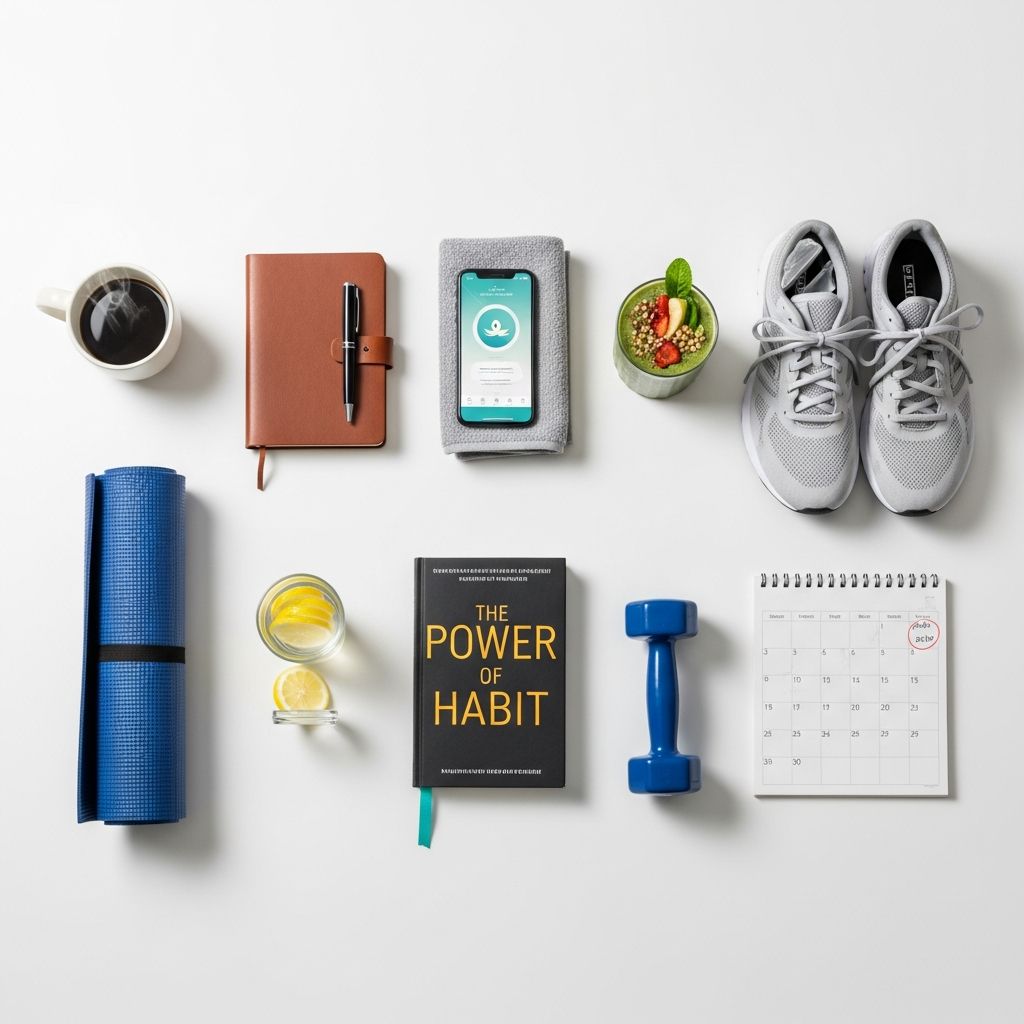
High achievers across industries share common threads in how they kick off their days. These intentional practices set a foundation for clarity, energy, and progress, drawing from routines refined over years of trial and experimentation. By emulating these habits, anyone can elevate their daily output and mindset.
Why Morning Habits Drive Long-Term Success
The opening hours of the day influence cognitive function, mood regulation, and decision-making quality throughout the remaining time. Research indicates that structured mornings reduce procrastination and enhance emotional resilience. Early risers often report higher energy levels and better problem-solving abilities, as physical activity and mindfulness prime the brain for complex tasks.
Leaders like Tim Cook and Richard Branson wake before dawn to claim quiet time for personal priorities, avoiding the rush of reactive obligations. This proactive approach fosters a sense of control, crucial for navigating high-stakes environments.
1. Rise with Purpose Before Dawn
Many top performers treat waking early as non-negotiable. Apple CEO Tim Cook starts at 3:45 a.m., using the pre-dawn quiet for emails and gym time. Richard Branson rises around 5 a.m. for exercise and family moments, crediting this for amplified daily achievements.
A study in The Journal of General Psychology links early rising to reduced procrastination compared to late starters. To implement, experiment with wake-up times, aiming for consistency that aligns with your natural rhythm while ensuring 7-9 hours of sleep.
2. Begin with Mindful Breathing or Meditation
Clearing mental clutter sets a focused tone. Jen Rubio of Away meditates before workouts, while Arianna Huffington dedicates 20-30 minutes to mindfulness sans technology. Jack Dorsey meditates 30 minutes prior to running.
These practices combat anxiety, sharpen concentration, and boost self-awareness. A University of Sussex study shows even six minutes of related activities like reading can slash stress by 68%. Start with 5-10 minutes of deep breathing or guided sessions.
3. Ignite Energy Through Movement
Physical exertion early on delivers enduring mental clarity. Anna Wintour plays tennis for an hour, Barack Obama lifted weights and did cardio in the White House, and Mellody Hobson mixes running, weights, swimming, or cycling.
University of Bristol research confirms daily exercisers enjoy superior energy and positivity. Neurotransmitters released during activity enhance attention and provide accomplishment boosts. Opt for 30-60 minutes of preferred activity like brisk walks or yoga.
4. Fuel with Hydration and Nourishment
Post-wake, prioritize water to rehydrate after overnight fasting. Successful individuals follow with balanced breakfasts: Kelly Ripa opts for yogurt, granola, and coffee; Obama chose eggs, potatoes, and toast.
This sustains energy without crashes. Experiment with novel elements, like new fruits, to stimulate creativity, as suggested by performance expert Henna Pryor.
5. Anchor in Reflective Journaling
Writing sharpens thoughts and processes emotions. Warren Buffett, Richard Branson, and Arianna Huffington journal regularly. A New Zealand study found 20 minutes of expressive writing sped healing post-biopsy.
It cuts stress, elevates performance, and clarifies goals. Dedicate time to gratitude lists, daily intentions, or lessons from the prior day.
6. Absorb Knowledge Through Reading
Bill Gates and Barack Obama read mornings for cognitive priming. Reading activates brain regions tied to empathy and reasoning, reducing stress significantly.
Choose nonfiction, poetry, or inspiring articles over screens. Ten to twenty minutes primes innovative thinking.
7. Define Your Keystone Priority
Instead of endless lists, identify one pivotal goal. Henna Pryor recommends asking, “What will make me proud at day’s end?” This focuses effort on high-impact actions.
Laura Vanderkam notes mornings suit deep work before fatigue sets in. Review calendars and affirm your top objective.
8. Nurture Creative Sparks
High achievers carve space for originality. Vanderkam advocates novel writing or painting when minds are fresh. Chef Ferran Adrià ate varied fruits to expand palates.
This fosters novel solutions. Try sketching, music, or recipe tweaks briefly each morning.
9. Connect with Core Relationships
Mornings allow tending key bonds. Branson prioritizes family time post-exercise. Krista Gilbert highlights successful people assessing relational needs early.
Simple acts like shared breakfasts or affirming words strengthen support networks vital for resilience.
10. Ritualize the Transition to Action
Mark your routine’s end with cues like lighting a candle or a soothing bath, as Hobson does post-workout. This signals readiness, per WeWork insights.
Adapt as needed, per PCMA’s Brad Spall: test alarms and energizers while prioritizing sleep.
Building Your Personalized Morning Framework
Customize based on lifestyle. Track progress for two weeks, adjusting for sustainability. Consistency trumps perfection; even partial adherence yields benefits.
| Habit | Duration | Key Benefit | Example Figure |
|---|---|---|---|
| Early Rise | Pre-6 AM | Quiet Focus Time | Tim Cook |
| Meditation | 10-30 min | Stress Reduction | Arianna Huffington |
| Exercise | 30-60 min | Energy Boost | Anna Wintour |
| Journaling | 15-20 min | Clarity | Richard Branson |
| Reading | 10-20 min | Cognitive Prime | Bill Gates |
Frequently Asked Questions (FAQs)
What if I’m not a morning person?
Experiment gradually; shift bedtime earlier for quality sleep. Focus on energizing elements like light movement over forced early wakes.
How long to see results from these habits?
Habits form in weeks with consistency; mood and productivity lift within days, per routine studies.
Can I skip exercise some days?
Flexibility sustains routines. Alternate with walks or stretches; aim for consistency over intensity.
What’s the best breakfast for focus?
Protein-rich options like eggs or yogurt stabilize energy. Hydrate first.
Do I need gadgets or apps?
No—simple timers suffice. Avoid screens initially to preserve calm.
Overcoming Common Barriers to Morning Mastery
Motivation wanes without sleep hygiene. Aim for 7-9 hours, as poor rest undermines routines and risks health issues like diabetes. Evening wind-downs prevent sabotage.
For busy parents or shift workers, condense to 20-30 minutes: hydrate, stretch, plan. Scale up as momentum builds.
Accountability via apps or partners reinforces adherence. Track streaks to harness habit momentum.
References
- Top 10 morning routines of highly successful people — WeWork. 2023-05-15. https://www.wework.com/ideas/professional-development/management-leadership/the-morning-routines-of-successful-people
- 5 Morning Rituals of Highly Successful People — PCMA. 2022-11-10. https://www.pcma.org/5-morning-rituals-of-highly-successful-people-2/
- 8 Daily Habits of Successful People — Krista Gilbert. 2023-08-22. https://kristagilbert.com/daily-habits-of-successful-people/
- 9 Morning Rituals That Set High Achievers Up for a Great Day — Good Housekeeping. 2024-03-05. https://www.goodhousekeeping.com/life/career/g69949900/morning-rituals-high-achievers/
- The Importance of Creating Habits and Routine — PMC (NCBI). 2019-03-20. https://pmc.ncbi.nlm.nih.gov/articles/PMC6378489/

Medha Deb is an editor with a master's degree in Applied Linguistics from the University of Hyderabad. She believes that her qualification has helped her develop a deep understanding of language and its application in various contexts. Medha specializes in the areas of beauty, health, sports, and wellness and is committed to ensuring that the content on the website is…