
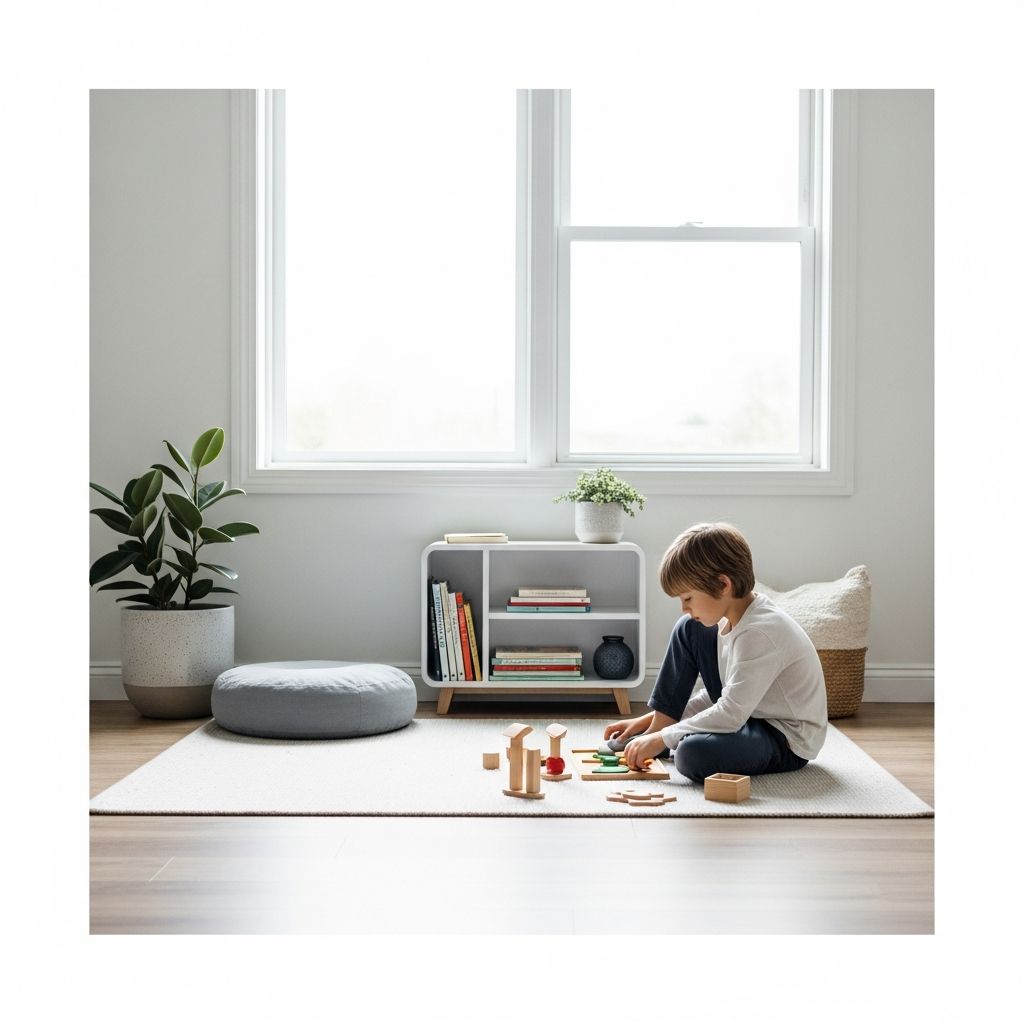
In an era defined by abundance, teaching children the power of less equips them with tools for enduring success. Minimalism for kids isn’t about deprivation; it’s a deliberate approach to life that cultivates clarity, resilience, and purpose, positioning them to excel in a complex world.
Why Minimalism Matters in Child Development
Modern childhood is bombarded with stimuli—from endless toys to digital distractions—that can overwhelm developing minds. Adopting minimalism counters this by creating intentional environments that prioritize quality over quantity. Research shows that simplified surroundings enhance cognitive function and emotional regulation, setting the foundation for academic and personal triumphs.
Parents who embrace this philosophy report children who are more engaged, less anxious, and better equipped to navigate challenges. By focusing on essentials, kids learn to value experiences, relationships, and personal growth over material accumulation.
Boosting Creativity Through Fewer Possessions
One of the most striking advantages of minimalism is its ability to ignite imagination. When children face a limited selection of toys, they invent games, repurpose items, and explore endlessly with what’s available. This mirrors Montessori principles, where curated spaces spark resourcefulness and deeper play.
- Imagination flourishes: Without pre-programmed entertainment, kids craft stories and scenarios, honing problem-solving skills vital for innovation.
- Sustained engagement: Fewer options mean longer play sessions, building concentration essential for learning.
- Adaptability: Learning to make do with less prepares children for real-world constraints, fostering inventive thinking.
Studies affirm that reduced toy variety leads to more sophisticated play patterns, directly supporting brain development. Parents observe kids transforming blocks into cities or scarves into capes, revealing the innate creativity stifled by excess.
Enhancing Focus and Reducing Distractions
A clutter-free space is a focused mind. Minimalist homes minimize visual noise, allowing children to zero in on tasks like homework or reading without the pull of scattered gadgets or toys. This clarity translates to improved productivity and academic performance.
Consider the psychological toll of chaos: noisy, overcrowded environments hinder emotional regulation and behavior. In contrast, orderly minimalist setups provide calm, enabling kids to tackle challenges methodically. Families report easier bedtimes, quicker cleanups, and heightened motivation as children take pride in tidy spaces.
Building Stronger Social Connections
Minimalism naturally draws families together. With fewer solo distractions, children seek interaction, strengthening bonds and social skills. Research from Penn State and Duke indicates that early proficiency in sharing and cooperation predicts college attendance and full-time employment by age 25.
Fewer toys mean more sharing, collaborative play, and teamwork—key for future relationships and careers. Kids grounded from excess tech often rediscover family time, mirroring boredom-induced unity that builds empathy and communication.
Cultivating Financial Literacy Early
Minimalism instills smart money habits by emphasizing needs over wants. Children learn delayed gratification, budgeting, and the joy of saving for meaningful purchases. This breaks cycles of consumerism, teaching that happiness stems from intentional choices, not impulse buys.
| Benefit | How Minimalism Helps | Long-Term Impact |
|———|———————|——————|
| Smart Spending | Discourages unnecessary purchases | Builds wealth-building habits |
| Value Appreciation | Focuses on quality items | Promotes sustainable consumption |
| Generosity | Encourages donating extras | Fosters community-mindedness |
By modeling thoughtful acquisition, parents equip kids to resist peer pressure and societal marketing, leading to financial independence.
Promoting Emotional Well-Being and Stress Relief
Clutter breeds stress; simplicity soothes. Minimalist living reduces decision fatigue, allowing children to regulate emotions effectively. Clean, organized rooms become sanctuaries for rest and reflection, improving sleep and mood stability.
This emotional foundation supports resilience against life’s pressures. Kids in minimalist homes exhibit fewer tantrums, better frustration tolerance, and heightened self-confidence from mastering their environments.
Fostering Independence and Decision-Making
Freedom within limits defines Montessori-minimalist synergy. With fewer choices, children confidently select outfits, activities, or toys, building decision-making prowess that extends to life choices like careers and relationships.
- Confident selectors from limited options.
- Ownership of spaces promotes responsibility.
- Practical skills like tidying reinforce autonomy.
This empowerment counters entitlement, raising self-reliant individuals ready for adulthood.
Instilling Environmental Stewardship
Minimalism aligns with sustainability, teaching kids to minimize waste through mindful consumption. Opting for durable goods, digital alternatives, and second-hand items reduces their ecological footprint while imparting respect for resources.
Activities like gardening or upcycling engage children in planetary care, blending fun with lessons in responsibility. These habits prepare them for a future demanding eco-conscious leaders.
Practical Strategies for Minimalist Parenting
Transitioning to minimalism requires intention. Start small:
- Declutter collaboratively: Involve kids in sorting toys into keep, donate, or discard—turning it into a game.
- Rotate possessions: Store extras and cycle them to maintain novelty without accumulation.
- Prioritize experiences: Swap gifts for outings, emphasizing memories over stuff.
- Set limits: One toy in, one out rule prevents buildup.
- Model behavior: Parents’ minimalism inspires through example.
Incorporate routines like family dinners for bonding and underscheduling to savor unstructured time. Digital minimalism—limiting screens—further amplifies benefits.
Frequently Asked Questions (FAQs)
Will my child feel deprived without lots of toys?
No. Research shows fewer toys enhance play quality and satisfaction, preventing overstimulation. Kids adapt quickly, thriving on creativity.
How does minimalism affect school performance?
It sharpens focus and reduces stress, leading to better concentration and grades. Organized spaces support efficient studying.
Can minimalism work for families with multiple kids?
Absolutely—it promotes sharing and unity, strengthening sibling bonds. Shared resources teach cooperation.
What’s the best age to start?
Anytime, but early (ages 3+) yields profound habits. Toddlers benefit from simple environments fostering independence.
Does it save money?
Yes, significantly—curtailing purchases frees funds for education or travel.
Long-Term Advantages for a Thriving Future
Raising minimalist kids breaks consumerism’s grip, nurturing authentic, purpose-driven adults. They enter the world unburdened by stuff, armed with skills like adaptability, empathy, and sustainability. This philosophy doesn’t just simplify today; it secures tomorrow’s success.
References
- Living a Minimalist Lifestyle: The Benefits for Students — Upcycle That. 2023-05-15. https://upcyclethat.com/living-a-minimalist-lifestyle-the-benefits-for-students/
- Benefits Of Minimalism For Kids — Mia Danielle. 2022-10-10. https://www.miadanielle.com/blog/minimalism-benefits-kids
- Montessori and minimalism with children — Montessori Academy. 2024-01-22. https://montessoriacademy.com.au/montessori-and-minimalism-with-children/
- 5 Reasons to Raise Your Kids in a Minimalist Home — Rich In What Matters. 2024-02-17. https://richinwhatmatters.com/2024/02/17/5-reasons-to-raise-your-kids-in-a-minimalist-home/
- HOW MINIMALISM BENEFITS KIDS — Arrow Hill Cottage. 2023-08-05. https://www.arrowhillcottage.com/minimalism-benefits-kids/
- Why Kids Need Minimalism — Becoming Minimalist. 2023-11-12. https://www.becomingminimalist.com/kids-need-minimalism/

- Integrated M.A. in Applied Linguistics, University of Hyderabad
- 5+ years in editorial, instructional, SEO, and research-based writing
Sneha is a relationships and lifestyle writer with a strong foundation in applied linguistics and certified training in relationship coaching. She brings over five years of writing experience to theskillvault, crafting thoughtful, research-driven content that empowers readers to build healthier relationships, boost emotional well-being, and embrace holistic living. Her writing and insights reflect the belief that beauty, happiness, and wellness…